 Fixated on Home
Why Versatile Living Rooms Are the Future in 2026
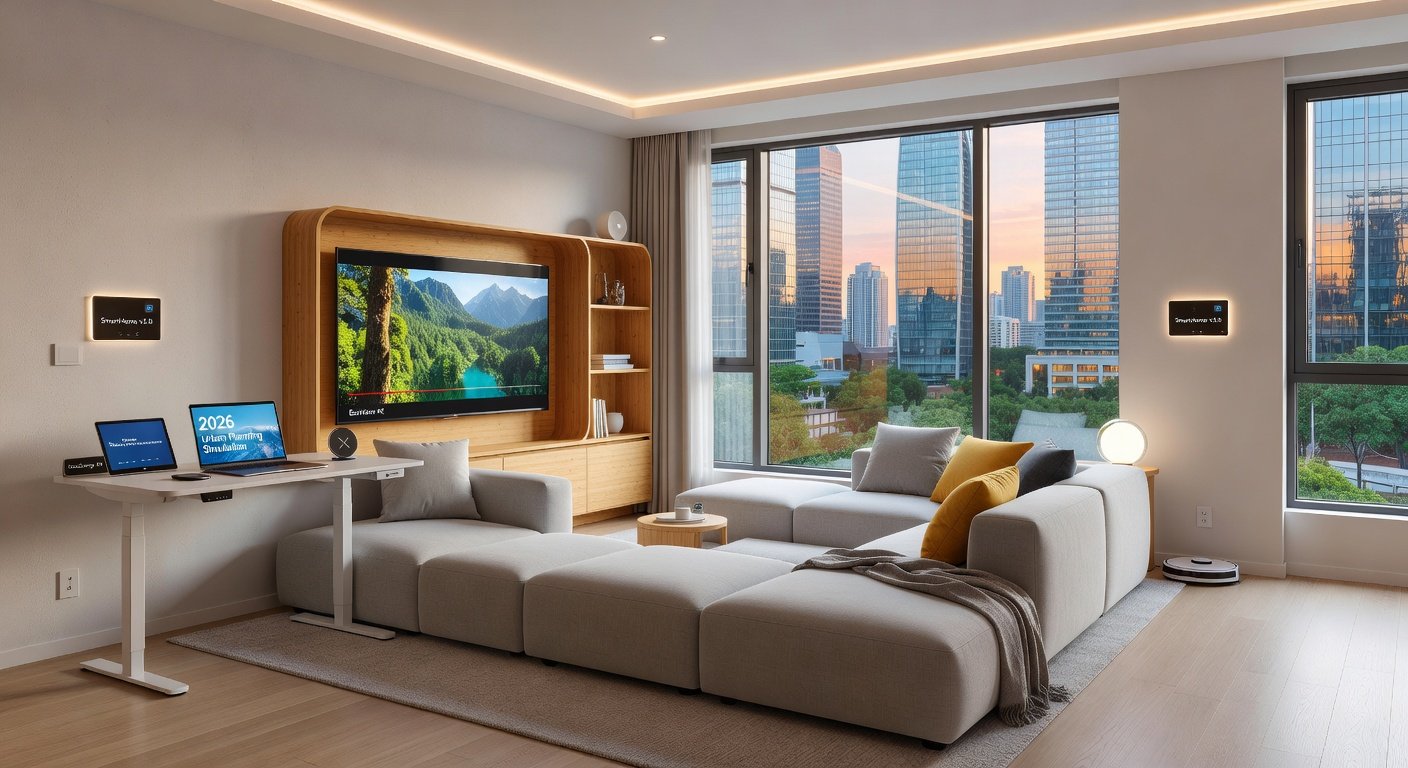
In 2026, the lines between work, leisure, and entertainment continue to blur, making the living room the ultimate multi-functional hub. With remote work here to stay and streaming marathons a daily ritual, homeowners are seeking designs that adapt seamlessly. This guide explores how to create a living room that doubles as a home office and entertainment center without breaking the bank or walls. Focus on modular furniture, adaptable lighting, built-in storage, and clever remodeling hacks for maximum space efficiency.
Whether you're in a compact apartment or a suburban home, these strategies emphasize flexibility, sustainability, and tech integration. Let's dive into the essentials.
Essential Home Decor Choices for Multi-Use Spaces
Start with decor that pivots effortlessly between modes. Prioritize pieces that are scalable, movable, and stylish in any configuration.
Modular Furniture: The Backbone of Versatility
Modular furniture is non-negotiable for 2026 living rooms. Sofas that expand into desks, ottomans with hidden compartments, and stackable tables allow instant transitions from lounge to office.
- Sofa Systems: Opt for sectionals with removable arms that convert to workstations. Look for models with built-in power outlets for laptops.
- Multi-Purpose Tables: Coffee tables that raise to dining or desk height, with storage below for files or remotes.
- Seating Solutions: Floor poufs or bean bags that stack away, freeing floor space for yoga or movie nights.
For inspiration, explore options at IKEA, a leader in affordable modular designs.
Adaptable Lighting: Set the Mood for Any Activity
Lighting isn't just functional—it's transformative. Dimmable LEDs, smart bulbs, and layered setups create office focus or cinematic ambiance.
- Layered Approach: Overhead fixtures for general light, task lamps for desks, and accent strips for entertainment zones.
- Smart Integration: Use voice-controlled bulbs that adjust color temperature—cool blues for work, warm golds for chilling.
- Hidden Wires: Cable management channels keep cords out of sight, maintaining a sleek look.
Incorporate motion-sensor under-cabinet lights for late-night snacks without fumbling.
Interior Upgrades: Built-In Storage Solutions
Clutter kills versatility. Built-ins maximize vertical space without eating into the room's footprint.
- Wall-Mounted Shelves: Floating units for books, decor, or monitors that fold away.
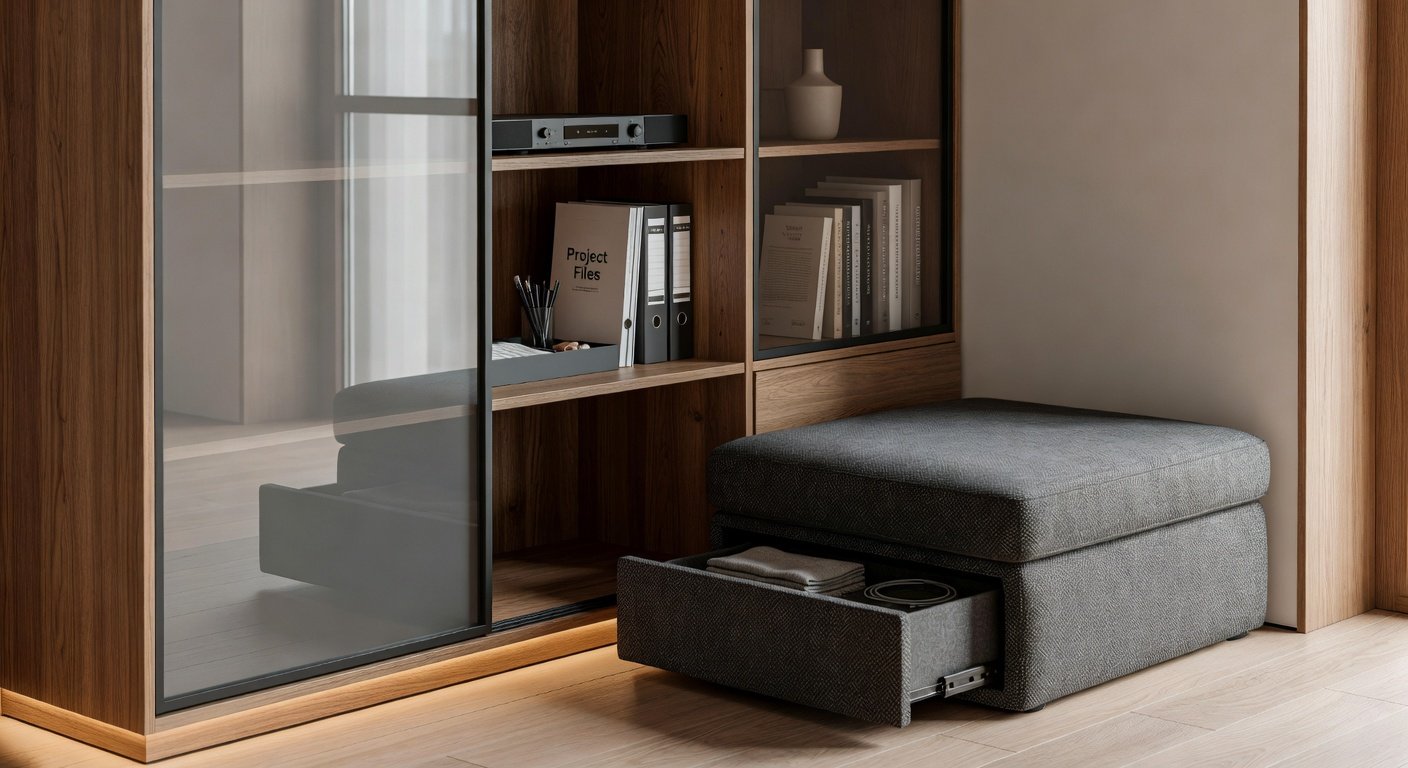
- TV Wall Units: Custom cabinets hiding AV gear, printers, and office supplies behind sliding panels.
- Under-Seat Drawers: Retrofit existing furniture with pull-outs for blankets, cables, or paperwork.
These upgrades blend seamlessly, preserving an open feel. Check Home Depot for DIY-friendly storage kits.
Step-by-Step Remodeling Tips: Maximize Space Without Major Renovations
No need for sledgehammers. These renter-friendly steps transform your space in a weekend.
- Assess and Zone Your Space (1 Hour): Sketch your room, dividing it into zones: work (near outlets), entertainment (facing TV), and relax (central). Measure twice for furniture fit.
- Declutter Ruthlessly (Half Day): Donate or store unused items. Invest in slim organizers for essentials only.
- Install Modular Bases (Day 1): Assemble sofa modules and tables. Position desk area by windows for natural light.
- Add Lighting and Tech (Day 1 Afternoon): Mount smart bulbs and hubs. Run extension cords through baseboards or adhesive channels.
- Build Storage Layers (Day 2): Hang shelves at eye level, add lower cabinets. Use peel-and-stick hooks for cables.
- Test Configurations (Final Hour): Switch between office, movie mode, and lounge. Tweak for flow.
For advanced tips, refer to Houzz, a trusted resource for home design ideas.
2026 Tech Trends to Incorporate
Future-proof your setup with wireless charging surfaces, AR projectors for immersive entertainment, and AI assistants that automate lighting based on your calendar. Sustainability shines with recycled modular pieces and energy-efficient LEDs.
Budget Breakdown and Pro Tips
Expect $500–$2,000 for a full refresh:
- Modular Furniture: $300–$1,000
- Lighting: $100–$300
- Storage: $100–$400
- Accessories: $100–$300
Pro Tip: Shop sales and second-hand for high-end modulars. Paint walls in neutral tones like soft grays to make spaces feel larger.
Conclusion: Your Dream Multi-Functional Living Room Awaits
By blending modular furniture, smart lighting, and clever storage, your 2026 living room becomes a powerhouse of productivity and fun. Start small, iterate, and enjoy the flexibility. Your space, your rules.
No comments yet. Be the first!