 Fixated on Home
Introduction to Smart Living Room Layouts
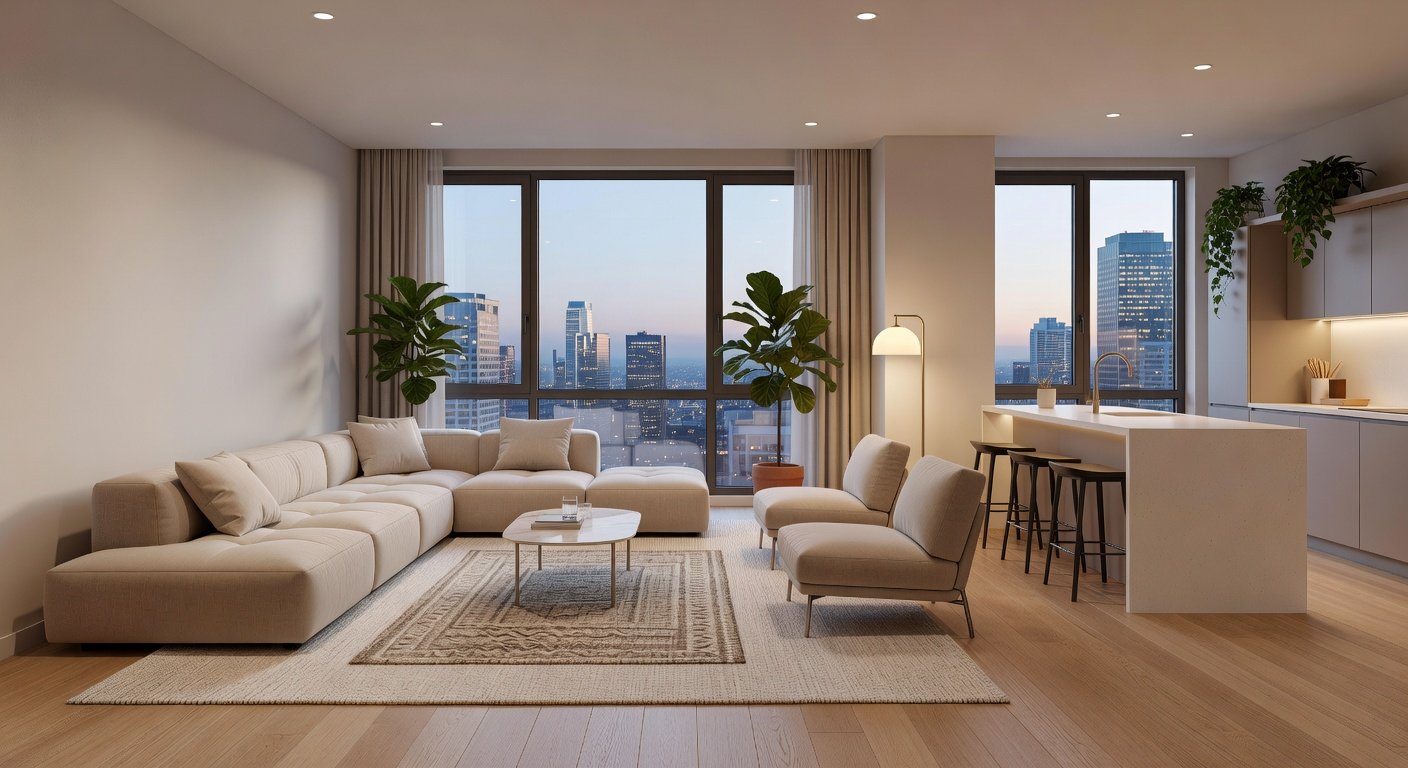
Transforming your living room starts with strategic furniture arrangement. Whether you're dealing with a cozy nook or a sprawling open space, optimizing for flow, comfort, and style is key. This guide dives into step-by-step strategies for conversational zones, TV-centric setups, and open-plan designs. We'll also cover remodeling tips using rugs and lighting, plus exciting 2026 innovations like modular pieces that promise flexible, stylish upgrades.
Good arrangement isn't just about fitting everything in—it's about creating zones that invite relaxation and connection. Poor layouts lead to cramped traffic paths or awkward seating; smart ones enhance daily life. Let's explore how to achieve that harmony.
Step-by-Step Furniture Arrangement Guide
Follow these proven steps to rearrange your living room effortlessly:
- Measure and Sketch: Start by measuring your room's dimensions, doors, windows, and outlets. Sketch a floor plan on graph paper or use free apps like Room Planner.
- Identify Focal Points: Determine your room's hero—fireplace, TV, or window view—and anchor furniture around it.
- Clear the Space: Remove all furniture to visualize flow. Walk through to note natural pathways.
- Zone It Out: Divide into activity areas: seating, media, storage.
- Arrange Conversationally: Position sofas and chairs within 8-10 feet, facing each other at 90-degree angles.
- Test and Tweak: Sit in every seat, adjust for comfort and traffic flow (at least 3 feet wide paths).
This methodical approach ensures efficiency and minimizes frustration.
Creating Conversational Zones
Conversational zones foster intimacy. Arrange seating in a U or L shape, with a coffee table at knee height (18-20 inches). Avoid linear rows that force neck-craning chats.
- Use armchairs or loveseats for flexibility.
- Add ottomans as extra seats or footrests.
- Incorporate side tables for drinks within arm's reach.
For small spaces, floating furniture (legs visible) creates airiness. In larger rooms, layer with accent chairs opposite the sofa.
TV-Centric Setups Done Right
TV walls demand balance. Mount or place the TV at eye level when seated (about 42 inches from floor). Angle seating toward it without sacrificing conversation.
- 90-Degree Rule: Sofas perpendicular to TV, chairs facing both.
- Distance Guide: Allow 7-9 feet for 55-inch screens (double diagonal size).
- Hide Wires: Use cord covers or in-wall solutions for a sleek look.
Pair with media consoles featuring closed storage to tame remotes and consoles.
Open-Plan Configurations for Seamless Flow
Open plans blend living, dining, and kitchen. Define zones subtly without walls:
- Use rugs to anchor areas—orient furniture parallel to rug edges.
- Scale furniture proportionally; oversized pieces overwhelm.
- Create sightlines: Avoid blocking views between zones.
Low-profile items like sectionals bridge spaces visually. For traffic, position sofas against walls, leaving central paths clear.
Remodeling Tips: Elevate with Rugs and Lighting
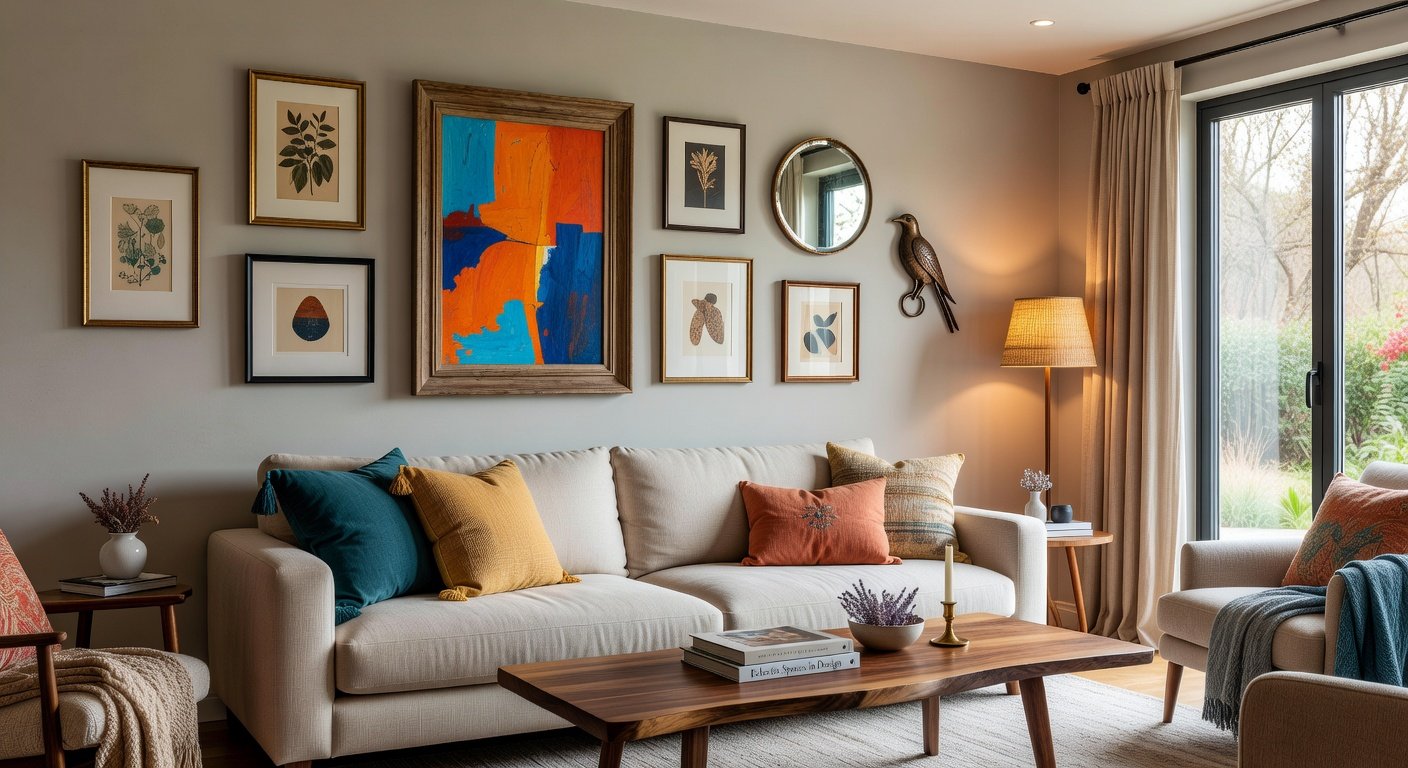
Once furniture is placed, layer decor for polish. Rugs ground zones—choose 8x10 feet for standard rooms, extending 12-18 inches under furniture legs.
- Layering Trick: Large neutral rug base + smaller patterned accent.
- Shape Play: Round rugs soften corners; runners define paths.
Lighting is transformative. Combine ambient (ceiling fixtures), task (floor lamps), and accent (table lamps). Dimmers control mood.
- Follow the 3-foot rule: Lamps 3 feet apart for even glow.
- LED strips under shelves for modern drama.
Pro tip: Check Houzz for rug and lighting inspiration from real homes.
2026 Innovations: Modular Pieces for Flexible Transformations
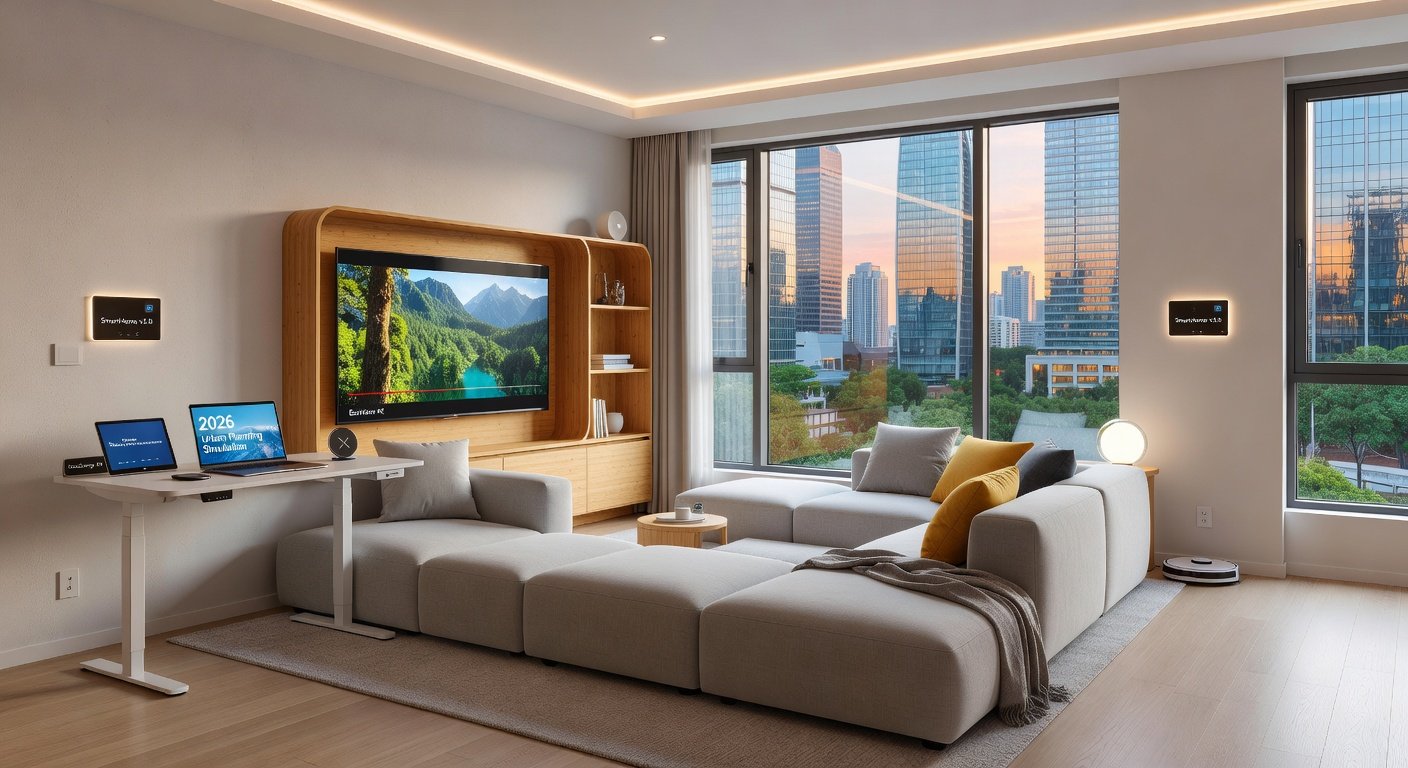
Looking ahead, 2026 brings game-changing modular furniture. These adaptable systems expand or contract as needs change—ideal for remote work hybrids or growing families.
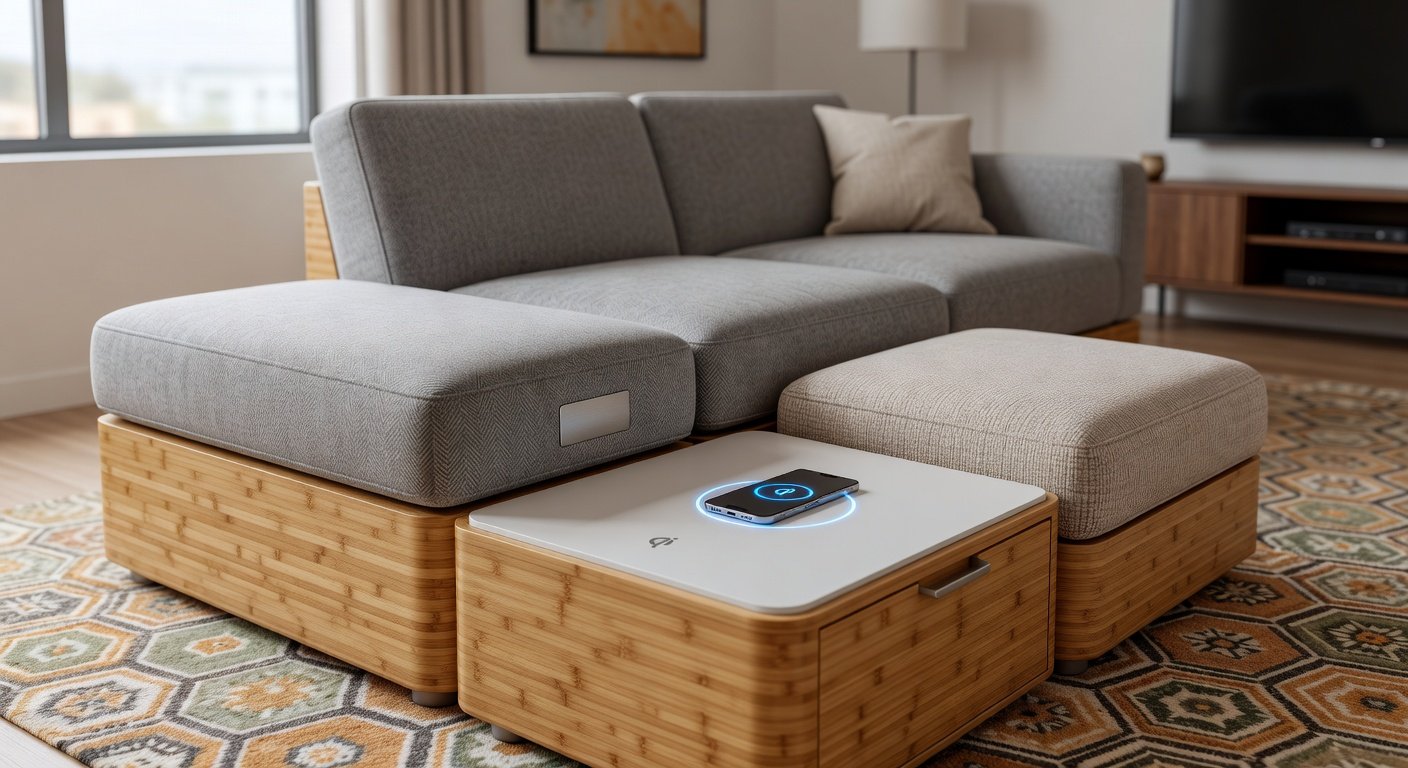
- Sectional Sofas: Magnetic modules snap together, reconfigure in minutes.
- Wall Units: Stackable shelves with built-in charging ports.
- Multi-Functional Ottomans: Hidden storage + wireless charging surfaces.
Sustainable materials like recycled fabrics and bamboo dominate. Brands pioneer AI-assisted design apps for virtual try-ons. Explore options at IKEA, pioneers in affordable modularity.
Another trend: Biophilic elements, like furniture with integrated planters, blurring indoor-outdoor lines. Invest now for future-proof style.
Common Mistakes to Avoid
Steer clear of these pitfalls:
- Pushing all furniture against walls—creates dead space.
- Ignoring scale—tiny chairs in big rooms look lost.
- Overlooking outlets—plan for lamps and chargers.
Final Thoughts: Your Dream Living Room Awaits
Mastering furniture arrangement unlocks your living room's potential. Start small with zones, layer decor, and embrace 2026 mods for enduring appeal. Refresh seasonally for vibrancy. Your space should reflect you—comfortable, flowing, and fabulous.
No comments yet. Be the first!