 Fixated on Home
Introduction to Smart Outdoor Upgrades in 2026
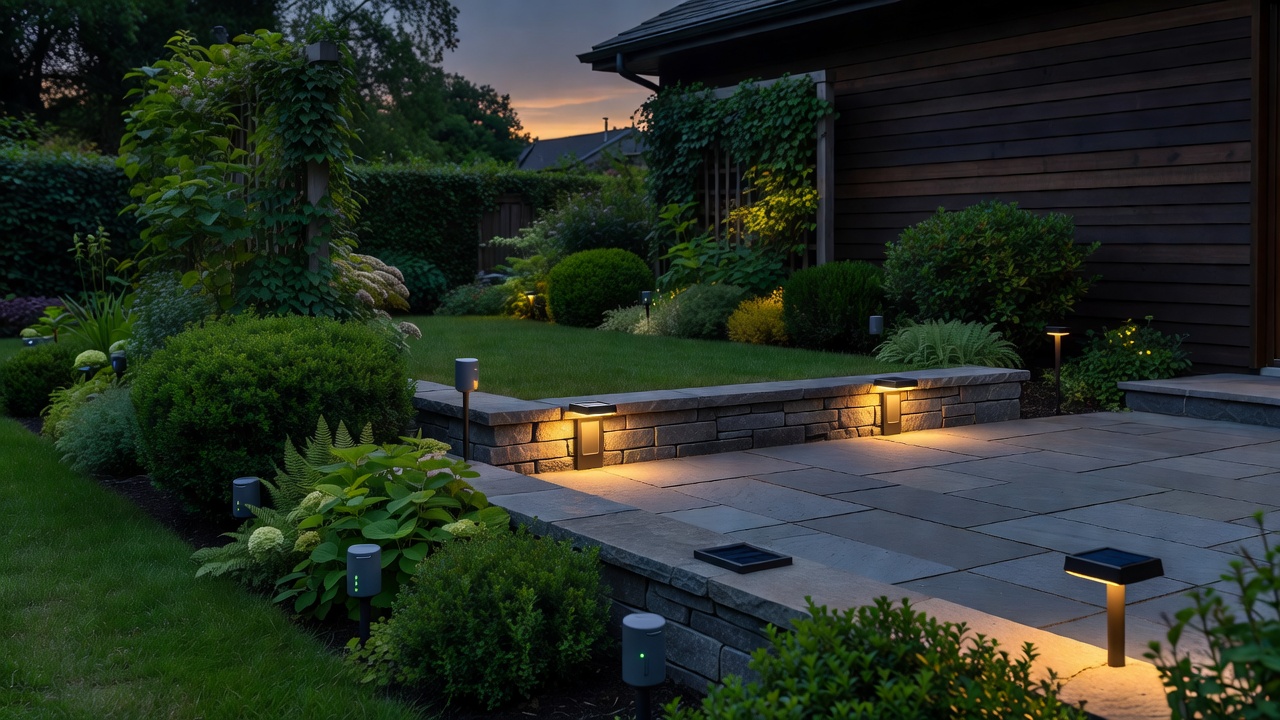
Homeowners tackling fixer-upper yards in 2026 are turning to smart technology for practical, budget-friendly transformations. This comprehensive guide explores integrating weather-resistant devices, solar-powered sensors, and automated systems using DIY approaches that blend seamlessly with renovation projects. Focus areas include lighting, irrigation, and connectivity solutions that deliver sustainability and long-term efficiency without professional installation fees. Whether reviving a neglected patio or overhauling an entire backyard, these upgrades combine modern convenience with eco-conscious design principles that align with current trends emphasizing renewable energy integration.
The appeal of smart outdoor tech lies in its ability to enhance usability while reducing manual effort. Automated lighting can deter intruders and create ambiance, while intelligent irrigation prevents overwatering and promotes healthier landscapes. In 2026, solar-powered components dominate discussions around sustainability, allowing users to minimize grid dependency. This article provides detailed steps, checklists, and real examples to help beginners and intermediate DIYers succeed.
Selecting Weatherproof Smart Devices for Outdoor Use
Choosing the right hardware starts with IP65 or higher ratings for dust and water resistance. Look for devices compatible with major ecosystems like Apple HomeKit or Google Home. Prioritize solar-powered options to reduce wiring needs and support 2026 sustainability trends. Real-world examples show these upgrades transforming neglected patios into functional entertainment areas.
Key considerations include temperature tolerance from -20°F to 120°F and UV protection for longevity. Compare models from established brands that offer app-based monitoring for moisture levels and energy use. When evaluating sensors, examine battery life claims and backup options for cloudy periods. Compatibility with voice assistants adds hands-free control, which proves valuable during hands-on renovation tasks. Always verify warranty coverage for outdoor exposure before purchase.
Evaluating Solar-Powered Sensors and Their Benefits
Solar sensors represent a major 2026 trend, harnessing sunlight to power motion detectors and soil monitors. These units typically feature built-in panels that recharge during daylight hours, ensuring continuous operation. Homeowners report fewer maintenance interruptions compared to battery-only alternatives. Integration with existing smart hubs allows data sharing across lighting and watering systems for coordinated responses, such as dimming lights when irrigation activates.
Step-by-Step Guide to Smart Lighting Installation
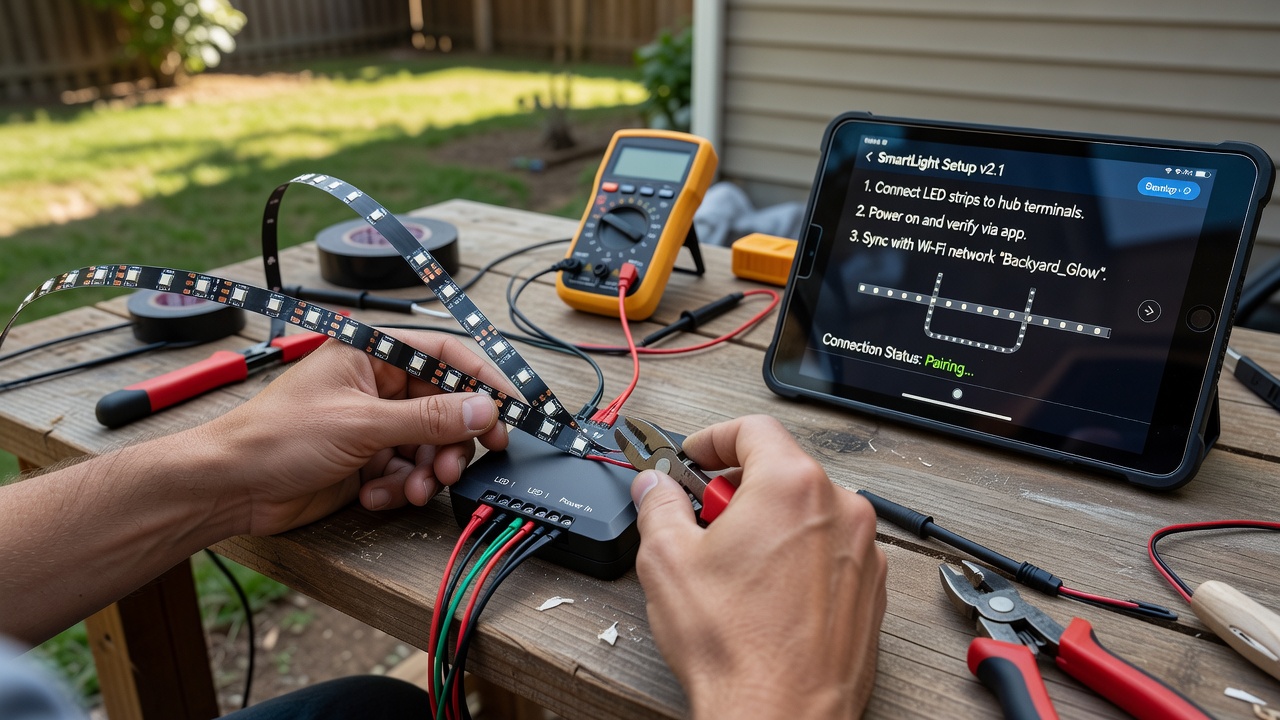
Begin by mapping your outdoor zones and identifying power sources. Install weatherproof LED strips or spotlights with built-in Wi-Fi modules. Connect to a central hub, then configure schedules and motion triggers through the companion app. Test connectivity before final mounting to avoid rework.
Safety tip: Always shut off power at the breaker and use GFCI outlets for all exterior connections. Wear insulated gloves during wiring to prevent shocks in damp conditions. Route cables through protective conduit to shield against weather and rodents. For multi-zone setups, label each circuit clearly to simplify future troubleshooting.
After physical installation, download the manufacturer app and follow prompts to add devices. Create custom scenes such as evening relaxation modes or security alerts triggered by motion. Update firmware immediately upon setup to access the latest features and security patches. This process typically takes under an hour per zone once the hub is online.
Automating Irrigation with Smart Sensors
Smart irrigation controllers pair with soil moisture sensors to optimize watering schedules based on real-time weather data. Mount the controller near your existing timer box, link sensors via Bluetooth or Zigbee, and set zones through the mobile app. This setup can cut water usage significantly while maintaining healthy lawns and gardens.
- Verify sensor placement in representative soil areas
- Integrate with rain gauges for automatic shutoff
- Review app alerts for leak detection
- Adjust schedules seasonally to match local climate patterns
- Monitor flow rates to identify inefficiencies early
Advanced models incorporate evapotranspiration data from local weather stations, further refining water delivery. Users can create multiple programs for different plant types, such as drought-tolerant shrubs versus thirsty flower beds. Regular calibration ensures accuracy, especially after heavy rainfall events.
Cost Comparisons: DIY vs Professional Installation
DIY approaches typically involve lower upfront material costs and allow phased implementation. Professional services add labor expenses but provide warranties. Homeowners often achieve substantial savings by handling basic wiring and app configuration themselves, especially when using modular kits designed for beginners. Phased rollouts let you test one area before expanding, reducing risk of costly errors.
Real-World Backyard Transformation Examples
One suburban project converted an overgrown lawn into a smart-lit gathering space with automated drip irrigation. Another urban fixer-upper added solar pathway lights and app-controlled security cameras, enhancing both aesthetics and safety. These cases highlight how incremental upgrades compound into impressive results over a single season. A third example involved a coastal property where salt-resistant fixtures and wind sensors prevented damage during storms, demonstrating adaptability across environments.
Practical Checklists for Your Project
- Inventory existing outlets and water lines
- Research device compatibility with your Wi-Fi network
- Gather tools including wire strippers, multimeter, and conduit
- Plan for future expansion with extra hub ports
- Document all serial numbers for warranty registration
- Test all components indoors before outdoor mounting
- Review local regulations on electrical and plumbing modifications
Safety Tips and Common Pitfalls to Avoid
Always ground outdoor fixtures properly and avoid overloading circuits. Check local building codes before running new lines underground. A frequent mistake is ignoring firmware updates, which can leave systems vulnerable to connectivity drops during storms. Use surge protectors rated for exterior environments and inspect seals on all enclosures annually. When working near water features, employ low-voltage options where possible to minimize shock hazards.
2026 Trends Emphasizing Sustainability and Connectivity
Beyond basic automation, 2026 highlights include Matter protocol adoption for seamless cross-brand communication and advanced AI that predicts usage patterns. Solar integration pairs well with battery storage solutions for nighttime operation. These advancements support broader environmental goals by lowering overall household energy demands.
For deeper insights on energy-efficient practices, consult resources from energy.gov. Similarly, water conservation strategies are detailed at epa.gov.
FAQ: Addressing Connectivity and Setup Issues
How do I troubleshoot weak outdoor Wi-Fi signals? Extend your network with a mesh node or powerline adapter rated for exterior use. Position access points to minimize interference from trees or structures.
What happens if sensors lose connection during rain? Most quality devices buffer data and reconnect automatically once conditions improve. Ensure firmware is current for optimal recovery behavior.
Can I mix brands in one ecosystem? Stick to Matter-compatible products for broad interoperability in 2026 setups. Verify certification logos on packaging before buying.
How often should I update device software? Check monthly or enable automatic updates through the app to maintain security and performance.
Conclusion
Embracing smart tech in outdoor DIY projects empowers homeowners to create modern, efficient spaces. By focusing on weatherproof components, solar innovations, and careful planning, these upgrades deliver both immediate enjoyment and lasting value. Start small, follow safety protocols, and scale as confidence grows. The combination of practical checklists and real-world examples in this guide provides a solid foundation for successful 2026 renovations.
No comments yet. Be the first!