 Fixated on Home
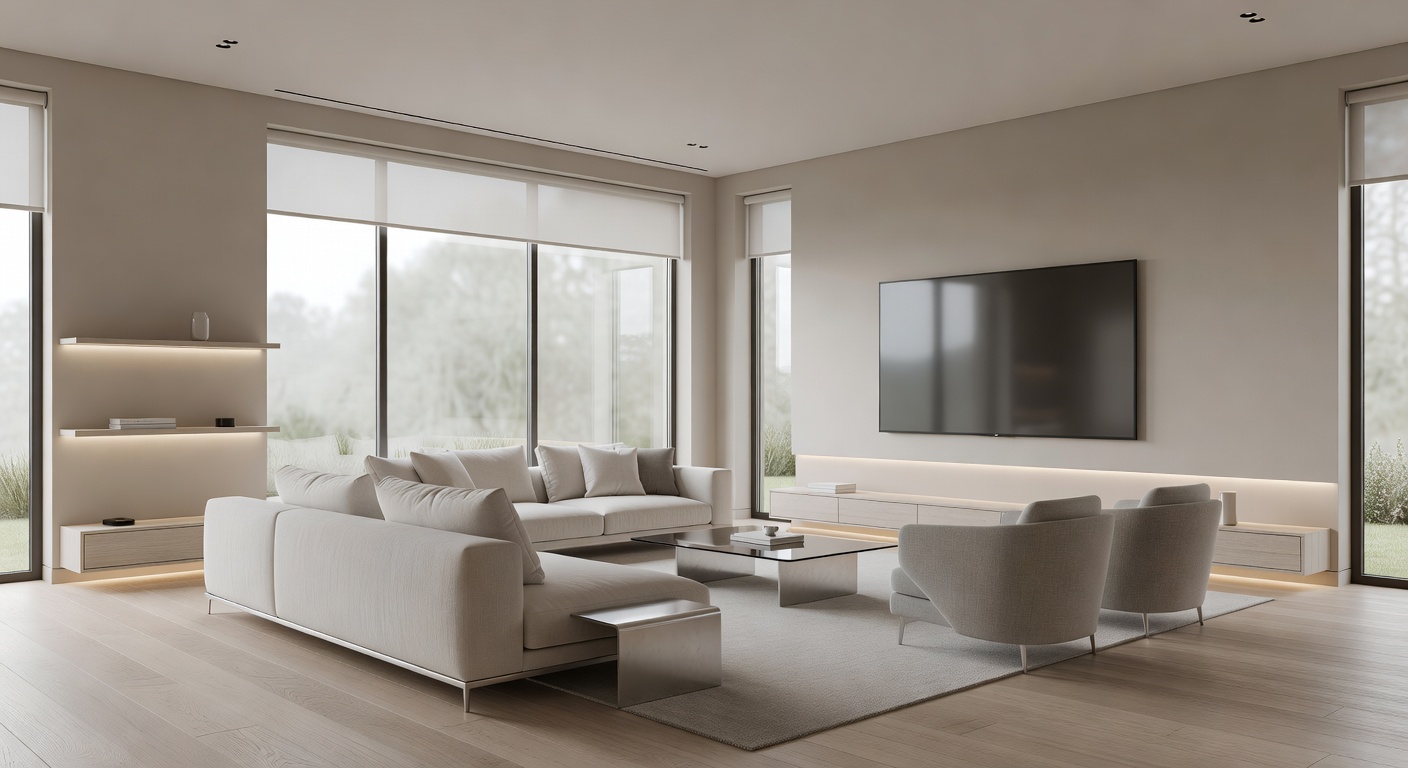
Modern homeowners in 2026 are increasingly seeking renovation projects that seamlessly merge advanced technology with stylish design. This guide provides a beginner-friendly yet comprehensive roadmap for blending smart tech into contemporary home updates without disrupting existing layouts or aesthetics. Whether you are updating a single room or tackling a whole-home refresh, understanding how to incorporate automation, sensors, and connected systems can elevate both daily convenience and long-term property value. The key lies in thoughtful planning that respects architectural integrity while introducing features like automated shading, intelligent lighting, and voice-activated controls.
Assessing Your Space for Discreet Smart Device Placement
Before any installation begins, evaluate each room's architecture, lighting conditions, and daily usage patterns. Focus on high-traffic areas like living rooms and kitchens where functionality meets visual appeal. Measure wall cavities, ceiling heights, and furniture placement to identify opportunities for hidden wiring and recessed sensors. Use a simple laser measure and smartphone apps to create digital floor plans that highlight potential device zones. Pay special attention to sightlines from seating areas, ensuring no visible hardware interrupts clean modern lines.
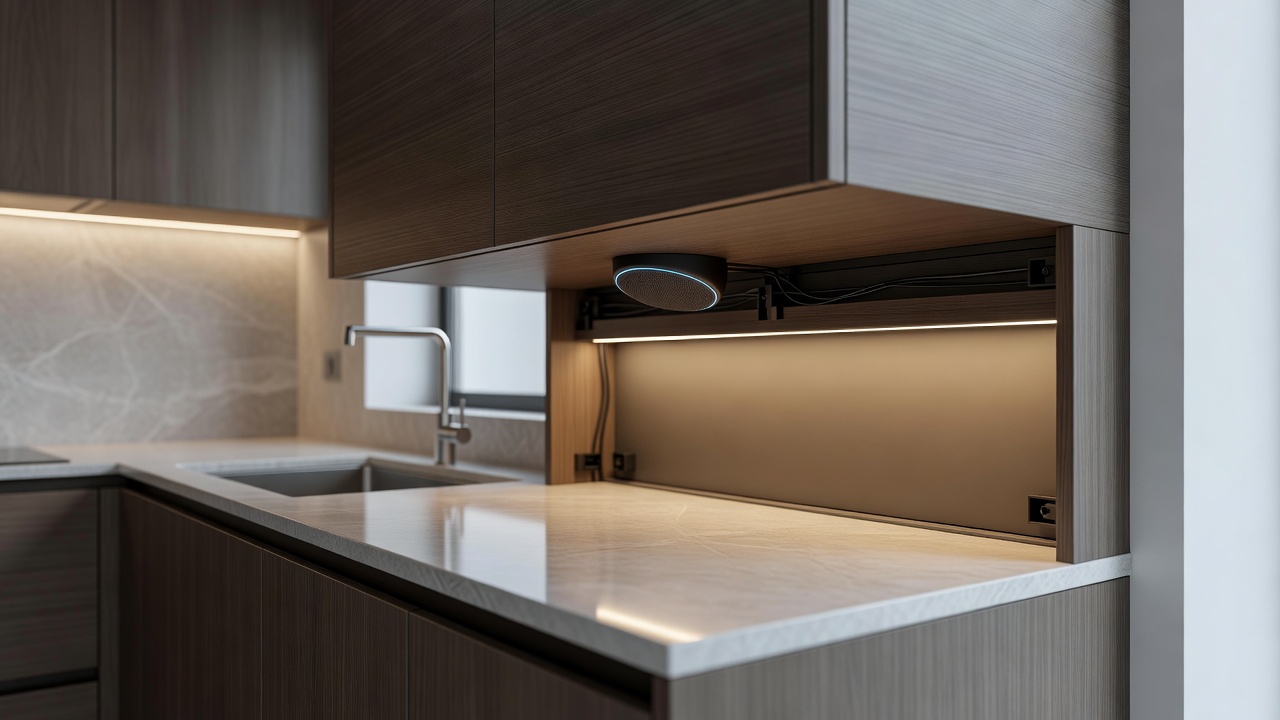
Start by mapping natural light sources and power outlets. This helps position devices such as motion detectors or automated shading motors where they remain invisible yet effective. Professional assessments often reveal that subtle modifications, like routing cables through existing baseboards or crown molding, preserve clean lines in minimalist interiors. In bedrooms, consider headboard walls for integrated charging stations and climate sensors. Kitchens offer opportunities behind cabinet panels for hub devices that manage multiple appliances. Always account for future furniture rearrangements by leaving flexible access points.
Prioritizing Key Smart Upgrades for 2026 Projects
Focus first on upgrades that deliver both convenience and visual harmony. Automated shading systems rank high because they control natural light while maintaining sleek window treatments. Voice-controlled ambiance systems allow users to adjust lighting, temperature, and music through simple commands, eliminating the need for multiple wall panels. Security integrations such as discreet cameras and smart locks provide peace of mind without compromising design.
Compare hidden versus visible installations carefully. Hidden setups, such as in-wall speakers or flush-mounted controls, offer superior design cohesion but require more upfront planning and potentially higher labor costs during renovation. Visible options like standalone smart speakers provide flexibility and easier upgrades but may clash with curated modern décor. Choose based on your renovation timeline and tolerance for future modifications. Layered systems that combine both approaches often yield the best results, starting with core hidden infrastructure and adding portable visible devices as needed.
Real-World Examples of Cohesive Tech Integration
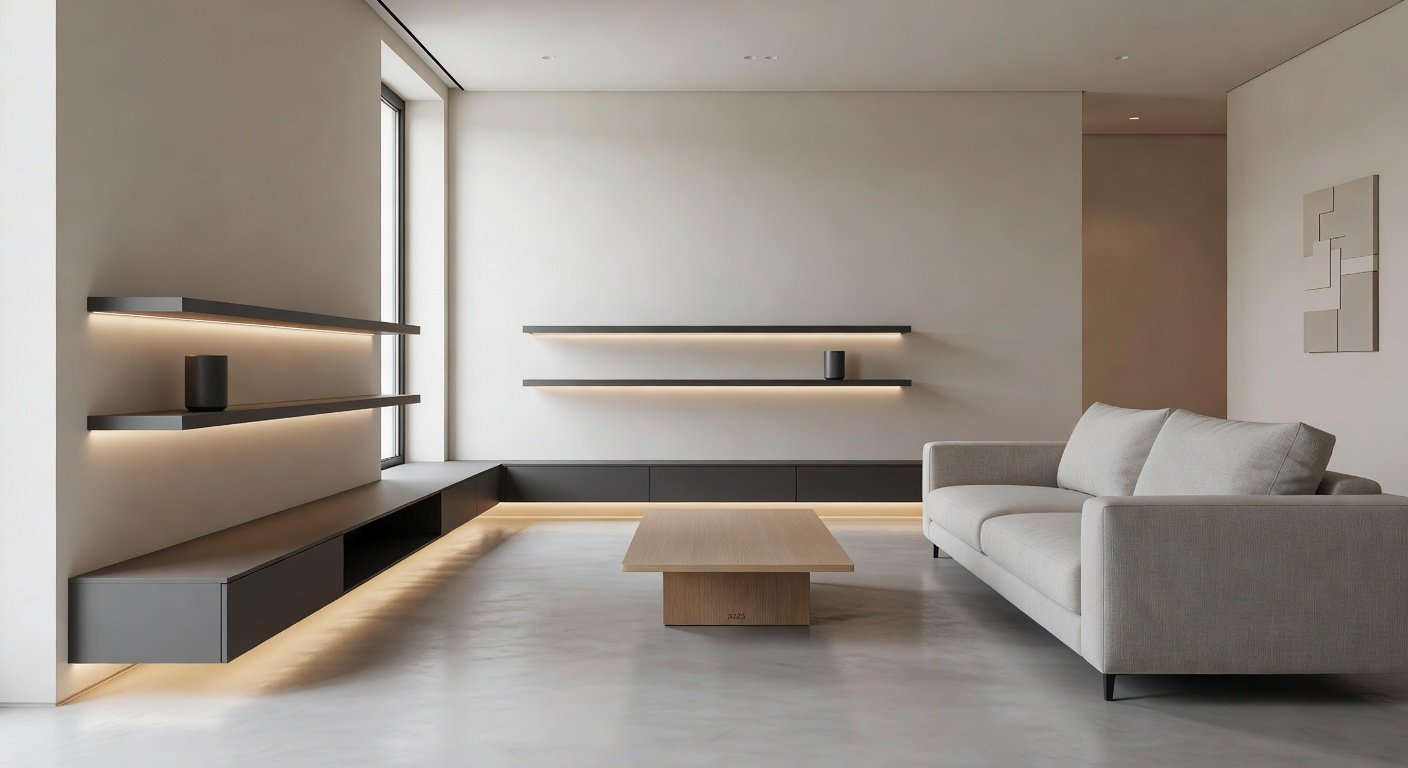
Consider a living room renovation where motorized blinds integrate directly into ceiling recesses above expansive windows. Paired with a centralized voice system mounted behind a floating media console, the space responds to commands for movie mode, daylight optimization, or evening ambiance. Sensors detect occupancy and adjust lighting levels automatically, creating an effortless environment that feels both high-tech and welcoming. In this setup, all wiring runs through existing wall chases, leaving no exposed conduits.
In kitchens, under-cabinet LED strips controlled by apps create layered lighting that enhances both task areas and overall ambiance. A voice hub discreetly placed inside a pantry manages exhaust fans, under-counter refrigeration, and even recipe displays on a hidden tablet mount. The result is a functional workspace that maintains the streamlined appearance of contemporary cabinetry and countertops.
Bedrooms benefit from smart thermostats hidden behind artwork and bedside panels that manage blackout shades plus gentle wake-up lighting sequences. These examples demonstrate how technology enhances rather than dominates contemporary design when placement and finishes are selected with care.
Step-by-Step Planning Process
- Document current room layouts and identify pain points related to lighting, climate, or security using photographs and notes.
- Research device compatibility with your preferred ecosystem, such as Matter or Zigbee standards, to avoid future integration issues.
- Consult an electrician early to plan low-voltage wiring runs that avoid structural changes and leverage existing pathways.
- Mock up designs digitally to visualize device placement before demolition begins, testing multiple configurations.
- Test prototypes in one room to refine placement, user experience, and any necessary adjustments to finishes.
- Finalize finishes that conceal hardware while allowing easy access for maintenance through removable panels or magnetic covers.
- Schedule phased installation to minimize disruption, beginning with infrastructure before adding visible or user-facing components.
- Review energy efficiency ratings and integration capabilities to ensure long-term performance and cost savings.
Common Design Pitfalls and How to Avoid Them
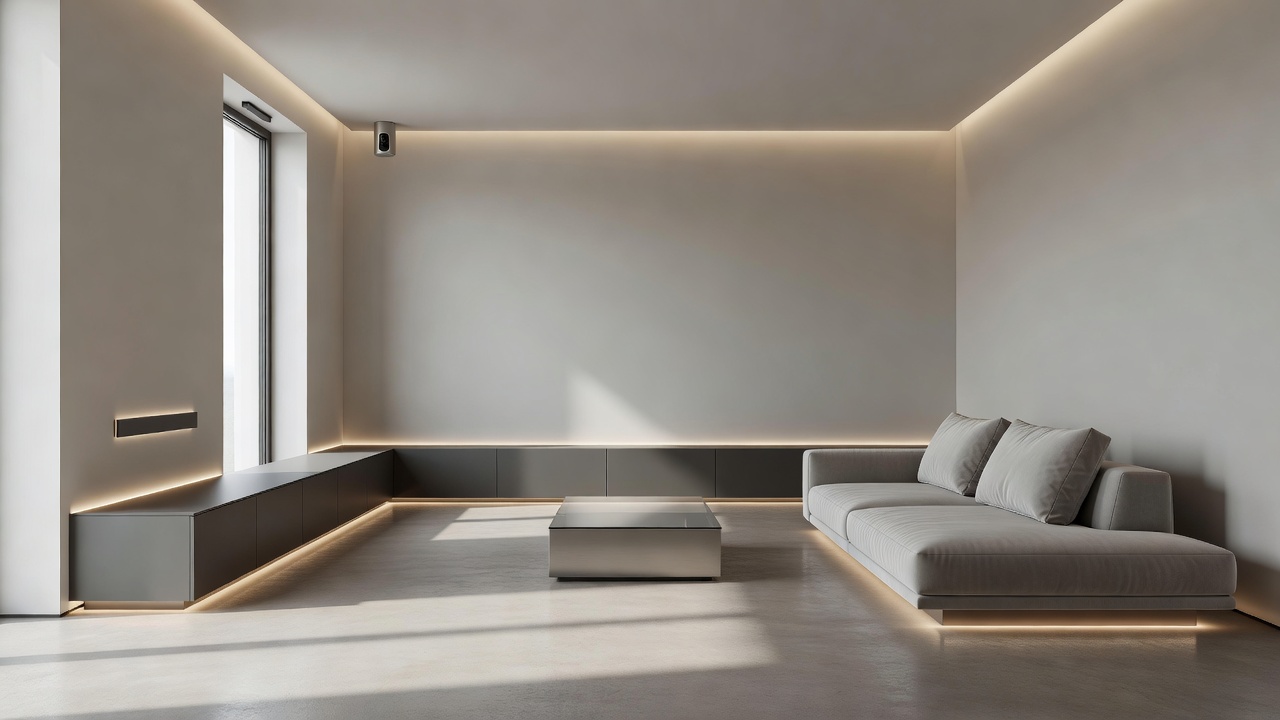
Many renovations suffer from overexposure of tech components. Avoid this by specifying matte finishes on visible sensors and aligning device colors with wall tones. Another frequent issue is poor future-proofing; always allocate extra conduit space for emerging protocols and leave room for additional sensors. Neglecting acoustics can also undermine ambiance systems—incorporate sound-dampening materials behind speakers to ensure clear voice response without echo.
Balance automation with manual overrides so guests or family members unfamiliar with the system can still operate basic functions. Over-automating small spaces can lead to unnecessary complexity; prioritize rooms where the benefits are most tangible. Finally, verify that all devices meet current safety certifications to prevent compatibility problems with building codes.
FAQ: Compatibility, Future-Proofing, and Maintenance
How do I ensure device compatibility across brands?
Select products certified under open standards like Matter. This approach reduces ecosystem lock-in and supports long-term interoperability as new devices enter the market. Always check firmware update policies before purchase.
What steps support future-proofing my renovation?
Install modular control panels and extra network cabling during the initial build phase. Regular firmware updates from manufacturers keep systems current without hardware replacement, extending the useful life of your investment.
How often is maintenance required for long-term value?
Schedule annual inspections of motors and sensors. Most automated shading systems need only occasional cleaning and software checks to maintain performance for a decade or more when properly installed.
Can smart tech work in older homes with limited wiring?
Yes, wireless mesh networks and battery-powered options allow integration without major electrical work. Focus on devices that communicate via Wi-Fi or low-energy protocols to minimize infrastructure demands.
Conclusion
Blending smart technology with modern home design in 2026 creates spaces that feel both cutting-edge and timeless. By prioritizing discreet placement, thoughtful prioritization, and careful planning, homeowners achieve renovations that enhance daily life while preserving aesthetic integrity. Explore further resources at energy.gov and nist.gov for additional guidance on efficient and secure smart home implementations that support sustainable living.
No comments yet. Be the first!