 Fixated on Home
A Real-World 2026 Sustainable Smart Home Transformation
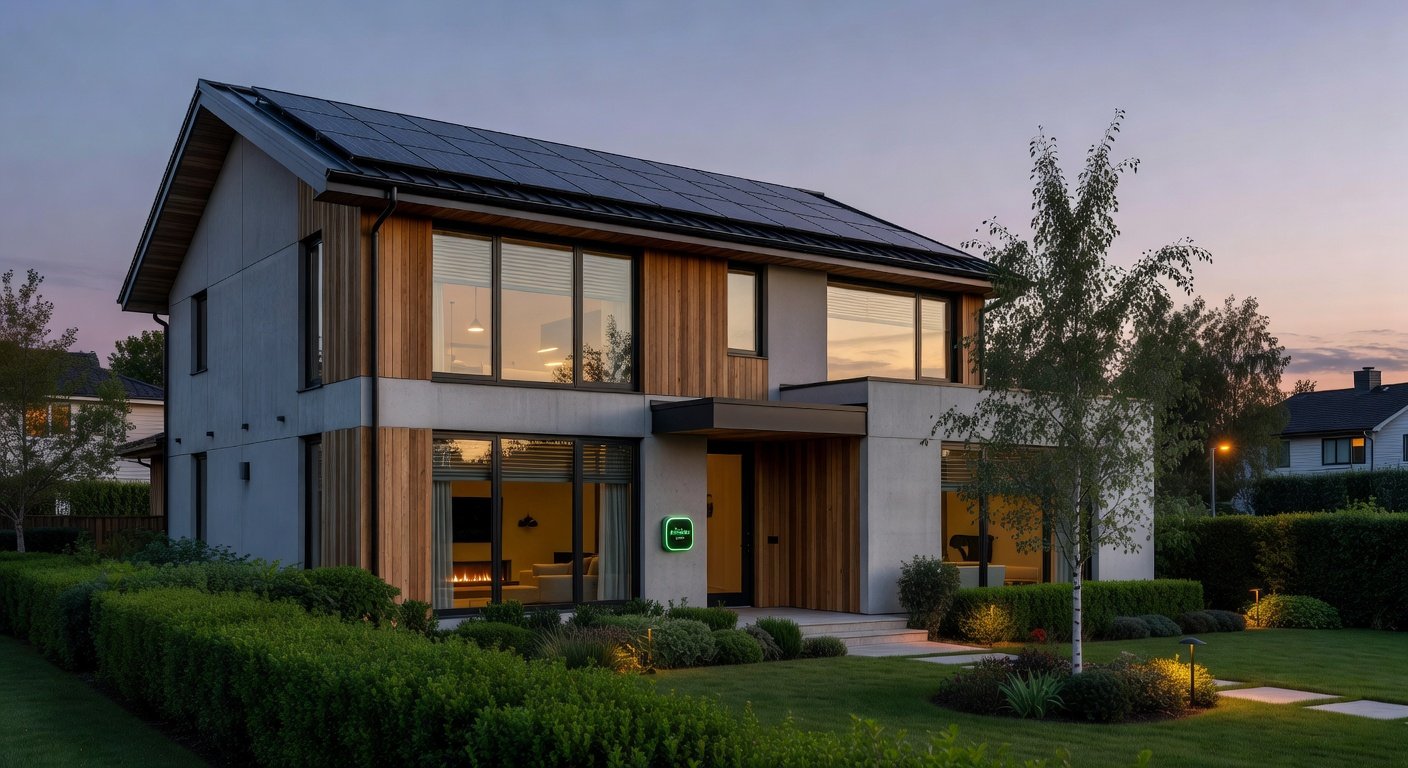
In 2026, homeowners Sarah and Mike Johnson undertook a full renovation of their 2,500 sq ft suburban home in Seattle, aiming for sustainability without sacrificing style. By integrating energy-monitoring smart plugs, automated blinds, and other eco-smart devices, they achieved a staggering 30% reduction in utility bills. This case study breaks down their journey, from seamless integration with modern design to overcoming hurdles and delivering quantifiable results.
The Johnsons' project blended minimalist aesthetics with cutting-edge tech, proving that green living can be both beautiful and cost-effective. Their pre-renovation annual utility spend was $4,200; post-upgrade, it dropped to $2,940—a savings of $1,260 yearly.
Key Sustainable Smart Devices Deployed
The core of their setup included:
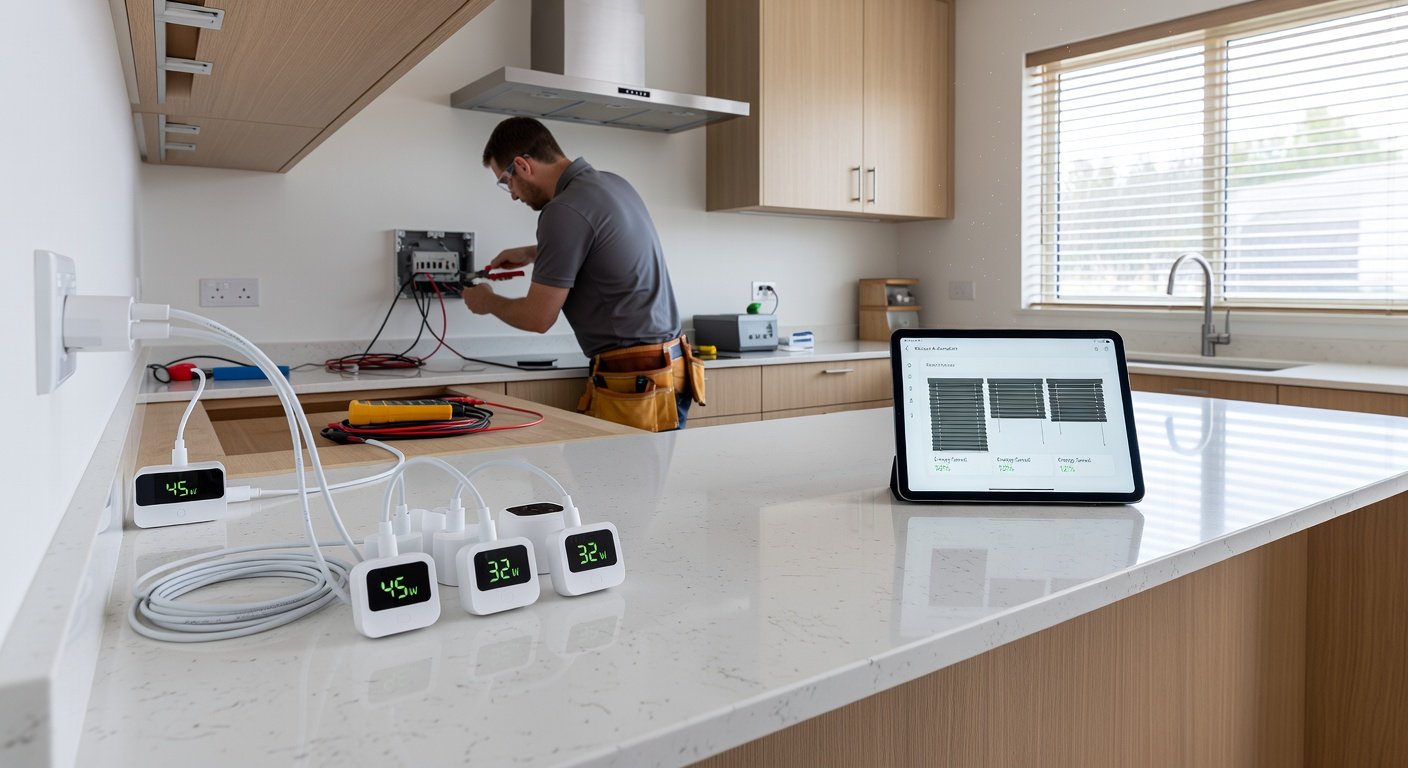
- Energy-Monitoring Plugs: Installed on high-consumption appliances like washers, dryers, and space heaters. Devices from brands like TP-Link Kasa and Emporia tracked real-time usage via apps.
- Automated Blinds: Somfy-powered motorized shades adjusted via sunlight sensors, reducing HVAC loads by optimizing natural light and insulation.
- Smart Thermostats and Ventilation: Ecobee models with air quality monitors automatically adjusted based on occupancy and weather data.
- LED Lighting with Motion Sensors: Philips Hue systems dimmed or turned off unused lights, cutting electricity by 25% in common areas.
These devices connected through a central hub like Samsung SmartThings, enabling unified control and AI-driven optimizations.
Integration with Modern Home Design Elements
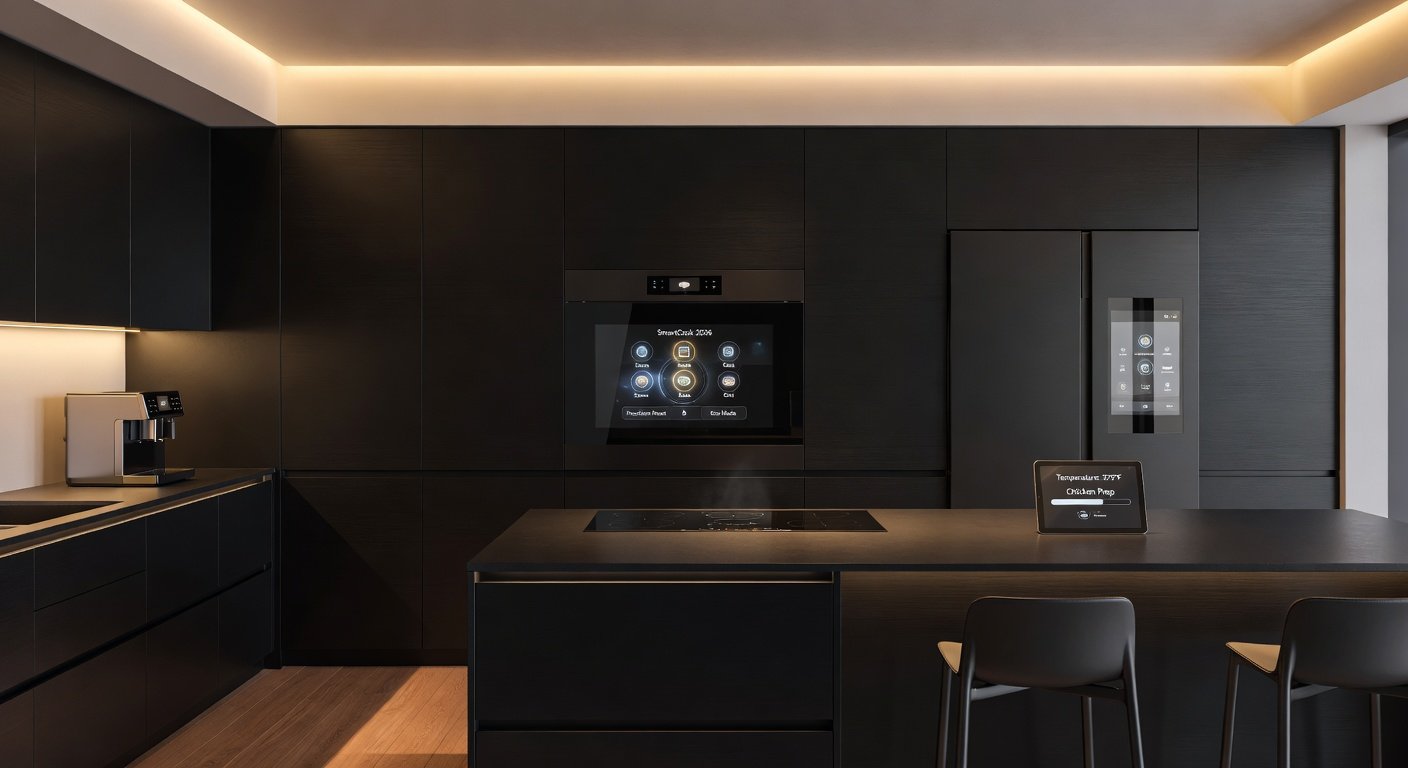
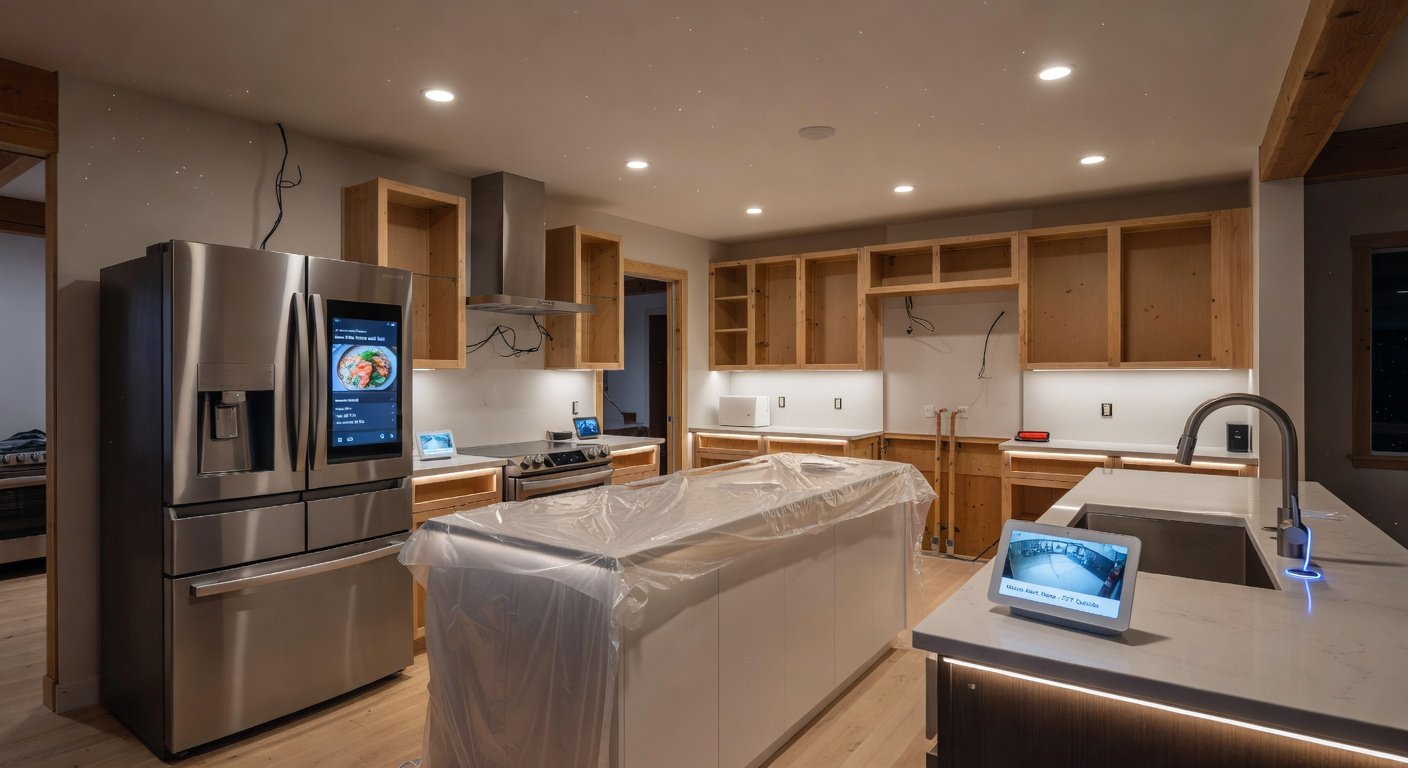
The renovation featured open-plan living spaces with sleek quartz countertops, matte black fixtures, and floor-to-ceiling windows—hallmarks of 2026's biophilic design trend. Smart devices were hidden elegantly:
- Plugs blended into custom millwork outlets.
- Blinds used invisible tracks matching walnut accents.
- Thermostats mounted as sculptural wall art with embedded displays.
Architects collaborated with smart home integrators to ensure wiring was pre-installed during framing, avoiding post-construction disruptions. Voice assistants like Alexa and Google Home were embedded in ceilings for discreet control, harmonizing with the home's neutral palette and sustainable materials like reclaimed wood and low-VOC paints.
Challenges Faced During Implementation
No project is without obstacles. The Johnsons encountered several:
- Compatibility Issues: Initial mismatches between Z-Wave plugs and Zigbee blinds required a multi-protocol hub, delaying setup by two weeks.
- Retrofit Complexity: In older sections, running Cat6 cables for reliable Wi-Fi was labor-intensive, costing an extra $2,000.
- Data Privacy Concerns: They mitigated this with local processing hubs to keep usage data off-cloud servers.
- Upfront Costs: $8,500 total for devices, offset by rebates from local utilities and a 2-year ROI via savings.
Professional installation via certified technicians from ENERGY STAR partners ensured compliance and efficiency.
Measurable Outcomes and Long-Term Impact
Three months post-install, results were impressive:
- Utility Savings: 30% overall—electricity down 35%, gas 25%—verified by utility bills and app dashboards.
- Energy Efficiency: Home energy score jumped from 65 to 92 on the U.S. Department of Energy scale.
- Comfort Gains: Indoor temps stabilized at 72°F, reducing manual adjustments.
- Environmental Wins: CO2 emissions cut by 1.2 tons annually, per integrated carbon trackers.
One year in, savings compounded with software updates enabling predictive load balancing, further optimizing usage during peak hours.
Tips to Replicate These Eco-Friendly Smart Upgrades
Ready to green your renovation? Follow these steps:
1. Assess and Plan
Audit your current usage with a free energy monitor. Prioritize high-impact areas like lighting (20% of bills) and HVAC (40%). Budget 10-15% of reno costs for smart tech.
2. Choose Compatible Devices
Opt for Matter-certified gadgets for future-proofing. Start small: plugs ($20 each) yield quick wins. Check IEA reports for global efficiency benchmarks.
3. Integrate Seamlessly
Work with designers early. Use recessed hubs and app-controlled RGB strips for ambiance without clutter.
4. Overcome Common Pitfalls
- Test interoperability in a demo room.
- Secure networks with VPNs and guest Wi-Fi.
- Claim incentives via ENERGY STAR rebates.
5. Monitor and Optimize
Use apps for weekly reports. Set automations like 'eco-mode' for vacations, potentially saving another 10%.
DIY-ers can start with plug-and-play options; full renos benefit from pros. The Johnsons' success shows sustainable smart homes aren't futuristic—they're now, delivering ROI, comfort, and planet-friendly living.
No comments yet. Be the first!