 Fixated on Home
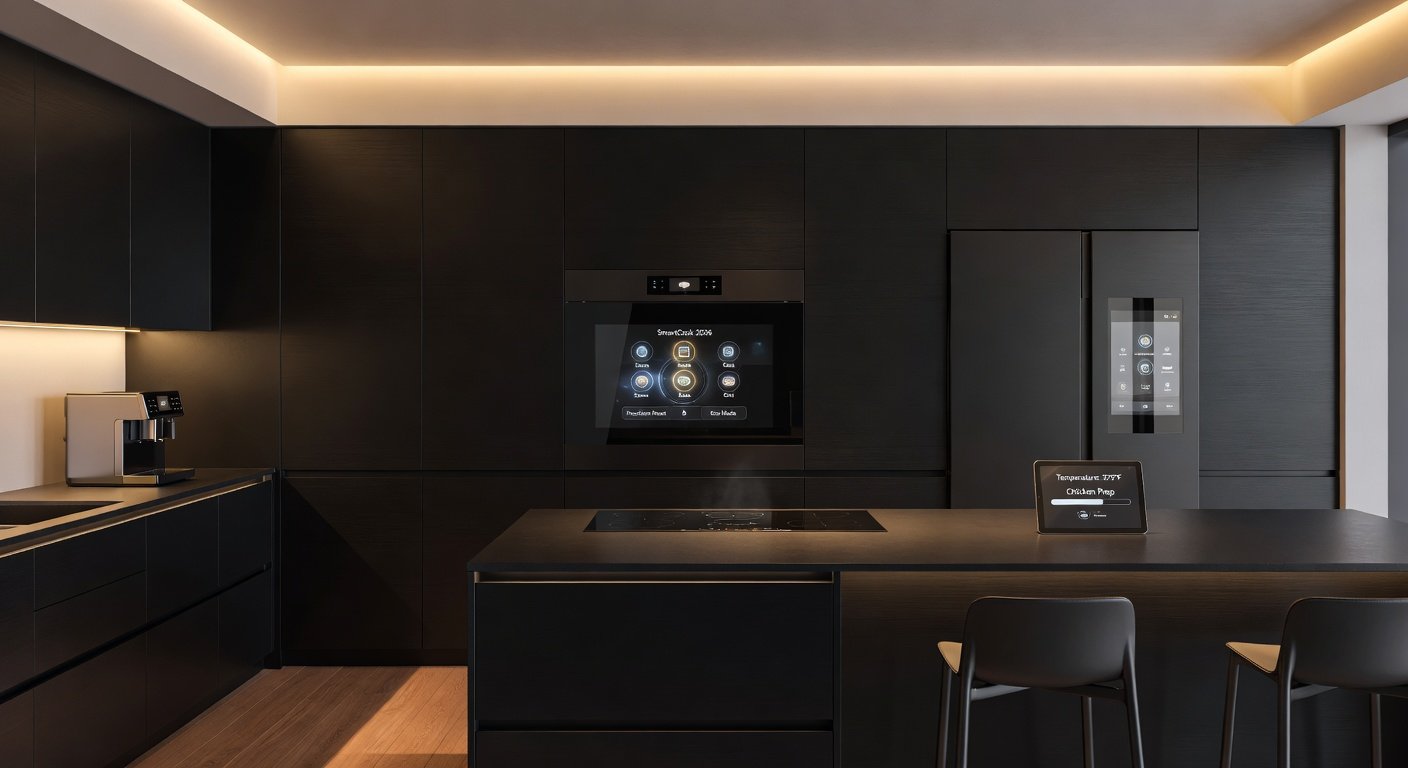
Introduction to Smart Ovens in 2026 Kitchen Revolutions
In 2026, kitchen renovations are no longer just about aesthetics—they're about intelligence, efficiency, and seamless connectivity. As homes evolve into smart ecosystems, the oven stands at the heart of this transformation. Traditional ovens have served us well for decades, but smart ovens bring app-controlled precision, recipe-guided cooking, and energy optimization that align perfectly with modern lifestyles. Whether you're planning a full kitchen overhaul or a targeted upgrade, understanding the differences between smart ovens and their traditional counterparts is key to future-proofing your space.
This comprehensive guide dives deep into the comparison, highlighting why smart ovens are poised to dominate 2026 renovations. We'll cover standout features, cost savings, design integration tips, and practical upgrade steps. By the end, you'll have the knowledge to decide if a smart oven is your next kitchen hero.
What Makes a Smart Oven 'Smart' in 2026?
Smart ovens aren't just Wi-Fi-enabled appliances; they're AI-powered cooking powerhouses. Equipped with cameras, sensors, and cloud connectivity, they learn your preferences and execute recipes with chef-like accuracy. Leading models from brands like June, Tovala, and Anova integrate voice assistants such as Alexa, Google Home, and Apple HomeKit.
Core features include:
- Remote App Control: Preheat, monitor, and adjust from your phone—perfect for busy families.
- Recipe Integration: Scan barcodes or import from apps like Yummly for guided cooking.
- AI Vision and Probes: Cameras detect doneness; probes ensure perfect internal temperatures.
- Voice Commands: "Hey Siri, bake cookies at 350°F."
- Self-Cleaning and Maintenance Alerts: Reduces upkeep time significantly.
By 2026, Matter compatibility ensures interoperability across brands, making these ovens true smart home hubs. For energy efficiency benchmarks, check resources from ENERGY STAR.
Smart Ovens vs. Traditional Ovens: A Detailed Comparison
Let's break it down side-by-side to see why smart ovens are surging in popularity for renovations.
Cooking Precision and Results
Traditional ovens rely on manual timers and guesswork, often leading to overcooked roasts or underdone cakes. Smart ovens use multi-sensors and algorithms for pinpoint accuracy—think 1°F precision and real-time adjustments. In tests, smart models reduce cooking errors by up to 40%.
Energy Efficiency
Traditional ovens guzzle energy with constant preheating. Smart ones optimize cycles, preheat faster, and even suggest eco-modes. Expect 20-30% savings on bills, especially in larger households. The U.S. Department of Energy highlights how efficient appliances cut costs at energy.gov.
User Experience
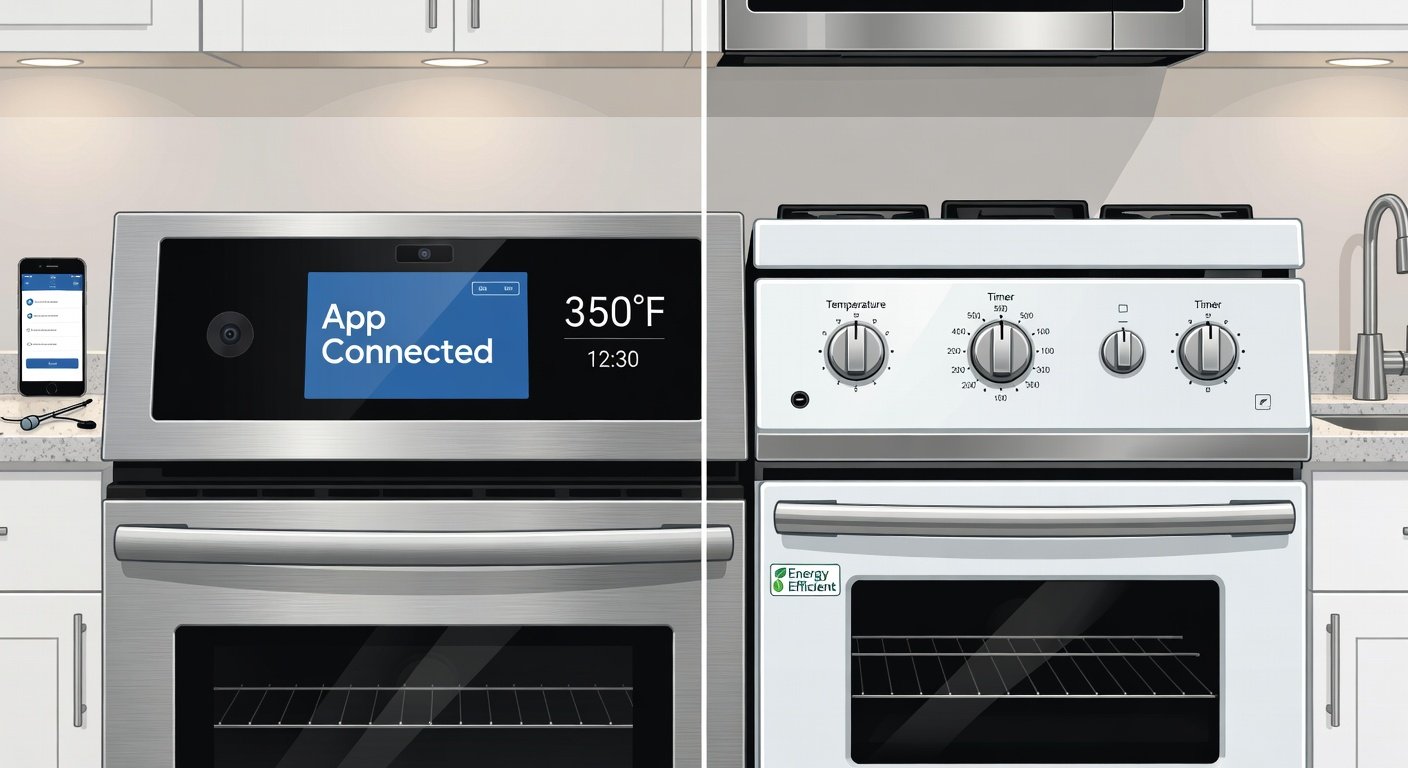
Traditional: Knobs and dials. Smart: Intuitive apps with video feeds, notifications, and family sharing. No more "Is dinner ready?" texts—get live updates.
Size and Versatility
Wall ovens in both categories fit standard cutouts (24-30 inches wide), but smart models often double as air fryers, dehydrators, or combi-steam units.
| Feature | Smart Oven | Traditional Oven |
|---|---|---|
| Control Method | App/Voice | Manual Knobs |
| Energy Use | 20-30% Less | Standard |
| Monitoring | Camera/Probes | None |
| Price Range | $1,500-$5,000 | $800-$2,500 |
Energy Savings and Long-Term Cost Benefits
Initial costs for smart ovens run higher ($1,500+ vs. $800 for traditional), but ROI is swift. Annual energy savings of $50-100 per household add up, per Consumer Reports data available at consumerreports.org. Plus, precision reduces food waste—saving another $200 yearly on groceries. Over 10 years, smart ovens pay for themselves while boosting home value by 5-7% in tech-savvy markets.
Seamless Kitchen Design Integration Tips
For 2026 renovations, integrate smart ovens without disrupting flow:
- Cabinetry Matching: Choose panel-ready models that blend with shaker or flat-panel fronts.
- Ergonomic Placement: Install at waist height for easy access; pair with induction cooktops.
- Lighting and Ventilation: Add under-cabinet LEDs and smart hoods that sync via app.
- Minimalist Aesthetics: Handle-less designs in matte black or stainless steel for modern vibes.
- Zone Workflows: Position near prep islands for efficient meal prep.
Pro Tip: Use matte finishes to hide fingerprints from frequent touching.
Step-by-Step Guide to Upgrading Your Oven
Ready to swap? Follow this renovation roadmap:
- Assess Your Space: Measure cutout (typically 30"W x 28"H x 24"D). Check electrical (240V outlet needed).
- Choose Your Model: Prioritize Matter-certified for 2026-proofing. Compare via reviews.
- Prep the Site: Shut off power; remove old unit. Update wiring if needed (hire electrician).
- Install: Slide in, secure, connect Wi-Fi via app. Test functions.
- Integrate Smart Home: Link to hub; set routines like "Dinner Mode."
- Customize: Input family recipes; calibrate probes.
DIY-friendly for handy homeowners; pros charge $200-500 for install.
Compatibility with Other Smart Appliances
Smart ovens shine in ecosystems. Pair with:
- Smart Fridges: Auto-sync ingredient scans for recipe suggestions.
- Voice Hubs: Seamless control via Alexa routines.
- Connected Cookware: Probes link to pans for whole-meal automation.
- Security Cams: Monitor kitchen remotely.
By 2026, universal standards like Matter eliminate silos, per industry updates.
Common Mistakes to Avoid in Smart Oven Upgrades
Don't overlook these pitfalls:
- Ignoring Wi-Fi strength—opt for 5GHz routers.
- Skipping ventilation upgrades—steam functions need strong exhaust.
- Overlooking subscription fees (some apps charge $5-10/month).
- Not future-proofing electrics for 240V.
- Forgetting data privacy—review app permissions.
Conclusion: Upgrade to Smart for a Smarter 2026 Kitchen
Smart ovens vs. traditional? The verdict is clear: for precision, savings, and integration, smart wins in 2026 renovations. They transform cooking from chore to joy, while slashing energy use and enhancing home value. Start planning your upgrade today—your future self (and family) will thank you. With the right design tips and steps, your kitchen becomes a high-tech haven.
No comments yet. Be the first!