 Fixated on Home
Introduction to Smart Acoustic Panels in Modern Homes
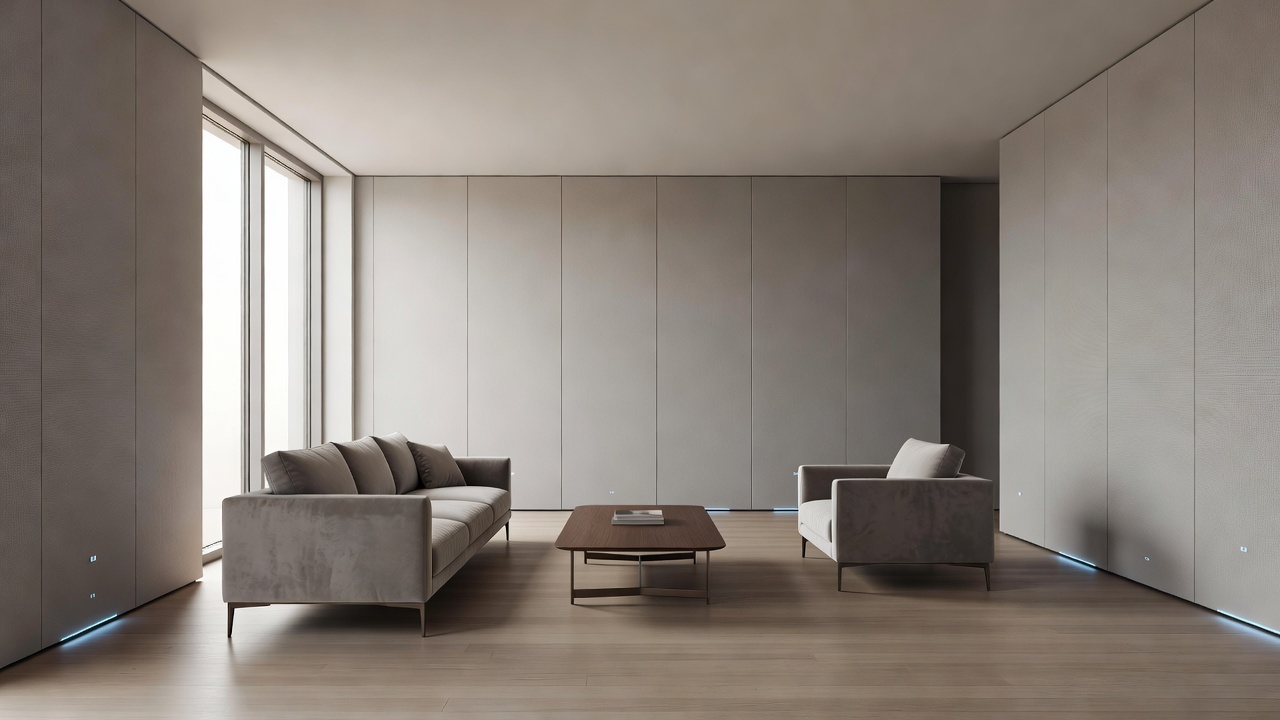
Open-concept living has become a hallmark of contemporary home design, yet it often brings unwanted noise challenges that disrupt daily comfort. Smart acoustic panels represent a cutting-edge solution that merges traditional sound absorption with advanced IoT connectivity. These panels help homeowners achieve quieter, more comfortable spaces in 2026 renovations by integrating seamlessly into smart home ecosystems. They address common issues in open layouts where sound travels freely between kitchens, living areas, and workspaces.
As families seek greater comfort without sacrificing style, these innovative panels stand out for their ability to reduce echo, block external sounds, and respond to automated controls. This guide explores their benefits in depth, providing practical advice for anyone planning a home upgrade. By understanding the technology, homeowners can make informed decisions that enhance both acoustics and overall home intelligence.
Understanding Different Types of Smart Acoustic Panels
Smart acoustic panels come in several varieties tailored to specific needs and room functions. Fabric-wrapped panels offer aesthetic versatility and strong mid-frequency absorption, making them ideal for living rooms and family spaces. Perforated wood or metal designs excel at low-frequency control in home theaters or music rooms where bass-heavy sounds are common. Foam-based options with embedded sensors provide lightweight solutions for ceilings and walls in smaller apartments.
Each type incorporates sensors and connectivity modules that allow real-time monitoring of sound levels through companion mobile apps. Homeowners can choose modular systems that expand as renovation projects grow, ensuring flexibility for future-proof designs. Some advanced models feature adjustable absorption levels controlled remotely, adapting to different activities like movie nights or quiet reading sessions.
Step-by-Step Installation Guide
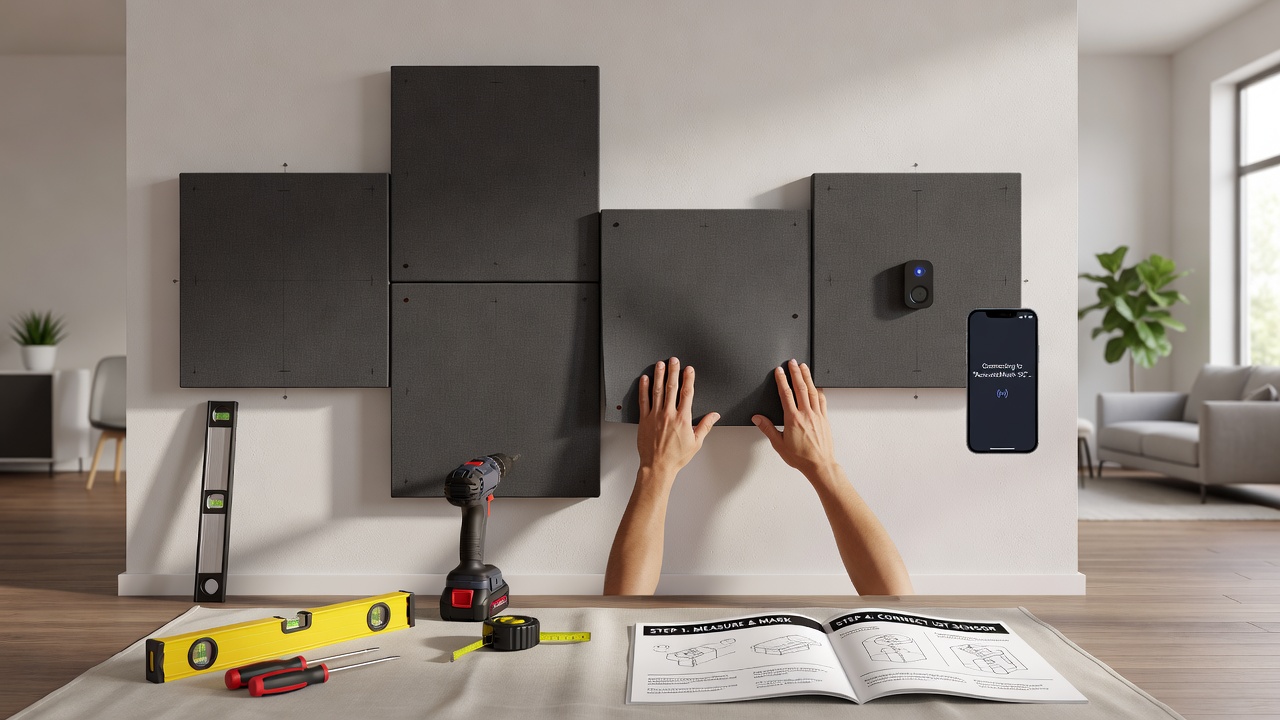
Installing smart acoustic panels requires careful planning to maximize effectiveness. Begin by assessing room acoustics using a smartphone app that measures decibel levels and identifies problem areas. Map out panel placement on walls or ceilings, focusing on first reflection points and high-traffic noise zones.
Next, prepare surfaces by cleaning walls and marking precise positions with a level for alignment. Mount the panels using adhesive strips, hidden brackets, or magnetic systems for a clean, professional finish. Connect the IoT modules to your home Wi-Fi network following manufacturer instructions, ensuring secure pairing with your existing router.
Finally, calibrate the system through the companion app to optimize performance based on room measurements. Test the panels by playing various sound sources and adjusting settings accordingly. Professional installation is recommended for complex setups involving electrical integration or multi-room configurations, though many DIY enthusiasts complete basic projects successfully with basic tools like drills and measuring tapes.
Comparing Smart Panels to Traditional Insulation
Traditional insulation materials like fiberglass or cellulose focus primarily on thermal performance and basic sound dampening. In contrast, smart acoustic panels deliver targeted sound management across a wider frequency range alongside optional thermal benefits. They outperform basic foam in frequency-specific absorption while adding automation features absent from older methods.
Long-term, smart panels reduce the need for multiple separate upgrades, making them more efficient for comprehensive renovations. Their modular nature also allows easier removal or repositioning compared to permanent insulation installations. For homeowners prioritizing both acoustics and smart features, these panels provide superior versatility and measurable improvements in sound quality.
IoT Integration and Voice Assistant Compatibility
Modern smart panels connect directly with popular voice assistants such as Amazon Alexa and Google Assistant. Users can issue commands to adjust panel settings, schedule sound-dampening modes, or receive alerts about unusual noise patterns detected by built-in sensors. This integration extends to broader smart home hubs, enabling scenarios where panels activate automatically when entertainment systems turn on or when motion is detected in adjacent rooms.
Compatibility with platforms like Apple HomeKit further expands options for unified control. Homeowners report improved daily routines when panels sync with lighting and HVAC systems, creating seamless environments tailored to specific times of day. Always verify compatibility lists before purchase to ensure smooth operation within your existing setup.
Energy-Efficient Features for Sustainable Homes
Many smart acoustic panels include low-power sensors and energy-harvesting capabilities that minimize electricity consumption. Some models sync with home energy management systems to operate only during peak noise periods, supporting overall sustainability goals promoted by organizations such as the U.S. Department of Energy. By improving indoor acoustics without heavy reliance on mechanical systems like white-noise machines, these panels contribute to lower household energy use.
Homeowners interested in green renovations will appreciate their alignment with eco-friendly building standards. Features like automatic standby modes and solar-assisted charging options further enhance their environmental profile, making them suitable additions to energy-conscious 2026 designs.
Real-World Examples and Practical Applications
In a suburban family home renovation, smart panels installed in an open kitchen-living area successfully reduced appliance noise spillover into relaxation zones, allowing clearer conversations during meal prep. Another example involves a city apartment where ceiling-mounted panels with IoT controls helped manage neighbor sounds while integrating with lighting automation for evening wind-down routines.
Commercial applications, such as home offices in converted basements, demonstrate how panels maintain focus during video calls by minimizing external distractions. These cases illustrate adaptability across varied environments, from compact urban dwellings to spacious suburban layouts, highlighting the technology's role in personalized comfort solutions.
Mistakes to Avoid During Selection and Installation
Common pitfalls include overlooking room-specific acoustics, leading to uneven sound absorption. Always conduct preliminary measurements rather than relying on visual estimates alone. Another frequent error is neglecting future scalability; choose systems that support additional panels without full rewiring.
Improper Wi-Fi placement can cause connectivity issues, so position routers centrally. Finally, ignoring maintenance needs may reduce long-term performance, so schedule regular app updates and surface cleaning as part of your home care routine.
Frequently Asked Questions
- How do smart panels handle different room sizes? Modular designs allow customization for small bedrooms or large open-plan areas through scalable configurations.
- Are they compatible with existing smart home setups? Most integrate via standard protocols like Zigbee or Wi-Fi, though checking device lists ensures seamless operation.
- What maintenance is required? Occasional dusting and firmware updates keep systems performing optimally without extensive effort.
- Can they improve energy efficiency? Yes, through reduced reliance on auxiliary noise-masking devices and smart scheduling features.
- Do they work in humid environments like bathrooms? Select moisture-resistant models designed for such spaces to maintain effectiveness and longevity.
Future Trends in Smart Acoustic Technology for 2026
Emerging developments include AI-driven sound analysis that predicts and adapts to household patterns automatically. Integration with broader building management systems is expected to grow, aligning with guidelines from resources like the U.S. Environmental Protection Agency on indoor environmental quality. These advancements promise even greater personalization and efficiency in upcoming home designs.
Conclusion
Smart acoustic panels offer a forward-thinking approach to noise management in 2026 home designs. By combining effective sound control with IoT capabilities, they deliver both immediate comfort and long-term adaptability. Homeowners ready to enhance their living spaces should evaluate these solutions as part of comprehensive renovation plans for quieter, smarter environments.


No comments yet. Be the first!