 Fixated on Home
Introduction to Smart Scent Systems in Modern Homes
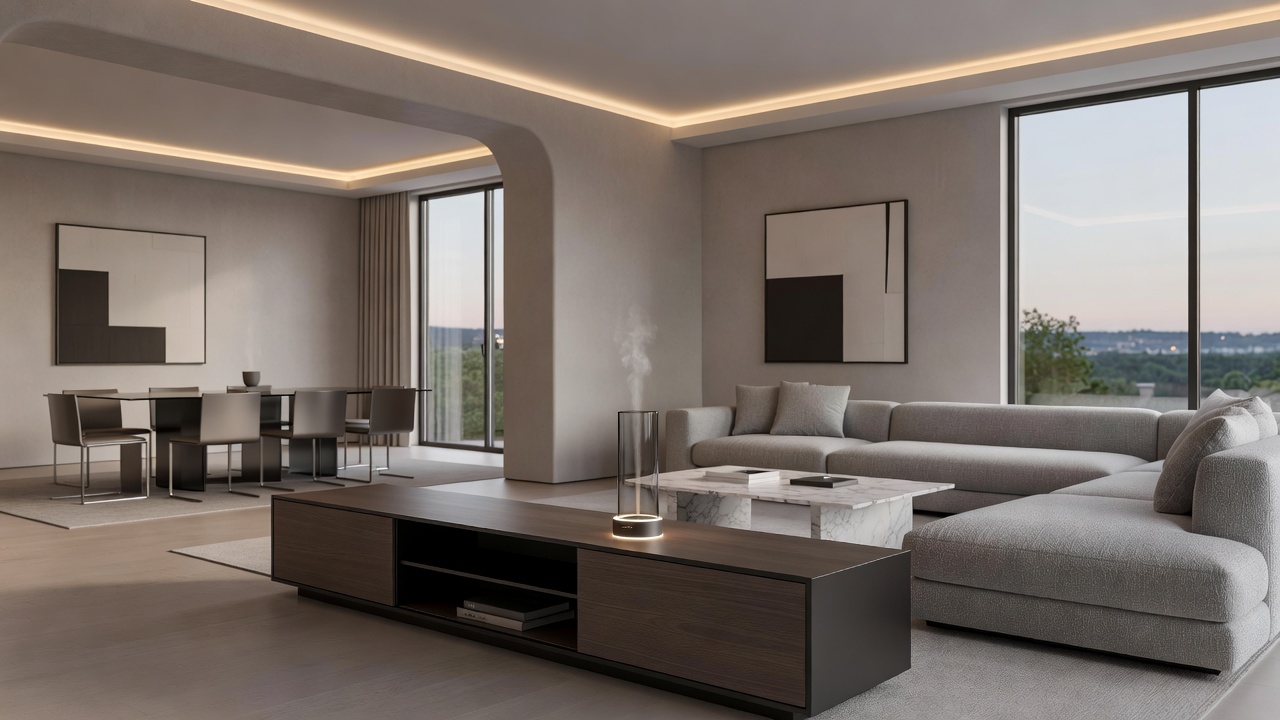
In 2026, homeowners are moving beyond traditional smart home features like lighting and audio to embrace sensory upgrades that engage the sense of smell. Smart scent diffusion systems offer a sophisticated way to enhance living spaces with personalized aromas, creating moods tailored to seasons, activities, or personal preferences. These systems integrate seamlessly into renovations, providing a novel layer to open-concept designs and existing smart ecosystems. Unlike visual upgrades such as smart lighting or auditory additions like whole-home audio, scent technology adds an invisible yet powerful dimension that influences mood, focus, and relaxation on a subconscious level.
This guide explores practical integration strategies for smart scent technology, focusing on compatibility, strategic placement, customization features, and efficiency considerations. Whether updating a new build or refreshing an older property, these systems deliver subtle yet impactful improvements to daily living. Homeowners seeking unique sensory enhancements will find detailed advice on selecting devices that complement their existing setups while addressing common challenges like airflow in large spaces and integration with voice assistants.
Benefits of Adding Scent Technology to Your Smart Home
Integrating scent systems goes beyond luxury; it supports well-being by potentially reducing stress and improving air quality perception. Research from health organizations highlights how controlled aromas can influence emotional states, making them ideal for modern renovations aimed at holistic living. For example, lavender blends can promote better sleep in bedrooms, while citrus notes energize home offices during work hours. These benefits compound when the system syncs with other smart devices, such as adjusting scents based on occupancy detected by motion sensors.
Additionally, energy-efficient models help maintain lower utility usage compared to traditional plug-in fresheners. By choosing systems with programmable timers, users avoid continuous operation and align diffusion with actual presence in the home. This approach not only enhances comfort but also contributes to sustainable home design practices.
Selecting Compatible Smart Scent Devices
Choosing the right device begins with assessing compatibility with popular smart home platforms such as Apple HomeKit, Google Home, and Amazon Alexa. Look for models that support Wi-Fi connectivity and voice control for hands-free operation. Key factors include diffusion method—ultrasonic, nebulizing, or evaporative—and reservoir capacity to match room sizes in open layouts. Ultrasonic devices excel in smaller zones for fine mist output, while nebulizing options handle larger volumes without water dilution, preserving essential oil potency.
Compare options based on noise levels, app integration depth, and material quality for long-term durability. Prioritize devices with modular designs that allow expansion as your smart ecosystem grows. Homeowners should evaluate cartridge systems for ease of refilling versus built-in reservoirs, and consider allergen-free certifications when selecting oils. Testing multiple units in-store or via return policies ensures the chosen model fits specific room acoustics and decor styles.
Placement Strategies for Open-Concept Spaces
Effective placement ensures even scent distribution without overwhelming any area. In open-concept homes, position units near HVAC returns or in central zones to leverage natural air circulation. Avoid direct sunlight or high-traffic spots that could affect performance. For multi-level homes, install one primary unit on the main floor and secondary units in bedrooms or offices. Test airflow patterns during installation to optimize coverage across connected spaces.
Consider zoning strategies where different areas receive tailored scents simultaneously. For instance, place a unit in the kitchen for fresh, clean aromas during meal prep and another in the living area for calming evening blends. Wall-mounted options save floor space in compact renovations, while freestanding units offer flexibility for seasonal repositioning. Always account for furniture placement and pet activity zones to prevent accidental interference.
App-Based Customization for Moods and Seasons
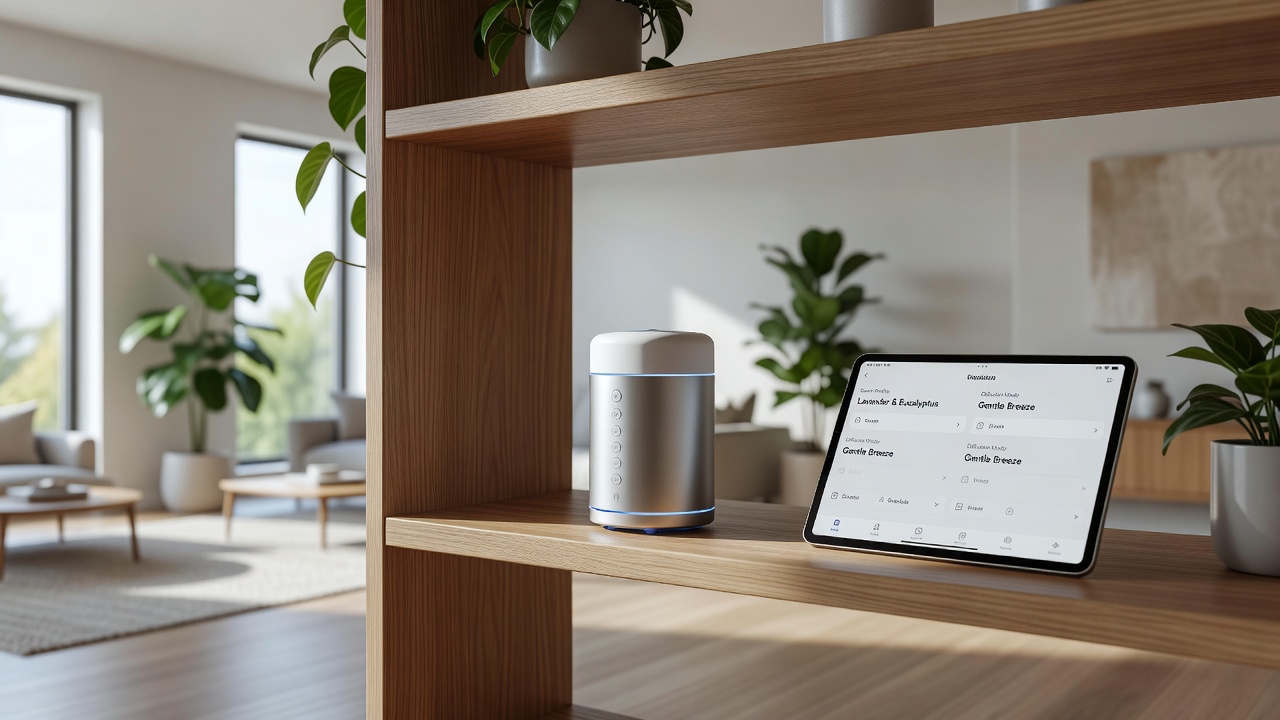
Modern apps enable precise control over scent intensity, scheduling, and blending. Users can create profiles for morning energizing blends, evening relaxation scents, or seasonal themes like fresh citrus in summer. Integration with weather APIs allows automatic adjustments based on outdoor conditions. Scheduling features let homeowners set recurring routines, such as boosting invigorating peppermint during weekday mornings or switching to warm vanilla notes for weekend gatherings.
Advanced customization includes geofencing for scent activation upon returning home and voice commands for instant changes. This level of control transforms the home into a responsive sensory environment. Many apps also provide usage analytics, helping users refine preferences over time and track cartridge consumption for better planning. Experiment with layering multiple scents through compatible multi-cartridge devices to craft signature home fragrances unique to each season.
Step-by-Step Installation Examples
Begin by mapping your home's smart network and identifying power sources. Mount the unit using included hardware or adhesive options for non-permanent setups. Connect via the manufacturer's app, then link to your primary smart hub. Detailed examples include installing a ceiling-recessed model in a living room by first cutting a precise opening aligned with existing ductwork, followed by wiring to a nearby outlet controlled by a smart switch.
- Power on the device and ensure stable Wi-Fi connection.
- Calibrate sensors for room size detection where available.
- Upload custom scent cartridges and program initial schedules.
- Test integration with other devices like smart lights for synchronized experiences.
- Run a full-cycle test to confirm even distribution and adjust intensity settings accordingly.
Professional installation is recommended for hardwired models to maintain warranty coverage and ensure safety compliance. For renters or temporary upgrades, portable wireless units provide similar functionality with minimal tools required, often completing setup in under thirty minutes.
Energy-Efficient Models and Comparisons
Energy efficiency remains a priority in 2026 models, with many featuring low-wattage operation and sleep modes. Compare ultrasonic units for quiet performance against nebulizing options for stronger diffusion in larger areas. Look for Energy Star certified variants to minimize environmental impact. Visit the U.S. Department of Energy for guidance on selecting efficient home appliances that align with broader renovation goals.
Popular choices include modular systems from established brands that emphasize refillable cartridges over disposable ones, reducing waste. Review user reports on longevity and maintenance needs before purchase. Side-by-side comparisons often reveal that hybrid models combining ultrasonic and fan-assisted diffusion offer the best balance for open spaces, delivering consistent output with lower power draw during peak usage periods.
Common Mistakes to Avoid During Integration
One frequent error is overlooking airflow dynamics, leading to uneven scent coverage in open layouts. Another involves neglecting software updates, which can cause compatibility issues with evolving smart home hubs. Always verify oil compatibility to prevent device damage, and avoid placing units too close to windows where temperature fluctuations degrade performance. Testing the full system before finalizing renovations prevents costly adjustments later.
Maintenance and Long-Term Care Tips
Regular upkeep ensures optimal function and extends device lifespan. Clean diffusion chambers monthly with manufacturer-recommended solutions, and replace filters as indicated. Monitor cartridge levels through app notifications to avoid interruptions. In regions with hard water, use distilled options where applicable to prevent mineral buildup. These practices keep systems running efficiently year-round.
FAQ: Addressing Integration Challenges
- How do these systems work with existing HVAC? Most units operate independently but can sync via smart thermostats for coordinated air quality management. Learn more from the EPA on indoor air quality.
- What about allergy concerns? Opt for hypoallergenic essential oil options and ensure proper ventilation as recommended by health authorities. Check WHO resources on environmental health.
- Can I retrofit into older homes? Yes, wireless models minimize wiring needs and integrate easily with basic smart hubs.
- Maintenance requirements? Regular cleaning of diffusers and timely cartridge replacement keep systems performing optimally.
- Are there multi-room control options? Many 2026 systems support centralized apps for managing multiple units across the property simultaneously.
Conclusion
Smart scent diffusion systems represent an exciting frontier in sensory home design for 2026. By focusing on compatibility, thoughtful placement, and efficient operation, homeowners can create immersive environments that elevate everyday experiences. This upgrade complements visual and auditory technologies, delivering a truly holistic smart living space that adapts to individual needs and seasonal changes.

No comments yet. Be the first!