 Fixated on Home
Introduction to Smart Flooring in 2026 Renovations
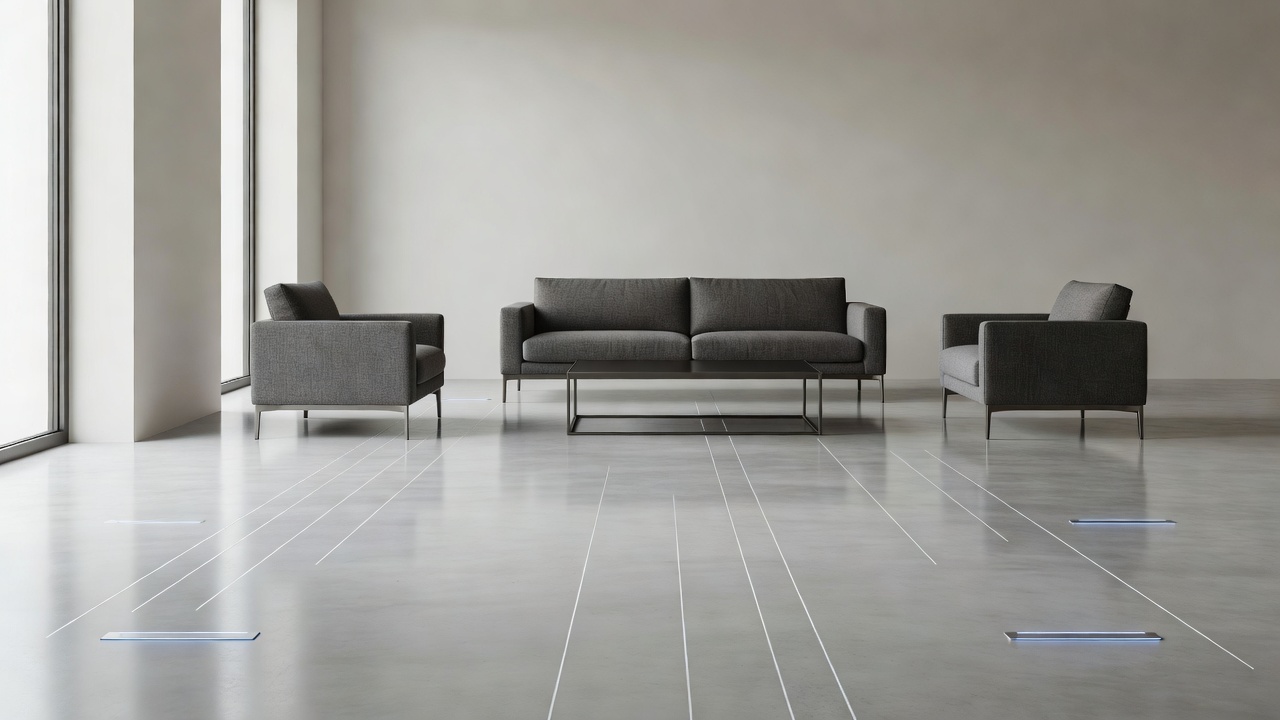
Smart flooring represents a transformative upgrade for contemporary homes, blending technology with everyday surfaces to deliver comfort, efficiency, and intelligence. As homeowners pursue integrated smart home systems in 2026, flooring innovations stand out for their ability to regulate temperature, monitor activity, and elevate aesthetics without sacrificing durability. This guide examines the full scope of these advancements, helping renovation planners make informed decisions that align with long-term living goals and energy efficiency targets.
Integrating smart flooring aligns with broader trends in energy-efficient living and connected homes. Whether updating a single room or tackling a phased whole-home project, these systems offer measurable benefits that traditional materials cannot match. From reducing heating costs through zoned temperature control to providing valuable data on household movement patterns, smart floors serve as both a functional surface and an intelligent component of the modern residence. Homeowners increasingly view flooring as an opportunity to embed technology invisibly, creating spaces that respond dynamically to daily needs while supporting sustainable practices.
Key Benefits of Smart Flooring Systems
Modern smart floors provide multi-layered advantages that extend well beyond basic utility. Temperature regulation uses embedded heating elements and sensors to maintain consistent warmth, reducing reliance on central HVAC systems and creating personalized comfort zones throughout the house. Activity tracking leverages pressure-sensitive layers to detect movement patterns, supporting wellness monitoring for elderly residents or security alerts that integrate with home automation platforms. Design aesthetics benefit from customizable finishes that mimic premium woods or stones while hiding advanced tech layers beneath the surface.
These features promote healthier indoor environments and seamless automation when paired with voice assistants or apps. Homeowners report improved energy savings and enhanced daily convenience through real-time data insights. Additional benefits include improved acoustic performance in multi-story homes and the ability to detect moisture issues early, preventing costly damage. By combining these capabilities, smart flooring contributes to overall property value and supports the growing demand for homes that adapt intelligently to occupant behavior.
Temperature Regulation in Detail
Embedded systems allow precise control over floor surface temperatures, often integrating with smart thermostats for optimized performance across seasons. This approach delivers even heat distribution that feels more natural than forced-air methods.
Activity Tracking Capabilities
Sensors can differentiate between pets, children, and adults, enabling customized responses such as lighting adjustments or notifications. Privacy-focused designs ensure data remains local unless shared with approved services.
Leading Product Examples from Top Brands
Several manufacturers lead in 2026 with proven solutions tailored for renovation projects. Companies like Uponor and Warmup offer heated variants with app controls that allow scheduling and remote adjustments. Startups integrate AI-driven activity sensors into modular systems that communicate with broader smart home networks. Flooring options range from modular tiles with wireless connectivity to engineered hardwood embedded with thin-film electronics. Compatibility with existing smart ecosystems, such as those from major tech providers, ensures future-proof installations that can evolve with new software updates.
Selecting products involves evaluating sensor density, material resilience, and integration ease. Reviews from renovation forums highlight systems that combine heating with subtle lighting accents for added visual appeal. Popular choices also include options from brands focusing on sustainable materials, ensuring the flooring contributes to eco-friendly renovation goals without compromising on technological features.
Step-by-Step Installation During Phased Renovations
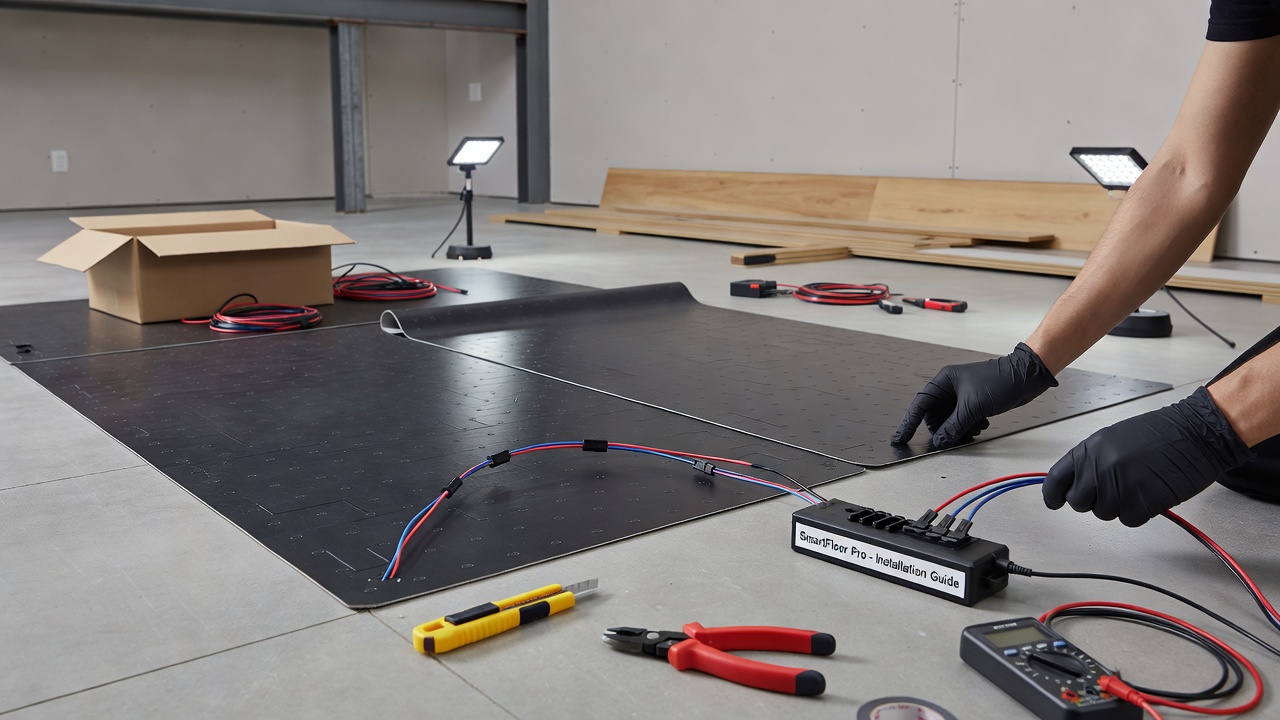
Successful deployment follows a structured process suited to phased projects that minimize disruption. Begin with subfloor preparation to ensure level surfaces free of moisture and debris. Next, lay sensor mats or heating cables according to manufacturer layouts, routing wires to a central control hub that manages multiple zones independently.
Then install the top flooring layer, testing connectivity at each stage to identify issues before they become embedded. Final calibration connects the system to your home network for automation rules, allowing integration with lighting, security, and climate controls. Professional electricians should handle wiring to meet safety codes, especially in multi-room rollouts where load calculations are critical. Homeowners can follow manufacturer checklists for DIY elements like mat placement while leaving electrical work to certified experts.
U.S. Department of Energy resources offer guidance on efficient integration with home energy systems, while EPA guidelines address indoor environmental considerations during installation.
Smart Flooring Versus Traditional Materials
Compared to conventional options, smart flooring excels in functionality but requires careful consideration of trade-offs. Traditional hardwood delivers timeless looks at lower upfront complexity, yet lacks adaptive heating or data capabilities. Smart alternatives provide superior insulation and monitoring but may involve thicker profiles affecting door clearances or transitions between rooms.
Durability tests show both categories perform well under normal use, though smart versions often include warranties covering electronic components. Moisture resistance and scratch protection remain comparable when quality brands are chosen. A practical comparison list helps clarify choices:
- Traditional materials: Lower initial complexity, easier repairs in some cases, but no built-in intelligence.
- Smart flooring: Higher functionality for comfort and monitoring, potential for energy savings, yet requires compatible infrastructure.
- Hybrid approaches: Some renovations combine smart zones in high-traffic areas with traditional finishes elsewhere.
Practical Cost Analyses for Homeowners
Budget planning for smart flooring focuses on material premiums and installation labor. While exact pricing fluctuates, premium systems typically command higher investment than basic floors due to embedded technology. Qualitative factors include long-term energy reductions and added property value. Homeowners should obtain multiple quotes and factor in potential incentives for energy-efficient upgrades. As of 2026-08-06, market discussions emphasize total project value over isolated component costs, encouraging evaluation of return on investment through comfort and efficiency gains.
Real-World Case Studies
A suburban family home renovation incorporated smart flooring throughout living areas, resulting in noticeable comfort gains during winter months and activity alerts that enhanced security for young children. The project phased installation over two months, allowing the family to occupy parts of the home continuously. Another urban loft project used modular smart tiles to create zoned heating, seamlessly tying into broader automation and reducing overall energy consumption. A third example involved a multi-generational household that benefited from activity tracking features to monitor senior family members discreetly. These examples illustrate scalability across different home styles and renovation scopes, highlighting adaptable solutions for various lifestyles.
Common Mistakes to Avoid
Many renovation projects encounter setbacks from inadequate subfloor assessment or overlooking compatibility with existing electrical systems. Always verify load requirements and plan for future expansions. Skipping professional calibration can lead to uneven performance, while choosing incompatible materials may void warranties.
FAQ: Durability, Compatibility, and Maintenance
- How durable are smart floors? High-quality models withstand heavy foot traffic with reinforced top layers and protected electronics, often rated for 15-20 years of residential use.
- Are they compatible with existing smart homes? Most integrate via standard protocols like Zigbee or Wi-Fi with popular hubs, though testing connectivity before full installation is recommended.
- What maintenance is required? Routine cleaning matches traditional floors; sensor diagnostics run automatically through apps, with occasional firmware updates for optimal function.
- Can smart flooring be retrofitted? Yes in many cases, though raised floor systems or modular designs simplify the process in older homes.
Additional questions often cover warranty lengths and retrofit feasibility in older properties, with experts advising consultation during the planning phase.
Conclusion
Smart flooring innovations position 2026 renovations for greater comfort and intelligence. By weighing benefits, exploring products, following installation best practices, and reviewing comparisons, homeowners achieve upgrades that deliver lasting value. Consult specialists to tailor solutions to specific needs and enjoy the next generation of connected living spaces that enhance both daily life and property appeal.
No comments yet. Be the first!