 Fixated on Home
Introduction to Smart Home Upgrades in 2026
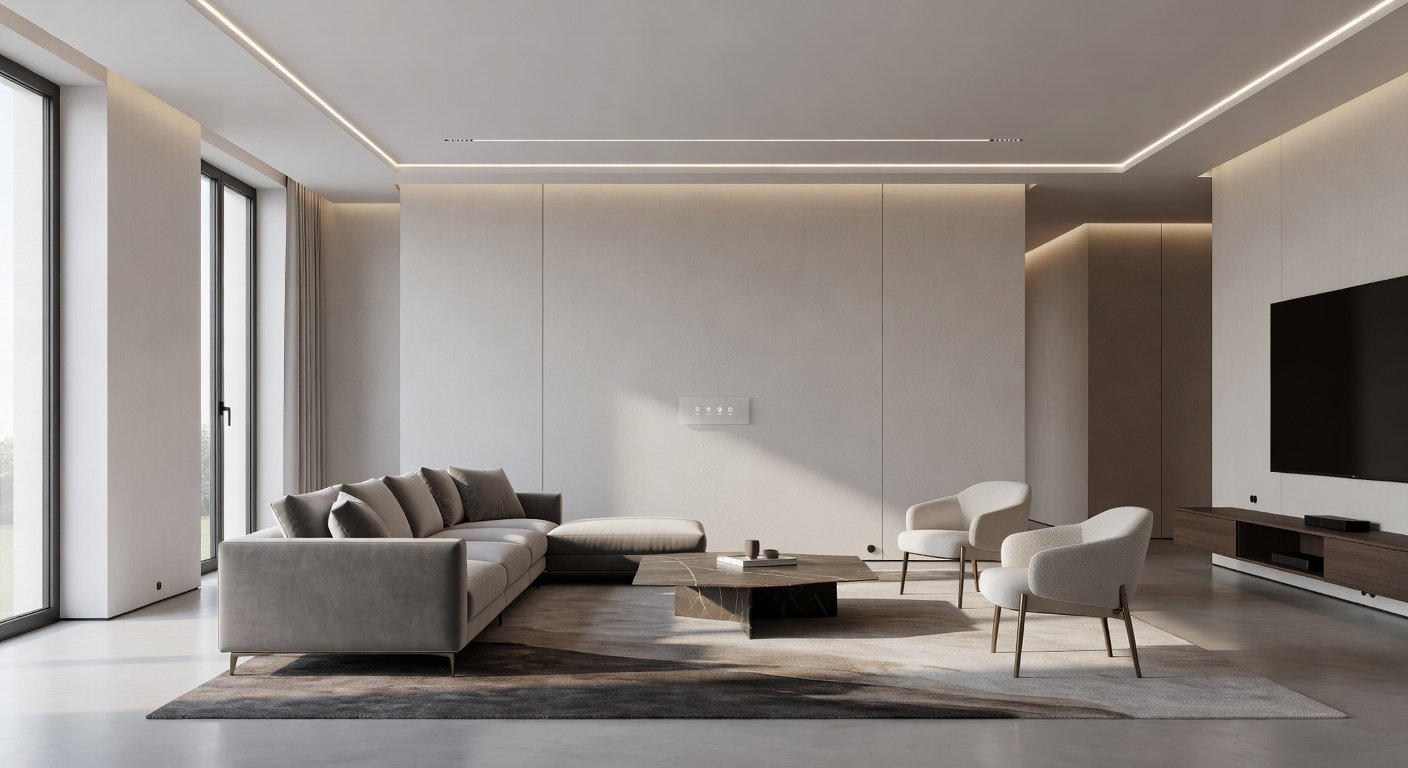
Homeowners planning renovations in 2026 are increasingly looking to merge cutting-edge smart technology with clean, modern aesthetics. This approach transforms living spaces into efficient, responsive environments without compromising on visual appeal. Whether updating a kitchen, living room, or entire home, blending these elements creates a future-ready residence that enhances daily life and property value. Modern design emphasizes minimalism, natural materials, and open layouts, and smart upgrades can support this vision when devices are chosen for their discreet integration.
From voice-controlled lighting systems to automated climate controls, the right selections elevate both functionality and style. In 2026, trends point toward seamless connectivity that anticipates user needs while maintaining the sophisticated look of contemporary interiors. Homeowners benefit from reduced energy consumption, enhanced security, and personalized comfort that aligns perfectly with renovation goals.
Step-by-Step Planning Process
Begin with a thorough assessment of your current home layout and renovation goals. Identify high-traffic areas where technology can deliver the most impact, such as entryways for security or kitchens for convenience. Consult with designers and smart home specialists early to align tech features with architectural plans. Document existing electrical systems, network capabilities, and potential obstacles like thick walls that might affect wireless signals.
Next, prioritize needs over wants by listing must-have functions like energy monitoring or entertainment controls, then map them to specific rooms. This prevents overcomplication and keeps the project focused on modern design principles. Consider family lifestyle factors, such as remote work requirements or pet accommodations, to tailor the smart features appropriately.
Finally, establish a detailed timeline that includes wiring assessments, device procurement, and phased installations to minimize disruption during renovations. Break the process into phases: initial design, infrastructure prep, device integration, and testing.
Assessing Your Home's Infrastructure
Before selecting devices, evaluate your home's electrical and networking backbone. Older homes may require updates to support the power demands of multiple smart gadgets. Professional electricians can inspect panels and recommend additions like dedicated circuits for automation hubs. Network strength is equally critical, with mesh Wi-Fi systems often providing the coverage needed for reliable operation across larger spaces.
This assessment phase helps avoid costly mid-renovation changes and ensures all upgrades complement the structural elements of your modern design.
Selecting Discreet Smart Devices
Focus on devices that blend seamlessly into modern interiors. Recessed lighting with smart controls, hidden sensors in cabinetry, and minimalist touch panels maintain clean lines while offering advanced features. Look for products with customizable finishes that match your color palette and materials, such as matte black or brushed metal options that echo high-end fixtures.
Popular choices include smart thermostats with sleek displays, integrated audio systems built into walls, and motorized window treatments that complement contemporary windows. These options enhance usability without visual clutter. Consider multi-function devices that combine sensors, lighting, and climate control to reduce the number of visible components.
Comparing Wired Versus Wireless Options
Wired systems offer reliable performance and are ideal for new constructions or major renovations where walls are open. They provide stable connections for whole-home automation and often support more complex setups with lower latency. However, they involve more invasive installation.
Wireless alternatives excel in flexibility and easier retrofits. Battery-powered or plug-in devices suit existing structures and allow quick adjustments. Consider room layouts: open-concept spaces may benefit from wireless mesh networks, while multi-story homes might need hybrid approaches for optimal coverage.
Evaluate signal strength and potential interference in each area before deciding. Many homeowners combine both for balanced reliability and convenience. Here are key considerations in list form:
- Wired pros: Consistent performance, better for large data transfers, less susceptible to interference.
- Wired cons: Higher installation complexity, less flexible for future changes.
- Wireless pros: Quick deployment, scalable, minimal structural impact.
- Wireless cons: Potential range limitations, reliance on strong Wi-Fi infrastructure.
Resources like energy efficiency guidelines can inform choices that also reduce long-term operating costs.
Real-World Examples of Upgraded Spaces
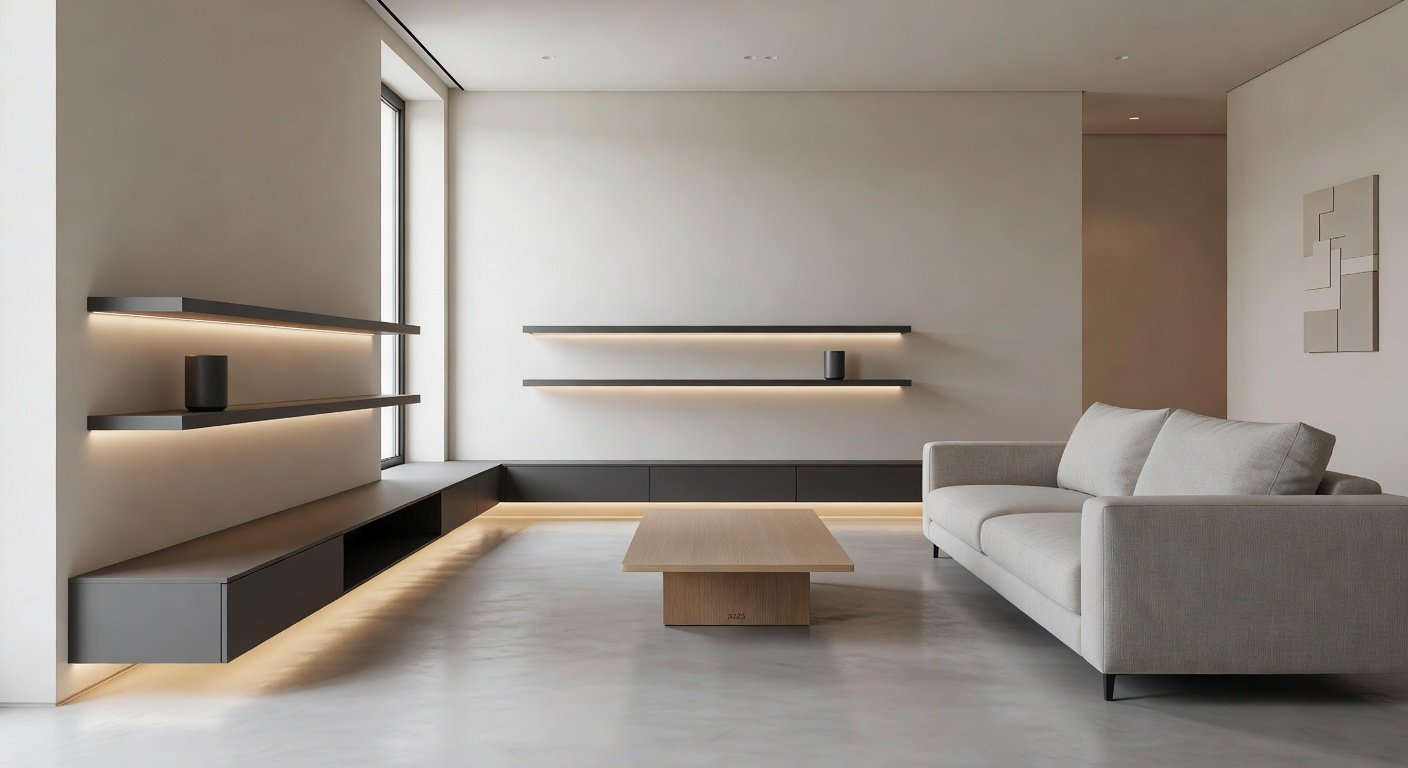
Imagine a modern kitchen where smart appliances sync with lighting that adjusts based on time of day, creating an inviting atmosphere for cooking and entertaining. Voice commands control ovens and refrigerators while hidden hubs manage inventory alerts. In living areas, integrated smart speakers disappear into furniture while controlling ambiance across zones, including automated curtains that respond to sunlight levels.
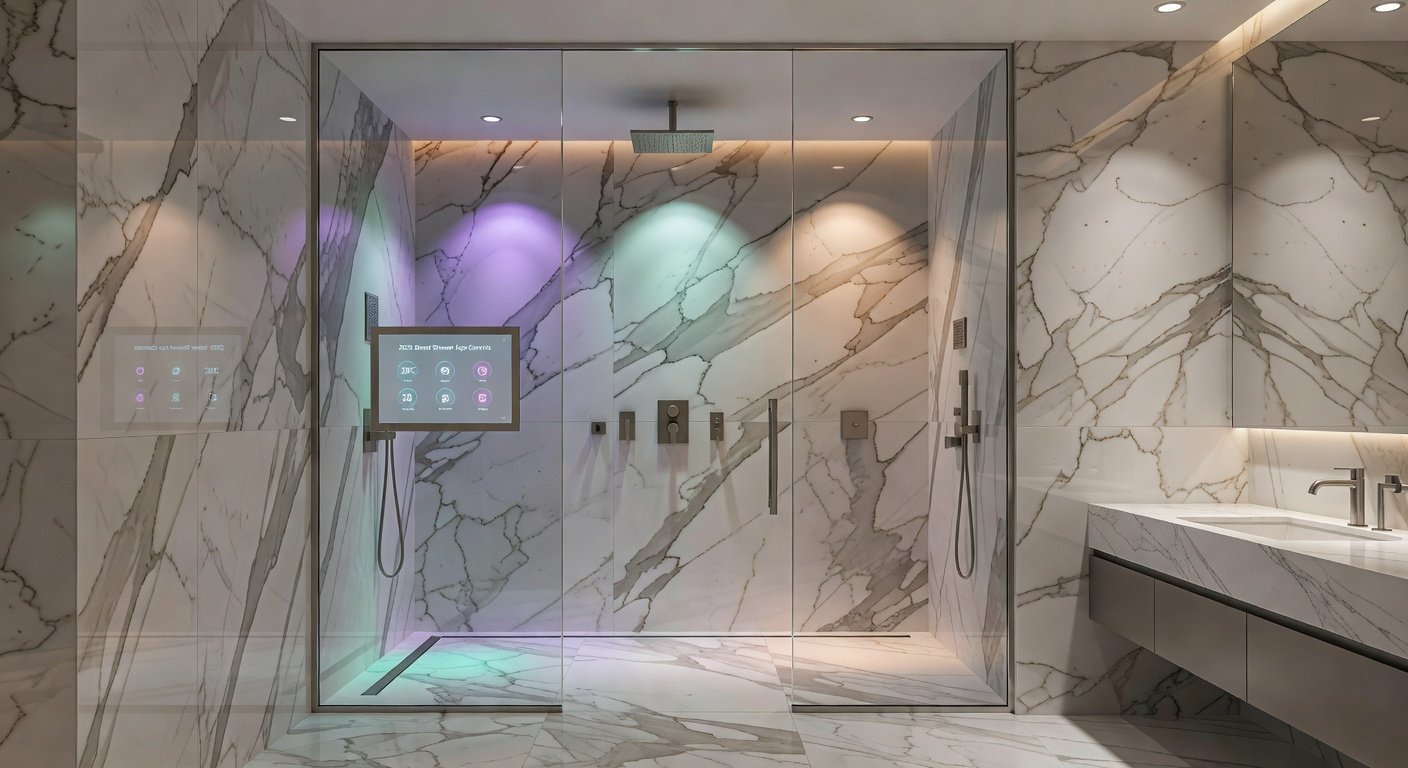
A bedroom renovation might feature automated shades and climate zones that respond to occupancy, promoting better sleep without visible tech elements. Bathrooms can include smart mirrors with integrated lighting and humidity controls that activate automatically. These examples show how thoughtful integration elevates both design and daily experience, turning ordinary rooms into intelligent sanctuaries.
Cost Considerations and Budget Planning
Smart home upgrades range from modest additions to comprehensive systems. Focus on scalable investments that prioritize high-impact areas first, such as core automation hubs before expanding to peripherals. Professional assessments help avoid unexpected expenses during renovations, allowing for phased spending that matches renovation timelines.
DIY Versus Professional Installation
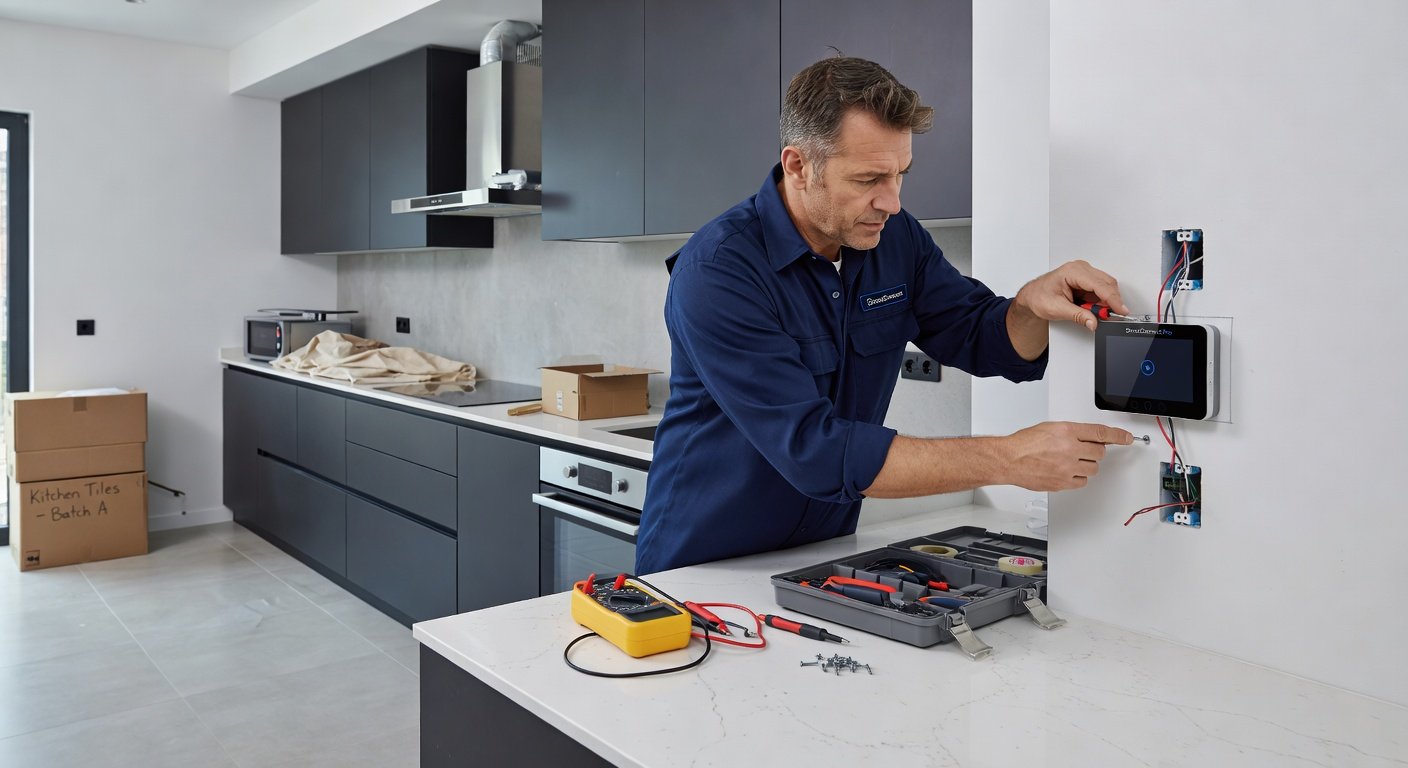
DIY works well for simple wireless devices like smart plugs or basic lighting kits, offering cost savings and quick results. Tutorials and user-friendly apps guide beginners through setup. However, complex integrations involving electrical work or network setup are best left to certified professionals to ensure safety and optimal performance.
Hybrid approaches allow homeowners to handle aesthetic elements while experts manage technical components, striking a balance between control and expertise. Always verify local building codes before starting any electrical modifications.
Security, Privacy, and Maintenance
Protecting your smart home starts with strong network security practices, including unique passwords and regular firmware updates. Choose platforms with built-in encryption and two-factor authentication. Ongoing maintenance involves monitoring device health through central apps and scheduling seasonal checks to replace batteries or recalibrate sensors. This ensures longevity and prevents minor issues from escalating.
For deeper insights into best practices, refer to established cybersecurity frameworks that apply to consumer IoT devices.
Future-Proofing Your Investment
Future-proofing involves selecting updatable firmware and modular systems that can incorporate new features as technology evolves. Opt for ecosystems supporting open standards to maintain compatibility over time. Regular software updates keep your setup secure and relevant, while planning for expandable networks allows easy addition of emerging devices like advanced AI assistants or enhanced energy monitors.
FAQ
- How do I ensure smart devices match my modern design? Select models with minimalist aesthetics and neutral finishes that integrate into walls or furniture, consulting with your designer on placement.
- What about compatibility concerns? Opt for devices supporting open standards like Matter to work across different brands and ecosystems without conflicts.
- Is future-proofing possible during renovations? Yes, by planning for expandable networks and choosing upgradable hardware from the start, including provisions for new protocols.
- How can I address privacy in a smart home? Disable unnecessary data collection features and use local processing options where available to keep information secure.
By following this structured approach, homeowners can achieve stunning modern renovations infused with intelligent technology that lasts well into the future and adapts to evolving needs.
No comments yet. Be the first!