 Fixated on Home
Introduction to Smart Storage in Modern Renovations
Smart storage solutions are transforming how homeowners approach organization and space management in 2026. As part of broader home renovations, these upgrades blend technology with design to create efficient, aesthetically pleasing environments. Whether you're updating a kitchen, bedroom, or living area, integrating smart features like automated systems enhances both functionality and value. In today's fast-paced world, where homes serve multiple roles as offices, gyms, and entertainment hubs, efficient storage is no longer a luxury but a necessity. This comprehensive guide explores key elements such as automated shelving, app-controlled closets, and hidden compartments. It provides real-world examples, detailed step-by-step implementation guides, comparisons to traditional methods, and insights into energy savings and visual appeal, helping you make informed decisions for your next renovation project.
Homeowners increasingly seek solutions that sync with existing smart home ecosystems, reducing daily friction while maximizing available square footage. By focusing on seamless integration, these upgrades address common pain points like clutter, difficult access, and wasted space that plague conventional storage setups.
Why Upgrade to Smart Storage Systems?
Traditional storage often wastes space and lacks adaptability, relying on fixed shelves and manual access that can lead to frustration over time. In contrast, smart solutions sync with home automation platforms, allowing voice or app control for effortless adjustments. Homeowners report improved daily workflows, reduced clutter, and a greater sense of calm in their living spaces. Integration with systems from major providers enables seamless connectivity across devices, from lighting to security, creating a unified home experience.
Benefits extend to sustainability and long-term cost efficiency. Optimized storage can contribute to lower energy use by reducing the need for additional lighting or climate control in unused areas. Thoughtful layouts also minimize the time spent searching for items, indirectly supporting better household energy management. For authoritative guidance on energy efficiency in residential settings, refer to resources from the U.S. Department of Energy. Additionally, these systems often incorporate sensors that monitor usage patterns, providing data to further refine home performance over time.
Automated Shelving: Features and Real-World Examples
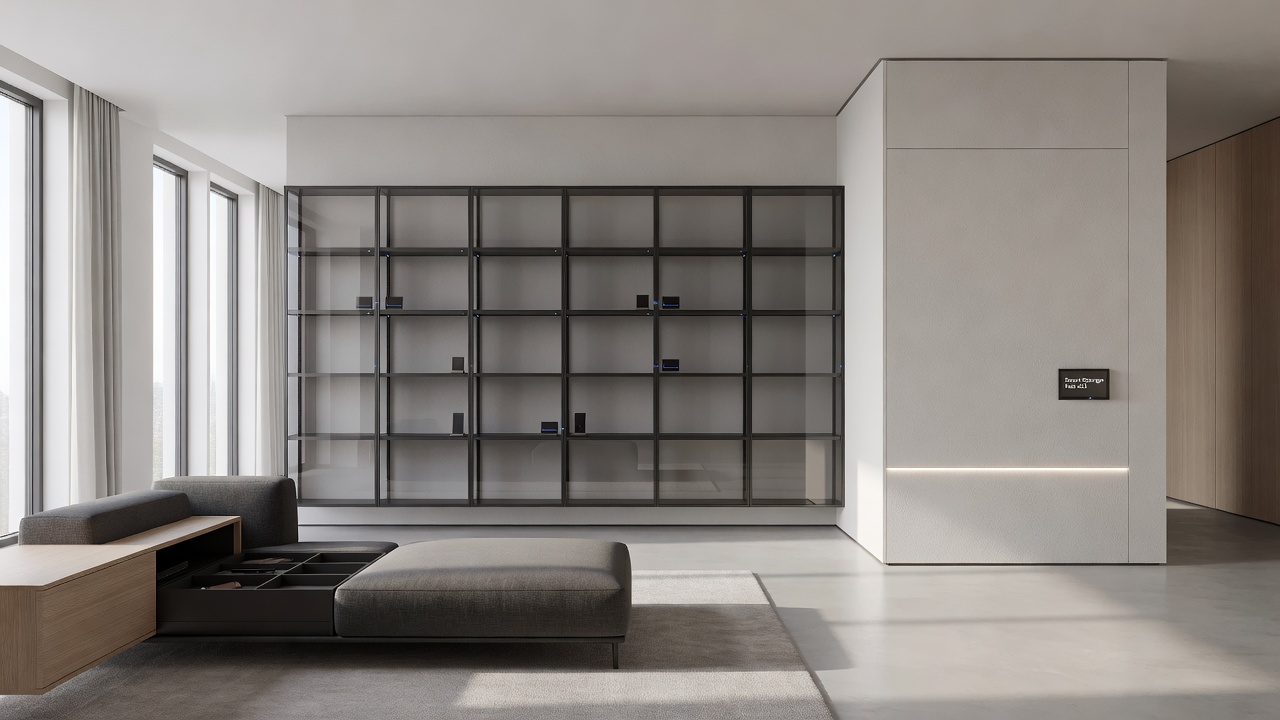
Automated shelving uses motors, sensors, and sometimes AI-driven positioning to adjust heights or retrieve items without physical effort. Popular installations include wall-mounted units in home offices that rise or lower via remote or voice command, ideal for reaching high or low areas safely. A real-world example is a system from European manufacturers integrated into minimalist apartments, where shelves rotate or extend for access without ladders, particularly useful in urban homes with limited floor space. These setups often include weight sensors to prevent overload and LED indicators that highlight available storage spots.
When planning renovations, consider load capacity, power requirements, and compatibility with existing electrical setups. Installation typically begins with a structural assessment to ensure walls can support motorized components. Practical steps include measuring all dimensions twice, selecting modular rails that allow future expansions, and testing the system with sample loads before full integration. In one documented kitchen renovation, automated shelving reduced retrieval time for frequently used items by half, improving workflow during meal preparation.
App-Controlled Closets for Seamless Organization
App-controlled closets allow users to manage inventory, lighting, climate, and even security via smartphones or tablets. Features include RFID tagging for clothing items, automated lighting that activates on approach, and climate controls to protect delicate fabrics. Installations in master bedrooms demonstrate how these closets sync with broader smart home ecosystems, such as those using protocols from Samsung SmartThings, enabling routines like morning outfit suggestions based on weather data pulled from connected apps.
Step-by-step implementation starts with assessing closet dimensions and electrical access points. Next, select modular components compatible with your chosen app ecosystem, ensuring they support both iOS and Android for household flexibility. Then, install sensors, motors, and wiring with attention to cable management for a clean finish. Finally, configure the app for custom routines such as seasonal organization prompts or inventory alerts when stock runs low. Troubleshooting common issues like connectivity drops involves checking Wi-Fi strength and updating firmware regularly. This approach turns a basic closet into a dynamic organizational hub that adapts to changing needs.
Hidden Compartments and Smart Integration
Hidden compartments add layers of security and surprise elements, often featuring motorized panels controlled by apps, biometrics, or voice commands. In living room renovations, these can conceal media equipment, valuables, or seasonal items while maintaining clean architectural lines. Integration with smart homes involves APIs for cross-device control, allowing a hidden compartment to open automatically when a security system detects authorized entry or when a specific routine is triggered.
Real-world examples include custom builds in family homes where compartments double as charging stations for devices, keeping cables out of sight. Careful planning around power sources and structural reinforcements ensures smooth operation without compromising wall integrity. 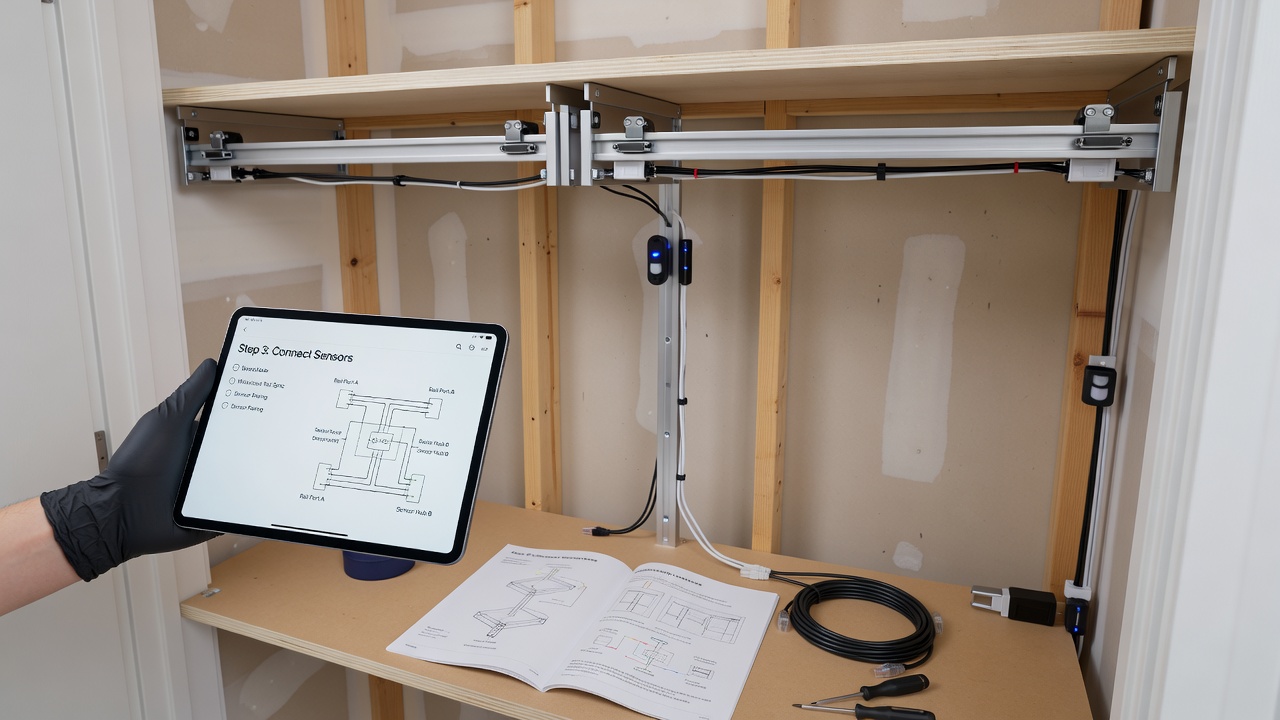
Smart vs Traditional Storage: Key Comparisons
- Space Efficiency: Smart systems maximize vertical, hidden, and dynamic space through automation; traditional setups rely on static shelves that often leave gaps unused.
- Accessibility: Automated retrieval and voice commands provide effortless access, especially beneficial for elderly residents or those with mobility considerations, versus manual reaching that can cause strain.
- Maintenance: Smart systems require occasional software updates, sensor calibration, and professional servicing; traditional methods need only basic cleaning and occasional hardware tightening.
- Customization: App-based systems allow real-time adjustments and data tracking for ongoing optimization, while traditional storage offers limited flexibility once installed.
- Long-Term Value: Initial investment is higher for smart options, but they deliver enhanced convenience, potential energy savings, and increased home resale appeal through modern features.
Energy Savings and Aesthetic Benefits
Smart storage promotes energy efficiency through motion-activated lighting, automated climate zones, and optimized layouts that reduce overall HVAC demands by minimizing airflow disruption from clutter. Aesthetically, these upgrades create sleek, uncluttered interiors that align with contemporary minimalist and tech-forward design trends. Hidden mechanisms preserve visual harmony while delivering practical utility, allowing homeowners to maintain open floor plans without sacrificing storage capacity. Over time, the reduction in visual noise can also contribute to improved mental well-being in living spaces.
Planning and Potential Challenges in 2026 Projects
Before starting, conduct a thorough inventory of current storage needs and future growth projections. Engage professionals familiar with both carpentry and smart home wiring to avoid integration pitfalls. Common challenges include ensuring stable internet connectivity for app features and budgeting for ongoing software support. Addressing these early leads to smoother installations and higher satisfaction rates.
Frequently Asked Questions
What compatibility considerations apply with existing smart homes?
Most systems support major hubs like Alexa, Google Home, or Apple HomeKit; always verify protocol support and test integrations during the planning phase to prevent later frustrations.
How does maintenance work for these systems?
Regular firmware updates, gentle cleaning of sensors, and annual professional checks help maintain reliability. Many manufacturers provide app-based diagnostics to identify issues quickly.
Are there specific considerations for different room types?
Kitchens benefit from moisture-resistant components, while bedrooms prioritize quiet operation. Living areas focus on aesthetic concealment, and home offices emphasize quick-access retrieval for documents and supplies.
What future trends should homeowners watch in 2026?
Expect greater AI integration for predictive organization, improved battery backup options, and enhanced interoperability standards across brands for easier upgrades.
Conclusion
Smart storage upgrades represent a forward-thinking approach to home renovations in 2026. By focusing on integration, practicality, detailed planning, and thoughtful design, homeowners achieve superior organization, energy efficiency, and lasting aesthetic value. Start with a professional assessment of your space and explore compatible technologies to begin transforming your home into a more functional and enjoyable environment.
No comments yet. Be the first!