 Fixated on Home
Introduction to Smart Irrigation in Modern Homes
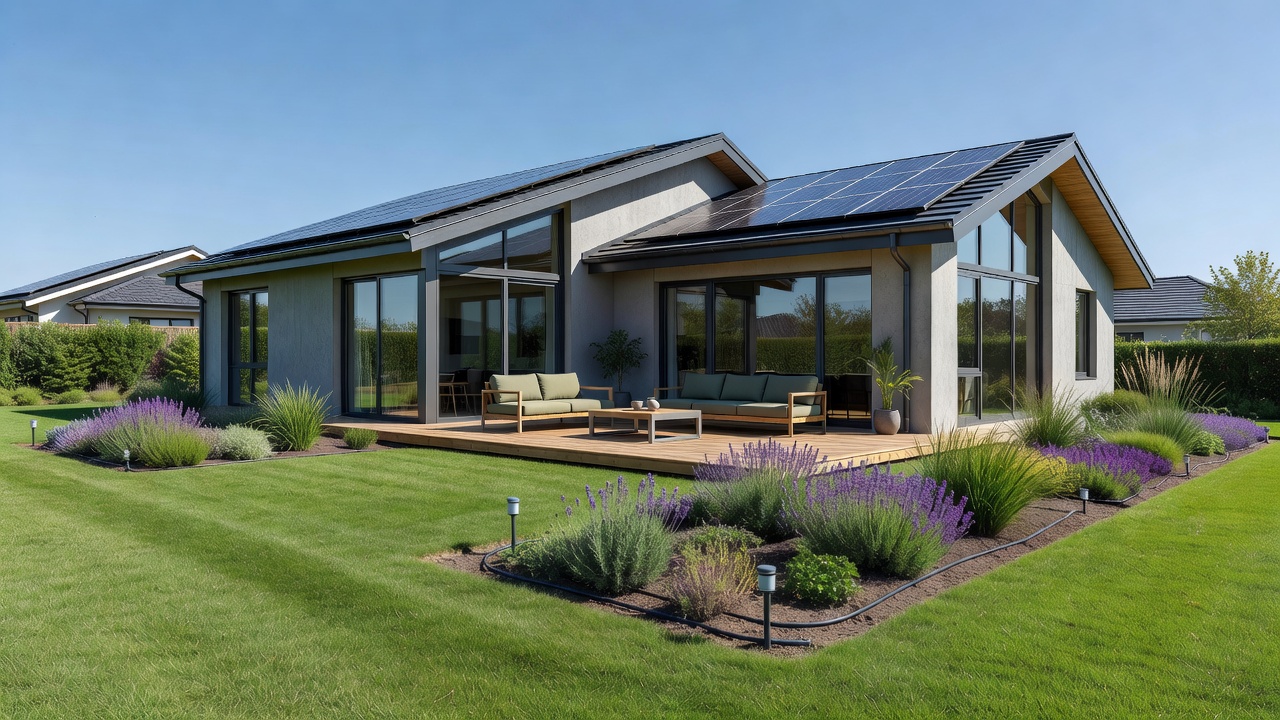
As homeowners embrace sustainable living in 2026, smart irrigation systems have become essential upgrades for renovations that prioritize water efficiency and aesthetic outdoor spaces. These technologies go beyond basic sprinklers by using sensors, weather data, and mobile apps to deliver precise watering, reducing waste while enhancing landscapes. This guide explores practical ways to incorporate smart irrigation into existing home designs, covering everything from system comparisons to installation and maintenance. Integrating these systems supports broader goals of reducing household water consumption and creating resilient outdoor environments that blend technology with natural beauty.
Why Smart Irrigation Matters for Sustainable 2026 Designs
With increasing focus on eco-friendly renovations, smart irrigation aligns perfectly with trends in outdoor upgrades. It conserves water resources, supports local ecosystems, and integrates seamlessly with smart home ecosystems. Homeowners can achieve lush gardens without excessive utility use, making it a key feature for forward-thinking properties. In regions facing variable climate patterns, these systems help maintain curb appeal while adapting to changing conditions through automated adjustments based on real-time data from weather services.
Smart Irrigation vs Traditional Irrigation Systems
Traditional systems rely on fixed timers that water regardless of rain or soil moisture, leading to overwatering and runoff. In contrast, smart systems use soil sensors, evapotranspiration data, and real-time weather integration to adjust schedules dynamically. This results in better plant health and reduced environmental impact. For example, during unexpected rainfall, smart controllers pause operations automatically, unlike their conventional counterparts. Additional benefits include zoning capabilities that allow different areas like lawns, flower beds, and vegetable gardens to receive tailored moisture levels, promoting biodiversity and minimizing erosion compared to uniform traditional approaches.
Selecting the Right Smart Irrigation System for Your Landscape
Begin by assessing your yard's zones, soil types, and plant needs. Options include drip irrigation for gardens, rotor sprinklers for lawns, and hybrid setups. Look for systems compatible with Wi-Fi, Bluetooth, or Zigbee for easy pairing with existing smart home hubs. Consider factors like coverage area, expandability, and integration with voice assistants such as Alexa or Google Home. When evaluating models, prioritize those with modular designs that accommodate future landscape changes, such as adding new planting areas during renovations. Soil moisture probes and rain gauges are critical components that enhance precision across diverse terrains.
Step-by-Step Installation Guide
Start with a site survey to map zones and existing plumbing. Next, install the controller near a power source and water supply. Bury valves and lay tubing or pipes according to your design plan. Connect sensors for moisture and rain detection, then link everything to the central hub. Professional installation is recommended for complex retrofits to avoid leaks or electrical issues. Always test the system thoroughly before finalizing. Additional steps involve trenching for underground lines while preserving existing hardscaping, calibrating flow meters to match local water pressure, and programming initial schedules based on historical climate data for your region. Homeowners should also coordinate with landscape architects to ensure aesthetic integration, such as concealing controllers behind decorative elements.
App-Based Scheduling Examples for Daily Use
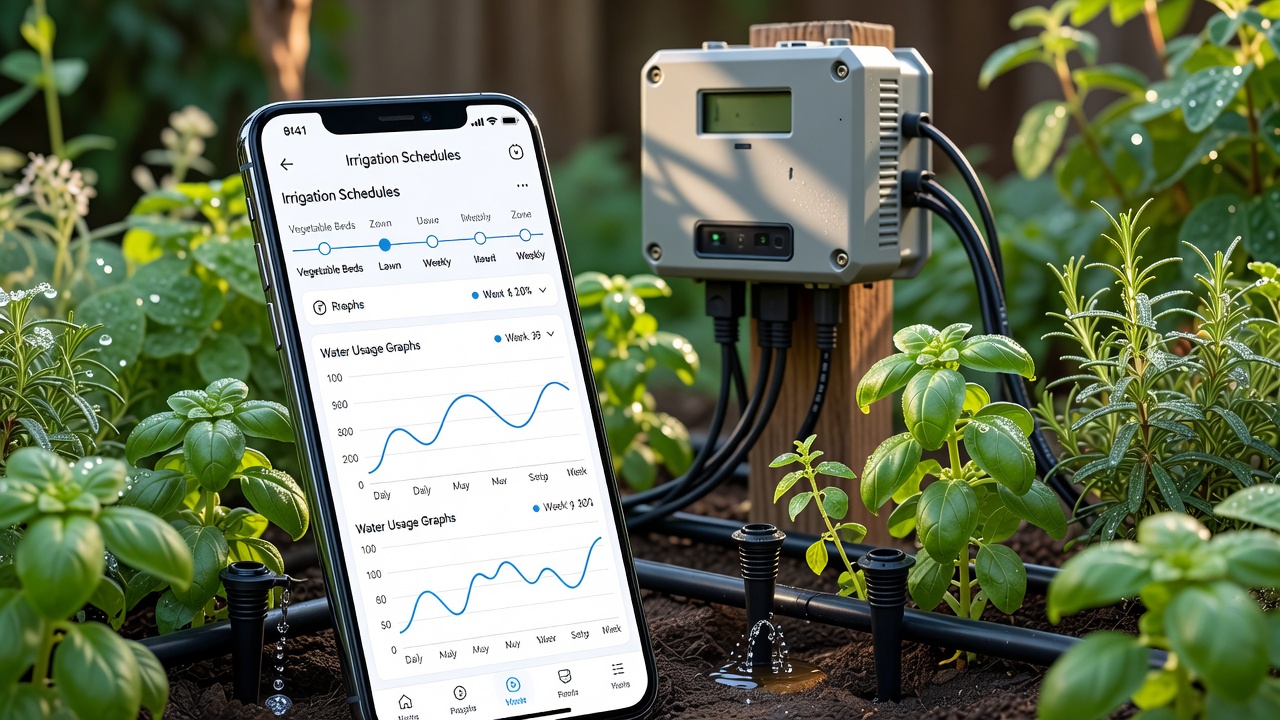
Modern apps allow custom programming based on plant types and microclimates. For a typical suburban lawn, set morning cycles at 6 AM for 20 minutes per zone, adjusted by 30% if humidity exceeds 70%. Flower beds might receive targeted drip sessions twice weekly. Users can create vacation modes that reduce watering by 50% and receive alerts for anomalies like unusual flow rates. In a practical example, a homeowner with a mix of shade-loving ferns and sun-exposed turf created separate profiles: ferns watered lightly in evenings to prevent fungal growth, while turf received deeper morning soaks. Seasonal adjustments can be automated using integrated forecasts, ensuring efficiency during heatwaves or cooler periods.
Understanding Cost Savings and Environmental Benefits
Smart systems promote long-term efficiency through optimized water delivery. By minimizing evaporation and runoff, they support conservation goals highlighted by organizations like the EPA. Homeowners often notice lower utility bills and healthier landscapes over time, contributing to broader sustainability efforts in residential design. Linking to resources from the USDA provides further guidance on soil health practices that complement irrigation upgrades. These benefits extend to reduced fertilizer needs due to precise moisture control, fostering stronger root systems and overall landscape resilience.
Real-World Case Studies from 2026 Projects
In a suburban renovation project completed early in 2026, a family in California integrated a smart drip system across their drought-prone yard. The setup paired with their existing smart thermostat hub, resulting in visibly greener turf and reduced water usage. Another case involved an urban rooftop garden where sensors adjusted for wind exposure, creating a model for compact city homes seeking aesthetic yet functional outdoor areas. A third example from a Pacific Northwest renovation featured hybrid rotors and drip lines integrated around a new patio installation, allowing the system to avoid over-saturating seating areas while maintaining surrounding plantings. These projects demonstrate how smart irrigation enhances both functionality and visual appeal in varied climates.
Common Pitfalls to Avoid During Renovation
- Skipping soil testing, which can lead to mismatched watering zones.
- Overlooking compatibility with legacy plumbing, causing installation delays.
- Ignoring seasonal recalibration, reducing system effectiveness.
- Choosing non-expandable controllers that limit future upgrades.
- Failing to account for tree root interference with buried lines.
- Neglecting to secure proper permits for outdoor electrical work in some municipalities.
- Underestimating the importance of user training on app features for optimal results.
Beginner Checklist for Smart Irrigation Integration
- Evaluate current landscape and water sources.
- Research controllers with at least 8 zones for flexibility.
- Ensure app supports multi-user access and remote control.
- Plan for sensor placement in shaded and sunny areas.
- Schedule professional inspection post-installation.
- Test integration with other smart devices like lighting systems.
- Document all wiring and valve locations for future reference.
- Review local water restrictions and program accordingly.
Compatibility with Existing Smart Ecosystems and Maintenance
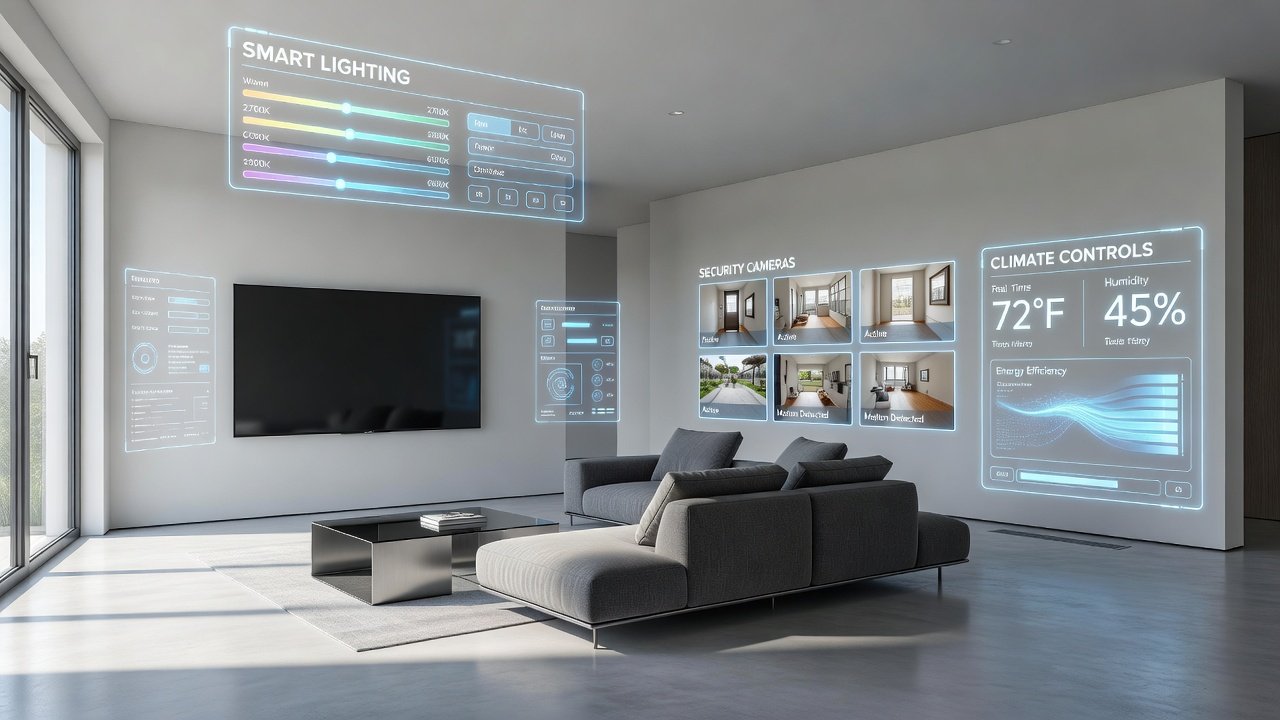
Pairing smart irrigation with broader home automation creates unified control, such as syncing with outdoor lighting or security cameras for holistic property management. Maintenance involves regular cleaning of filters and emitters to prevent clogs, along with firmware updates for the controller. Quarterly audits of sensor accuracy ensure continued performance, while annual professional servicing addresses any wear from weather exposure.
FAQ on Maintenance and Smart Ecosystem Pairing
How often should I maintain my smart irrigation system?
Perform visual checks monthly and full sensor calibration quarterly to ensure accuracy and prevent clogs.
Can smart irrigation pair with existing home automation platforms?
Yes, most modern systems integrate with popular hubs via APIs, allowing unified control through a single app interface.
What if my landscape changes after installation?
Rezone the system through the app and add new sensors as needed for ongoing adaptability.
How do I handle winterization in colder climates?
Use the app to activate blow-out modes that clear lines before freezing temperatures arrive, protecting components year-round.
Conclusion
Integrating smart irrigation transforms outdoor spaces into efficient, beautiful extensions of the home. By focusing on thoughtful selection, precise installation, and ongoing optimization, 2026 homeowners can enjoy sustainable designs that conserve resources while elevating property value and curb appeal.

No comments yet. Be the first!