 Fixated on Home
Introduction to Smart Textiles in Modern Homes
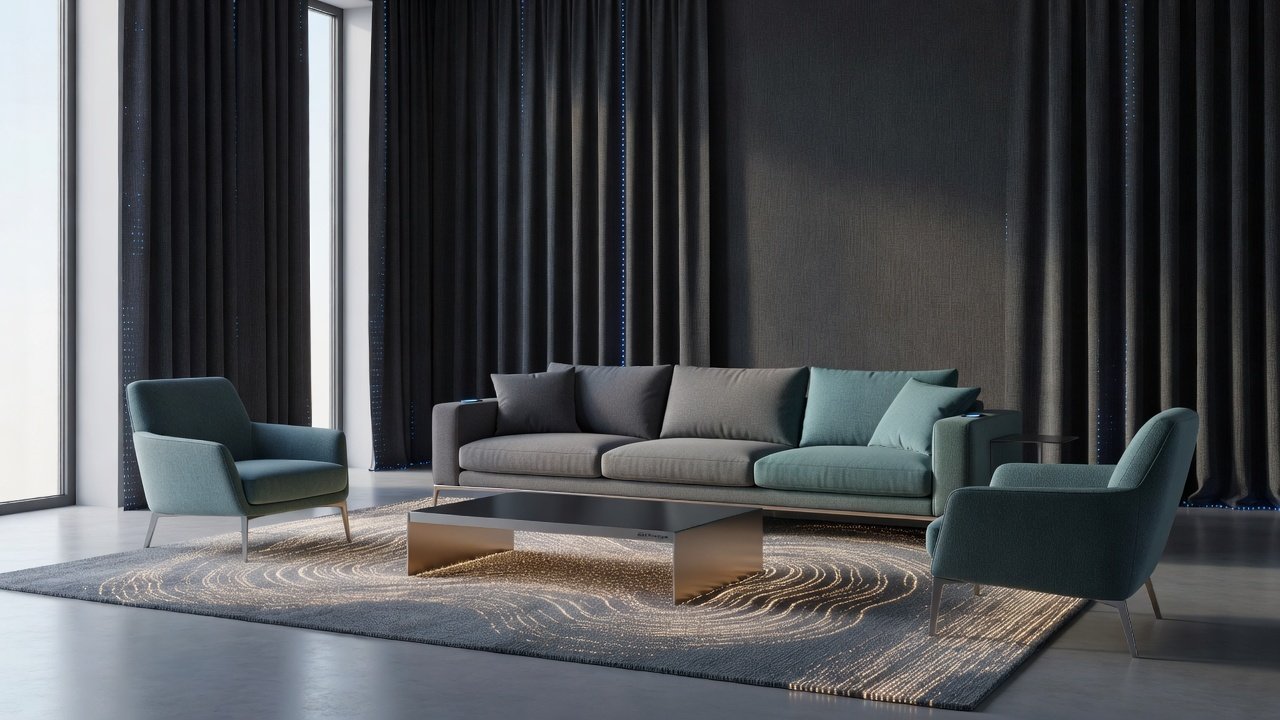
As homeowners seek distinctive upgrades beyond standard smart devices in 2026, smart textiles emerge as a transformative option. These sensor-embedded fabrics integrate seamlessly into curtains, upholstery, and rugs, responding to touch, temperature, or environmental changes to enhance daily living. This approach elevates renovation projects with interactive elements that promote comfort while supporting sustainability goals. Unlike traditional smart home gadgets that require separate devices, smart textiles embed technology directly into familiar household items, creating a more intuitive living environment. Design enthusiasts appreciate how these materials allow for personalization, turning passive surfaces into active components that react in real time.
Understanding Smart Textile Materials
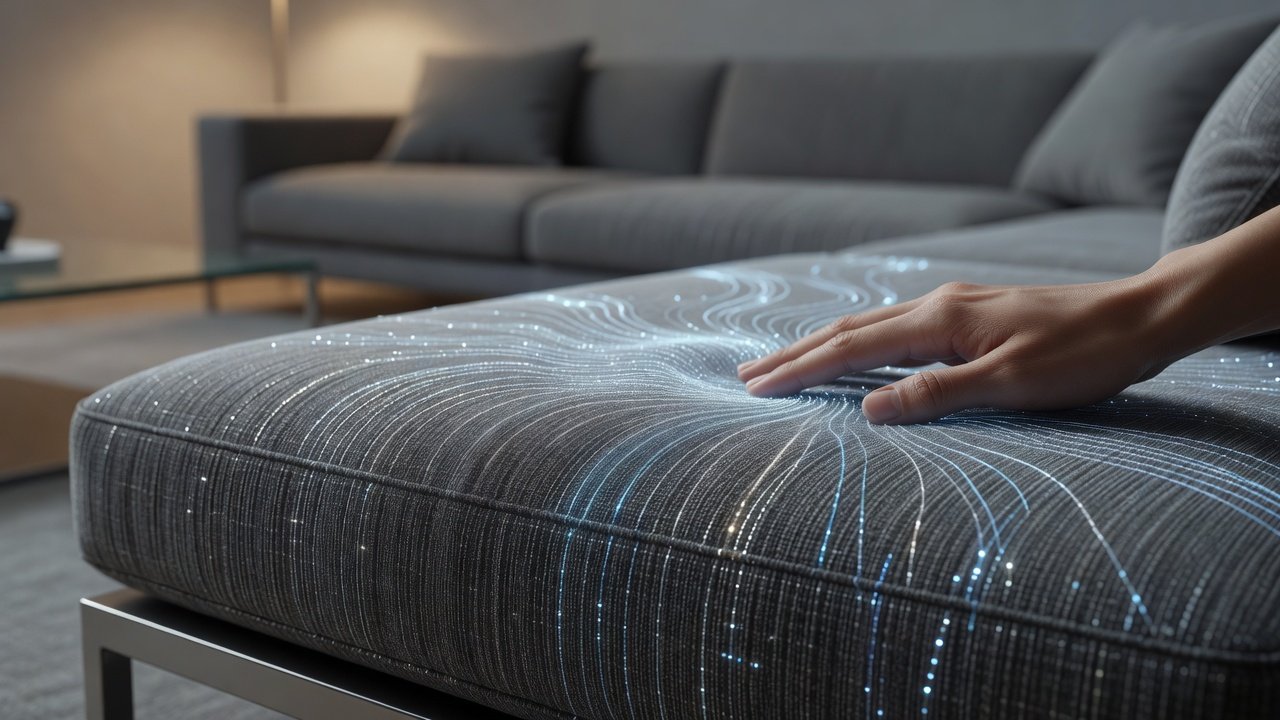
Smart textiles combine traditional fibers with embedded electronics such as conductive threads, micro-sensors, and responsive polymers. For curtains, options include light-adjusting fabrics that detect sunlight levels and automatically modulate opacity. Upholstery materials often feature pressure-sensitive layers that adjust firmness or provide subtle haptic feedback. Rugs may incorporate motion-detecting fibers that illuminate pathways or regulate floor temperature. These materials draw from advancements in flexible electronics, allowing them to blend with existing decor without visible wiring. The core innovation lies in the ability of these fabrics to sense stimuli and respond without external power sources in many cases, thanks to energy-harvesting elements like piezoelectric threads that convert movement into electricity.
Key Material Options for 2026 Renovations
- Touch-responsive curtains: Fabrics that change transparency or color upon interaction, ideal for privacy control in living areas or bedrooms.
- Environment-adaptive upholstery: Textiles that sense humidity and adjust breathability to maintain optimal seating comfort during seasonal changes.
- Interactive rugs: Floor coverings with embedded sensors for activity tracking or ambient lighting integration, enhancing safety and ambiance.
- Multi-functional hybrids: Combinations such as curtain-upholstery sets that sync responses across a room for cohesive smart experiences.
Selection depends on room function, with moisture-resistant variants suited for high-traffic areas like entryways or kitchens. Homeowners should evaluate fiber composition for compatibility with allergies or pet ownership, as some advanced versions include antimicrobial coatings.
Step-by-Step Installation for Existing Spaces
Integrating smart textiles into current homes requires minimal structural changes. Begin by assessing power sources and compatibility with home networks. Professional installers typically follow these steps for a seamless retrofit:
- Measure and prepare surfaces, ensuring clean adhesion points for fabric panels while identifying any existing electrical outlets or wireless routers nearby.
- Install sensor modules discreetly along edges or seams using magnetic or clip-on connectors that avoid damaging original walls or furniture frames.
- Connect to central hubs via low-voltage wiring or wireless protocols for app-based control, testing signal strength in each room beforehand.
- Calibrate responsiveness and environmental triggers through initial setup software, adjusting sensitivity levels based on household routines.
- Finish with decorative trims or edge bindings to maintain aesthetic appeal and protect sensor edges from wear.
This process suits renovations in living rooms or bedrooms, preserving original architecture. Variations exist for different room types; for example, bathrooms may require waterproof sealing around connections, while outdoor-adjacent spaces need UV-resistant coatings. Always consult certified technicians to ensure compliance with local building codes.
Energy-Saving Benefits of Smart Textiles
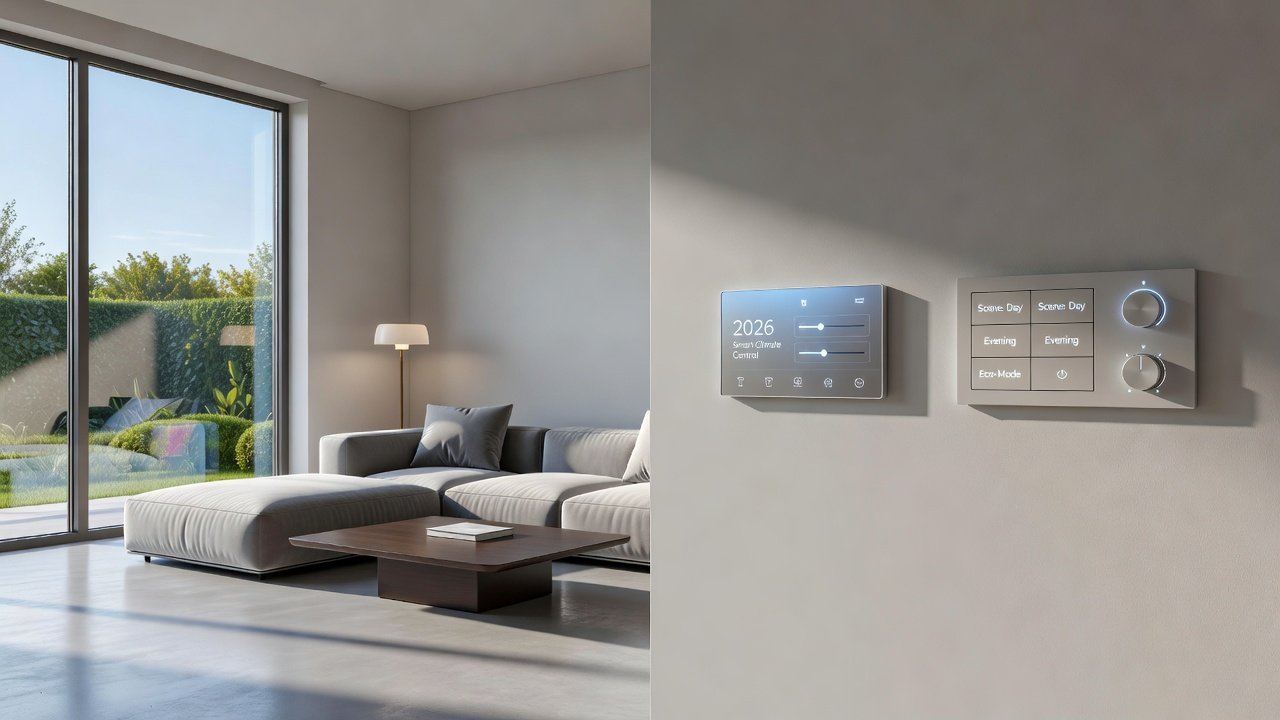
Smart textiles contribute to reduced energy consumption by optimizing natural light and temperature regulation. Responsive curtains can lower heating needs during winter by trapping warmth through automatic closure, while adaptive rugs help maintain consistent floor temperatures without relying on constant HVAC use. Homeowners report noticeable efficiency gains when these fabrics work alongside existing insulation. For authoritative insights on energy strategies, refer to energy.gov, which outlines building efficiency practices. Additionally, standards from nist.gov guide the development of reliable sensor integrations in consumer products. Beyond direct savings, these textiles can improve indoor air quality by reducing the need for artificial lighting that generates heat, indirectly supporting ventilation systems. In larger homes, scaled installations across multiple rooms amplify these effects, creating whole-home efficiency networks.
Comparing Smart Textiles to Conventional Fabrics
Unlike traditional materials, smart textiles offer dynamic functionality without sacrificing durability. Conventional curtains provide basic light blocking but lack interactivity or automated adjustments. Standard upholstery wears evenly yet cannot adapt to user presence or environmental shifts. Rugs in classic designs focus solely on aesthetics and comfort, missing opportunities for added utility like motion alerts. In contrast, smart versions deliver added layers of functionality, such as automated responses that enhance usability and reduce manual interventions. Trade-offs include higher initial complexity in setup, offset by long-term interactivity and potential maintenance similarities when using appropriate cleaners. Durability tests show smart textiles often match or exceed conventional options in lifespan when properly cared for, thanks to reinforced sensor placements. For budget-conscious renovators, starting with one room allows comparison of performance before full commitment.
Real-World Case Examples from Updated Homes
In a renovated urban apartment, smart textile curtains transformed a south-facing living room by responding to afternoon glare, creating a more inviting space that reduced reliance on blinds. The owners noted improved mood and productivity from balanced natural light. Another example involves a suburban family home where pressure-sensitive upholstery in the lounge adjusted seating zones based on occupancy, improving relaxation for multiple users simultaneously. A coastal property upgrade featured interactive rugs that detected foot traffic and provided subtle guidance lighting, enhancing safety during evening hours while adding a modern artistic element. A fourth case from a city loft demonstrated synchronized smart textiles across curtains and rugs that responded to voice commands via integration with existing smart assistants, streamlining daily routines for tech-savvy residents. These cases illustrate practical integration during 2026-style modernizations across diverse living situations.
Potential Challenges and How to Overcome Them
While promising, smart textiles present considerations such as initial learning curves for calibration and occasional sensor recalibration after heavy use. To overcome these, select modular systems that allow easy replacement of individual components rather than full fabric replacement. Compatibility with older home wiring can be addressed through wireless alternatives that minimize electrical work. Budget planning should account for professional installation to avoid common DIY pitfalls like improper sensor alignment. Long-term, firmware updates from manufacturers keep systems current with evolving home networks.
Future Trends for 2026 and Beyond
Looking ahead, expect advancements in self-cleaning smart textiles and greater integration with AI for predictive responses based on user habits. Biodegradable sensor options are emerging to address sustainability concerns, aligning with eco-friendly renovation trends. These developments position smart textiles as a staple in future-proof home designs.
Practical FAQ on Durability and Cleaning
How durable are smart textiles under daily use?
Most options withstand regular wear when constructed with reinforced fibers, though sensor areas benefit from gentle handling to preserve functionality over years of consistent performance.
What cleaning methods are recommended?
Spot cleaning with mild solutions is preferred; avoid harsh chemicals or machine washing unless specified by manufacturers to protect embedded components from moisture damage.
Do they require special maintenance compared to regular fabrics?
Periodic sensor checks ensure continued performance, but overall care aligns closely with conventional textiles in most household settings, with added focus on connection points.
Can smart textiles be repaired if damaged?
Many systems allow modular repairs where individual sensor strips or fabric panels can be swapped without full replacement, extending usability significantly.
Are they safe for homes with children or pets?
Yes, when selected with low-voltage designs and rounded edges, they pose minimal risk and often include safety certifications for family environments.
Conclusion
Smart textiles represent a forward-thinking addition to 2026 home design, blending technology with everyday comfort in curtains, upholstery, and rugs. By focusing on material choices, straightforward installations, efficiency advantages, and proven examples, design enthusiasts can achieve unique renovations that stand out while delivering practical benefits for years to come.
No comments yet. Be the first!