 Fixated on Home
Introduction to Smart Home ROI in 2026
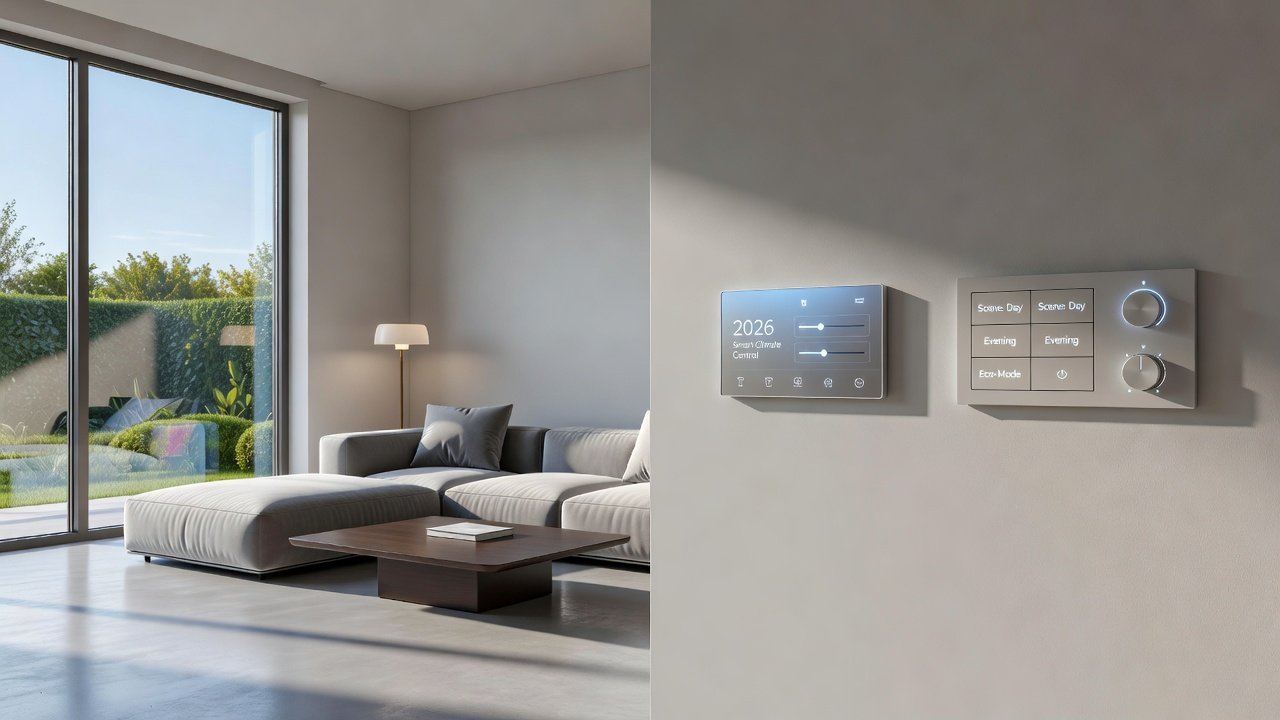
Homeowners renovating in 2026 increasingly prioritize smart upgrades that deliver measurable financial returns. This analysis focuses on energy efficiency gains, impacts on property resale, and realistic payback timelines to guide data-driven decisions. Integrating technology with thoughtful design enhances both daily living and long-term value. As modern homes evolve, blending automation with sustainable practices becomes essential for maximizing returns on renovation investments. Smart systems allow precise control over resources while contributing to overall property appeal in competitive real estate markets.
Key ROI Metrics for Smart Upgrades
Understanding core metrics helps evaluate any project. Energy savings represent ongoing reductions in utility costs through automated controls that optimize heating, cooling, and lighting based on occupancy patterns. Resale impact measures how buyers perceive and pay premiums for connected homes equipped with integrated technology. Payback periods calculate the time required for cumulative benefits to offset initial investments, often influenced by local climate and usage habits. These factors combine to show whether upgrades align with renovation goals. Additional considerations include improved home security features that reduce insurance risks and enhanced convenience that improves quality of life. Data from industry reports consistently shows that well-chosen smart devices can improve efficiency metrics across multiple categories simultaneously.
Comparing High-ROI Devices: Thermostats vs. Full Ecosystems
Smart thermostats often rank among the strongest performers due to quick integration and consistent savings across seasons. In contrast, full ecosystem installations involve lighting, security, and appliances that create seamless experiences but require larger commitments in both budget and setup time. Homeowners should weigh standalone devices against comprehensive systems based on property size and lifestyle needs. For example, a single-family residence might benefit from layering thermostat controls with basic security sensors before expanding to voice-activated appliances. Targeted additions frequently outperform broad overhauls in shorter timelines. Starting with climate control before expanding to entertainment hubs allows incremental testing of returns while minimizing disruption during renovations. Comparing device categories reveals that energy-focused tools tend to deliver faster measurable outcomes than entertainment-centric additions.
Step-by-Step Calculation Methods
Calculating returns involves straightforward steps that can be adapted to individual properties. First, estimate baseline energy usage from recent bills to establish a starting point. Second, project reductions using manufacturer efficiency ratings and local utility rate structures. Third, factor in potential resale appreciation from market reports and comparable sales data. Finally, divide total costs by annual benefits to determine payback while accounting for any maintenance expenses over time. This method supports customized projections tailored to specific homes. Homeowners can create spreadsheets that track variables such as seasonal variations and device interactions. Practical examples include modeling a thermostat upgrade against historical usage data to forecast monthly reductions. Incorporating sensitivity analysis for different usage scenarios strengthens the reliability of projections and helps prioritize which upgrades offer the highest potential returns.
Case Studies from Recent Projects
Recent renovations demonstrate varied outcomes across different property types. A suburban family home added climate and lighting controls, achieving noticeable efficiency improvements within the first year through automated scheduling. An urban condo pursued a broader security and appliance network, boosting buyer interest during sale by highlighting modern conveniences. These examples highlight how scale and property type influence results. Another case involved a rural property incorporating outdoor sensors that enhanced both security and energy management. Each project underscores the importance of aligning technology choices with specific household patterns and long-term occupancy plans. Analyzing these real-world applications provides valuable insights into potential challenges and successes when implementing similar upgrades.
Budgeting Worksheets and Planning Tools
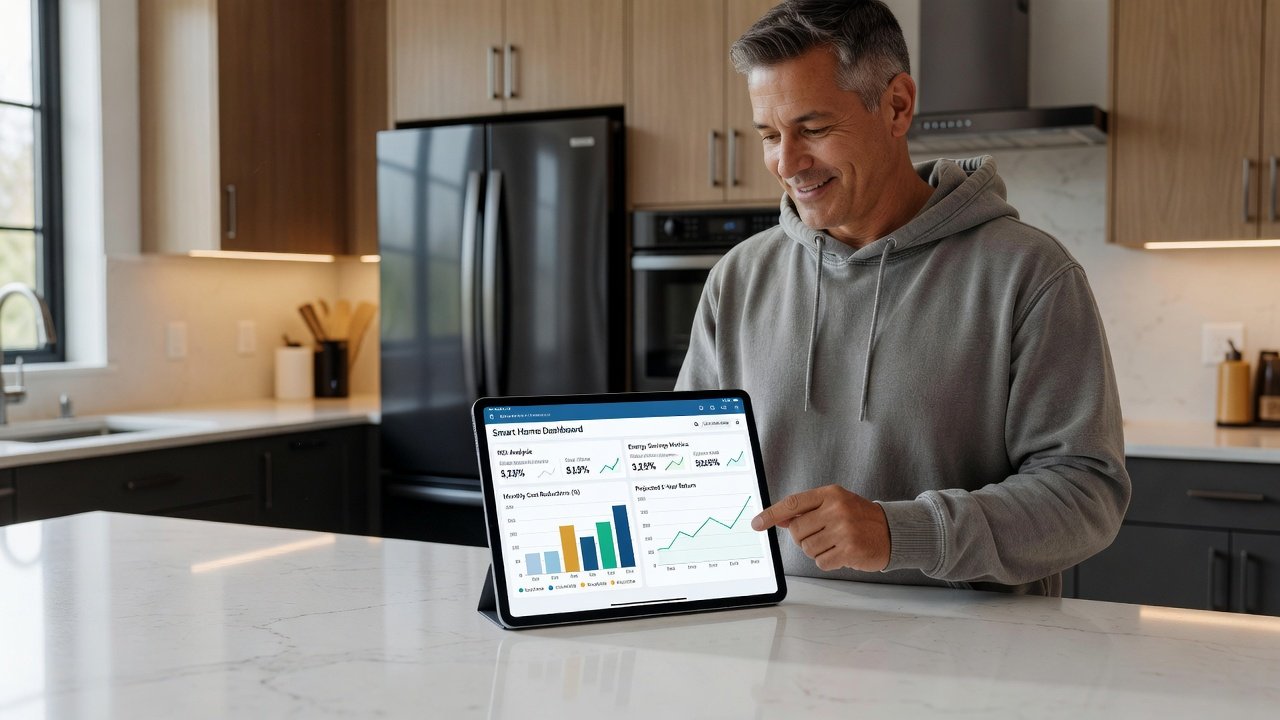
Effective planning starts with itemized lists separating hardware, installation, and ongoing subscriptions. Homeowners benefit from prioritizing devices with proven quick returns before scaling up to more complex integrations. Allocating funds across phases prevents overspending while capturing maximum value from each addition. Worksheets should include sections for tracking projected versus actual performance over the first twelve months. Tools like digital templates allow users to input local data and adjust for variables such as home age or regional energy costs. This structured approach supports informed decision-making throughout the renovation process and helps maintain focus on high-impact areas.
Common Pitfalls to Avoid
- Overlooking compatibility between devices from different brands that may require additional hubs or software bridges
- Ignoring long-term maintenance requirements such as software updates and battery replacements
- Underestimating installation complexities in older structures where wiring or connectivity issues arise
- Focusing solely on upfront costs without lifecycle analysis that includes replacement cycles
- Neglecting user training which can reduce the effectiveness of advanced features
Avoiding these issues ensures smoother implementation and stronger overall returns across the project lifecycle.
Long-Term Maintenance Costs and Considerations
Maintenance plays a critical role in sustaining returns from smart home investments. Regular software updates keep systems secure and efficient while preventing performance degradation. Homeowners should plan for periodic professional inspections, especially for integrated security components. Understanding warranty terms and support options from manufacturers helps mitigate unexpected expenses. Over time, these considerations contribute to reliable operation and preserved property value.
FAQ Section
How do smart upgrades affect home insurance?
Many providers offer discounts for enhanced security features, though coverage details vary by policy and require documentation of installed systems.
What is the typical lifespan of these systems?
Most components last five to ten years with proper updates and care, depending on usage intensity and environmental conditions.
Can renters benefit from portable smart devices?
Yes, many options require no permanent changes and deliver immediate efficiency gains while remaining easy to relocate.
How do smart upgrades interact with existing home design elements?
Modern devices often feature customizable aesthetics that complement various interior styles without requiring major alterations.
What role does professional installation play in achieving optimal ROI?
Expert setup ensures proper integration and calibration, reducing the risk of underperformance and extending system reliability.
Conclusion
Data-driven smart home upgrades in 2026 blend efficiency, design, and financial foresight for lasting benefits. By focusing on high-impact devices and methodical evaluation, homeowners maximize both immediate comfort and future value. Resources from authoritative sources such as official energy efficiency guidance, housing industry research, and environmental protection insights provide additional guidance for ongoing projects and help refine strategies over time.


No comments yet. Be the first!