 Fixated on Home

Introduction to Modular Smart Home Upgrades in 2026
As homeowners plan renovations for 2026, modular smart home upgrades stand out as a forward-thinking strategy that emphasizes flexibility and scalability. These systems allow incremental enhancements to lighting, security, climate control, and entertainment without committing to rigid, all-or-nothing installations. Unlike traditional fixed smart setups that often demand extensive rewiring and professional intervention from the start, modular options empower users to begin small and expand as needs evolve, budgets permit, or new technologies emerge. This approach aligns perfectly with shifting lifestyle demands, such as remote work spaces, aging-in-place features, or multi-generational living arrangements. By focusing on open-standard protocols, modular upgrades reduce long-term obsolescence risks and support seamless adaptation to emerging design trends like sustainable materials and minimalist aesthetics. Homeowners benefit from reduced renovation disruption while achieving measurable improvements in energy efficiency, convenience, and property value over time.
Selecting the Right Modular Components for Your Home
Effective selection begins with a thorough audit of your current home layout, electrical infrastructure, and priority areas for automation. Key considerations include device interoperability, power requirements, and expandability. Opt for components built on widely supported standards such as Matter, Zigbee, or Z-Wave to ensure they communicate across brands and ecosystems. Start by identifying foundational modules like smart lighting controls, programmable thermostats, and versatile smart plugs that serve as building blocks for larger networks. Evaluate wireless mesh capabilities for reliable coverage in multi-story homes versus wired solutions for new construction zones. Additional factors involve battery life for portable sensors, firmware update policies from manufacturers, and integration with voice assistants or mobile apps. Create a compatibility checklist before purchasing: verify hub support, review user forums for real-world performance, and consider future add-ons like water leak detectors or motorized blinds. This methodical process prevents costly mismatches and lays the groundwork for a truly adaptable system that grows with your household.
Seamless Integration into Existing Layouts and Infrastructure
Integration succeeds through careful planning that respects your home's architectural constraints while minimizing visible alterations. Begin by mapping signal pathways and identifying optimal placement for hubs, repeaters, and sensors to avoid dead zones. Wireless modular kits excel here because they leverage existing outlets and require no invasive wall work in many cases. For homes with outdated wiring, prioritize battery-operated or plug-in modules that clip or adhere without permanent changes. Layer automation gradually by room or function—perhaps starting with entryway security before expanding to whole-home lighting scenes. Test network stability using smartphone apps during setup phases, and incorporate redundant pathways such as multiple hubs or Ethernet backhaul where feasible. Professional installers recommend documenting every connection point for future troubleshooting. This strategy ensures modules enhance rather than clash with existing decor and layouts, delivering intuitive control through unified dashboards or voice commands.
Detailed Step-by-Step Retrofit Examples Across Key Areas
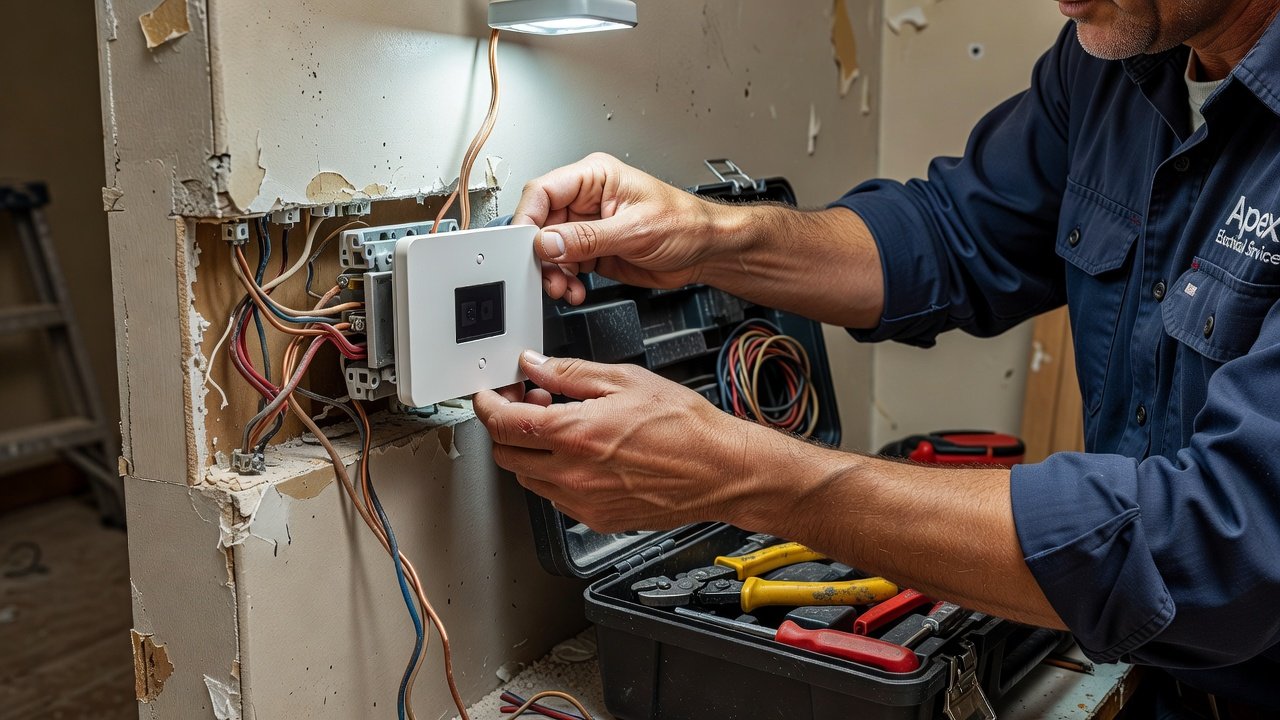
Consider a comprehensive retrofit for a typical family living room. First, audit existing fixtures and swap standard bulbs for modular smart LED modules that support color temperature tuning and scheduling. Install a central smart plug strip under furniture to power lamps and chargers, then pair it with motion-activated sensors for occupancy-based automation. Connect these to a Matter-compatible hub and define scenes via the companion app, such as evening dimming triggered by sunset data. Expand next to window treatments by adding clip-on motorized modules that retrofit onto current rods without replacement. In the kitchen, retrofit under-cabinet areas with magnetic LED strips controlled by inline wireless switches, enabling hands-free operation during meal prep. For bedrooms, begin with bedside smart plugs linked to sleep-tracking routines before adding environmental sensors for humidity and air quality monitoring. Each step includes verification testing: confirm app responsiveness, adjust sensitivity settings, and iterate based on daily usage patterns. These examples demonstrate how modular retrofits transform spaces progressively while preserving original design elements.
Comparisons with Fixed Smart Systems and Long-Term Advantages
Fixed smart systems typically involve proprietary wiring and centralized controllers that lock users into specific ecosystems, often necessitating full replacement during upgrades. In contrast, modular solutions emphasize interchangeability and phased deployment, allowing easy swaps or additions as preferences shift. Fixed installations may deliver tighter performance in brand-new builds but frequently incur higher upfront labor costs and limit customization later. Modular setups reduce renovation timelines by avoiding demolition and support sustainability through reusable components. Homeowners report greater satisfaction with modular flexibility when accommodating life changes like adding family members or converting rooms for hobbies. Decision frameworks should weigh initial investment against projected adaptability, with modular approaches generally favored for existing properties undergoing 2026 updates.
Cost-Benefit Analyses, Practical Case Studies, and ROI Insights
While avoiding specific dollar figures, qualitative analyses highlight phased spending patterns that spread expenses across multiple budget cycles alongside ongoing savings from optimized energy use and reduced maintenance. One detailed case study involved a suburban couple who started with three core modules in their entry and living areas, then scaled to twelve over eighteen months as they renovated additional spaces. They achieved unified control across security, lighting, and climate functions with minimal professional assistance. Another example featured an urban loft owner who integrated modular sensors into an open-plan layout, resulting in automated routines that improved daily comfort and supported remote monitoring during travel. These real-world applications underscore benefits like faster project completion, lower waste from incremental changes, and enhanced resale appeal through documented smart infrastructure. Expert observers note that such systems often outperform fixed alternatives in user satisfaction surveys due to their forgiving nature during trial-and-error phases.
Expert Tips on Compatibility, Planning, and Avoiding Pitfalls
Compatibility challenges arise primarily from mixing closed ecosystems, so cross-reference device certifications early. Resources from NIST provide valuable guidance on secure IoT deployment practices. Plan your project timeline by prioritizing high-impact zones and scheduling installations during low-occupancy periods. Maintain a digital inventory of all modules including firmware versions and network credentials. Common pitfalls include overlooking signal interference from thick walls or appliances—mitigate with mesh extenders—and neglecting regular software updates that patch vulnerabilities. Consult manufacturer support portals and community forums for model-specific advice. For broader standards context, review materials available at IEEE. These practices ensure long-term reliability and smooth expansion.
Common Mistakes to Avoid During Modular Upgrades
Many first-time users underestimate the importance of centralized hubs, leading to fragmented control experiences. Another frequent error involves purchasing non-expandable entry-level kits that require full replacement later. Always verify power source compatibility to prevent device failures in high-traffic areas. Skipping initial network mapping can result in unreliable automation triggers. Finally, resist the urge to automate everything immediately; instead, validate each module's performance before layering additional complexity.
Future-Proofing Your Modular System for Emerging Trends
Look ahead to 2026 advancements in AI-driven personalization and energy grid integration. Choose modules with strong update roadmaps and open APIs to accommodate future features like predictive maintenance or carbon-footprint tracking. This forward orientation maximizes the lifespan of your investment while aligning with broader sustainability movements promoted by organizations such as Energy.gov.
FAQ: Addressing Common Installation Challenges and Questions
- How do I handle Wi-Fi dead zones in larger homes? Deploy compatible mesh repeaters or powerline adapters that extend coverage without new wiring runs.
- What options exist when existing switches lack module support? Utilize inline relay modules hidden behind fixtures or opt for fully wireless battery versions with adhesive mounting.
- Are modular systems inherently secure? Implement two-factor authentication, segment networks where possible, and follow established cybersecurity frameworks for connected devices.
- Can different brands coexist effectively? Prioritize Matter-certified products to enable cross-brand communication and unified app experiences.
- How long does a typical phased rollout take? Most homeowners complete initial zones in one weekend and expand gradually over subsequent months based on usage feedback.
- What maintenance routines are recommended? Schedule quarterly firmware checks and sensor recalibrations to maintain optimal performance and security posture.
Conclusion
Modular smart home upgrades represent a practical, adaptable pathway for 2026 renovations that balance immediate functionality with long-term flexibility. Through deliberate component selection, thoughtful integration, and phased implementation supported by expert practices, homeowners can create responsive environments tailored to changing requirements. This methodology not only enhances daily living but also positions properties for sustained relevance amid rapid technological progress.
No comments yet. Be the first!