 Fixated on Home
Introduction to Smart Zoning in Modern Homes
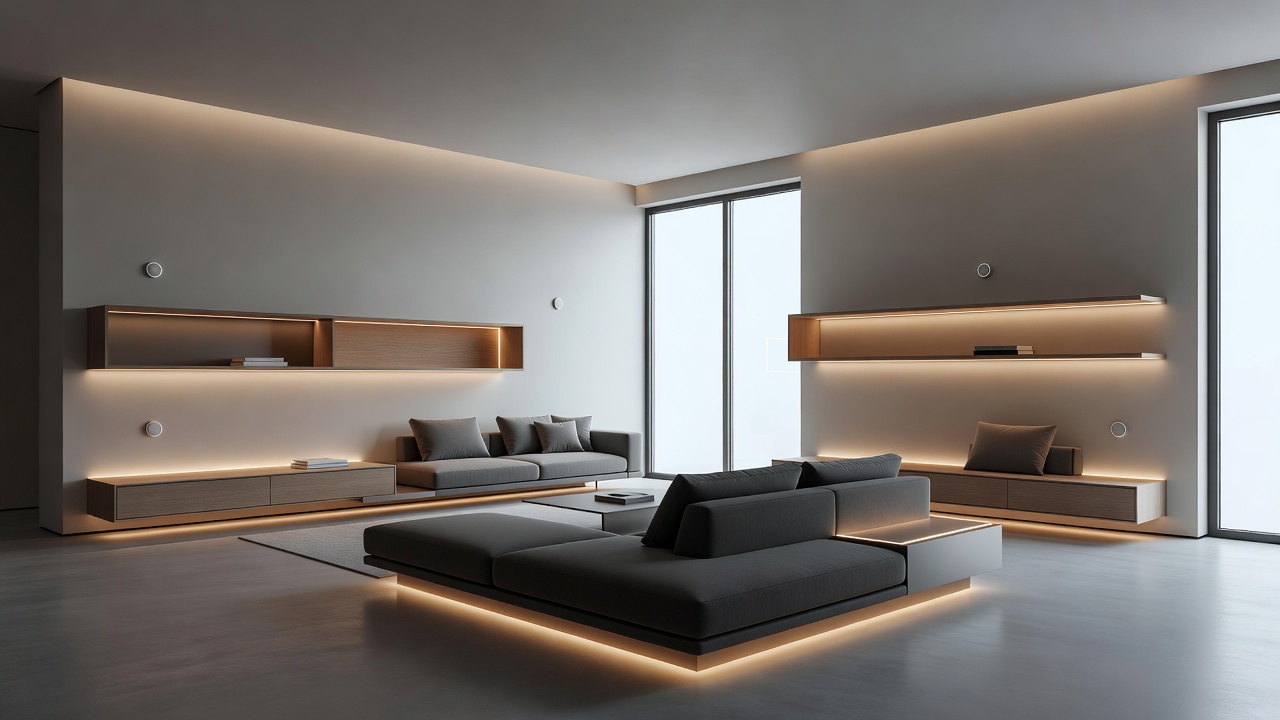
Homeowners renovating in 2026 are increasingly turning to smart zoning to enhance comfort while reducing energy waste. Unlike whole-home systems, zoning divides spaces into independent areas for precise control over lighting and climate. This approach supports modern design goals by integrating seamlessly with renovations, delivering targeted efficiency without major overhauls. In today’s market, where energy costs continue to fluctuate and sustainability remains a priority, zoning offers a practical solution that aligns with both aesthetic upgrades and functional improvements.
Smart zoning focuses on automated responses to occupancy, time of day, and preferences. It creates comfortable environments in frequently used rooms while conserving resources elsewhere. The result is a balanced upgrade that aligns with sustainable living trends. Homeowners report improved indoor air quality and reduced utility bills when zones are properly configured. This guide explores the full process from initial assessment through long-term maintenance, providing actionable insights tailored to 2026 renovations.
Assessing Room Layouts for Effective Zoning
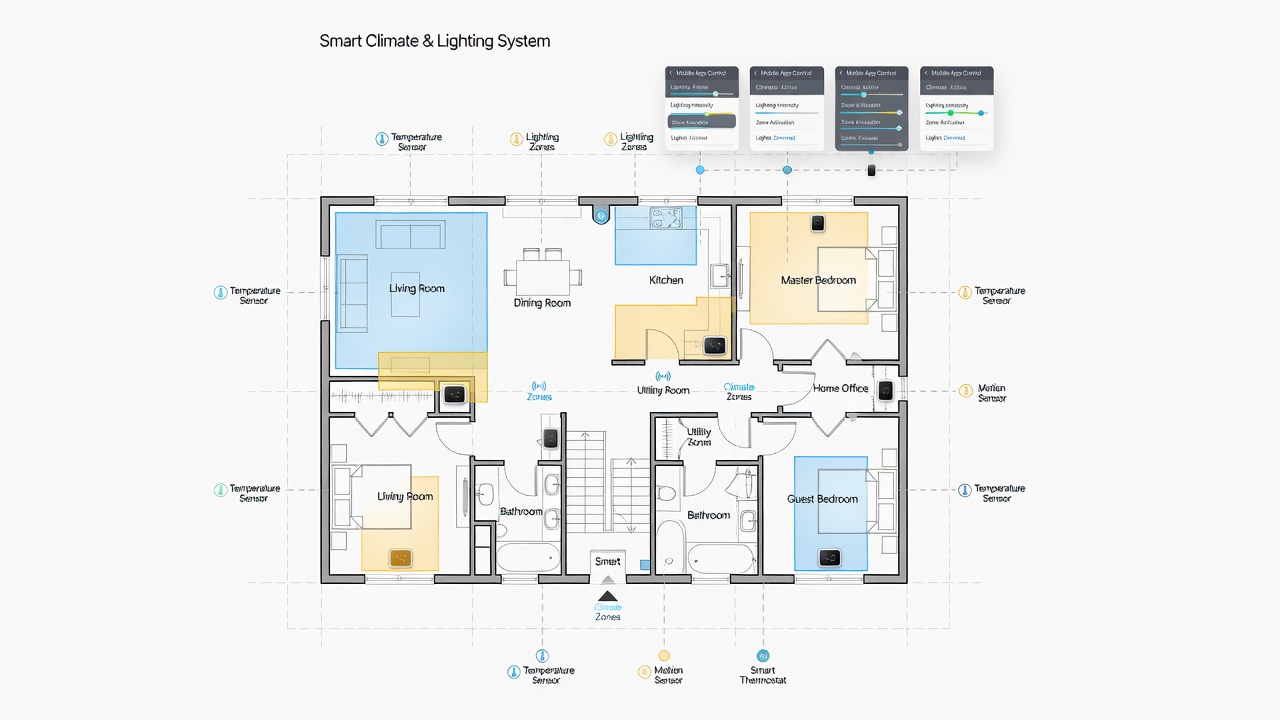
Begin by evaluating your home’s floor plan. Identify high-traffic areas like living rooms and kitchens versus low-use spaces such as guest bedrooms. Measure square footage and note natural light sources, insulation levels, and existing HVAC vents or wiring. Consider how sunlight patterns change throughout the day and how family members move between rooms. Professional assessors often use infrared cameras or simple smartphone apps to detect temperature variations that indicate poor zoning opportunities.
Map zones based on usage patterns. For example, group open-concept areas into one zone if they share similar needs, or split them if activities differ. Use digital tools or simple sketches to visualize boundaries. This assessment prevents over- or under-zoning, ensuring controls match real-life habits. Take time to interview household members about their daily routines. Document peak usage hours and preferred temperatures or lighting levels. A thorough audit may take several hours but saves significant time during installation and prevents costly adjustments later.
Selecting Zone-Compatible Smart Devices
Choose devices designed for multi-zone operation. Look for smart thermostats with multi-room sensors, LED lighting systems with app-based grouping, and motorized shades that respond to individual areas. Compatibility with protocols like Zigbee or Z-Wave allows flexible expansion. Evaluate devices based on response time, energy consumption ratings, and warranty length. Many 2026 models now include AI-driven learning that adapts to seasonal changes automatically.
Prioritize energy-efficient models certified for performance. Verify that chosen devices support scheduling, geofencing, and integration with voice assistants. Testing compatibility before purchase avoids future frustrations during installation. Popular choices include multi-sensor hubs that monitor humidity alongside temperature and motion. Always cross-reference device specifications with your existing electrical infrastructure to confirm voltage and wiring requirements.
Integrating with Existing Home Systems
Seamless integration starts with a central hub or smart home platform. Connect new zoning components to your current Wi-Fi network and any legacy thermostats or lighting controls. Many systems allow phased rollouts, letting you add zones gradually without disrupting daily life. Check router capabilities first, as older models may require mesh network upgrades for reliable coverage across all zones.
Ensure data privacy by selecting platforms with strong encryption. Update firmware regularly to maintain security. Professional electricians or installers can handle complex wiring ties, especially in older homes undergoing renovation. Integration often involves creating custom scenes that combine lighting and climate adjustments. Test each connection individually to isolate issues quickly. Homeowners who integrate zoning with existing security systems gain additional benefits such as automatic adjustments when the house is unoccupied.
Practical Steps for Implementation
- Conduct a full home audit and define 3–6 zones based on your assessment. Include notes on furniture placement and window orientations.
- Install sensors in each zone to monitor temperature, occupancy, and light levels. Position sensors away from direct sunlight or heat sources for accurate readings.
- Configure the central app to set schedules and automation rules per zone. Start with simple rules before adding complex conditional triggers.
- Test each zone independently before full activation. Run simulations for different times of day and occupancy scenarios.
- Monitor performance for the first month and adjust boundaries as needed. Review weekly reports generated by most platforms to identify optimization opportunities.
- Document all settings and create backup configurations in case of system resets.
Document settings for future reference. This step-by-step method minimizes errors and delivers quick wins in comfort and savings.
Real-Home Examples of Zone Mapping
In a suburban two-story home, owners mapped the ground floor into three zones: kitchen-dining, living area, and entryway. Upstairs bedrooms formed separate zones with occupancy-based lighting. Sensors adjusted cooling only in occupied spaces, creating noticeable efficiency gains during summer months. The family noted that morning routines became smoother because the kitchen zone warmed quickly while bedrooms remained cooler until needed.
Another example involves a loft apartment where open space was divided virtually into work, relaxation, and sleep zones. Automated lighting followed daily routines, dimming in unused sections while maintaining ideal temperatures in active areas. These cases show how zoning adapts to varied architectures. A third example from a ranch-style home demonstrated success with outdoor-adjacent zones that incorporated smart shades to manage solar heat gain throughout the day.
Comparisons of Popular Zoning Platforms
Leading options include systems from major smart home brands that emphasize multi-room climate and lighting control. One platform excels in easy app interfaces and broad device support. Another offers advanced analytics for usage tracking and finer sensor granularity. Compare features such as voice compatibility, scalability, and third-party integrations before deciding. Some platforms provide better support for older homes with legacy wiring, while others focus on new construction with built-in automation.
Review user forums and official documentation to understand real-world reliability. Platforms that support both new construction and retrofits provide the most flexibility for 2026 upgrades. Consider long-term software update policies and community support when making your selection.
Maintenance Tips and FAQ
How often should zones be recalibrated?
Recalibrate seasonally or after major layout changes. Regular checks ensure sensors remain accurate and responsive to new furniture arrangements or renovations.
What if a device fails in one zone?
Most systems allow isolated troubleshooting without affecting other zones. Keep spare sensors on hand for quick swaps and maintain a list of compatible replacement parts.
Can zoning work with older HVAC units?
Yes, through compatible dampers and smart controllers. Consult a technician for compatibility assessments and potential upgrades to ductwork.
How do I handle seasonal changes?
Adjust zone schedules at the start of each season and review energy reports monthly to fine-tune settings.
Perform annual system updates and clean sensors to sustain performance. Address connectivity issues promptly to avoid disruptions.
Conclusion
Smart zoning delivers targeted efficiency for modern home upgrades. By carefully assessing layouts, selecting compatible devices, and following structured implementation, homeowners achieve lasting comfort and savings. Explore resources from the U.S. Department of Energy, U.S. Environmental Protection Agency, and ENERGY STAR for additional guidance on energy-efficient practices. Start small, expand thoughtfully, and enjoy the benefits of a truly responsive home environment.
No comments yet. Be the first!