 Fixated on Home
Introduction to Smart Energy Monitoring in Modern Homes
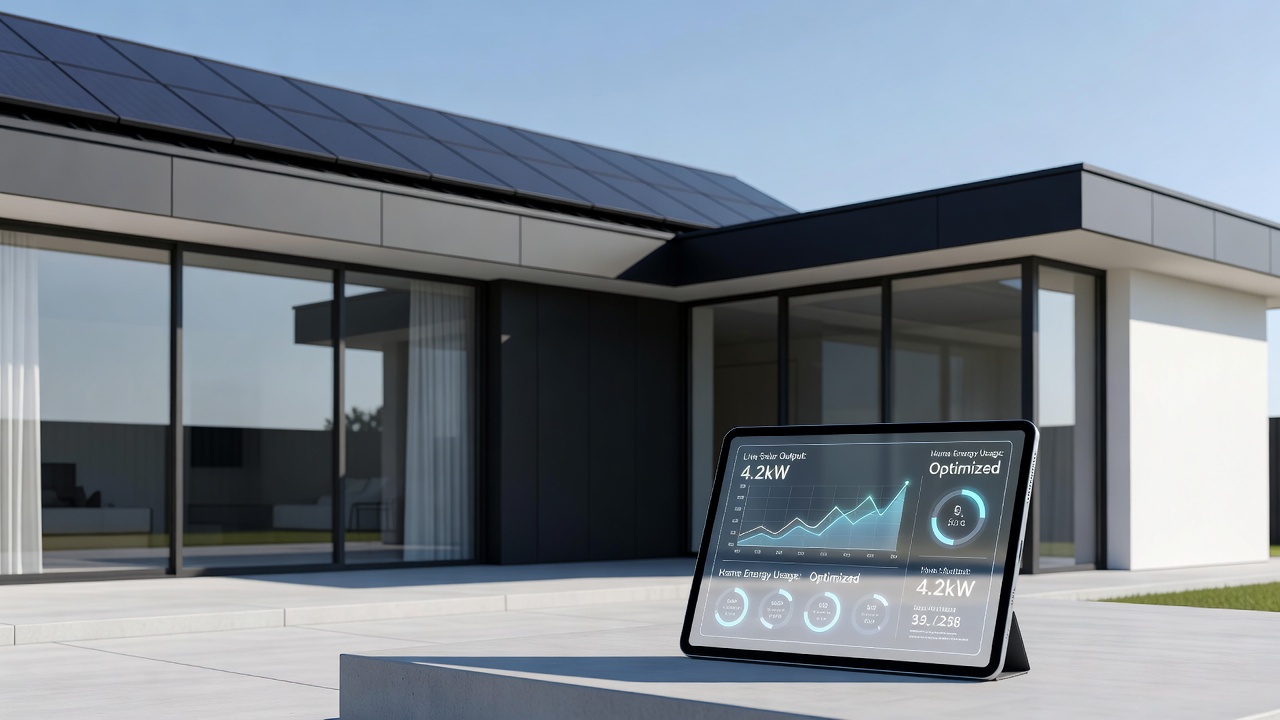
As homeowners plan renovations in 2026, integrating real-time energy monitoring systems offers a powerful way to track consumption, identify inefficiencies, and optimize usage. These upgrades align with growing trends in sustainable design, helping reduce utility bills while enhancing home value. Whether retrofitting an older property or building new, energy monitoring provides actionable insights that go beyond basic smart thermostats. Homeowners today face increasing demands for energy transparency, especially as utility rates fluctuate and environmental awareness rises. By embedding monitoring tools early in the renovation process, families gain visibility into every circuit, enabling informed decisions that compound over years of occupancy.
This comprehensive guide explores practical integration methods, device comparisons, installation techniques for existing wiring, analytics dashboards, and compatibility with features like smart lighting. Homeowners will find a beginner checklist, cost-benefit insights, and answers to common retrofit questions, all tailored to 2026 realities.
Why Prioritize Energy Monitoring Upgrades in 2026
2026 trends emphasize whole-home efficiency through data-driven tools. Real-time monitoring reveals patterns in appliance use, lighting, and HVAC systems, enabling targeted reductions. It supports broader sustainability goals by minimizing waste and integrating with renewable sources like solar panels. Many modern renovations now incorporate these systems to meet emerging green building certifications that reward measurable performance data.
Key benefits include identifying phantom loads from electronics left on standby and optimizing peak-hour usage to avoid demand charges. In renovations, these systems future-proof homes against rising energy demands and evolving regulations. For example, a family renovating a 1980s ranch house discovered through monitoring that their entertainment center drew continuous power equivalent to several lamps, prompting immediate changes that lowered monthly consumption noticeably within weeks.
Comparing Popular Energy Monitoring Devices
Several devices stand out for 2026 homes. Whole-home monitors like those from Sense or Emporia offer circuit-level tracking, while plug-in options provide room-specific data. When comparing, consider accuracy, app usability, and compatibility with existing electrical panels. Whole-home units deliver broad overviews ideal for large properties, whereas modular plug-based systems allow gradual expansion during phased upgrades.
- Whole-home systems excel for comprehensive views but require professional setup in some cases.
- Modular devices suit DIY enthusiasts and scale easily during phased renovations without disrupting daily life.
- Look for models with AI-driven insights that predict usage trends based on 2026 data patterns and weather integration.
- Compare battery backup features for continued logging during outages and cloud versus local storage options for privacy-conscious users.
Choose based on home size and renovation scope for optimal results, always verifying firmware update support to keep pace with future software enhancements.
Step-by-Step Installation in Existing Wiring
Retrofitting energy monitors into current wiring is straightforward with proper preparation. Always prioritize safety by turning off power at the breaker and using insulated tools. Begin by documenting your panel layout with photos before starting any work.
- Assess your electrical panel to confirm compatibility with the chosen monitor, noting amperage ratings and available space.
- Install current transformers around main lines following manufacturer guidelines, ensuring secure clamps without pinching wires.
- Connect the device to your home Wi-Fi network for real-time data streaming, testing signal strength at the panel location first.
- Configure the app to label circuits for accurate tracking of lights, appliances, and HVAC, using test loads like a known-wattage lamp to validate readings.
- Secure all connections and restore power gradually, monitoring the app for immediate alerts on any anomalies.
Many systems integrate without major rewiring, making them ideal for 2026 upgrades. If your home has aluminum wiring or an older panel, consult a licensed electrician to avoid complications.
Examples of Dashboard Analytics
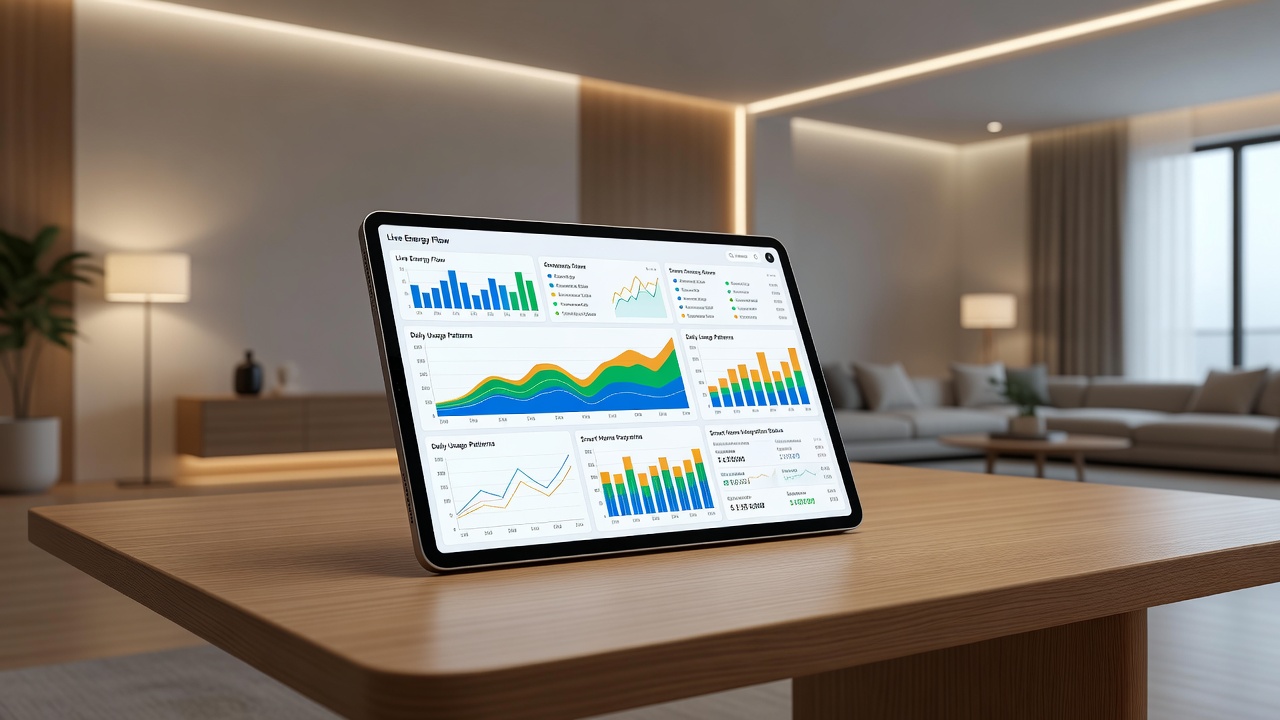
Modern dashboards display consumption in intuitive graphs, highlighting daily, weekly, and seasonal trends. Users can drill down into specific circuits to spot high-usage periods. For instance, analytics might show lighting accounting for 20% of evening loads, prompting smart controls or bulb replacements. Another example involves tracking HVAC runtime during summer months, revealing opportunities to adjust thermostat schedules or add smart vents for balanced distribution.
Exportable reports help track progress toward efficiency goals during renovations. Advanced users often overlay weather data to correlate outdoor temperatures with indoor energy spikes, providing deeper context for long-term planning.
Integration with Other Smart Features Like Lighting
Energy monitors pair seamlessly with smart lighting systems. Automated schedules based on real-time data can dim lights during low-occupancy times. This synergy reduces overall consumption while maintaining comfort and ambiance. In practice, a homeowner might link monitoring alerts to voice assistants so that excessive evening usage triggers automatic adjustments across multiple rooms.
Platforms supporting open protocols allow unified control through a single app, streamlining management in renovated homes. Integration extends to appliances and EV chargers, creating a cohesive ecosystem where energy data informs decisions across every connected device.
Beginner-Friendly Checklist for Retrofit Projects
- Evaluate current energy bills for baseline data over at least three months to establish reliable comparisons.
- Research devices compatible with your panel type and verify local building code requirements before purchase.
- Plan installation around renovation timelines to minimize disruption to family routines or contractor schedules.
- Test monitoring accuracy post-setup with known loads such as a space heater or microwave.
- Schedule regular reviews of analytics to refine usage habits and celebrate incremental improvements.
- Ensure integration with existing smart home hubs for expanded functionality like automated alerts.
- Document all wiring changes and app configurations for future reference or resale value.
Cost-Benefit Comparisons
While specific pricing varies, qualitative analysis shows monitoring systems typically deliver strong returns through reduced waste. Savings compound when paired with efficiency upgrades like LED lighting or better insulation. Long-term benefits include lower environmental impact and increased home appeal for eco-conscious buyers. Over multiple years, the visibility gained often justifies the initial investment by guiding more targeted spending on high-impact improvements rather than guesswork.
Common Mistakes to Avoid During Installation
Many first-time users overlook proper circuit labeling, leading to confusing data later. Another frequent error involves ignoring firmware updates that patch security vulnerabilities. Always double-check Wi-Fi connectivity before closing the panel, and avoid overloading shared circuits that can skew readings. Taking time to calibrate each sensor ensures reliable long-term performance.
FAQ: Addressing Common Retrofit Challenges
How difficult is installation for non-professionals?
Many kits include clear instructions suitable for DIYers with basic electrical knowledge, though consulting an electrician is recommended for complex panels or aluminum wiring situations.
Can monitors work with older homes?
Yes, most 2026 models adapt to varied wiring, though older properties may need minor updates for full functionality and accurate readings across all circuits.
What about data privacy?
Reputable systems encrypt usage data and allow user control over sharing settings, with options for local storage to limit cloud exposure.
How does it support sustainable design trends?
By providing visibility, monitoring encourages behaviors and upgrades aligned with 2026 green building standards, often contributing to certification points.
Conclusion
Smart energy monitoring upgrades empower 2026 homeowners to achieve efficiency and sustainability. From device selection to integration and ongoing analytics, these systems deliver measurable value. Start with a thorough assessment of your renovation plans to maximize impact. For authoritative guidance on energy efficiency, visit energy.gov, iea.org, and energystar.gov.


No comments yet. Be the first!