 Fixated on Home
Introduction: Why Air Quality Matters in 2026 Homes
Modern homeowners are increasingly prioritizing wellness alongside aesthetics during renovations. Poor indoor air quality can contribute to respiratory issues, allergies, and reduced comfort, making smart upgrades essential. This guide explores integrating intelligent air quality solutions that align with contemporary design while enhancing health outcomes. In 2026, with rising awareness of environmental factors affecting daily living, homeowners are turning to technology that monitors and improves the air they breathe without disrupting the visual flow of their living spaces. Smart systems offer real-time data, automated responses, and integration with existing home infrastructure, creating environments that support long-term well-being.
Understanding Key Air Quality Challenges in Modern Homes
Today's airtight constructions trap pollutants like VOCs, dust, and humidity. Smart systems address these through real-time monitoring and automation, creating healthier living environments without compromising style. Common issues include off-gassing from new furniture, cooking byproducts, and outdoor allergens entering through windows. In energy-efficient homes, reduced natural airflow exacerbates these problems, leading to higher concentrations of contaminants over time. Homeowners renovating in 2026 often face the dual challenge of maintaining tight building envelopes for efficiency while ensuring adequate ventilation.
Sensor Placement Strategies for Optimal Monitoring
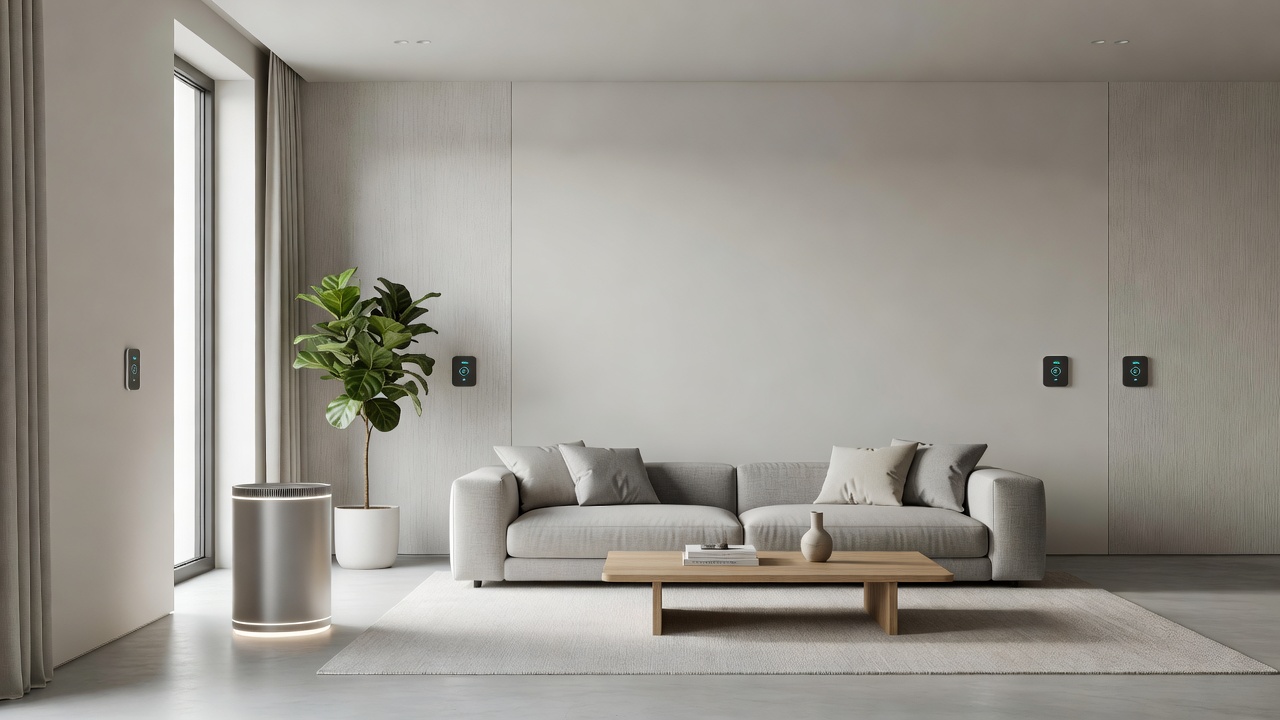
Strategic sensor positioning ensures accurate data collection. Place units in high-traffic areas like living rooms and kitchens, away from direct sunlight or vents. Multiple sensors per floor provide comprehensive coverage for automated responses. For example, in a two-story home, install one sensor near the kitchen to detect cooking fumes and another in the master bedroom for overnight air quality tracking. Avoid corners or behind curtains where airflow is restricted. Wireless sensors can be mounted at breathing height, typically 3 to 5 feet from the floor, to capture the most relevant readings for occupants.
Automated Ventilation Systems Explained
Smart ventilation integrates with HVAC to exchange stale air efficiently. Demand-controlled systems adjust based on CO2 levels, improving air exchange while minimizing energy use. These systems use algorithms to open dampers or activate fans only when thresholds are exceeded, preventing over-ventilation during mild conditions. In practice, a homeowner might set a rule that activates bathroom exhaust fans when humidity rises above 60 percent during showers, then returns to energy-saving mode automatically.
Integrating Air Purifiers with Existing HVAC
Whole-home purifiers connect seamlessly to central systems for uniform filtration. Look for HEPA and activated carbon options that complement ductwork without major modifications. Integration often involves adding a bypass filter unit that works alongside the furnace or air handler. This setup allows the purifier to treat air as it circulates, reducing the need for multiple standalone units. Compatibility checks with current duct sizes and fan speeds are crucial to avoid airflow restrictions.
Step-by-Step Installation Examples
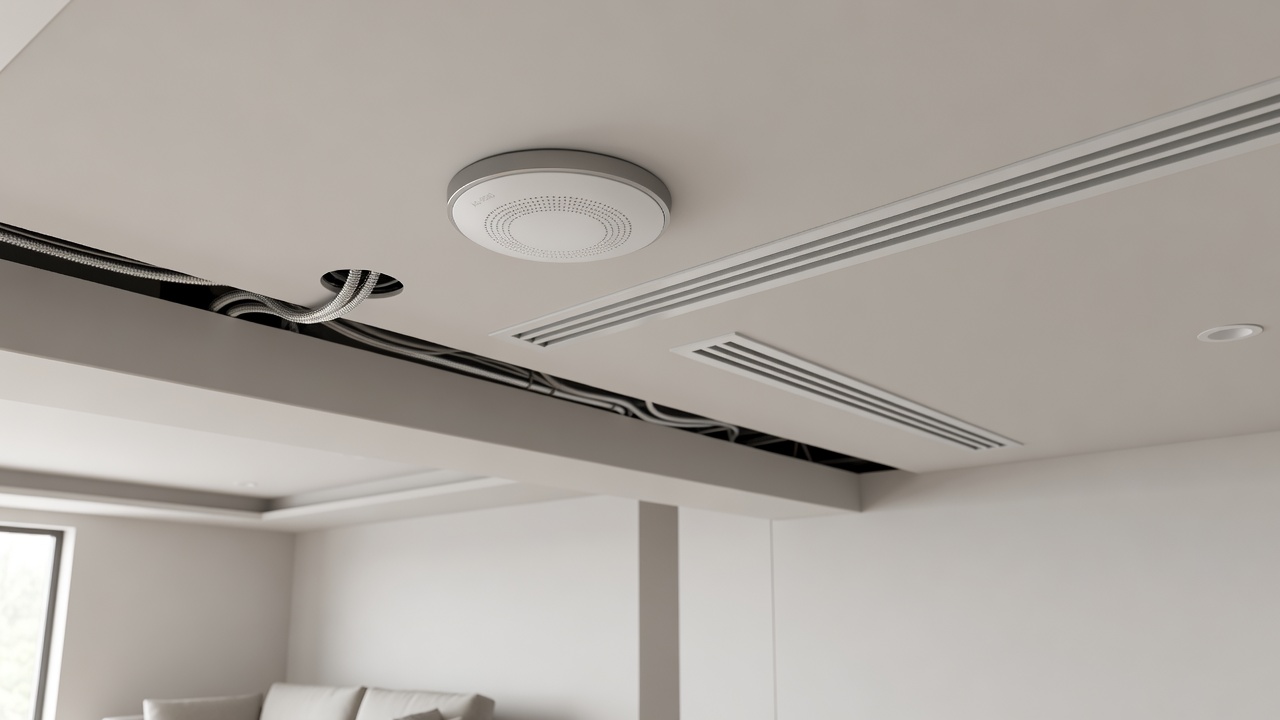
Begin by assessing your current HVAC layout and electrical capacity with a professional. Next, map sensor locations using a simple floor plan, ensuring coverage in every major room. Install the sensors first using adhesive mounts or screws, then pair them with a central smart hub via Wi-Fi or Zigbee protocols. Connect purifiers to the HVAC return duct or as standalone units in key zones. Configure automation rules in the companion app, such as triggering ventilation when particulate levels spike. Finally, run a full system test by introducing a controlled pollutant like incense smoke and verifying that readings trigger the expected responses within minutes.
Product Comparisons for Energy Efficiency
When evaluating options, consider filtration ratings such as MERV 13 or higher for fine particles and smart features like app-based scheduling. Energy-efficient models often include variable-speed fans that scale output to demand rather than running at full power constantly. Compare integration capabilities with popular platforms like Amazon Alexa or Google Home for unified control. Some units offer dual filtration stages that handle both gases and particulates, providing broader protection in homes with pets or recent renovations involving new materials.
Budget Considerations for 2026 Upgrades
Evaluate phased implementations starting with sensors before full system integration. Focus on scalable solutions that grow with home needs while maintaining design cohesion. Prioritize devices with modular components that allow future expansions, such as adding more sensors or upgrading filters without replacing the entire unit. Consider professional installation for complex HVAC ties to ensure warranty compliance and optimal performance from day one.
Mistakes to Avoid During Implementation
- Overlooking airflow patterns, which can lead to inaccurate sensor data.
- Choosing incompatible purifiers that strain existing HVAC motors.
- Ignoring regular filter replacement schedules, reducing long-term effectiveness.
- Placing devices in aesthetically pleasing but functionally poor locations.
- Failing to test automation rules thoroughly before relying on them daily.
Blending Technology with Home Design Aesthetics
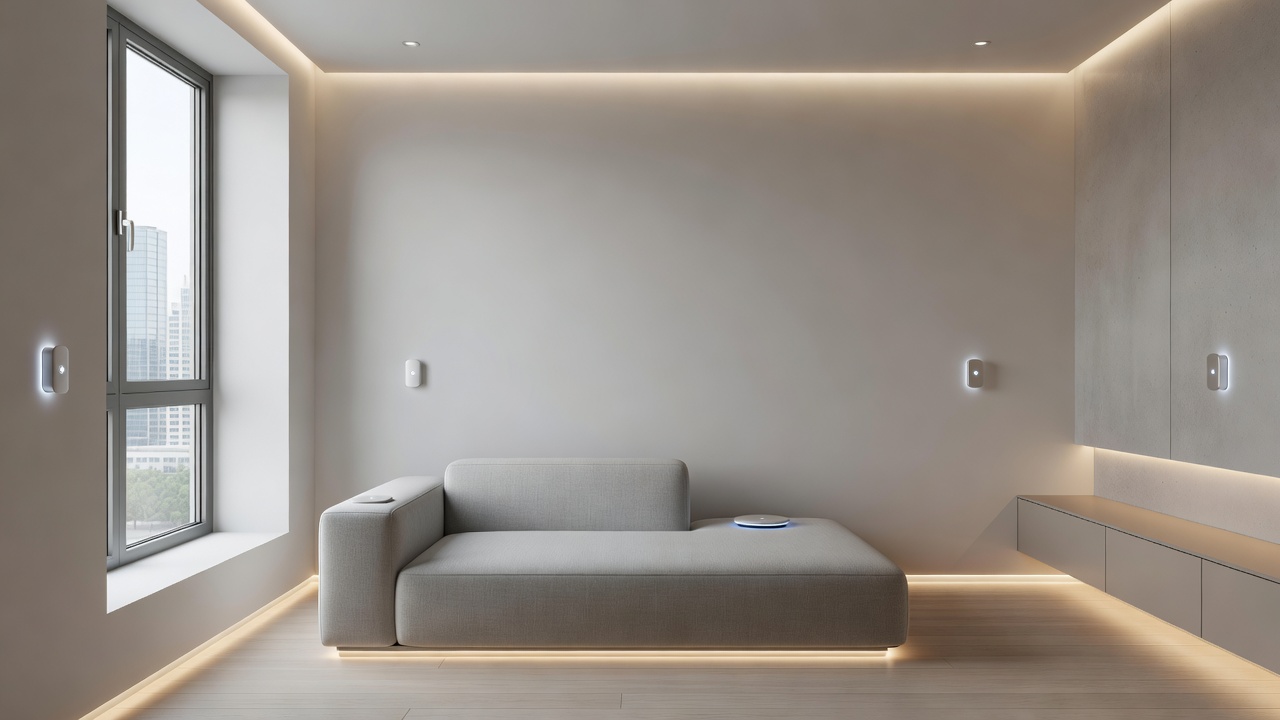
Choose minimalist devices that match interior palettes. Hidden installations and voice-controlled interfaces preserve visual appeal in open-concept spaces. Recessed sensors behind vents or within furniture can maintain clean lines while delivering full functionality. Many 2026 models feature customizable covers or neutral finishes that blend with walls, ensuring the technology enhances rather than detracts from the overall renovation vision.
Maintenance and Long-Term ROI
Regular filter changes and software updates maximize benefits. Homeowners report improved wellness and potential utility savings over time through consistent use. Establish a quarterly checklist that includes inspecting sensor calibration, replacing filters according to manufacturer guidelines, and reviewing app analytics for usage patterns. Over several years, these habits contribute to fewer respiratory complaints and better overall indoor comfort.
FAQs on Smart Air Quality Systems
How often should sensors be calibrated?
Annual professional checks combined with app-based self-calibration maintain accuracy and reliability across seasons.
Can these systems work with older homes?
Yes, wireless options retrofit easily into existing structures without requiring major ductwork changes or electrical upgrades.
What is the expected lifespan of purifier filters?
Typically 6-12 months depending on usage and air conditions, with some advanced models offering indicators for timely replacement.
Do smart systems require constant internet connectivity?
Basic functions operate locally, but full automation and remote monitoring benefit from a stable connection for firmware updates and alerts.
Conclusion
Smart air quality upgrades represent a forward-thinking approach to 2026 home renovations, merging health, efficiency, and style. By following these strategies, homeowners can create enduring wellness-focused living spaces. For more on indoor air standards, visit the EPA and WHO resources. Additional guidance on energy-efficient home practices is available at Energy.gov.
No comments yet. Be the first!