 Fixated on Home
Introduction to Custom Cabinetry in 2026 Bathroom Remodels
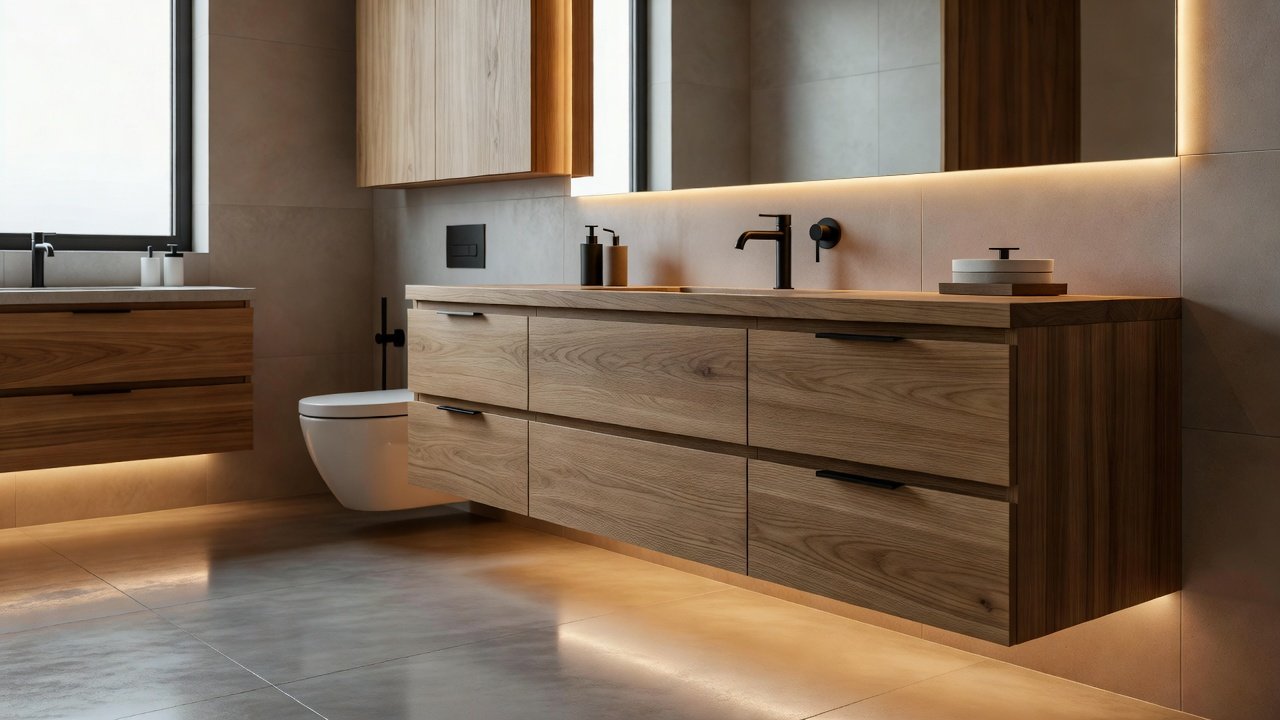
Custom cabinetry has become essential for homeowners tackling 2026 bathroom remodel projects. These tailored solutions blend superior storage with stylish home decor, creating personalized spaces that feel both practical and luxurious. Unlike stock options, custom designs address unique layouts, plumbing constraints, and aesthetic preferences to elevate the entire room. Homeowners increasingly seek upgrades that optimize every inch of space without sacrificing visual appeal. This guide explores sustainable materials, plumbing integration strategies, built-in versus modular comparisons, and actionable planning steps drawn from recent successful remodels. Whether your bathroom is compact or spacious, thoughtful cabinetry can transform clutter into calm, organized elegance while supporting modern lifestyle needs like charging stations and hidden laundry hampers.
Selecting Sustainable Materials and Finishes
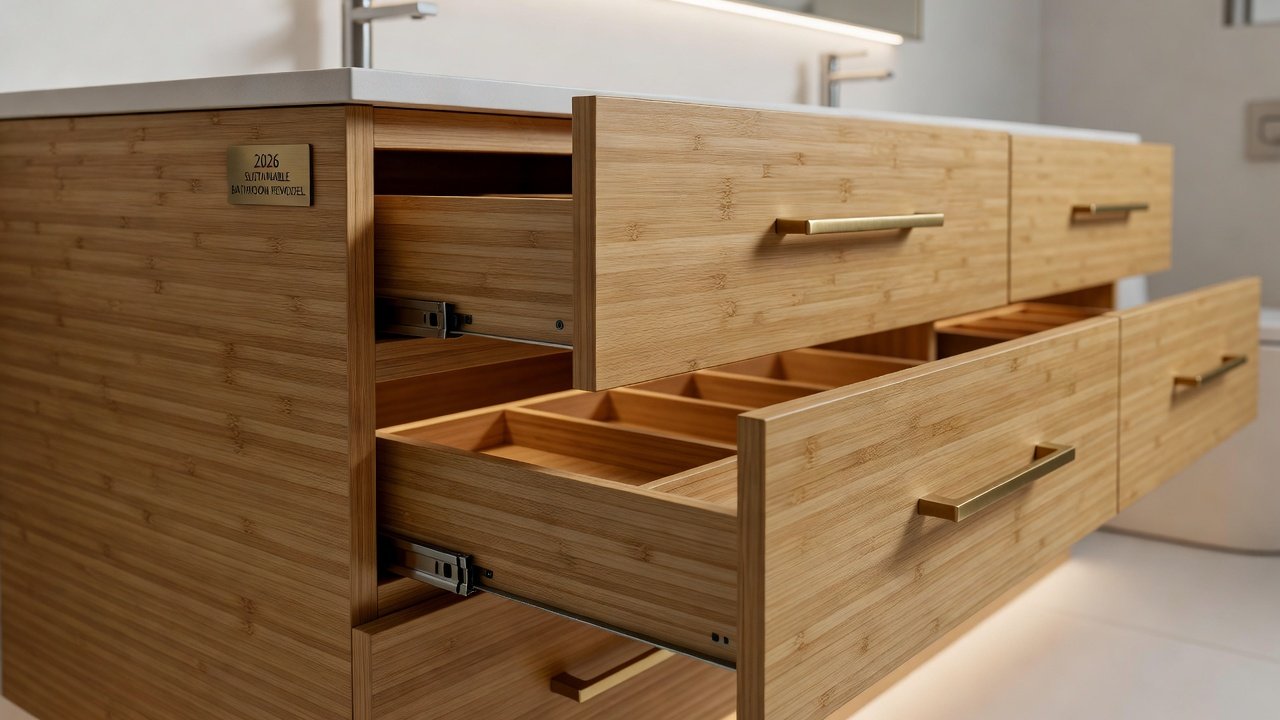
Material choice defines both durability and environmental impact. Sustainable woods such as FSC-certified oak, bamboo, and reclaimed teak remain popular for their moisture resistance and natural beauty. Finishes like low-VOC water-based stains and matte lacquers provide protection while supporting healthier indoor air quality. Pairing these woods with quartz or recycled glass countertops creates cohesive looks. Many designers recommend matte black or brushed brass hardware for a modern contrast that withstands humidity. Learn more about responsible forestry standards from leading certification bodies. Additional options include thermally modified ash for enhanced stability and cork accents for soft-close drawers. Consider how each material interacts with steam and splashes; for instance, bamboo offers rapid renewability but requires specific sealants. Real projects often combine two wood tones for visual interest, such as walnut drawers against a lighter oak frame. Review EPA guidance on low-emission building materials to ensure selections contribute to better indoor environments.
Integrating Custom Cabinetry with Existing Plumbing
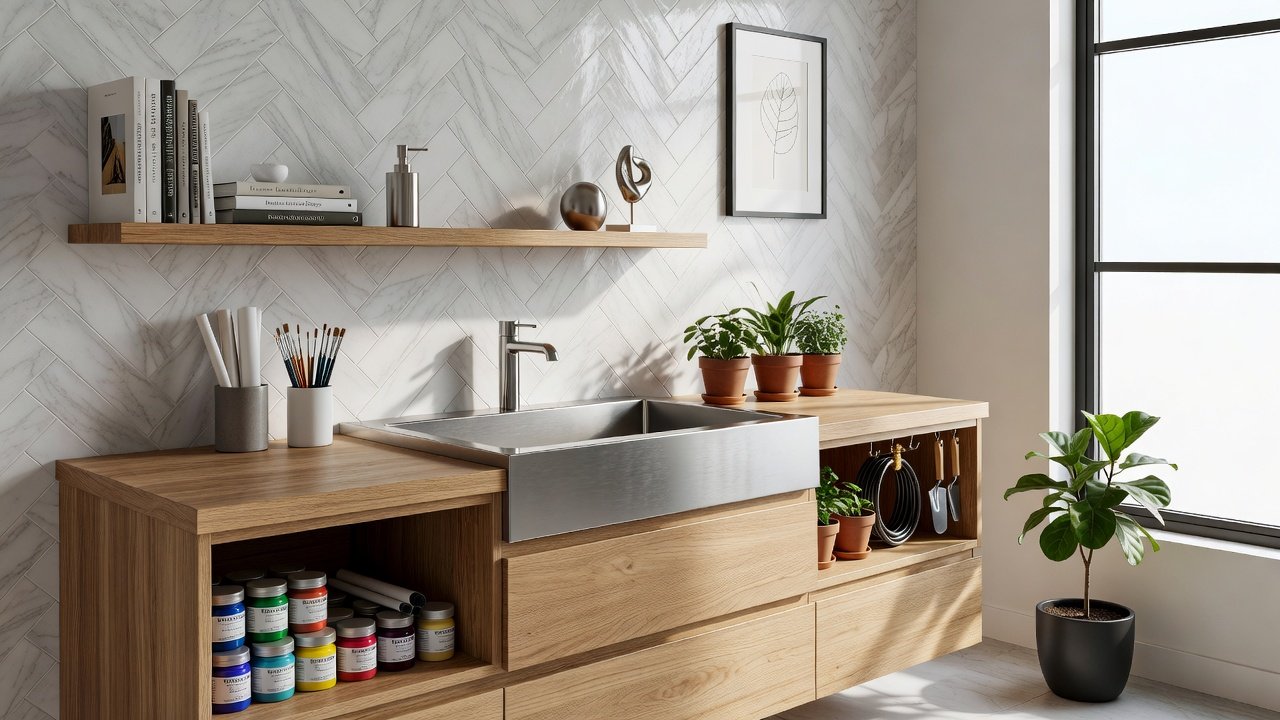
Successful integration requires early collaboration with plumbers and designers. Cabinets must accommodate pipes, drains, and vents while maintaining clean lines. Floating vanities with recessed plumbing chases or side-mounted sinks offer flexible solutions that preserve storage volume. Measure twice and use 3D modeling software during planning to avoid costly adjustments. Recent remodel examples show how custom niches around shower valves maximize vertical storage without disrupting water flow. In one 2025 case, a narrow powder room gained 30 percent more usable space by routing pipes behind a slim column cabinet. Always allow clearance for future maintenance and consider shut-off valves integrated into drawer fronts for convenience. Professional installers emphasize testing all connections before final cabinet attachment to prevent leaks that could warp wood over time.
Built-In vs. Modular Cabinetry: Key Comparisons
Built-in cabinetry delivers seamless, tailored fits ideal for awkward spaces or high-end aesthetics. It often incorporates features like pull-out hampers, lighted toe kicks, and hidden charging stations. Modular units provide faster installation and easier future modifications at a lower upfront investment. Built-in advantages include perfect space utilization, premium finishes, and long-term value. Modular advantages include budget flexibility, quick swaps, and standardized parts. Hybrid approaches combine both for optimal results in mid-sized bathrooms. Homeowners in older homes frequently choose built-ins to match historic trim details, while new constructions lean modular for easier updates. Evaluate your timeline, budget range, and whether you plan to stay in the home long-term before deciding. Many 2026 projects use modular bases with custom doors and panels to achieve a high-end appearance without full custom fabrication.
2026 Design Trends in Bathroom Cabinetry
Current trends emphasize matte textures, integrated LED lighting, and mixed sustainable materials. Soft-close mechanisms and touch-latch doors reduce visual hardware while improving accessibility. Vertical storage towers and corner carousel units address tall, narrow bathrooms common in urban homes. Explore NKBA resources for the latest industry insights. Color trends favor warm neutrals and deep greens that pair well with natural stone. Integrated mirrors with hidden storage behind them continue to gain popularity for their dual function.
Step-by-Step Planning Tips for Your Remodel
- Assess current storage needs and pain points with a detailed inventory of daily items
- Consult a certified designer experienced in moisture-prone environments early in the process
- Review material samples under actual bathroom lighting conditions at different times of day
- Finalize plumbing and electrical layouts before cabinet fabrication begins to prevent delays
- Schedule installation after flooring and tiling to ensure precise fit around fixtures
- Incorporate future-proof elements like adjustable shelves and USB outlets
- Obtain multiple quotes from licensed cabinet makers familiar with bathroom codes
Real-world projects from 2025-2026 demonstrate that thorough pre-planning reduces on-site changes by up to 40 percent and keeps projects on schedule.
Real-World Examples from Recent Remodels
A suburban family home converted a cramped 1980s bathroom into a spa-like retreat using floor-to-ceiling custom teak units that hid the toilet and provided linen storage. Another urban condo maximized a five-foot-wide space with a floating modular vanity featuring pull-out organizers and a built-in hamper. These examples highlight how custom solutions adapt to specific constraints while enhancing daily routines.
Mistakes to Avoid During Planning
Common pitfalls include overlooking ventilation behind cabinets, choosing hardware that corrodes in humid conditions, and underestimating the weight of stone countertops on wall-mounted units. Always verify load-bearing capacity and select marine-grade cores for areas near showers.
Maintenance and Longevity Tips
Regular cleaning with pH-neutral products and annual inspections of seals help custom cabinetry last decades. Avoid abrasive cleaners that can damage finishes. Proper airflow prevents mold growth in enclosed spaces.
Cost Considerations and Value Analysis
Investing in custom cabinetry typically yields strong returns through improved functionality and home value. Focus on quality hardware and finishes that resist warping. Explore financing options through reputable renovation lenders to manage cash flow during the project. Qualitative factors like reduced daily stress from better organization often outweigh initial investments.
Frequently Asked Questions
How do I prevent moisture damage in custom bathroom cabinets?
Use marine-grade plywood cores, proper ventilation gaps, and sealed edges. Regular maintenance with appropriate cleaners extends lifespan significantly.
Can custom cabinetry work in small bathrooms?
Absolutely. Vertical storage towers, corner units, and recessed medicine cabinets maximize limited square footage while maintaining style.
What trends define 2026 bathroom cabinetry?
Matte textures, integrated lighting, and mixed sustainable materials lead current preferences for both aesthetics and practicality.
How long does custom cabinet fabrication typically take?
Most projects require four to eight weeks from final measurements to delivery, depending on material sourcing and complexity.
Conclusion
Custom cabinetry transforms 2026 bathroom remodels into highly functional, beautiful spaces. By prioritizing sustainable materials, thoughtful plumbing integration, and informed comparisons between built-in and modular options, homeowners achieve storage upgrades that enhance daily life and overall ambiance. Begin with careful planning to ensure your project delivers lasting satisfaction and increased home value.
No comments yet. Be the first!