 Fixated on Home
Introduction to Mosaic Tiles in Modern Bathrooms
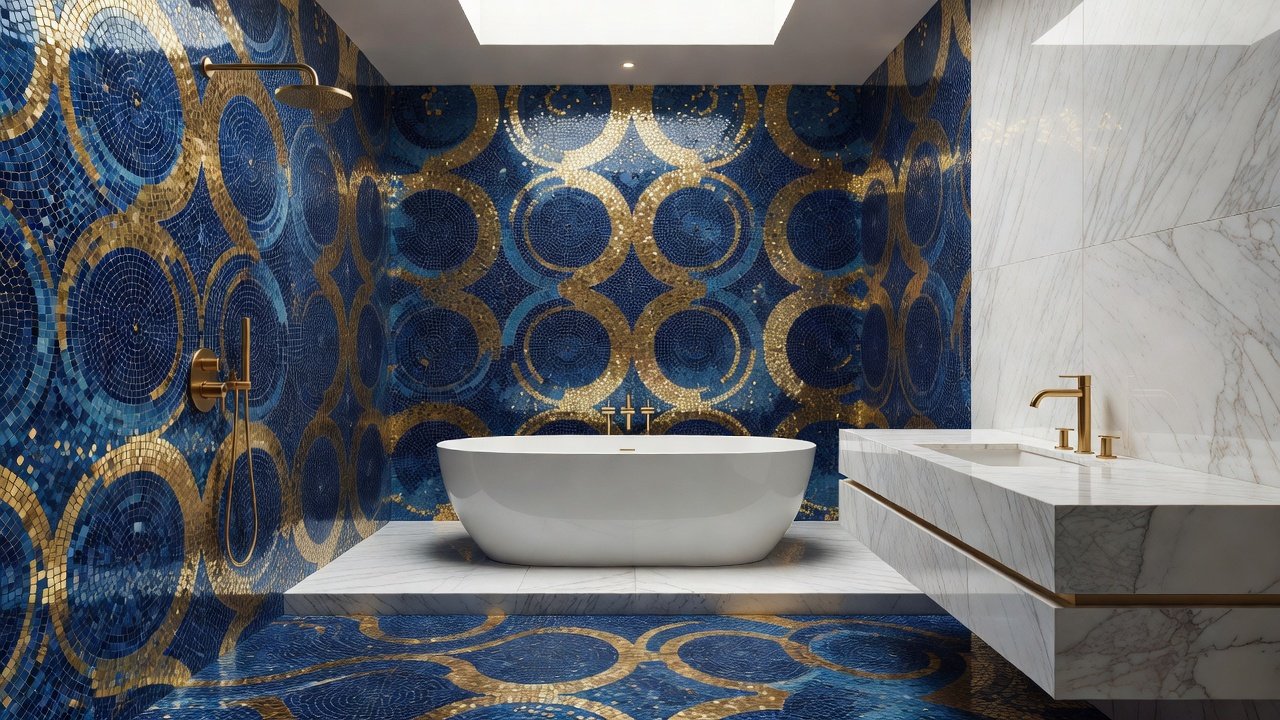
Homeowners in 2026 are turning to mosaic tiles as a powerful way to add personality and visual interest to bathroom remodeling projects. Unlike large-format tiles that create clean but sometimes sterile looks, mosaics offer intricate patterns, textures, and colors that elevate everyday spaces into custom retreats. This approach blends functionality with artistic expression, making it ideal for those seeking unique upgrades beyond basic trends.
Whether refreshing a small powder room or overhauling a master bath, mosaic applications allow for creative expression on walls, floors, showers, and even niches. The following sections break down everything from material choices to long-term maintenance, providing practical guidance for successful execution.
Why Mosaic Tiles Stand Out in 2026 Bathroom Designs
Mosaic tiles continue to gain popularity because they support both bold statements and subtle elegance. In contemporary remodeling, they pair well with smart fixtures and sustainable materials, helping create bathrooms that feel personalized rather than mass-produced. Their small scale enables seamless transitions around curves and fixtures, reducing the need for awkward cuts that larger tiles require.
Designers note that mosaics also improve perceived value, turning standard renovations into memorable features that reflect the homeowner's taste. From geometric repeats to nature-inspired motifs, the options support diverse interior styles including minimalist, bohemian, and transitional looks.
Comparing Glass, Ceramic, and Stone Mosaics
Choosing the right material is essential for balancing aesthetics, durability, and maintenance. Here is a detailed comparison of the three primary options:
- Glass mosaics: These deliver vibrant color and light-reflecting qualities that brighten smaller bathrooms. They resist staining and are non-porous, making them excellent for shower surrounds. However, they can show water spots and require careful handling during installation due to their smooth surface.
- Ceramic mosaics: Offering affordability and versatility in finishes, ceramic pieces come in matte, glossy, and textured varieties. They handle moisture well when properly sealed and provide good slip resistance on floors. Ceramic is forgiving for DIYers and available in countless patterns.
- Stone mosaics: Natural stone such as marble, travertine, or pebble creates organic, spa-like atmospheres. Each piece has unique veining that adds depth. Stone requires regular sealing to prevent water absorption and may need more frequent cleaning to maintain its appearance over time.
Many projects combine materials—for instance, glass accents within a stone field—to achieve custom effects without overwhelming the space.
Popular Patterns and Design Ideas
Pattern planning starts with understanding the room's scale and focal points. Common 2026 approaches include:
- Ombré gradients that transition from deep tones at the base to lighter shades higher up, creating height illusions.
- Geometric layouts such as herringbone or chevron using mixed sizes for dynamic movement.
- Medallion insets in shower floors that serve as artistic centerpieces.
- Border details framing larger tile fields to add refinement without full-surface coverage.
Real-world examples show homeowners using pebble mosaics on shower floors for massage-like texture while pairing them with sleek glass walls. Another popular choice involves metallic-flecked mosaics behind vanities to introduce subtle glamour.
Planning Your Mosaic Tile Project
Successful outcomes begin with careful measurement and visualization. Sketch layouts on graph paper or use digital design tools to preview how patterns interact with lighting and fixtures. Consider grout color carefully—it can either blend tiles together or create contrast that emphasizes the mosaic effect.
Factor in moisture levels, traffic patterns, and existing plumbing when selecting locations. Professional consultation is often worthwhile for complex curved surfaces or when integrating mosaics with underfloor heating systems.
Step-by-Step Installation Guide
While many prefer hiring specialists, understanding the process helps homeowners oversee projects effectively:
- Prepare the substrate by ensuring it is clean, level, and properly waterproofed in wet zones.
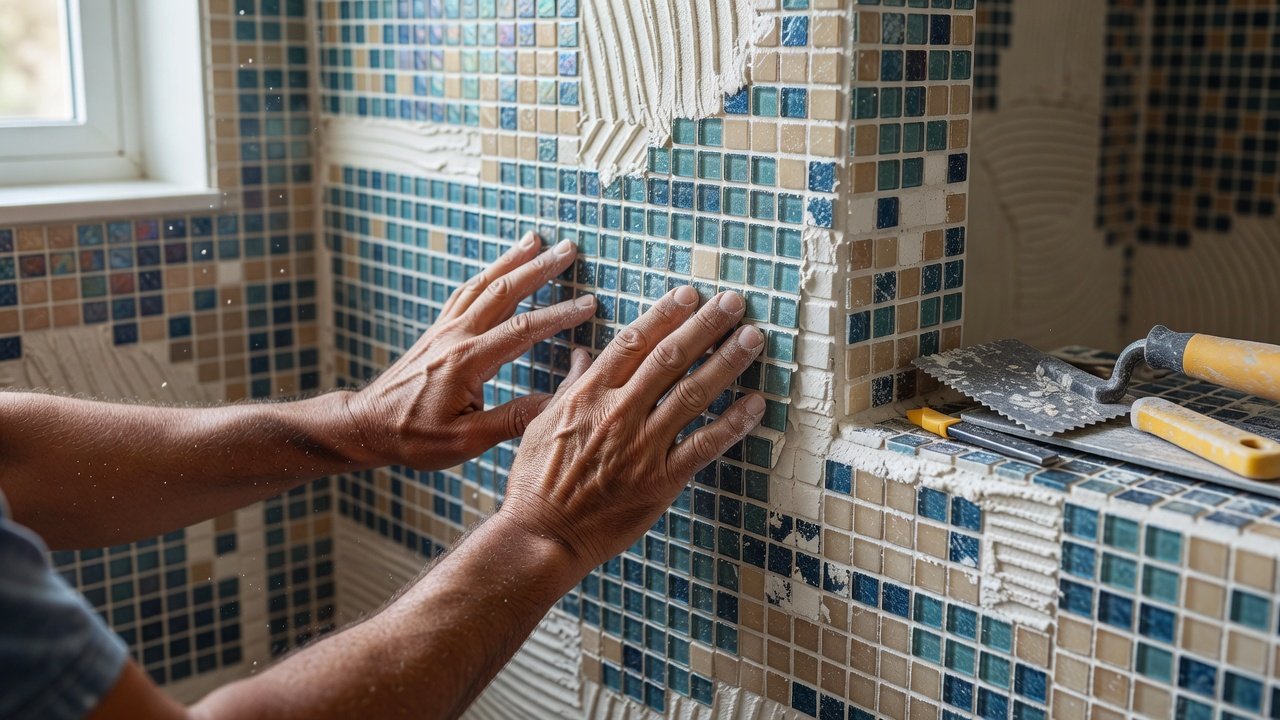
- Apply thinset adhesive in small sections using a notched trowel sized for mosaic sheets.
- Press sheets into place, aligning joints consistently and using spacers where needed.
- Allow adhesive to cure fully before grouting with a float, then wipe excess promptly to avoid haze.
- Seal grout lines and stone surfaces according to manufacturer recommendations.
Always work in good lighting and test layouts dry before committing adhesive.
Long-Term Care and Maintenance Routines
Proper care preserves beauty for years. Clean regularly with pH-neutral solutions to avoid damaging finishes. Avoid abrasive pads on glass or polished stone. Re-seal natural stone every 12–18 months depending on usage. Address any cracked tiles immediately to prevent water intrusion behind the surface.
Simple habits like using squeegees after showers and ventilating the space reduce mold risk and extend the life of the installation.
Real-World Project Examples
One suburban home transformed a dated 1990s bath by installing glass mosaics in a wave pattern across the tub surround, creating a serene focal point. Another urban condo used stone pebble mosaics on the floor paired with ceramic walls for a balanced, spa-inspired result. These cases demonstrate how mosaics adapt to different budgets and styles while delivering lasting impact.
Cost Considerations
Project expenses vary based on material quality, design complexity, and whether professional installation is used. Homeowners should budget for premium materials in high-moisture areas and allocate funds for proper waterproofing membranes. Comparing multiple quotes helps identify the best value for the desired aesthetic.
Frequently Asked Questions
Are mosaic tiles durable enough for daily bathroom use?
Yes, when properly installed and maintained, mosaics withstand moisture and regular cleaning for decades. Material choice and grout quality are key factors in longevity.
How do I address design challenges like small bathroom size?
Opt for lighter colors and simpler patterns to avoid visual clutter. Vertical mosaic strips can elongate walls without overwhelming the space.
What maintenance challenges should I anticipate?
Grout lines require occasional deep cleaning, and stone mosaics need periodic sealing. Glass options are generally the easiest to maintain.
Conclusion
Mosaic tiles offer a timeless yet forward-looking solution for bathroom remodeling in 2026. By thoughtfully selecting materials, planning patterns, following installation best practices, and committing to routine care, homeowners can create distinctive spaces that combine beauty and practicality. Whether pursuing a full renovation or targeted accent updates, mosaics deliver the creative edge that transforms ordinary bathrooms into personalized sanctuaries.

No comments yet. Be the first!