 Fixated on Home
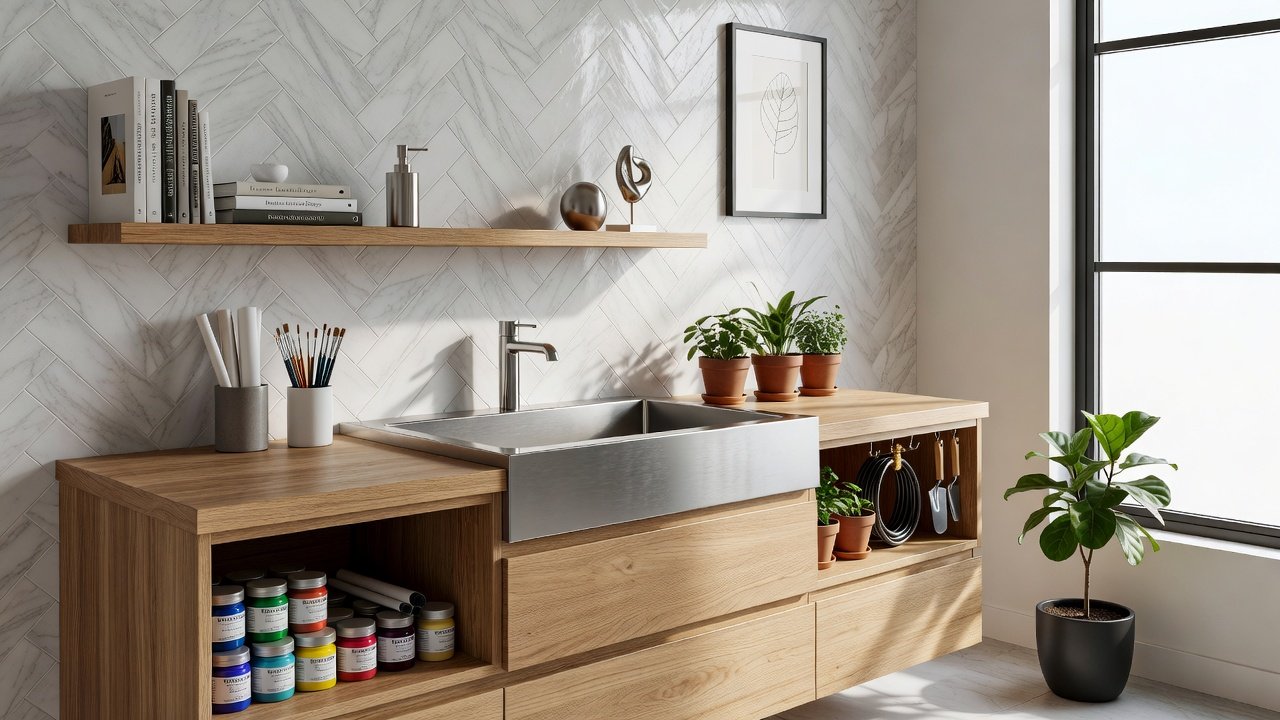
Introduction to Custom Sink Zones in 2026 Bathroom Remodels
Hobbyists often need dedicated spaces that support creative pursuits without sacrificing home aesthetics. In 2026, bathroom remodels are evolving to include specialized sink zones tailored for activities like painting, gardening, and jewelry making. These zones combine durable fixtures with thoughtful storage and efficient plumbing, creating multifunctional areas that maximize limited square footage while enhancing decor. As more people turn bathrooms into hybrid creative studios, the demand for thoughtful upgrades has grown, allowing homeowners to handle messy tasks in a contained environment rather than spreading supplies across kitchens or garages.
Whether you're a weekend artist or a serious crafter, integrating a custom sink can transform an ordinary bathroom into a practical studio extension. This guide covers everything from material choices to step-by-step planning, ensuring your upgrade delivers both utility and visual appeal. By focusing on 2026 trends that emphasize sustainability and adaptability, these remodels help maintain property value while meeting personal needs for dedicated workspaces.
Why Hobbyists Are Embracing Custom Sink Zones
Modern bathroom designs in 2026 prioritize adaptability. Hobbyists face challenges with standard sinks that lack the depth or durability needed for messy tasks like cleaning paintbrushes or rinsing soil from plants. Custom zones address these by offering larger basins, adjustable faucets, and integrated workspaces that blend seamlessly with surrounding tile and cabinetry. This evolution reflects broader shifts toward flexible home environments where leisure activities intersect with daily routines.
This approach supports better workflow and reduces clutter in primary living areas. It also aligns with growing trends toward sustainable and space-efficient home improvements that maintain resale value. For example, artists who previously used kitchen sinks now enjoy a private area that prevents cross-contamination of food surfaces while providing better lighting and ventilation tailored to their craft.
Material Selection for Durable Sinks
Choosing the right sink material is critical for longevity under hobby use. Stainless steel remains popular for its resistance to stains and chemicals common in art and jewelry work. Porcelain options provide a classic look but require careful sealing to handle abrasive gardening soils. Composite materials offer a balance of style and toughness, resisting scratches while allowing for custom color integration that matches 2026 design palettes. Each option brings unique benefits depending on the primary hobby.
Consider factors like heat resistance for hot water rinses and non-porous surfaces to prevent bacterial buildup from organic materials. Always verify compatibility with local water conditions for optimal performance. In practice, a gardener might prefer a textured composite that hides minor scratches from tools, while a painter could opt for smooth stainless steel that wipes clean in seconds after acrylic washes.
- Stainless steel: Excellent chemical resistance and easy maintenance for jewelry polishing residues.
- Fireclay: Heavy-duty and stylish but heavier installation requirements.
- Engineered quartz composites: Customizable finishes with strong impact resistance for repeated tool use.
Plumbing Considerations for Hobby Use
Upgrading plumbing ensures your custom sink handles increased water volume and specialized needs. Install a high-flow faucet with multiple spray settings for thorough cleaning of tools and supplies. Add a dedicated shutoff valve and consider a water filtration system to protect delicate hobby materials from impurities. Proper drainage is essential when dealing with sediment from gardening or paint particles that could clog standard lines.
Professional installation is recommended to meet building codes and avoid leaks. EPA Watersense resources highlight efficient fixtures that reduce waste while supporting hobby demands. Homeowners should also evaluate pipe sizing and consider adding a sediment trap for projects involving soil or metal shavings. Energy Star guidelines can further inform selections for low-flow options that still deliver strong pressure for rinsing.
Storage Solutions for Supplies
Effective storage keeps supplies organized and accessible. Incorporate pull-out drawers beneath the sink for paints, brushes, and jewelry findings. Wall-mounted shelves above the vanity can hold lightweight gardening pots without encroaching on floor space. Use labeled bins and magnetic strips for quick retrieval during creative sessions. Vertical organizers and hidden compartments help maintain a tidy appearance when the space doubles as a guest bathroom.
These solutions maximize vertical space in compact bathrooms, maintaining a clean, stylish appearance when not in use. For jewelry makers, small divided trays inside drawers prevent findings from mixing, while painters benefit from dedicated slots for brush drying racks integrated into cabinet doors.
Step-by-Step Planning Tips
- Assess your current bathroom layout and identify the ideal location for the new sink zone, considering natural light and proximity to existing drains.
- Measure available space and sketch designs that integrate with existing plumbing lines, accounting for future expansion if hobbies evolve.
- Select materials and fixtures based on hobby-specific needs and aesthetic goals, testing samples for durability against your typical supplies.
- Consult contractors for plumbing and electrical updates early in the process to avoid costly revisions later.
- Plan for ventilation to manage fumes from paints or adhesives, possibly adding an exhaust fan rated for continuous use.
- Finalize with finishing touches like lighting and decor that tie the zone into the overall room style, ensuring the area feels intentional rather than utilitarian.
Real-World Before-and-After Transformations
One example involved converting a standard guest bathroom into a painter's haven. The original small pedestal sink was replaced with a deep stainless steel basin and custom vanity featuring pull-out trays. 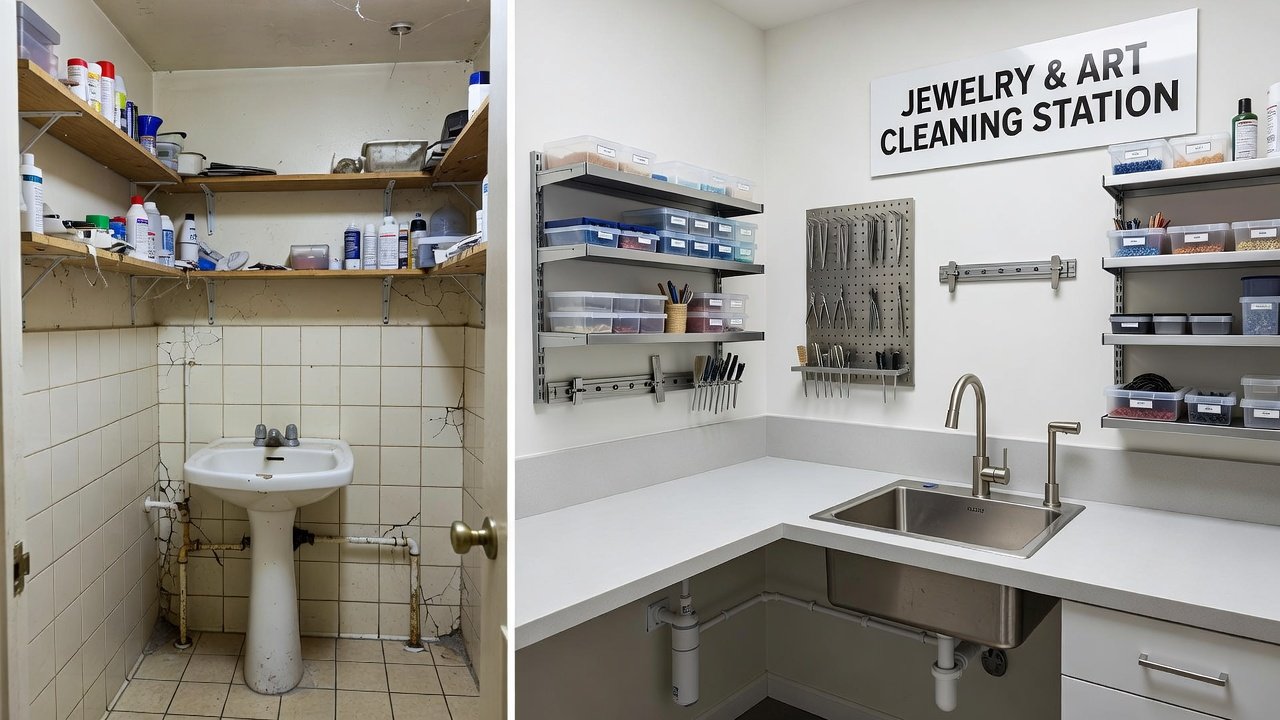
Comparisons of Fixture Options
When comparing sinks, wall-mounted models save floor space but may limit storage. Freestanding units offer more basin depth for gardening but require robust floor support. Vessel sinks provide modern style yet can complicate plumbing access. Evaluate each against your primary hobbies to select the best fit for durability and workflow. Undermount designs often win for seamless cleaning, while top-mount options allow easier replacement if needs change over time.
Common Mistakes to Avoid
Many homeowners overlook ventilation needs, leading to lingering odors from hobby materials. Others select materials based solely on appearance without testing chemical resistance. Failing to map plumbing early can result in expensive rerouting. Always prioritize function first, then layer in aesthetic elements to ensure long-term satisfaction.
Maintenance and Budgeting FAQ
How often should a hobby sink be cleaned?
Weekly deep cleans with mild, non-abrasive solutions prevent buildup from paints or soils. Daily rinses suffice for lighter use, and monthly inspections of seals help catch wear before leaks develop.
What are key budgeting considerations?
Focus on quality fixtures that withstand repeated use. Factor in professional plumbing costs and potential material upgrades for longevity, along with ventilation additions that support safe hobby practices.
Are there special maintenance tips for 2026 materials?
Follow manufacturer guidelines for sealants and avoid harsh chemicals that could damage finishes. Regular checks on moving parts like pull-out trays ensure smooth operation over years of use.
How can I ensure the zone remains stylish for resale?
Choose timeless finishes and neutral colors that integrate with broader bathroom trends while still accommodating hobby tools through removable organizers.
Conclusion
Custom sink zones represent a forward-thinking way to blend hobby needs with bathroom remodels in 2026. By prioritizing durable materials, smart plumbing, and organized storage, you create a space that supports creativity while preserving style and efficiency. Start planning today to enjoy a more functional home environment that adapts to your passions.
No comments yet. Be the first!