 Fixated on Home
Creating a Literary Sanctuary in Your Bathroom
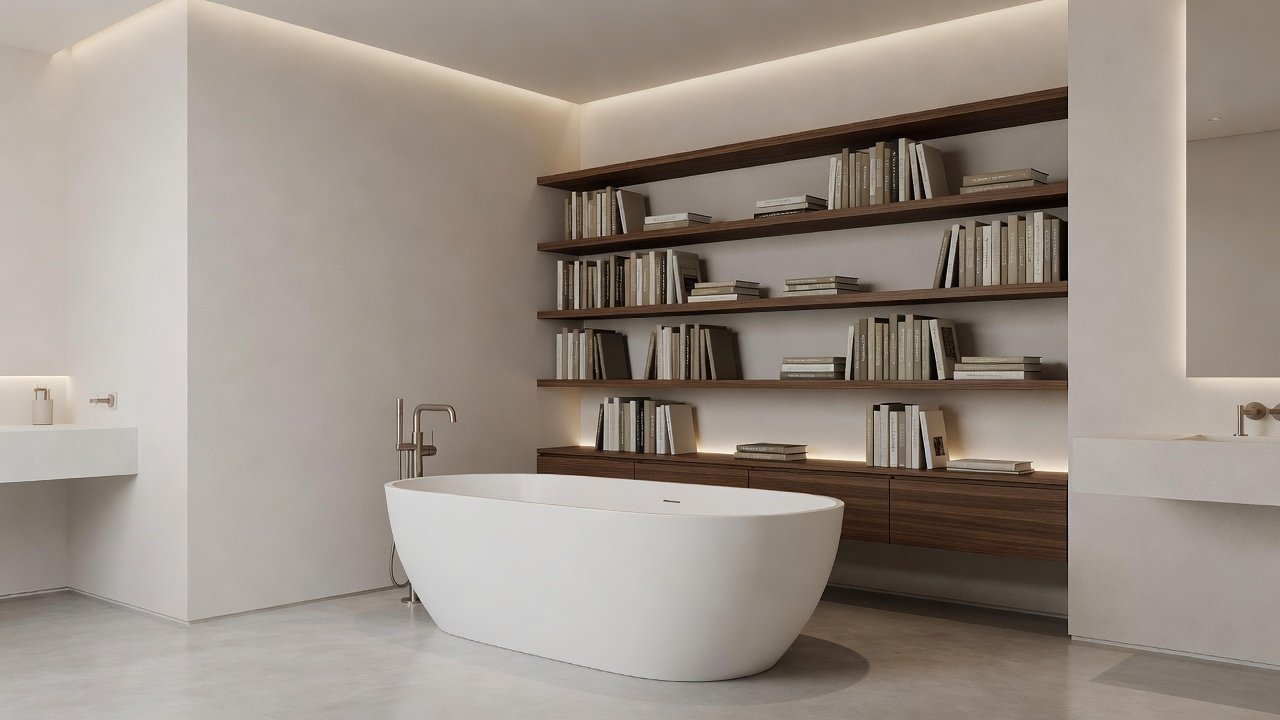
Transforming a standard bathroom into a personal retreat for book lovers requires thoughtful integration of storage that withstands humidity while celebrating literature. In 2026, bathroom remodeling ideas emphasize built-in shelving that blends functionality with style, turning the space into an oasis for reading. This approach combines practical moisture control with aesthetic appeal, allowing homeowners to enjoy their favorite novels in a relaxing environment. Built-in shelving elevates the bathroom experience by providing dedicated space for books, plants, and decorative items without cluttering the floor. Homeowners seeking unique upgrades find that these features enhance both value and daily enjoyment when designed correctly. The trend reflects a growing desire for multifunctional spaces that support wellness and personal hobbies, making the bathroom not just a utility area but a true sanctuary where one can unwind with a good book after a long day.
Successful projects begin with understanding how built-in units interact with the room's architecture, ensuring they feel like natural extensions rather than afterthoughts. This integration supports better organization and reduces visual clutter, fostering a calm atmosphere ideal for focused reading sessions.
Design Principles for Moisture-Resistant Built-In Shelving
Effective design starts with understanding bathroom conditions. High humidity demands materials and finishes that resist warping, mold, and deterioration. Shelves should be positioned away from direct water sources like showers and tubs, ideally above eye level or recessed into walls for protection. Ventilation plays a key role—incorporate gaps behind shelves or pair with exhaust fans rated for continuous use. Scale matters: in compact bathrooms, use vertical shelving to maximize wall space without overwhelming the room. Spacious bathrooms allow for wider units that double as room dividers. Always ensure shelves are anchored securely to studs for safety, especially when holding heavy books. Additional principles include maintaining consistent spacing between shelves for easy access and incorporating slight angles or lips on edges to prevent items from sliding during steamy conditions. Consider the weight distribution across multiple supports to avoid sagging over time, and plan for future adjustments by using modular components where possible.
Material Recommendations: Treated Wood, Metal, and More
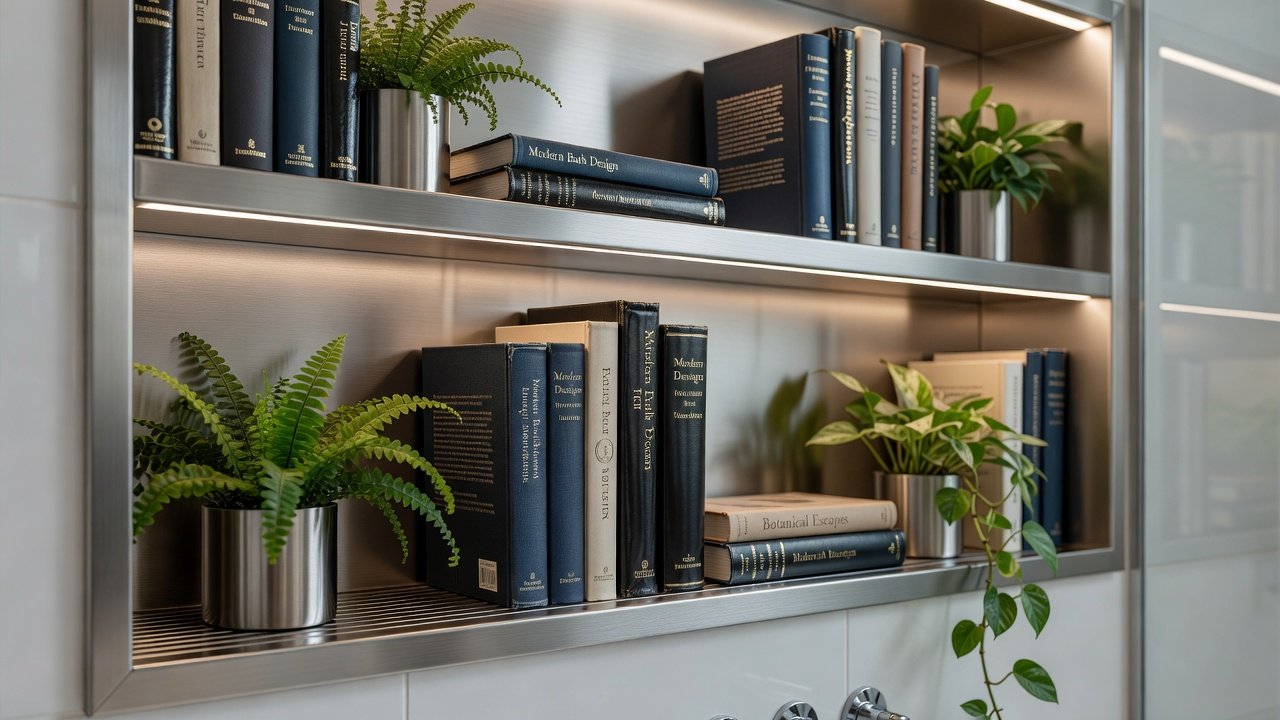
Choosing the right materials ensures longevity. Treated wood, such as cedar or marine-grade plywood with waterproof sealants, offers a warm, traditional look that suits many homes. Metal options like powder-coated aluminum or stainless steel provide sleek, modern durability and resist corrosion exceptionally well. Other alternatives include tempered glass for a minimalist feel or composite materials engineered for wet environments. Pair materials with your existing decor—wood complements rustic or farmhouse styles, while metal aligns with contemporary or industrial themes. Apply multiple coats of marine varnish or use factory-sealed products for optimal protection. Homeowners often combine materials, such as wood frames with metal brackets, to achieve both beauty and strength. Always test samples in the actual bathroom environment before full installation to confirm performance under real humidity levels.
Learn more about moisture control from the EPA.
Integrating Built-In Shelving with Home Decor Styles
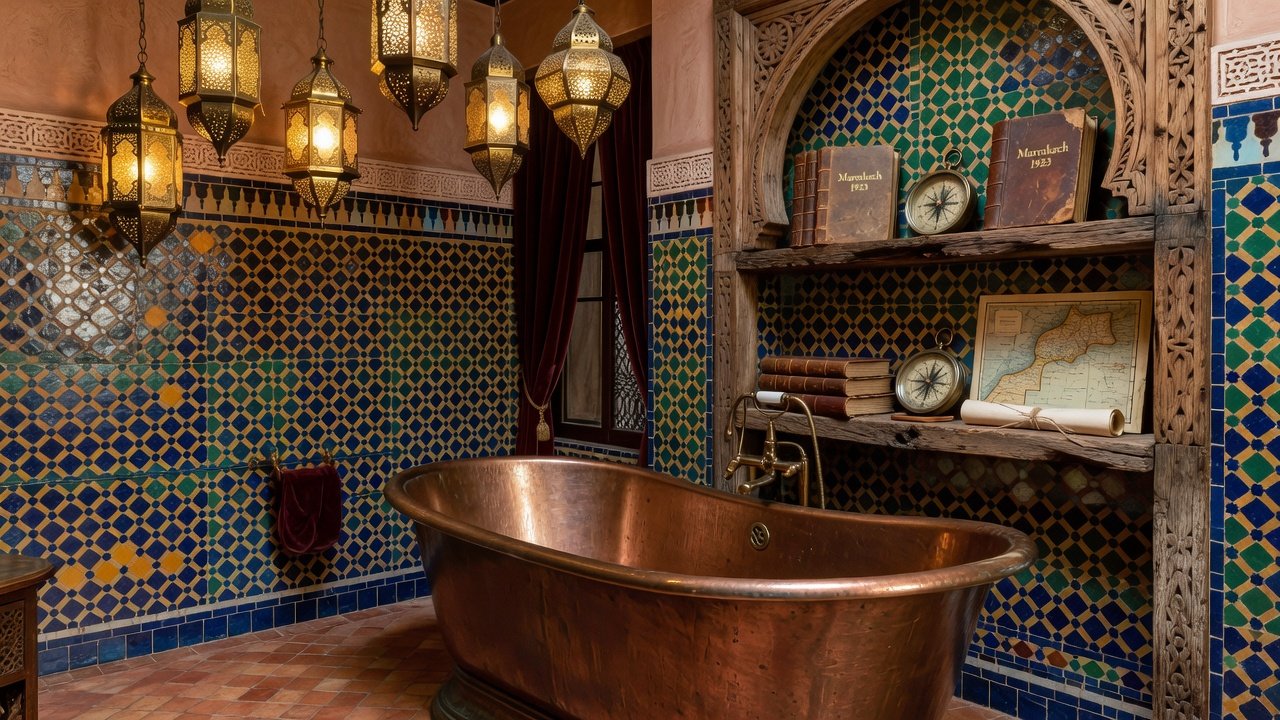
Seamless integration requires matching the shelving to your bathroom's overall aesthetic. For traditional homes, opt for crown molding details on wood shelves. Modern spaces benefit from floating metal designs with LED backlighting. Transitional styles mix elements, such as wood frames with glass inserts. Consider color palettes: neutral tones keep the focus on books, while painted shelves can match tile or cabinetry. Add accents like brass hardware or woven baskets to tie everything together. This creates a cohesive retreat that feels intentional rather than added on. In eclectic homes, incorporate unique finishes like distressed wood or antique metal to reflect personality while maintaining functionality.
Step-by-Step Planning for Layout and Lighting
Begin with measurements and a mood board. Sketch the bathroom layout, noting plumbing, electrical, and window placements. Decide on shelf depth—typically 8 to 12 inches—to accommodate standard books without protruding too far. Assess humidity levels with a meter and plan ventilation upgrades if needed. Choose locations that avoid steam zones and ensure easy access from seating areas like a tub or bench. Incorporate lighting: install adjustable LED strips or recessed fixtures to illuminate titles without glare. Consult professionals for electrical work and custom fabrication. Finalize with sealant application and testing for stability. Lighting enhances usability—warm white LEDs create a cozy atmosphere perfect for evening reading sessions. Additional steps involve reviewing building codes for structural changes, budgeting for custom carpentry, and selecting finishes that complement fixtures. Create a timeline that accounts for drying times on sealants and curing periods for adhesives.
- Measure walls and identify load-bearing points.
- Select moisture-rated materials and finishes.
- Design custom layouts using software or sketches.
- Install ventilation and electrical components first.
- Build and seal the shelving units off-site if possible.
- Mount securely and test under load.
Real-World Examples: Compact vs. Spacious Implementations
In a compact urban apartment bathroom, a narrow recessed shelf unit beside the vanity holds 20-30 paperbacks while incorporating a small reading nook with a wall-mounted seat. This maximizes every inch without sacrificing shower space. Spacious master bathrooms often feature floor-to-ceiling built-ins flanking a soaking tub, complete with integrated outlets for reading lamps. One example uses metal shelving with glass doors for added protection, creating a library-like feel. Homeowners report these upgrades turn routine baths into immersive escapes. Another compact case involved floating corner shelves in a half-bath, using treated pine to store magazines and small plants, proving even limited square footage can support literary comfort when planned creatively.
Comparing Material Options and Long-Term Value
When evaluating materials side by side, treated wood provides natural insulation and a timeless appeal but requires periodic resealing. Metal offers superior resistance to warping yet may feel colder visually unless paired with warm accents. Composites deliver low-maintenance performance across diverse climates. The choice ultimately depends on your decor goals and tolerance for upkeep, with many finding hybrid approaches deliver the best balance of aesthetics and resilience over years of use.
Maintenance Tips for Long-Lasting Results
Regular care preserves your investment. Wipe shelves weekly with a microfiber cloth and mild cleaner. Monitor for condensation and improve airflow with a dehumidifier if levels exceed 50%. Reapply sealants every two years and inspect for early signs of wear. Rotate books seasonally to prevent prolonged exposure in any one spot. Additional practices include using silica gel packets in enclosed areas and scheduling annual professional inspections for hidden moisture issues.
Explore renovation guides on This Old House.
Common Mistakes to Avoid
Many DIY attempts fail due to inadequate ventilation planning or using untreated lumber that quickly deteriorates. Overloading shelves without proper anchoring leads to safety hazards, while ignoring electrical needs for lighting results in dark, unusable spaces. Always prioritize professional input for complex integrations to prevent costly rework later.
FAQs on Humidity Control and Renovation Ideas
How do I control humidity around bookshelves?
Install a high-quality exhaust fan and use a bathroom dehumidifier. Position shelves strategically and apply moisture barriers during installation.
What is the best way to start a bathroom remodel for book storage?
Begin with a professional assessment of your space, focusing on moisture sources and structural support. Review local building codes before any custom work.
Are built-in shelves suitable for all bathroom sizes?
Yes, with proper scaling—vertical designs work in small rooms, while expansive units suit larger ones. Custom planning ensures functionality in any layout.
Which lighting works best for reading in humid environments?
Waterproof LED fixtures with dimming capabilities provide even illumination without heat buildup that could affect books or comfort.
How often should sealants be inspected?
Check every six months for cracks or peeling, with full reapplication recommended every 18 to 24 months depending on usage intensity.
These bathroom remodeling ideas for book lovers deliver both inspiration and practicality. By prioritizing moisture resistance and thoughtful design, you create a timeless retreat that nurtures your reading passion.
No comments yet. Be the first!