 Fixated on Home
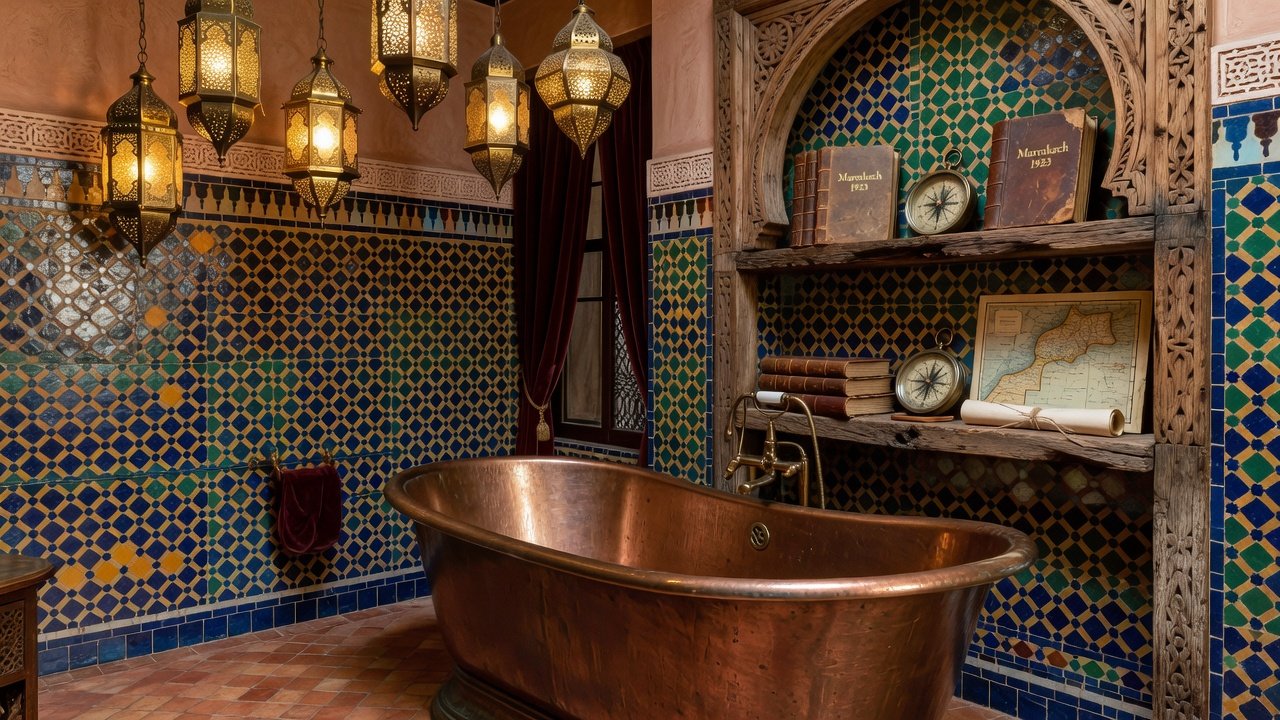
Infusing Wanderlust into Your Bathroom Design
Travel experiences often leave lasting impressions through sights, textures, and scents that homeowners want to recapture at home. Themed bathroom remodeling allows you to bring those memories into daily routines with thoughtful interior upgrades. This approach moves beyond generic remodels by incorporating cultural motifs and sensory elements that reflect personal journeys. Homeowners who have explored distant shores or rugged peaks frequently seek ways to embed those memories into functional living spaces, turning an ordinary bathroom into a daily escape that sparks joy and relaxation.
Whether your adventures took you to sun-drenched coasts or misty mountain peaks, destination themes create immersive environments. Successful projects balance aesthetics with practicality, ensuring the space remains functional for everyday use while evoking faraway places. The key lies in thoughtful selection of elements that trigger sensory recall, such as the sound of water mimicking ocean waves or the scent of wood reminiscent of forest trails.
Selecting the Right Destination Theme
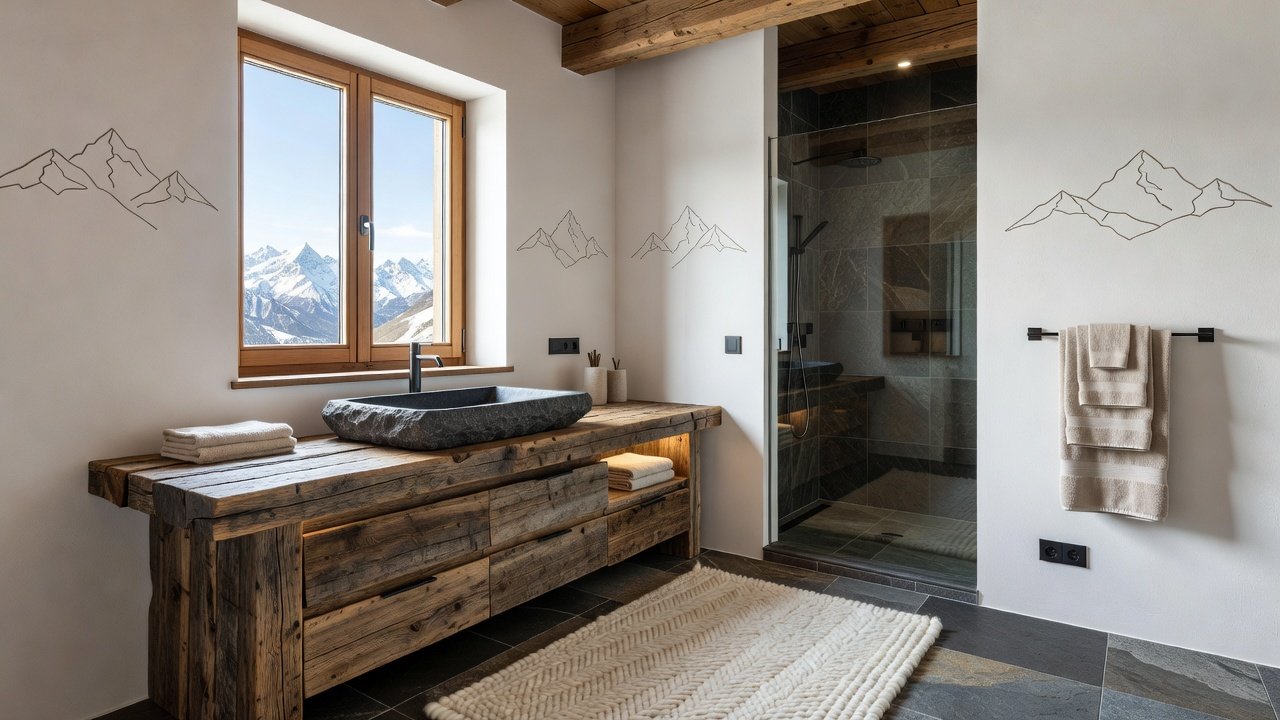
Begin by identifying a theme tied to a memorable trip. Popular options include coastal escapes, alpine retreats, and exotic locales like Morocco or Japan. Coastal themes feature soft blues, sandy neutrals, and wave-inspired patterns that evoke calm and openness. Alpine designs emphasize rugged stone, warm woods, and crisp whites that mimic snowy peaks and fresh air. Japanese-inspired themes often highlight minimalism with natural stone basins and bamboo accents for a zen-like atmosphere.
Consider how the theme aligns with your existing home style and personal preferences. A coastal motif suits beach lovers, while an alpine theme appeals to hikers. Research visual references from your travels to guide color palettes and material choices. Take time to analyze lighting in your bathroom, as natural or artificial light can dramatically affect how colors and textures appear throughout the day.
Understanding Sensory Details and Cultural Motifs
Beyond visuals, incorporate elements that engage multiple senses. For a Mediterranean theme, add subtle aromatherapy diffusers with citrus or lavender notes. Textural contrasts, such as rough-hewn stone against smooth glass, heighten the tactile experience. Cultural motifs like Greek key patterns or Moroccan lanterns add authenticity without overwhelming the space.
Study the architecture and crafts of your chosen destination to ensure respectful representation. This depth transforms the remodel from decorative to meaningful, creating a space that tells your personal story.
Sourcing Authentic Materials and Fixtures
Authenticity elevates the design. For coastal bathrooms, source seashell mosaics, driftwood accents, and pebble flooring from specialty suppliers. Alpine themes benefit from reclaimed timber vanities and slate tiles that echo mountain landscapes. Exotic themes might incorporate hand-painted tiles or bamboo elements sourced from global artisans. Look for suppliers who specialize in imported goods to maintain quality and origin integrity.
Visit local showrooms or online marketplaces for fixtures like vessel sinks with cultural engravings. Prioritize durable, water-resistant options to maintain longevity in humid environments. Always verify that materials meet safety standards for moisture exposure and slip resistance.
Blending Themes with Modern Functionality
Modern upgrades ensure the space remains practical. Install smart lighting that mimics natural daylight or sunset hues from your destination. Incorporate storage solutions hidden within themed cabinetry, such as wave-carved doors for coastal styles. Integrate heated floors for alpine comfort or rainfall shower systems that simulate tropical downpours.
Pair vintage-inspired fixtures with energy-efficient plumbing. This fusion preserves the travel narrative without sacrificing convenience or sustainability. Consider adding ventilation systems disguised as decorative vents to keep air fresh while maintaining the aesthetic.
Practical Steps for Implementation
- Measure your space accurately and create a detailed mood board with photos from your travels, including close-ups of textures and colors.
- Consult design professionals familiar with themed renovations for layout advice and to avoid structural issues.
- Select materials that meet local building codes for moisture resistance and durability in wet areas.
- Phase the project strategically: start with cosmetic updates like paint and tiles before tackling plumbing or electrical work.
- Test sensory elements, such as essential oil diffusers or sound features, early to refine the immersive feel.
- Review the entire plan with family members to ensure the design supports daily routines for everyone.
Real-World Examples and Cost-Saving Tips
One homeowner recreated a Santorini-inspired bathroom using whitewashed walls and blue mosaic accents, adding a rainfall showerhead for a spa-like effect that transported them back to Greek islands each morning. Another transformed a small powder room into an alpine nook with cedar paneling and a stone basin, incorporating a small waterfall feature for auditory relaxation.
Save money by repurposing travel souvenirs as decor instead of buying new items. Shop during seasonal sales for tiles and fixtures, and consider mixing high-end statement pieces with affordable basics. Focus on focal points like a statement mirror or vanity to maximize impact without full replacement. Repainting existing cabinets in theme-appropriate colors offers an inexpensive refresh.
DIY Versus Professional Approaches
DIY suits simple updates like painting or installing peel-and-stick tiles, offering creative control and lower expenses. However, complex elements such as custom tile work or electrical integrations benefit from professionals to avoid costly errors. Professionals bring expertise in waterproofing and code compliance, often completing projects faster and with warranties on labor.
Evaluate your skills honestly against project scope before deciding. A hybrid approach works well for many, where homeowners handle decorative elements and hire experts for structural changes.
Common Mistakes to Avoid
Overloading the space with too many motifs can create visual clutter. Always prioritize functionality over decoration by ensuring pathways remain clear. Neglecting proper sealing of natural materials leads to premature wear. Research local climate impacts, as high humidity areas require specific treatments for wood and stone elements.
Maintenance and Durability Considerations
Custom themed spaces require specific care. Seal natural stone regularly to prevent water damage. Clean cultural tiles with pH-neutral solutions to preserve colors. Choose quality sealants and finishes upfront to extend the life of your design. Routine inspections of grout and caulking prevent leaks that could compromise themed surfaces.
Frequently Asked Questions
How do I maintain themed bathroom elements?
Regular sealing of tiles and stone, along with gentle cleaning products, keeps motifs vibrant. Avoid abrasive tools that could scratch cultural finishes or damage delicate accents.
Are travel-themed bathrooms durable for daily use?
Yes, when built with moisture-resistant materials and proper ventilation. Professional installation ensures longevity comparable to standard remodels while preserving the unique details.
Can I update the theme later without major renovation?
Modular elements like removable wall decals or swap-out accessories allow easy refreshes while keeping core fixtures intact.
What if my travel theme includes delicate natural materials?
Opt for treated or sealed versions of wood and stone to withstand humidity, and consult suppliers about long-term care specific to your region.
Explore more inspiration from Architectural Digest, HGTV, This Old House, and Bob Vila for additional renovation insights.
No comments yet. Be the first!