 Fixated on Home
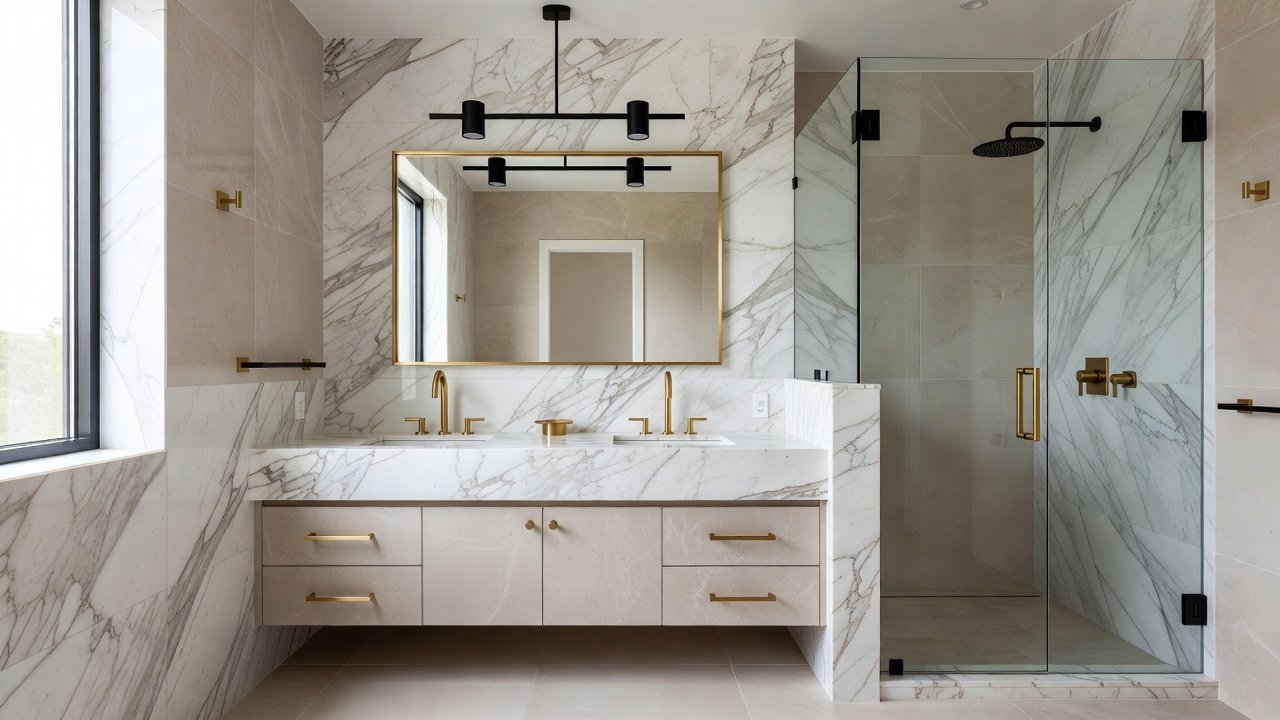
Introduction to Metallic Accents in 2026 Bathrooms
Bathroom remodeling in 2026 emphasizes metallic finishes that add depth and sophistication without sacrificing everyday functionality. Homeowners are turning to brass, copper, and matte black accents to transform standard spaces into striking retreats. These materials create visual interest while pairing well with popular elements like quartz surfaces and neutral tiles. The trend reflects a broader shift toward mixed-material designs that feel both contemporary and timeless, allowing homeowners to personalize their spaces while addressing practical concerns like moisture exposure and daily wear.
Metallic accents serve as durable focal points when chosen for humidity resistance. This approach aligns with search intent for fresh trends that deliver luxury alongside usability in real homes. By incorporating these elements thoughtfully, renovations can increase both aesthetic appeal and property value over time.
Selecting Compatible Metals with Existing Fixtures
Choosing the right metals starts with assessing current fixtures. Brass complements warm-toned hardware such as gold or bronze, while copper introduces an organic patina that evolves over time. Matte black offers a bold contrast against chrome or stainless steel elements. Homeowners should evaluate the overall color temperature of their existing bathroom to ensure harmony. For instance, if the room features cool gray tones, matte black pairs naturally with brushed nickel accents for a cohesive industrial-modern look.
Consider mixing metals sparingly for cohesion. Limit combinations to two primary finishes to avoid visual clutter. For example, pair matte black faucets with brass towel bars in a modern vanity setup. Additional considerations include finish durability ratings and how metals interact under different lighting conditions throughout the day. Testing samples in the actual space helps prevent costly mismatches during the remodeling process.
Installation Considerations for Humidity Resistance
Bathrooms face constant moisture, so proper installation is essential. Opt for sealed or coated metals designed for high-humidity environments. Professional installers apply protective layers to prevent tarnishing or corrosion on brass and copper pieces. Proper sealing involves multiple steps including surface preparation, application of clear protective coatings, and curing times that can extend over several days.
Ensure adequate ventilation through exhaust fans rated for continuous use. This step protects metallic surfaces and maintains indoor air quality over the long term. Additional measures include using moisture-resistant backer boards behind accent walls and selecting grouts with antimicrobial properties. EPA guidelines on indoor air quality offer valuable insights into ventilation best practices for wet areas.
Styling Tips for Cohesive Looks
Integrate metallic accents through layered elements. Start with statement lighting in brass, then add copper mirrors and matte black cabinet pulls. This creates a balanced palette that feels intentional rather than random. Consider the scale of each accent piece relative to the room size to maintain visual proportion.
- Anchor the design with one dominant metal tone throughout the space.
- Use textured tiles to highlight metallic reflections and create depth.
- Incorporate natural elements like wood or stone to soften the industrial edge of metals.
- Test finishes under different lighting conditions before final installation to observe how they shift from morning to evening.
- Coordinate metallic tones with soft textiles such as towels and rugs for added warmth.
Before-and-After Examples from Modern Homes
Real-world projects demonstrate the impact of metallic upgrades. A dated 1990s bathroom with basic white fixtures gained instant elegance after installing brass sconces and a matte black freestanding tub. The transformation included new vanity hardware and a copper-framed mirror that reflected natural light beautifully throughout the day. Another renovation replaced plastic hardware with copper accents on a floating vanity, resulting in a spa-like atmosphere that homeowners described as more relaxing and inviting for daily routines.
These transformations show how targeted metallic additions elevate spaces while preserving practical layouts. In one suburban home, a small powder room was updated with matte black wall sconces and brass shelf brackets, turning a utilitarian space into a conversation-starting feature. Such examples highlight the versatility of metallic accents across different bathroom sizes and styles.
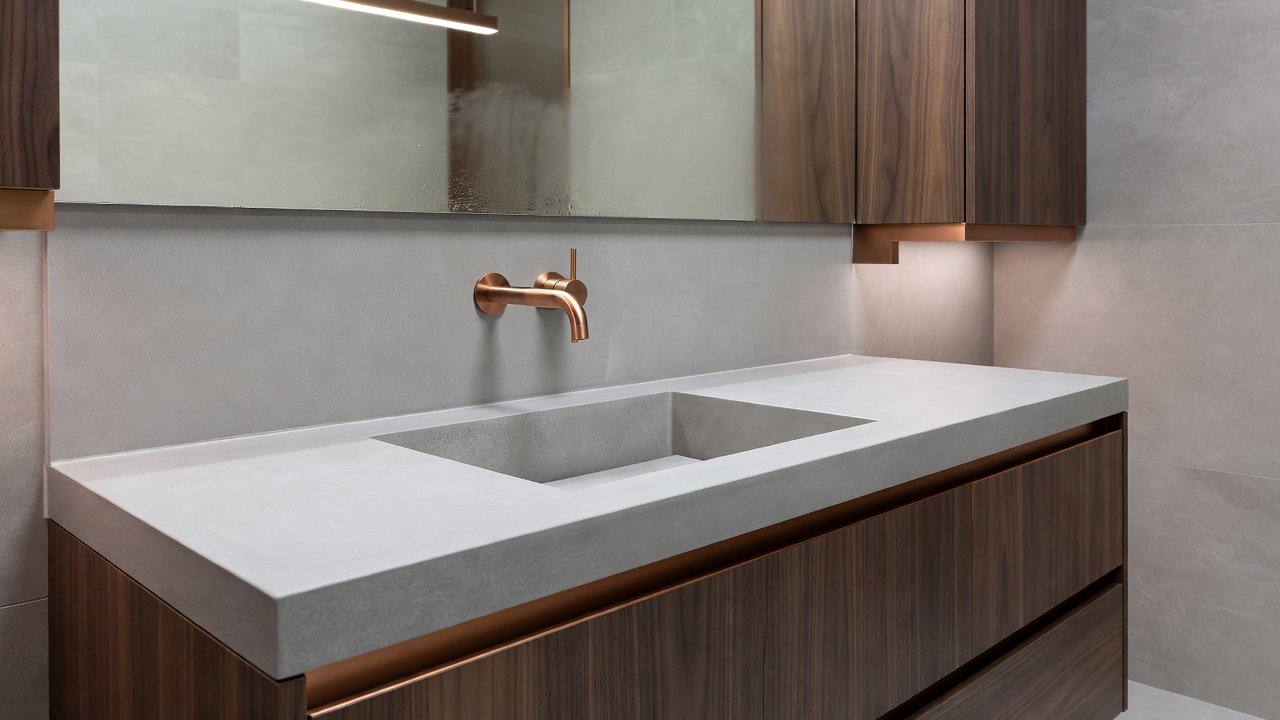
Step-by-Step Guide for Accent Integration
- Assess your current bathroom layout and identify focal areas such as the vanity or shower zone where metals will have maximum impact.
- Research humidity-rated metallic products from reputable suppliers, paying close attention to warranty details and maintenance requirements.
- Consult a designer or contractor for compatibility checks with plumbing systems and electrical wiring.
- Install ventilation improvements if needed before adding metals to ensure long-term performance.
- Apply finishes in stages, starting with larger pieces like mirrors or lighting fixtures, then moving to smaller details.
- Finalize with smaller accents such as hooks, soap dishes, and towel rings for a polished, complete appearance.
- Document the process with photos to track progress and share inspiration with others undertaking similar projects.
Common Mistakes to Avoid
Many homeowners overlook the importance of consistent metal finishes across all visible hardware. Another frequent error involves neglecting proper sealing, which leads to premature discoloration. Always verify that new metallic elements match the scale of the room to prevent an overcrowded feel.
Conclusion
Metallic accents represent a versatile way to refresh bathrooms in 2026. By focusing on compatibility, moisture protection, and thoughtful styling, homeowners achieve upgraded interiors that remain practical daily. This trend delivers lasting appeal through careful material choices and execution.
FAQ on Metal Maintenance and Pairing Strategies
How do I clean brass accents without damaging them? Use mild soap and a soft cloth, avoiding abrasive cleaners that can strip protective coatings. Regular dusting prevents buildup that might dull the finish over time.
Can I mix copper and matte black successfully? Yes, when one serves as the primary finish and the other as an accent, creating depth without competition. Start with larger copper elements and use matte black for smaller details.
What maintenance schedule works best for these metals? Wipe surfaces weekly and apply manufacturer-recommended sealants every six to twelve months depending on usage and exposure levels.
Which metals pair best with white subway tile? Both brass and matte black create strong visual contrast against white tiles, while copper adds warmth for a more organic aesthetic.
No comments yet. Be the first!