 Fixated on Home
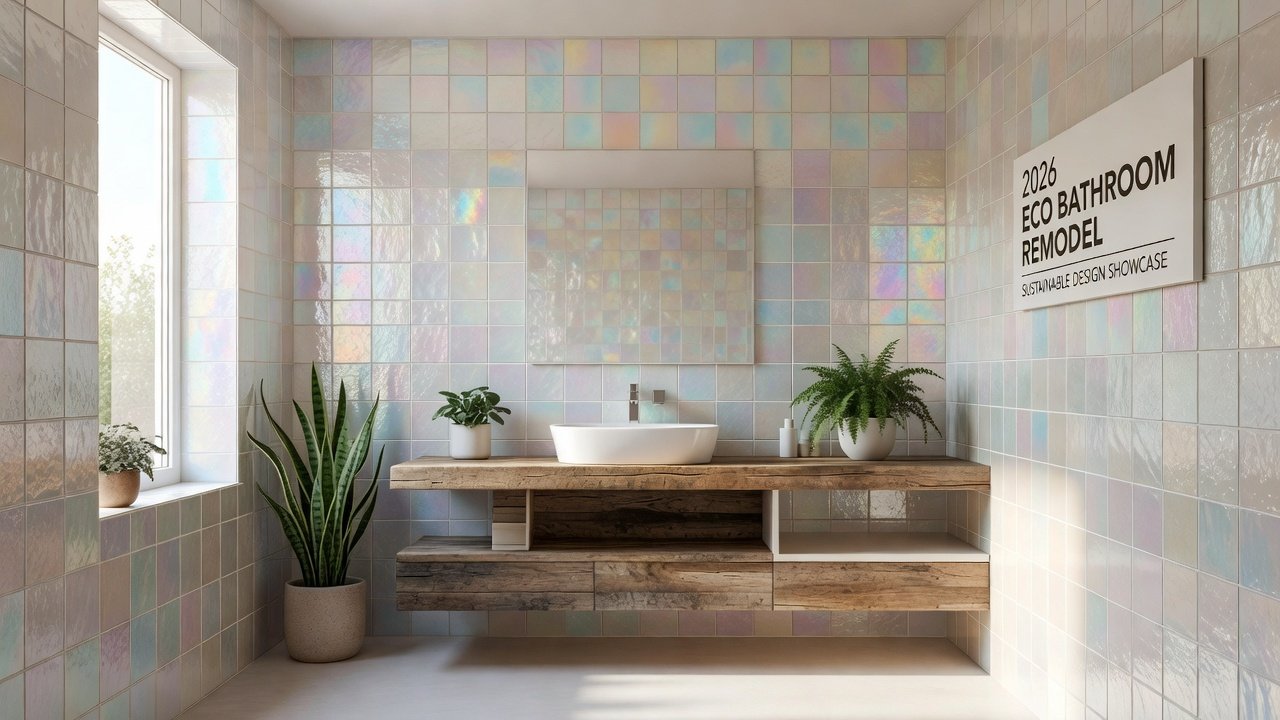
Introduction to Eco-Friendly Bathroom Remodeling in 2026
As homeowners prioritize sustainability amid evolving interior trends, 2026 bathroom remodeling increasingly features recycled materials. These choices reduce waste, lower environmental impact, and deliver stylish, durable results that boost home value. This comprehensive guide covers key materials, practical steps, real examples, and decision-making details for eco-conscious renovations that align with current home decor goals.
Why Recycled Materials Align with 2026 Trends
Recycled options support circular economy principles while meeting modern design goals for minimalist, natural aesthetics. They help conserve resources and appeal to buyers seeking green homes. EPA resources highlight how recycling in construction cuts landfill contributions significantly. In 2026, trends emphasize biophilic design, water efficiency, and low-impact materials that enhance both visual appeal and long-term property value. Homeowners are moving away from virgin resources toward materials that tell a story of reuse, creating bathrooms that feel personal and responsible.
Key Recycled Materials and Their Benefits
Understanding the core options helps homeowners select the best fit for their space. Glass tiles offer vibrant colors and reflective surfaces from post-consumer bottles. Reclaimed wood provides warmth and unique grain patterns from salvaged sources. Plastic composites deliver waterproof performance from recycled bottles and bags.
- Glass tiles: Aesthetic sparkle, easy cleaning, and strong moisture resistance that suits shower walls and backsplashes.
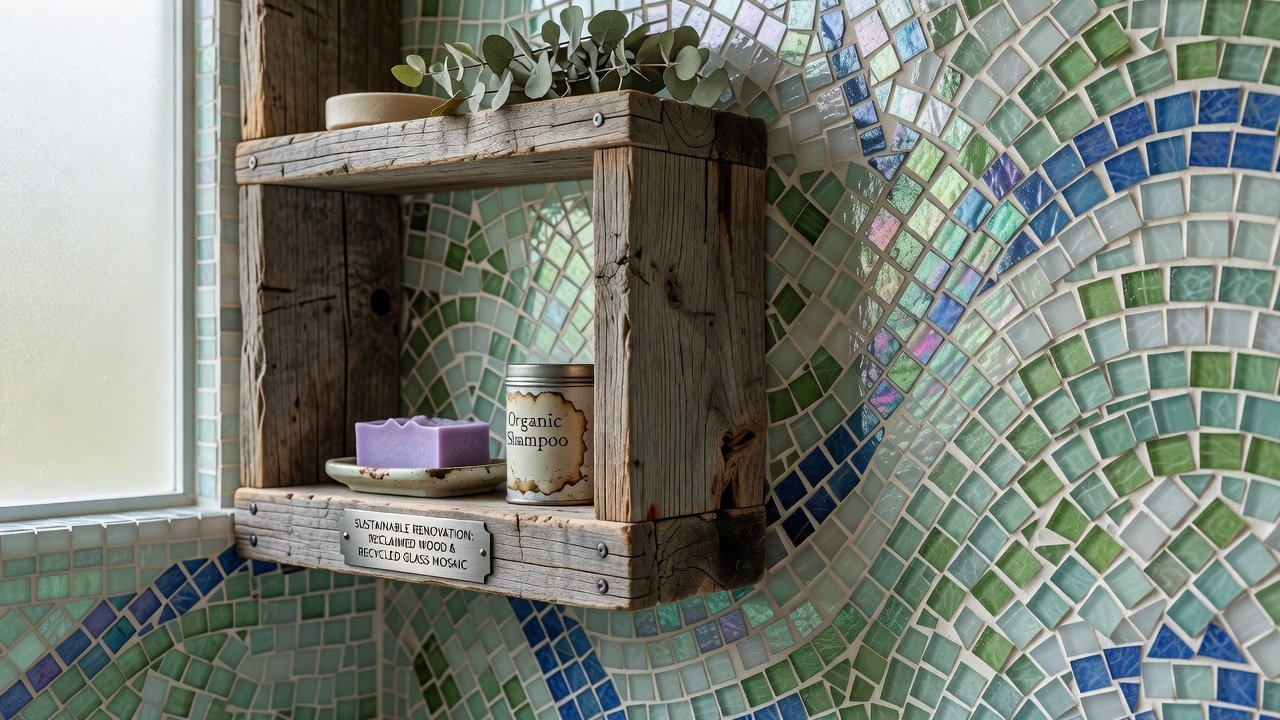
- Reclaimed wood: Natural texture, carbon sequestration benefits, and timeless appeal for vanities, shelving, or accent walls when properly sealed.
- Plastic composites: Lightweight, mold-resistant, and versatile for counters, flooring, or tub surrounds with consistent performance in varying conditions.
Each material brings distinct functional and visual advantages that elevate a standard remodel into an eco-statement.
Sourcing Tips for Quality Materials
Partner with local salvage yards or certified suppliers to verify material origins. Check for certifications ensuring low VOC emissions. Online platforms specializing in reclaimed goods often provide traceability details for ethical sourcing. Start by measuring your bathroom dimensions precisely, then request samples to assess color consistency and texture. Visit multiple suppliers to compare quality grades and avoid materials with hidden damage. Building relationships with local deconstruction companies can yield unique finds like antique glass or barn wood that add character while supporting community reuse efforts.
Installation Best Practices
Prepare surfaces thoroughly and use eco-friendly adhesives. For glass tiles, apply proper grout to prevent water seepage. Reclaimed wood requires sealing for humidity control. Professionals recommend testing materials for structural integrity before full installation. Begin with a moisture barrier on all walls and floors. When working with glass, use thin-set mortar designed for recycled content to maintain adhesion. For wood elements, pre-drill holes to prevent splitting and apply multiple coats of marine-grade sealant. Plastic composites install similarly to traditional composites but benefit from expansion gaps to accommodate temperature changes in bathrooms.
Durability Comparisons
Glass tiles excel in wet areas with high scratch resistance and longevity exceeding 25 years with minimal wear. Reclaimed wood offers longevity when treated but needs more upkeep in high-moisture zones, performing best in low-splash areas. Plastic composites resist warping and stains effectively across varied bathroom conditions, often matching or surpassing new synthetic options in impact resistance. Consider traffic levels, cleaning frequency, and exposure to steam when making selections. Homeowners report that properly installed recycled materials frequently outlast expectations due to modern treatment technologies.
Real-World Project Examples
One urban loft project transformed an outdated bathroom using recycled glass mosaic walls paired with reclaimed timber vanities, achieving a spa-like feel that increased resale appeal. The design incorporated LED lighting to highlight the reflective tiles, creating an illusion of expanded space. Another suburban home incorporated plastic composite flooring over underfloor heating for comfort and sustainability, resulting in lower utility use and easier daily maintenance. A third example involved a coastal renovation where reclaimed wood was used for open shelving above the sink, combined with glass tile accents that withstood salty air conditions without degradation. These projects demonstrate how thoughtful material selection creates cohesive, functional spaces that reflect personal style while minimizing environmental footprint.
Maintenance Advice
Clean glass tiles with mild, non-abrasive solutions to preserve shine. Treat reclaimed wood with natural oils periodically to maintain color and prevent cracking. Plastic composites wipe clean easily and resist common bathroom cleaners without discoloration. Regular inspections of grout lines and seals prevent minor issues from escalating into costly repairs. Establish a monthly routine that includes checking for leaks around fixtures and reapplying protective coatings as needed. These habits extend material life and keep the bathroom looking fresh for years.
Environmental Impact and Value Enhancement
Choosing recycled materials directly reduces demand for new resource extraction and lowers embodied carbon in construction. Over time, these choices contribute to better indoor air quality and can support green building certifications. Many homeowners notice increased property interest from buyers who value sustainability, adding intangible yet measurable renovation value.
Mistakes to Avoid
Common pitfalls include skipping professional moisture testing, choosing materials without proper certifications, and neglecting expansion allowances during installation. Always verify compatibility between materials and existing plumbing to prevent future problems.
FAQ
Are recycled materials more expensive?
Initial costs vary but often yield long-term savings through durability and energy efficiency, with many projects breaking even within a few years of reduced maintenance.
How do they perform in humid environments?
With correct installation and sealing, they offer excellent moisture resistance comparable to new materials, often exceeding basic performance standards when modern treatments are applied.
Can I DIY these projects?
Basic tasks suit experienced DIYers, but complex installations involving plumbing integration or large tile layouts benefit from professionals to ensure lasting results.
What about color matching across batches?
Recycled materials may show natural variation; ordering extra and blending batches helps achieve consistent appearance throughout the space.
Conclusion
Embracing recycled materials in 2026 bathroom remodeling creates beautiful, responsible spaces. By focusing on quality sourcing, careful installation, and ongoing care, homeowners achieve renovations that benefit both their homes and the planet. Energy Star guidelines and USGBC resources provide further insights into sustainable home upgrades that maximize both environmental and aesthetic returns.
No comments yet. Be the first!