 Fixated on Home
Introduction to Curved Bathroom Designs in 2026
As homeowners seek fresh approaches to interior upgrades, curved fixtures and furniture are emerging as a standout trend in bathroom remodeling for 2026. These soft, organic shapes replace sharp angles with flowing lines that enhance visual appeal and functionality. Unlike traditional rectangular layouts, curved elements create a sense of movement and serenity, making bathrooms feel more inviting and contemporary. This evolution draws from broader design movements emphasizing wellness and connection to nature, where rounded forms echo natural river stones or gentle waves rather than rigid geometry.
The trend responds directly to homeowner demand for spaces that feel less clinical and more spa-like. In practice, curves soften the overall environment, reducing visual noise and promoting relaxation after long days. Whether updating a small powder room or a spacious master bath, incorporating curves can transform the overall flow and atmosphere while improving daily usability through better ergonomics and light diffusion.
Key Benefits of Curved Fixtures and Furniture
Curved designs offer several advantages over angular alternatives. They promote better traffic flow by eliminating harsh corners that can interrupt movement or create awkward dead zones. In terms of aesthetics, the soft silhouettes add a modern, sculptural quality that feels timeless rather than trendy, blending seamlessly with both minimalist and transitional styles.
Space perception improves dramatically with curves, as rounded forms soften edges and make rooms appear larger and more open. This is especially valuable in compact bathrooms where every inch matters. Additionally, curved surfaces can reduce the risk of bumps and injuries, adding a practical safety layer for families with children or elderly residents. Compared to angular layouts, which emphasize structure and can feel rigid or cold, curved options foster relaxation and elegance. Many designers note that these shapes pair well with natural materials like stone and wood for a balanced, spa-like environment that elevates the entire home.
Selecting Curved Vanities, Mirrors, Tubs, and Countertops
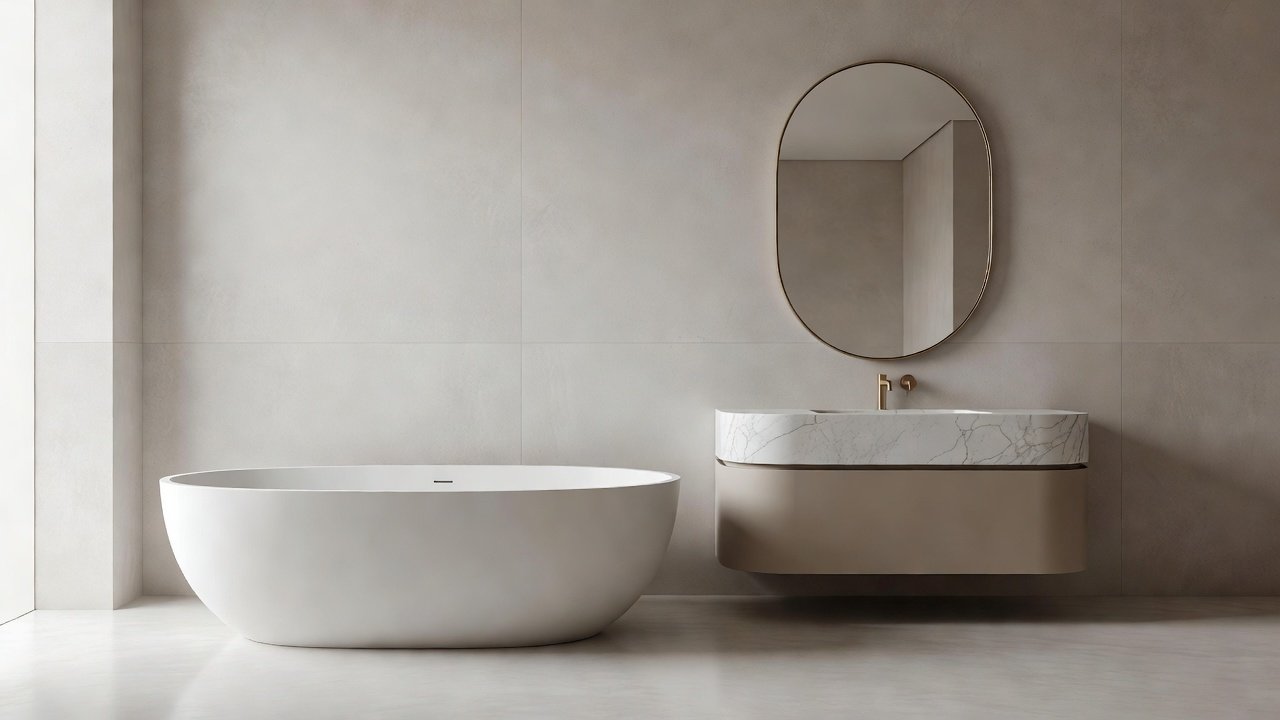
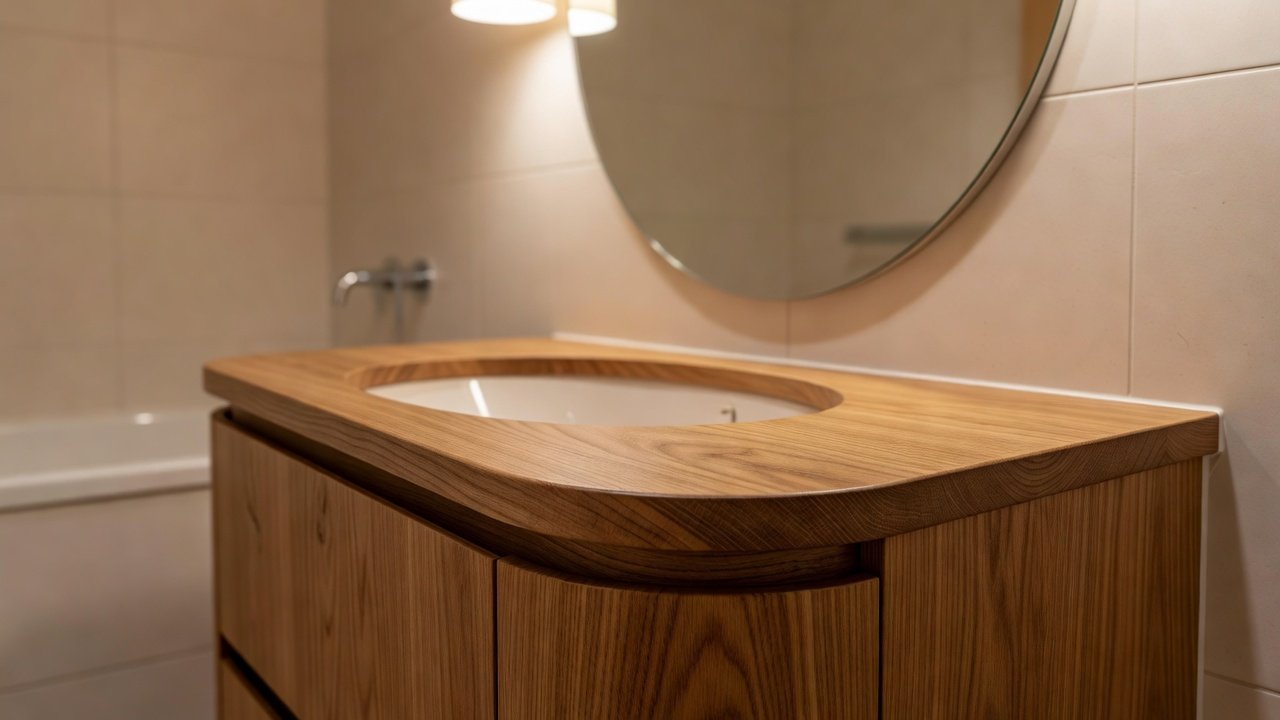
When choosing curved pieces, focus on materials that complement the organic shapes. For vanities, consider options with rounded cabinetry in walnut or oak finishes paired with quartz or marble tops featuring gentle edges. Mirrors with curved frames or freestanding oval designs can serve as focal points while reflecting light to brighten the space. Tubs in freestanding curved styles, such as oval or egg-shaped models, provide luxurious soaking experiences that encourage longer, more restorative baths.
Countertops with bullnose or eased edges enhance safety and tactile comfort. Style examples range from minimalist single-curve vanities to more elaborate double-sink setups with integrated curved storage. Matte black fixtures with rounded profiles or brushed nickel hardware maintain clean lines without sharpness. Always measure your space carefully to ensure proportions remain harmonious, and consider how each piece interacts with existing plumbing and electrical layouts.
Practical Steps for Integrating Curved Elements During Renovations
Start by assessing your current layout and identifying high-impact areas like the vanity wall or tub zone. Sketch a floor plan that incorporates curves to maintain balanced proportions and test multiple configurations on paper or with digital tools before committing. Consult with a designer experienced in organic forms to avoid overcrowding and ensure the final result feels intentional rather than forced.
Next, source materials early, prioritizing durable, water-resistant options such as sealed wood, engineered stone, and corrosion-resistant metals. Installation typically involves custom fabrication for seamless fits, so allow extra time in your timeline for measurements, templating, and delivery. Test lighting plans thoroughly, as curved surfaces interact differently with shadows and reflections, often requiring layered illumination including sconces and recessed fixtures.
Installation Tips
- Ensure plumbing lines align with new curved footprints to minimize wall modifications and costly rerouting.
- Use flexible adhesives and sealants designed for non-linear surfaces to prevent cracking over time.
- Work with professionals for precise leveling on rounded bases to prevent rocking or instability.
- Incorporate anti-slip treatments on curved tub floors for safety without compromising aesthetics.
- Verify that doors and drawers on curved vanities operate smoothly with adequate clearance.
Comparisons to Angular Designs and Cost Considerations
Angular designs often cost less upfront due to standard manufacturing processes and readily available stock items, while curved elements may involve premium fabrication but deliver higher perceived value and a more distinctive result. Homeowners frequently report that curved bathrooms feel more premium and can support better resale appeal by standing out in a market saturated with conventional rectangular layouts.
Key comparisons include flow and safety, where curves excel, versus storage maximization, where angular pieces sometimes edge ahead in very tight spaces. Cost considerations favor phased updates—starting with mirrors and vanities—rather than full overhauls when working within typical renovation budgets. Focus on quality materials that age gracefully rather than chasing the lowest price point.
Mistakes to Avoid and Sustainability Aspects
Common mistakes include selecting oversized curves that dominate small rooms or neglecting to match hardware styles across all fixtures. Avoid mixing too many different curve radii, which can create visual chaos instead of cohesion. For sustainability, opt for responsibly sourced woods and low-VOC finishes that align with long-term environmental goals while maintaining performance in humid environments.
FAQ on Common Challenges
How do curved fixtures affect storage in small bathrooms?
Curved vanities often include clever internal shelving that maximizes usable space despite exterior rounding, offering comparable or better storage than rectangular units when designed thoughtfully.
Are curved tubs harder to clean?
Modern curved tubs feature smooth, non-porous surfaces that resist grime similarly to standard models, with easy-to-reach contours simplifying maintenance routines.
Can I mix curved and angular pieces?
Yes, but limit angular accents to secondary elements like shelving or towel bars to preserve the primary soft aesthetic throughout the room.
What lighting works best with curved surfaces?
Soft, diffused lighting from multiple angles prevents harsh shadows and highlights the gentle contours effectively.
Do curved designs require special maintenance?
Standard bathroom cleaners suffice, though avoiding abrasive pads helps preserve the smooth finishes over years of use.
Conclusion
Embracing curved fixtures and furniture in 2026 bathroom remodeling offers a sophisticated way to refresh your space with improved flow, modern aesthetics, and enhanced comfort. By carefully selecting pieces, following practical installation steps, and avoiding common pitfalls, homeowners can achieve a timeless result that elevates daily living. For more inspiration on home design principles, explore resources from Houzz and This Old House. Additional guidance on sustainable materials is available via EPA and Energy Star.
No comments yet. Be the first!