 Fixated on Home
Introduction to Artistic Bathroom Remodeling in 2026
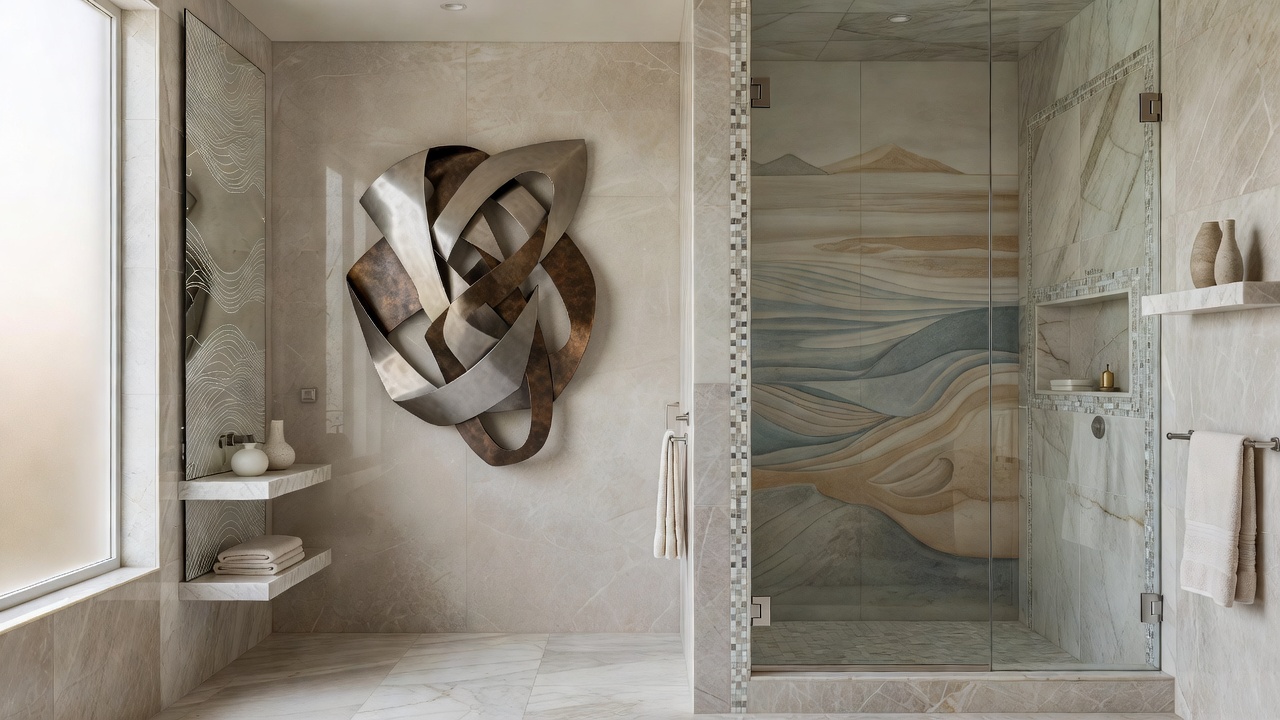
Bathroom remodeling in 2026 emphasizes personalization through art integration, transforming utilitarian spaces into serene, gallery-like retreats. Homeowners are increasingly seeking ways to merge creative elements with moisture-proof materials while aligning with broader interior trends like biophilic design and sustainable aesthetics. This approach not only boosts visual appeal but also creates cohesive interiors that reflect personal style across the entire home.
Effective art integration considers humidity levels, lighting conditions, ventilation systems, and overall functionality. Whether updating a compact powder room or a luxurious primary bath, strategic placement of artwork enhances the overall ambiance without compromising practicality. In today’s market, many designers recommend starting with a clear vision of how art will interact with plumbing fixtures, storage solutions, and daily usage patterns to avoid costly revisions later.
Successful projects often begin with an assessment of existing moisture exposure and natural light sources. This foundational step ensures that chosen artworks remain vibrant and intact for years, turning the bathroom into a true extension of the home’s artistic narrative rather than an afterthought.
Why Blend Art into Modern Bathroom Designs
Art in bathrooms elevates the space beyond basic renovations, fostering emotional connections and increasing property value. In 2026, trends favor mixed-media pieces that complement neutral palettes and natural textures such as wood-look tiles or stone accents. Integrating art helps balance hard surfaces like tile and stone with softer visual elements, creating inviting environments suitable for relaxation and daily routines.
Real-world examples include urban lofts where sculptural installations double as towel racks, or suburban homes featuring subtle watercolor prints sealed for steam resistance. These choices demonstrate how art can unify the bathroom with adjacent living areas, creating a seamless flow throughout the residence. Additionally, well-chosen pieces can serve as conversation starters while subtly improving perceived space and luxury.
From a practical standpoint, artistic elements also encourage better maintenance habits. When homeowners view their bathroom as an artful sanctuary, they tend to prioritize regular cleaning and humidity control, which protects both the artwork and the overall structure of the room.
Selecting Humidity-Resistant Artwork
Choosing the right pieces starts with materials engineered for high-moisture environments. Opt for artworks printed on acrylic, metal, or treated canvas with protective coatings. Avoid traditional paper prints unless professionally sealed with UV-resistant varnish. Additional options include resin-coated photographs, ceramic tiles with printed designs, and aluminum panels that resist warping and corrosion.
Key considerations include fade resistance and mold prevention. Always consult manufacturer guidelines for bathroom suitability, and test pieces in similar conditions before permanent installation. Learn more about managing indoor humidity from the EPA. Homeowners should also evaluate the weight of each piece to ensure walls can support it safely after moisture exposure over time.
Another important factor is colorfastness under artificial lighting. LED fixtures commonly used in modern bathrooms can accelerate fading in certain pigments, so selecting archival-quality inks or pigments is essential for long-term satisfaction.
Incorporating Custom Murals and Sculptures
Custom murals bring unique storytelling to shower surrounds or accent walls. Digital printing on waterproof vinyl or ceramic tiles allows for personalized designs inspired by nature or abstract patterns. Sculptures in corrosion-resistant materials like resin or stainless steel add three-dimensional interest, often positioned on floating shelves or integrated into niches for dramatic effect.
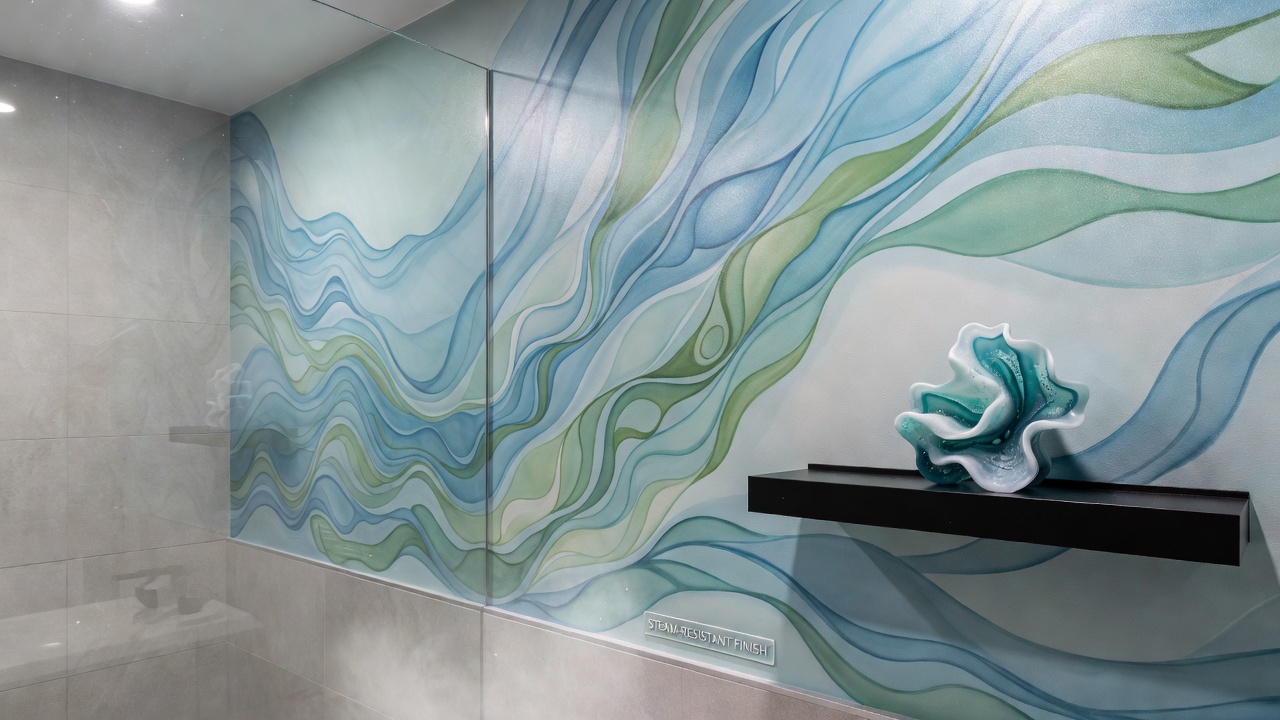
Examples range from minimalist geometric murals in contemporary homes to organic, flowing sculptures echoing spa-like themes. These elements provide focal points that draw the eye while maintaining a clean, uncluttered feel. Installation typically involves collaboration with specialized fabricators who understand both artistic vision and building codes related to moisture barriers.
When planning murals, consider scale carefully. A large mural on the main wall can make a small bathroom feel more expansive, while smaller accent murals behind the toilet or above the tub add subtle personality without overwhelming the space.
Decorative Accents Enhancing Style and Functionality
Beyond large installations, smaller accents such as artistic soap dishes, framed mirrors with etched designs, or mosaic tile borders infuse personality. These pieces improve usability—think backlit art panels that serve as night lights or hooks shaped like abstract forms. Many designers now incorporate motion-sensor lighting into artistic mirrors to combine beauty with energy efficiency.
Comparisons show that minimalist accents suit modern styles, while ornate pieces complement traditional or eclectic decors. Always prioritize items rated for wet zones to ensure longevity. Layering multiple small accents can create a collected look that feels personal and curated rather than mass-produced.
Sourcing Unique Pieces on a Budget
Budget-conscious sourcing involves exploring local artist markets, online platforms with customizable options, and upcycling thrift finds with protective finishes. Collaborating with emerging artists often yields affordable commissions tailored to bathroom dimensions and color schemes. Community art centers and university design programs frequently offer opportunities to purchase student work at accessible prices.
Practical tips include measuring spaces beforehand and prioritizing versatile pieces that transition between rooms if needed. This strategy supports cohesive home decor without overspending. Seasonal sales at home improvement stores can also provide high-quality frames or substrates that artists can customize further.
Balancing Art with Practical Upgrades
Successful remodels integrate art alongside essential updates like improved ventilation, smart lighting, and water-efficient fixtures. Art should complement rather than compete with these elements—for instance, placing moisture-proof prints above vanities while upgrading plumbing systems first. Explore energy-efficient bathroom upgrades at ENERGY STAR. Proper sequencing prevents damage to artwork during construction phases.
Style comparisons highlight that pairing bold artwork with neutral hardware creates harmony, whereas mismatched scales can overwhelm smaller bathrooms. Planning ensures both aesthetics and performance thrive. Homeowners should also consider future maintenance access when positioning larger pieces near mechanical systems.
Step-by-Step Planning for Cohesive Upgrades
- Assess moisture levels and lighting in the space using a hygrometer and light meter for accurate data.
- Define overall style goals aligned with home trends by creating a mood board of colors, textures, and motifs.
- Select and source humidity-safe art pieces, verifying material specifications with suppliers.
- Coordinate installation with contractors for seamless integration, including electrical planning for any illuminated pieces.
- Test functionality and make adjustments post-renovation, such as adding extra sealant if needed.
This methodical process minimizes errors and delivers polished results that stand the test of time.
Real-World Examples and Style Comparisons
One homeowner transformed a dated 1990s bathroom with a custom ocean-themed mural on the tub surround, pairing it with minimalist metal sculptures. The result created a calming retreat that increased the home’s resale appeal. In contrast, a modern apartment used subtle geometric prints to echo the kitchen’s clean lines, creating visual flow throughout the home.
Modern versus traditional comparisons reveal that sleek, abstract art suits minimalist trends, while vintage-inspired sealed prints enhance classic designs. Both approaches benefit from expert consultation for optimal placement and long-term durability. Another example involves a family bathroom where children’s artwork was professionally reproduced on waterproof panels, blending personal sentiment with practical needs.
FAQs on Maintenance and Installation
How do I maintain art pieces in humid bathrooms?
Regular dusting with microfiber cloths and occasional checks for sealant wear ensure longevity. Avoid harsh cleaners on delicate surfaces and maintain consistent ventilation to reduce condensation buildup.
What installation methods work best?
Use heavy-duty, moisture-resistant adhesives or French cleats for secure hanging. Professional installers can handle custom fixtures safely and ensure proper alignment with existing tile or drywall.
Are there risks with certain art types?
Yes, untreated wood or fabric can warp; always verify material ratings before purchase. Glass pieces should be tempered and securely mounted to prevent accidents in wet environments.
How often should I inspect installed artwork?
Perform visual inspections every three to six months, especially after periods of high humidity or seasonal changes. Early detection of issues allows for simple touch-ups rather than full replacements.
Conclusion
Integrating creative art into 2026 bathroom remodeling projects offers endless opportunities for personalization while respecting practical demands. By focusing on durable materials, thoughtful planning, and balanced design, homeowners achieve spaces that feel both artistic and functional for years to come. Careful attention to every detail—from material selection to final placement—ensures a renovation that delights daily and adds lasting value.
No comments yet. Be the first!