 Fixated on Home
Introduction to Texture Mixing in 2026 Bathroom Remodeling
Bathroom remodeling in 2026 is shifting toward layered, tactile interiors that combine contrasting materials for visual depth and luxury. Homeowners are moving beyond flat, uniform surfaces by integrating wood, stone, metal, and fabric elements that feel both sophisticated and inviting. This approach aligns with broader home decor trends emphasizing sensory richness while prioritizing functionality in humid environments. The focus on mixed textures allows spaces to feel custom and high-end, transforming everyday bathrooms into personal retreats that reflect current design sensibilities.
Successful texture blending requires careful material selection to ensure durability against moisture, steam, and daily use. The result is a space that stands out in searches for premium renovations, offering both aesthetic appeal and long-term performance. By understanding how each material interacts with humidity and light, homeowners can create bathrooms that remain beautiful and practical for years.
Understanding 2026 Trends in Texture Mixing
Current design directions favor organic and industrial contrasts, such as warm wood grains against cool stone or brushed metals paired with soft textiles. These combinations create dimension that flat tiles alone cannot achieve. In practice, designers recommend starting with a dominant neutral base and layering two to three accent textures for balance. Trends also highlight sustainability, with reclaimed woods and responsibly sourced stones gaining popularity alongside advanced sealants that extend material life.
Moisture resistance remains paramount. Natural stone and treated woods perform well when properly sealed, while metals like stainless steel resist corrosion effectively. Fabric integrations have evolved with technical textiles that mimic natural weaves yet repel water. This evolution supports a move toward biophilic design principles that connect indoor spaces with natural elements.
Selecting Compatible Textures for Moisture-Prone Environments
Choosing materials suited to bathrooms involves evaluating water absorption rates and maintenance needs. Wood such as teak or cedar offers natural oils that resist humidity when sourced from sustainable suppliers. Stone options like quartzite or honed granite provide slip-resistant surfaces ideal for showers and floors. Each choice must account for thermal expansion and contraction in varying temperatures.
Metal accents in matte finishes, including brass or blackened steel, add modern edge without reflecting excessive light. Fabric elements appear in window treatments or upholstered seating, using performance textiles designed for high-humidity areas. Comparisons reveal that wood and stone combinations offer classic warmth and durability, whereas metal and fabric pairings introduce contemporary contrast suitable for compact layouts.
- Pair porous woods with sealed stone to prevent warping and maintain structural integrity.
- Limit metal use to fixtures and trim to avoid cold surfaces underfoot during winter months.
- Incorporate fabric sparingly in low-splash zones for softness while ensuring ventilation prevents mildew.
- Consider hybrid materials like engineered stone with wood veneers for easier upkeep in family bathrooms.
These selections ensure textures enhance rather than compromise the room's functionality over time.
Pairing Textures with Vanities and Fixtures
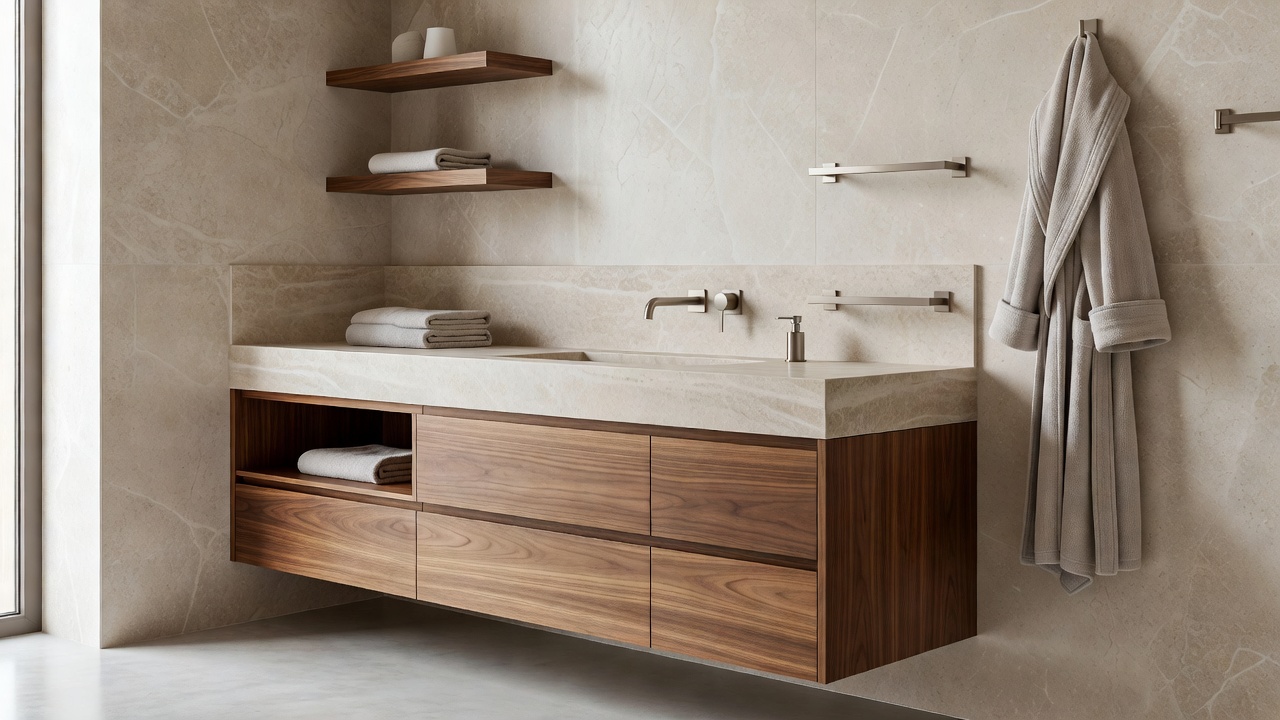
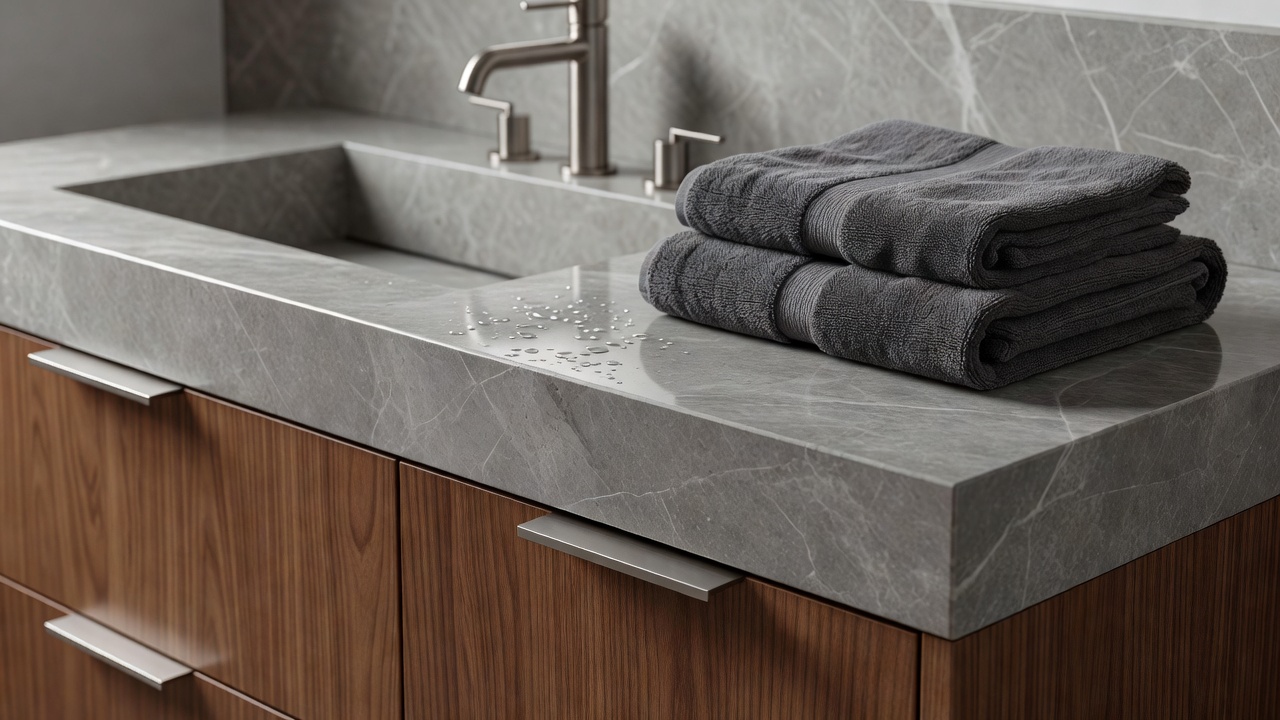
Vanities serve as anchors for texture integration. A floating wood vanity with stone countertops creates a grounded focal point, complemented by metal faucets and fabric-lined storage. Fixtures in mixed finishes—such as matte black hardware against brushed nickel—enhance depth without overwhelming the palette. When selecting vanities, consider cabinet hardware that echoes the dominant metal tone for cohesive flow.
Real-world remodels often feature reclaimed wood vanities paired with marble basins for an organic-industrial hybrid look. These upgrades elevate basic layouts into statement rooms that feel curated. Lighting positioned above vanities should highlight texture variations, casting subtle shadows that emphasize material differences throughout the day.
EPA guidelines on indoor air quality support selecting low-VOC finishes when combining these materials to maintain healthy air circulation.
Practical Steps for Balancing Bold and Subtle Elements
Follow these expanded steps to achieve harmonious results in your remodel:
- Assess the room's natural light, existing architecture, and ventilation patterns before choosing textures, as poor airflow can accelerate material degradation.
- Choose a primary texture covering 60 percent of surfaces to establish visual calm, then introduce secondary and tertiary textures strategically in focal areas like the shower surround or accent wall.
- Introduce secondary and tertiary textures in smaller doses through accessories or trim details rather than large surfaces to avoid visual overload.
- Test samples under bathroom lighting conditions before final installation, observing how steam and humidity affect appearance over several days.
- Consult professionals for sealing and ventilation requirements, including exhaust fan sizing and moisture barriers behind walls.
- Review color temperature of lighting to ensure it complements rather than flattens the chosen textures.
This method prevents visual chaos while maximizing luxe appeal. Avoid common mistakes like overusing glossy metals that amplify steam reflections or placing untreated wood near water sources where repeated exposure leads to swelling.
Comparisons of Texture Combinations and Real-World Examples
Wood-stone pairings deliver timeless warmth suitable for traditional homes, while metal-fabric mixes create contemporary contrast ideal for urban apartments. Concrete-look stone with linen accents offers an industrial edge, and reclaimed wood with copper details provides rustic luxury. Each combination requires different sealing protocols and cleaning routines.
One urban loft project combined walnut cabinetry with limestone walls and copper accents, resulting in a spa-like retreat that balanced bold metals against soft woods. Another suburban renovation used concrete-look stone flooring against linen-textured shower curtains and stainless fixtures for an industrial-chic effect. A third coastal home featured driftwood-inspired vanities paired with quartzite and brass, demonstrating how regional influences shape texture choices. These examples demonstrate how texture mixing adapts to various budgets and styles while meeting 2026 standards for sustainability and performance.
Lighting, Color Integration, and Sustainability
Effective lighting enhances texture visibility without creating harsh glare. Layered illumination—ambient ceiling fixtures, task vanity lights, and accent strips—reveals material depth at different times of day. Color palettes should remain muted neutrals to let textures take center stage, with occasional saturated tones in accessories.
Sustainability considerations include choosing FSC-certified woods and recycled metals. Proper ventilation systems reduce humidity loads, extending the lifespan of all textured surfaces. Homeowners benefit from consulting local building codes to ensure compliance with energy-efficient standards during remodeling.
Maintenance and Cost Considerations
Proper care extends the life of mixed-texture bathrooms. Regular sealing of stone and wood, gentle cleaning of metals, and spot treatment of fabrics prevent premature wear. Annual professional inspections help identify issues early, such as sealant breakdown or fabric mildew. Focus on preventive measures rather than reactive repairs to preserve the investment.
Consumer Reports provides testing data on material durability that can guide long-term maintenance planning.
FAQ
How do I maintain mixed textures long-term? Schedule annual inspections and use manufacturer-recommended cleaners to preserve finishes while avoiding abrasive tools that scratch metals or stones.
What challenges arise with fabric in bathrooms? Select mildew-resistant options and position them away from direct water exposure, using hooks or rods that allow full airflow around the material.
Is texture mixing suitable for small bathrooms? Yes, when limited to two dominant materials and reflective metals to enhance perceived space, ensuring the room does not feel cluttered.
How does ventilation affect texture longevity? Adequate exhaust fans reduce moisture accumulation, preventing wood warping and fabric degradation in enclosed spaces.
Can I mix textures on a budget? Prioritize one premium texture for the vanity area and use affordable yet durable alternatives elsewhere, focusing on quality sealants for protection.
Explore additional resources from Energy.gov on efficient bathroom upgrades that complement texture choices. In conclusion, blending textures thoughtfully transforms standard bathrooms into luxurious sanctuaries that reflect 2026 design sophistication while delivering practical, enduring value for homeowners seeking distinctive remodeling outcomes.
No comments yet. Be the first!