 Fixated on Home
Introduction to Mirror Innovations in 2026 Bathroom Remodels
Homeowners planning bathroom upgrades in 2026 are increasingly turning to advanced mirror designs to transform ordinary spaces into luxurious, functional retreats. Mirrors do more than reflect; they manipulate light, create illusions of larger areas, and integrate smart technology for daily convenience. This guide explores frameless versus smart mirrors, lighting synergies, material durability, and practical integration with renovation projects, drawing from emerging 2026 trends. The search intent behind these upgrades often focuses on perception of space and added functionality. By choosing the right mirrors, you can achieve these goals without tearing down walls or expanding square footage, making them ideal for targeted interior upgrades during remodeling.
Strategic mirror selection allows homeowners to address common pain points like cramped quarters or poor visibility while aligning with broader renovation ideas such as updated vanities or tile work. Throughout this article, we will examine real-world applications and decision factors that ensure long-term satisfaction.
Frameless vs. Smart Mirrors: Key Comparisons
Frameless mirrors offer a sleek, minimalist aesthetic that suits contemporary bathroom designs. Their edge-to-edge glass provides an uninterrupted view, making small bathrooms feel more expansive. In contrast, smart mirrors incorporate LED lighting, touch controls, Bluetooth connectivity, and even anti-fog technology, turning a simple reflective surface into a multifunctional device. When comparing the two, consider your renovation goals. Frameless options excel in clean lines and easy customization through shapes like round or arched designs popular in 2026 projects. Smart mirrors add value through features like built-in speakers for music or voice assistants for weather updates during morning routines. Homeowners often weigh the timeless appeal of frameless designs against the tech-forward benefits of smart models, especially when integrating with existing smart home ecosystems.
Another comparison point involves installation complexity. Frameless mirrors typically require basic mounting hardware and can be handled by DIY enthusiasts with moderate skills. Smart mirrors, however, may necessitate electrical connections for lighting and connectivity features, often benefiting from professional installation to ensure safety and code compliance. Durability also differs, with frameless versions relying on high-grade glass and smart versions adding protective seals around electronic components.
Integrating Mirrors with Existing Renovation Ideas
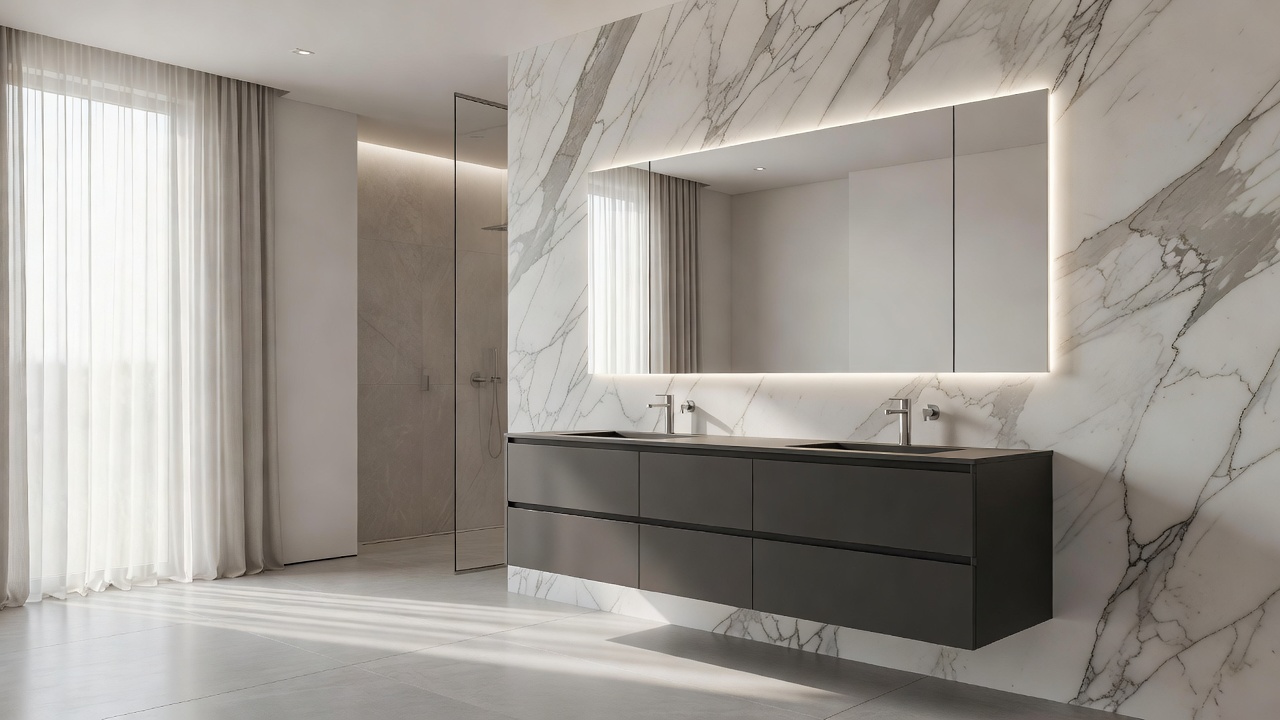
Successful 2026 bathroom remodels pair mirrors with vanities, tiles, and fixtures already in place. For example, a frameless mirror above a floating vanity can amplify natural light from nearby windows, while a smart mirror integrates seamlessly with existing smart home systems for automated lighting schedules. Practical examples include pairing oversized frameless mirrors with marble countertops in luxury updates or using LED-backlit smart mirrors in family bathrooms for better visibility during grooming tasks. These choices enhance overall decor without requiring full gut renovations. Consider how mirrors interact with plumbing layouts or storage solutions to avoid conflicts during the remodeling process.
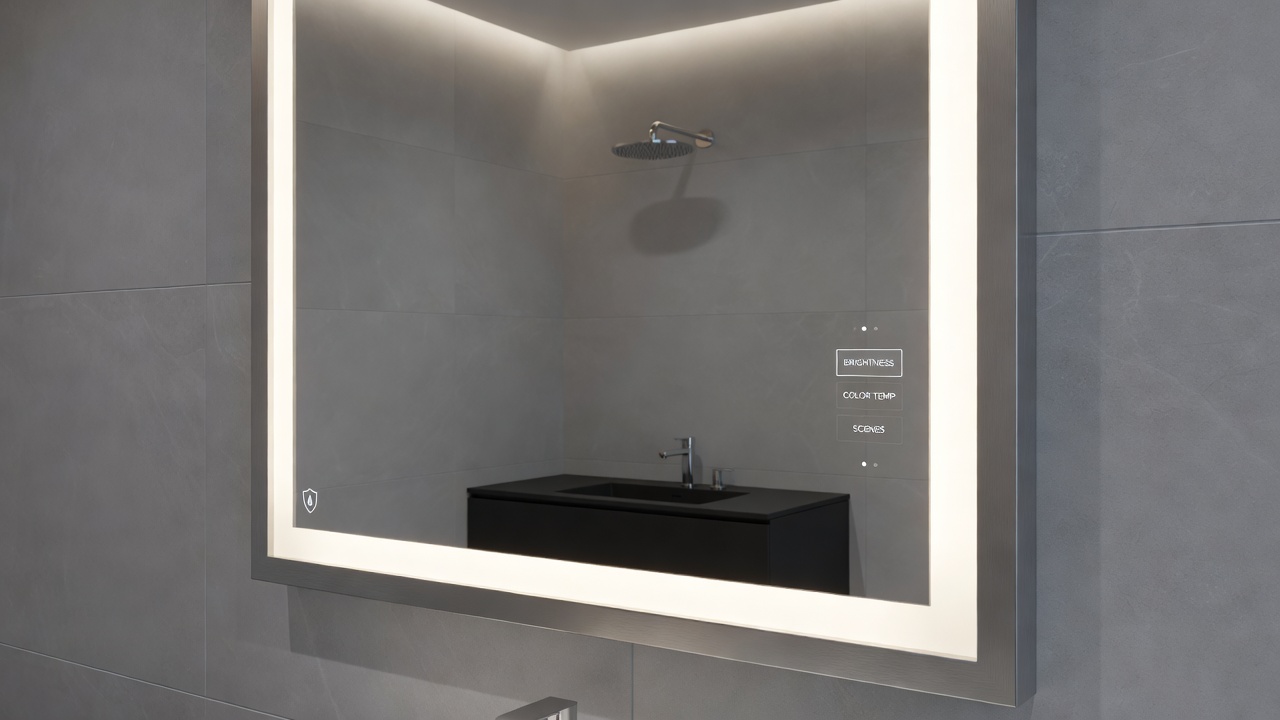
Another integration strategy involves coordinating mirror finishes with hardware selections. Brushed nickel or matte black frames on smart mirrors can echo faucet styles, creating a cohesive look. In 2026 projects, many designers emphasize modular approaches where mirrors complement rather than compete with other elements like shower enclosures or accent walls.
Lighting Synergies for Enhanced Functionality
Lighting plays a critical role in mirror performance. Integrated LED strips around smart mirrors provide even illumination that reduces shadows, ideal for makeup application or shaving. Position mirrors opposite windows or sconces to maximize light reflection and brighten the entire room. In 2026 projects, designers recommend layering ambient, task, and accent lighting around mirrors. This approach creates depth and highlights architectural details like niches or accent walls. For optimal results, select mirrors with adjustable color temperature settings that mimic natural daylight, improving both aesthetics and usability.
Energy-efficient lighting choices further enhance these synergies. Homeowners can explore resources from Energy Star to identify LED options that reduce electricity consumption while maintaining brightness. Proper lighting placement also minimizes glare on reflective surfaces, a common issue in smaller bathrooms.
Material Durability Comparisons
Durability is essential in humid bathroom environments. High-quality frameless mirrors use tempered glass resistant to moisture and minor impacts. Smart mirrors often feature moisture-sealed electronics and anti-corrosion coatings for longevity. Compare options by checking for UV protection to prevent fading and scratch-resistant surfaces. These materials ensure mirrors withstand daily use while maintaining clarity over years. Additional factors include resistance to steam and temperature fluctuations, which can affect both glass integrity and electronic performance in smart models.
When evaluating materials, review certifications related to safety and environmental standards. Resources from EPA provide guidance on sustainable building materials that align with eco-friendly remodeling practices. This ensures your mirror choices contribute to a healthier home environment.
Mistakes to Avoid During Mirror Selection
One common mistake is overlooking scale; choosing a mirror too small fails to enhance space perception effectively. Another is ignoring humidity ratings, leading to premature fogging or electronic failures in smart mirrors. Always measure your wall space accurately and test compatibility with existing electrical outlets before finalizing selections. Avoid rushing into trendy designs without considering long-term maintenance needs, such as accessing internal components for repairs.
Step-by-Step Mirror Selection Guide
- Assess your bathroom size and layout to determine mirror dimensions that optimize space perception.
- Evaluate existing lighting and decide between frameless simplicity or smart features for added utility.
- Research materials for humidity resistance and compatibility with your renovation style.
- Consider installation requirements, such as wall support for heavier smart models.
- Test samples or virtual previews to visualize integration before purchase.
- Plan for maintenance access, especially with electronic components in smart mirrors.
- Consult local building codes to ensure compliance with electrical and safety standards.
- Review warranty options that cover both glass and any integrated technology.
FAQs on Installation and Maintenance
How long does professional mirror installation typically take?
Most installations for standard or smart mirrors complete within a few hours, depending on electrical work needed for integrated lighting.
What maintenance is required for smart mirrors?
Regular cleaning with microfiber cloths and mild solutions keeps surfaces pristine. Electronics may need occasional firmware updates for optimal performance.
Are there ways to reduce long-term upkeep costs?
Selecting durable, sealed materials from the start minimizes replacements and repairs over time.
Can mirrors be installed over existing tile without damage?
Yes, with proper anchoring techniques and professional assessment of wall conditions to prevent cracking or instability.
Conclusion
Innovative mirror designs empower homeowners to achieve significant bathroom upgrades in 2026 through thoughtful selections that boost both aesthetics and practicality. By following the steps and considerations outlined, your remodel can deliver lasting satisfaction and enhanced daily living. These upgrades provide a cost-effective way to refresh your space while addressing key functional needs.
No comments yet. Be the first!