 Fixated on Home
2026 Bedroom Design for Couples: Balancing Personal Styles
Creating a shared bedroom that honors both partners' tastes requires thoughtful planning, especially during 2026 home renovations. Many couples face style conflicts when updating their space, but strategic approaches can result in a harmonious retreat that feels personal yet cohesive. In today's fast-paced world, the bedroom serves as a sanctuary for rest and connection, making it essential to resolve differences early in the design process. This guide provides in-depth strategies drawn from current renovation trends, helping you navigate everything from initial assessments to final installations while incorporating modern elements like sustainable materials and integrated technology. By addressing both aesthetic and functional needs, couples can transform potential disagreements into opportunities for creative collaboration that strengthens their relationship.
Assessing Individual Preferences
Start by evaluating each person's style thoroughly. List favorite colors, textures, and furniture types separately before coming together for discussion. Consider aspects such as preferred lighting levels, bed sizes, and storage needs. For example, one partner might favor bold patterns and vibrant hues while the other prefers minimalist lines and muted tones. Ask targeted questions like what elements from past bedrooms felt most comforting or what daily routines influence furniture placement. Non-negotiables versus flexible elements should be identified early to prevent later disagreements. Take time to review past living spaces and note what worked well or caused friction. This foundational step sets a clear direction for the entire renovation and ensures both voices are heard equally throughout the project. Documenting these preferences in a shared notebook or app helps maintain focus during material selection and layout decisions.
Creating Mood Boards and Visual Examples
Develop individual mood boards using digital tools or physical clippings from magazines. Combine these into a shared vision that highlights common themes. Visual examples of blended aesthetics might include a Scandinavian base featuring clean lines paired with subtle Japanese minimalism accents like tatami-inspired rugs or shoji screens. Another popular combination pairs industrial metal shelving with bohemian textiles such as macramé wall hangings and layered rugs. These examples demonstrate how contrasting elements can coexist when anchored by a unified color scheme and proportional furniture placement. Experiment with digital platforms to overlay images and test color harmonies before committing to purchases. This visual exercise often reveals unexpected synergies that make the final space more dynamic and reflective of both personalities.
Selecting Neutral Bases with Personalized Accents
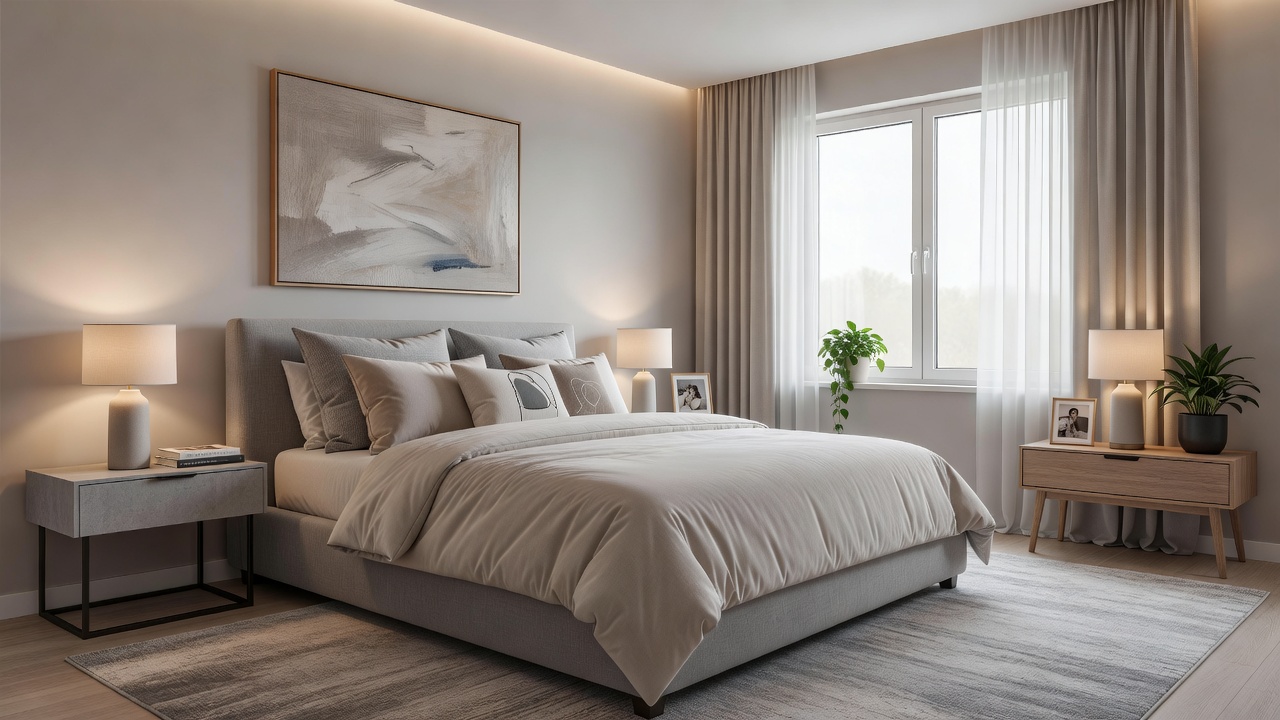
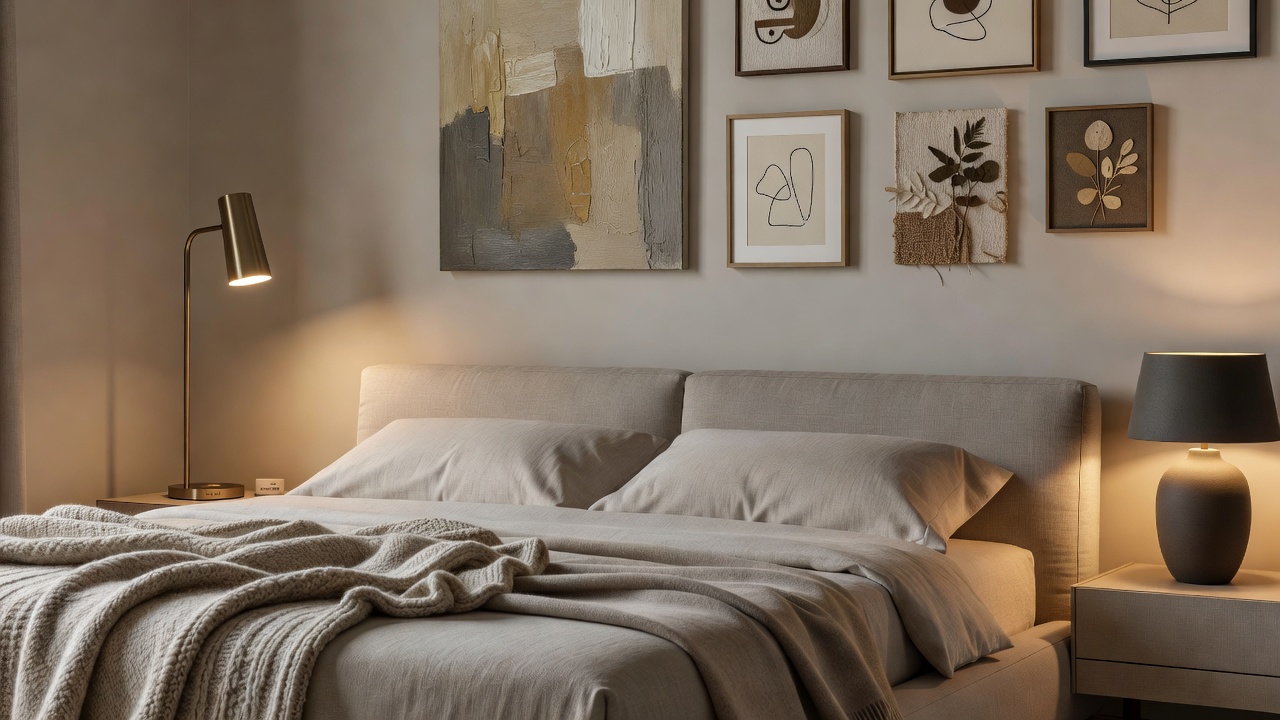
Choose a neutral foundation such as soft grays, warm beiges, or crisp whites for walls, flooring, and major furniture pieces. These tones create a calm backdrop that allows accents to shine without overwhelming the space. Add personality through bedding, artwork, and accessories that reflect each partner's preferences. For instance, incorporate one partner's love for geometric prints via throw pillows while the other contributes organic shapes through ceramic lamps. This method maintains visual balance and flexibility for future updates. Consider how natural light interacts with the base palette throughout the day to ensure the neutrals remain inviting rather than sterile. Layering textures like velvet cushions against linen curtains adds depth while keeping the overall design grounded.
Integrating Shared Tech Features
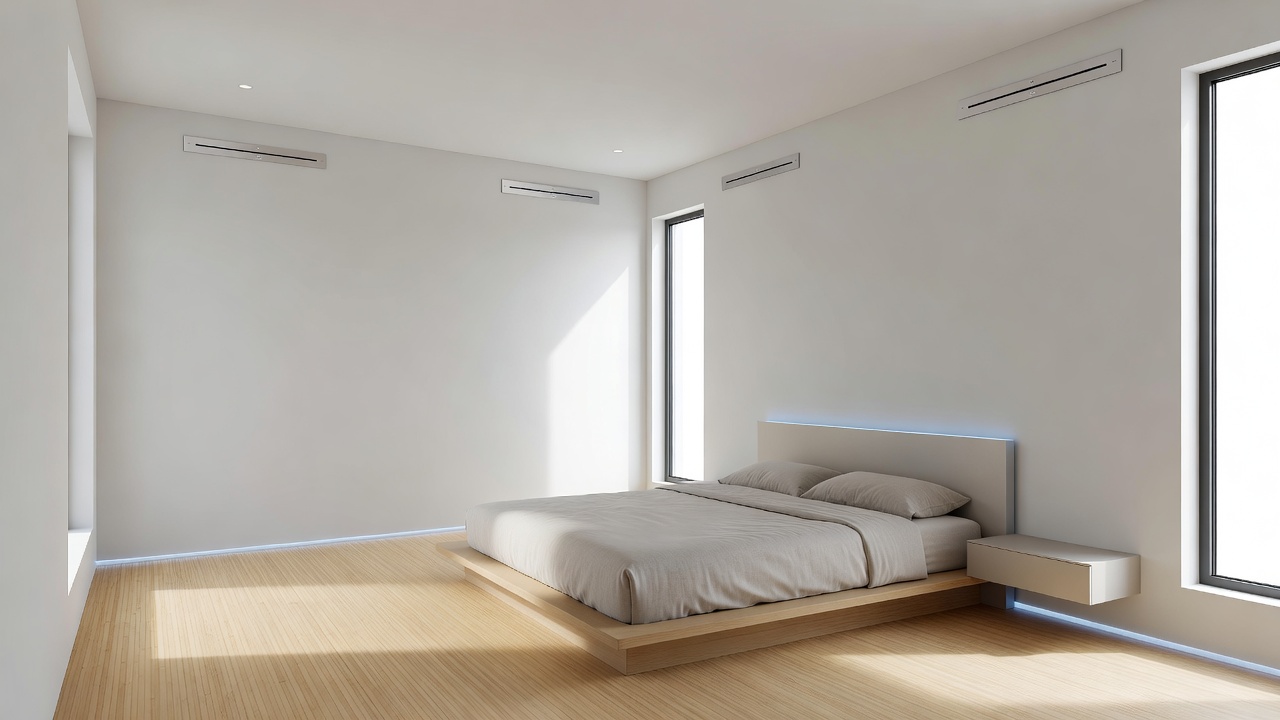
Modern 2026 bedrooms often include smart lighting systems, adjustable mattresses, and integrated sound setups. Select devices that serve both users effectively, such as dual-zone climate controls or voice-activated window treatments. Position technology discreetly behind cabinetry or within furniture to preserve the aesthetic flow. Consider energy-efficient options that align with sustainable renovation practices, ensuring the room remains comfortable and functional for years to come. Examples include bedside panels that control both sides independently or hidden charging stations that eliminate cord clutter. These features enhance daily life without dominating the visual design.
Step-by-Step Planning Process
Follow this detailed sequence for successful execution: First, measure the room accurately and document architectural features like windows and outlets. Second, create and merge mood boards to finalize the design direction. Third, establish a realistic renovation timeline along with budget priorities that account for both shared and individual expenses. Fourth, consult design professionals or contractors for any structural modifications. Fifth, source and order materials while verifying lead times. Sixth, coordinate installations in phases to minimize disruption. This structured approach reduces stress and keeps the project on track from concept to completion. Allocate buffer time for unexpected delays common in material deliveries during peak renovation seasons.
Material Comparisons for Durability and Style
Compare flooring options such as hardwood for its timeless warmth versus engineered alternatives for easier maintenance in high-traffic areas. Bedding materials offer choices between breathable linen for summer comfort and durable cotton blends for everyday use. Wall treatments range from paint for quick changes to textured wallpaper for added depth. Review physical samples side-by-side under different lighting conditions to confirm compatibility with your overall scheme. These comparisons help prioritize longevity alongside visual appeal during material selection. For instance, quartz countertops on nightstands provide scratch resistance while wood veneers offer warmth at lower maintenance than solid timber.
Common Mistakes to Avoid
Many couples rush into purchases without testing compatibility, leading to mismatched scales or clashing textures. Another frequent error involves neglecting storage solutions early, resulting in cluttered surfaces later. Overlooking lighting layers can leave the room feeling flat or too harsh at night. Always prototype arrangements with temporary setups before committing to permanent fixtures. Failing to consider traffic flow around the bed often creates daily frustration. Additionally, ignoring acoustic treatments like rugs or curtains can amplify noise from outside or adjacent rooms, disrupting sleep quality.
Budget and Storage Solutions
Divide expenses by categorizing items as shared or personal to ensure fairness. For storage compromises, modular systems provide customizable compartments that adapt to each partner's belongings without dominating the room. Explore built-in options or under-bed drawers to maximize space efficiently while maintaining the design integrity. Prioritize multi-functional furniture such as ottomans with hidden compartments to balance practicality and style.
Lighting and Ambiance Strategies
Layer lighting sources including overhead fixtures, bedside lamps, and accent strips to create flexible moods. Dimmable options allow the space to shift from energizing morning light to relaxing evening tones. Incorporate natural elements like plants near windows to soften tech-heavy features and improve air quality.
FAQ: Common Challenges in Couple Bedroom Renovations
How do we split the budget fairly?
Agree on equal contributions for shared foundational items and allocate separate funds for unique personal accents that reflect individual tastes.
What about storage compromises?
Choose modular or customizable furniture that offers dedicated sections for each person's items while keeping the overall aesthetic unified.
Can we update without full renovation?
Yes, refreshing with new textiles, strategic lighting, and accent pieces often transforms the space effectively at lower cost and effort.
How do we handle differing temperature preferences?
Incorporate dual-control bedding and zoned HVAC features to accommodate both partners comfortably throughout the seasons.
What if one partner wants bold color and the other prefers neutrals?
Use the bolder color sparingly in accents like an accent wall or artwork while maintaining a neutral base for broader appeal and easier future changes.
Conclusion
Balancing styles in a 2026 bedroom design creates a space both partners enjoy daily. By following structured steps, focusing on neutral foundations, and integrating meaningful accents and technology, couples achieve lasting harmony. For additional renovation ideas and professional insights, explore resources from Architectural Digest, Houzz, and Remodelista.
No comments yet. Be the first!