 Fixated on Home
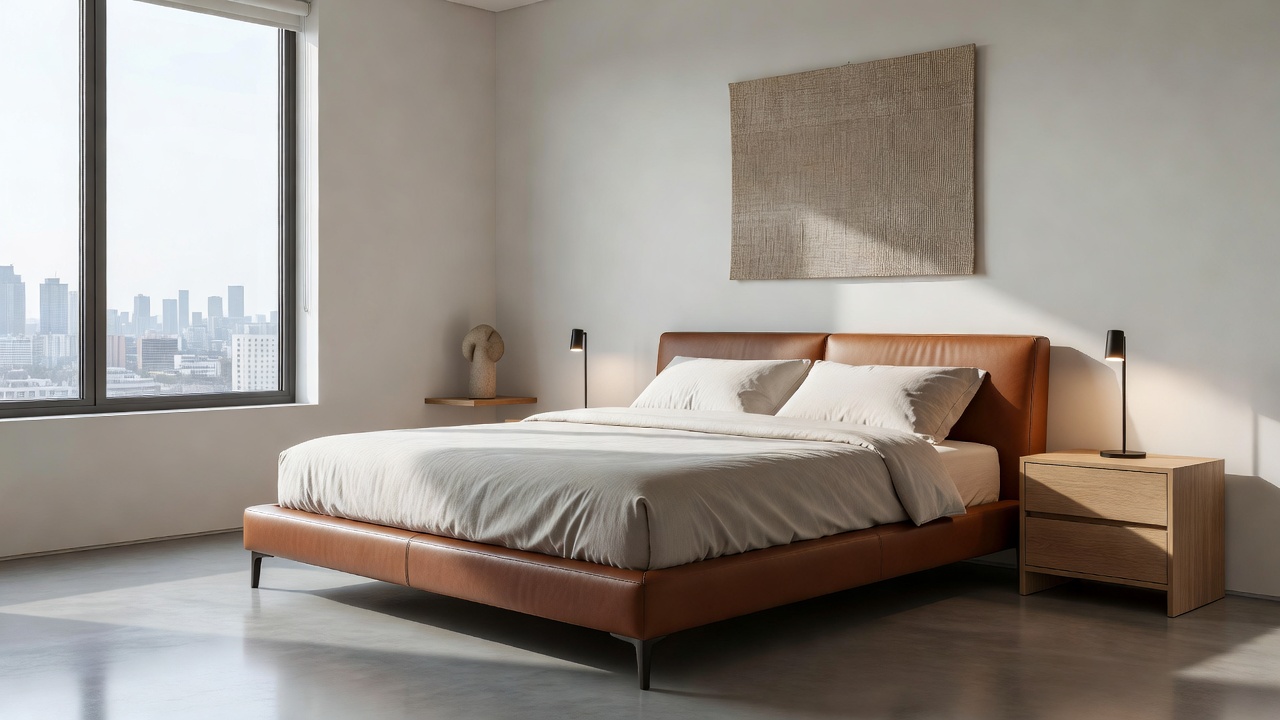
Introduction to Choosing Between Leather and Fabric Beds
Selecting the right bed frame material is a pivotal decision in any 2026 bedroom renovation. Homeowners today seek upholstered beds that deliver modern aesthetics while meeting practical needs like durability and easy upkeep. This guide examines leather versus fabric options in depth, helping you balance visual appeal with long-term performance in contemporary homes. The choice impacts not only daily comfort but also how the space feels over years of use, especially when coordinating with other design elements like lighting, flooring, and window treatments.
Both materials offer distinct advantages depending on your lifestyle, local climate, and existing furniture. Leather provides a sleek, sophisticated look that ages gracefully, while fabric options bring warmth and texture. Understanding the trade-offs ensures your choice supports a cohesive bedroom design upgrade. Many renovators overlook how material selection affects resale value and long-term satisfaction, making thorough research essential before committing to a purchase.
Pros and Cons of Leather Upholstered Beds
Leather beds excel in high-end modern interiors. Their smooth surfaces resist dust accumulation and offer a premium feel that complements minimalist or industrial styles. Durability stands out, as quality leather withstands daily wear for years with proper care. In addition, leather develops a rich patina over time that many homeowners find appealing in evolving spaces.
- Style: Timeless elegance that pairs well with metal accents or neutral palettes, creating focal points in open-concept layouts.
- Durability: Resistant to tearing and fading in controlled environments, making it suitable for busy households.
- Maintenance: Simple wiping with a damp cloth removes most spills, reducing the time spent on weekly chores.
However, leather can feel cold in winter climates and may crack if exposed to excessive dryness. It also shows scratches more visibly than fabric alternatives. Consider how foot traffic and pet activity might accelerate visible wear on lighter shades of leather.
Pros and Cons of Fabric Upholstered Beds
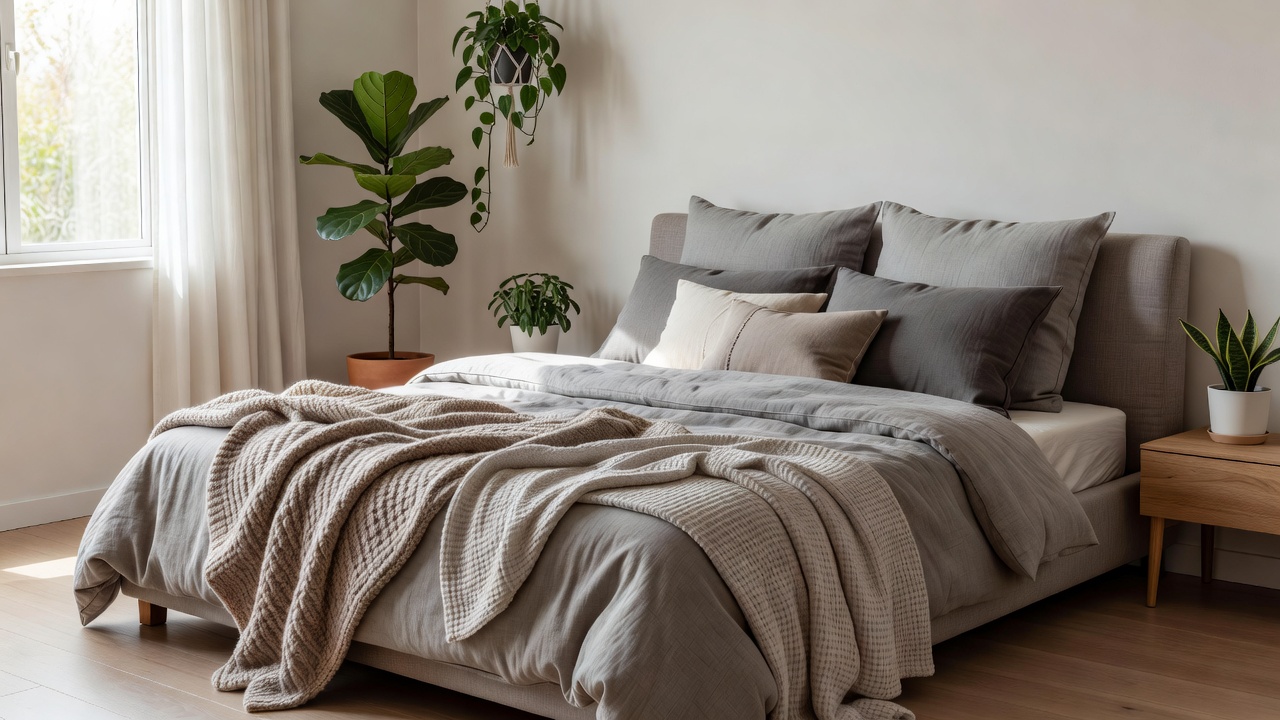
Fabric beds introduce cozy textures that soften modern spaces. They come in countless patterns and colors, allowing seamless integration with diverse decor schemes. Breathability makes them comfortable year-round in varying temperatures. Many fabric options now include built-in stain resistance that extends their appeal in family settings.
- Style: Versatile options from linen to velvet for layered, inviting looks that adapt easily to seasonal decor changes.
- Durability: Strong performance with stain-resistant treatments on many models, though this varies by weave density.
- Maintenance: Vacuuming and spot cleaning handle routine care effectively when addressed promptly.
Drawbacks include greater susceptibility to stains and odors, plus more frequent cleaning needs in households with pets or children. Fabric can also retain allergens if not cleaned regularly, which matters for sensitive sleepers.
Climate Considerations for Material Selection
Regional weather influences material performance significantly. In humid areas, fabric can absorb moisture leading to mildew risks, whereas leather maintains better integrity but may require conditioning. Dry climates favor leather less due to potential cracking, making treated fabrics a wiser pick. Homeowners in temperate zones enjoy flexibility with either choice when paired with proper ventilation and dehumidifiers during peak seasons.
Cleaning Routines for Longevity
Effective maintenance extends the life of your bed. For leather, use pH-balanced cleaners monthly and avoid harsh chemicals. Fabric requires weekly vacuuming plus immediate stain treatment with approved solutions. Always follow manufacturer guidelines to preserve warranties. EPA guidelines on household cleaning products provide helpful insights for safe product selection. Establishing a seasonal deep-clean schedule helps prevent buildup that could otherwise shorten the lifespan of either material.
Cost Comparisons and Budget Planning
Leather typically commands higher upfront investment due to material quality, while fabric offers more accessible entry points with comparable style. Factor in long-term care costs when evaluating options for your renovation budget. Qualitative differences often matter more than initial outlay in achieving lasting satisfaction, especially when considering replacement frequency over a decade of use.
Integration with Existing Furniture
Match your bed to nightstands, dressers, and seating by considering color harmony and texture contrast. Leather beds anchor bold, monochromatic rooms, while fabric softens eclectic arrangements. Test swatches against current pieces before committing to ensure visual flow. This step prevents costly mismatches that require additional purchases later in the renovation process.
Sustainability and Eco-Friendly Options
Modern renovators increasingly prioritize sustainable materials. Look for leather sourced from tanneries with low environmental impact or fabric made from organic cotton and recycled fibers. Both options can align with green building standards when certified by recognized programs. Checking for low-VOC finishes further supports healthier indoor air quality in the bedroom.
Real-World Examples in Contemporary Spaces
In a sleek urban loft, a cognac leather bed serves as the focal point against concrete floors and brass lighting. Conversely, a linen fabric bed in a coastal home creates relaxed elegance with rattan accents and soft linens. These examples illustrate how material choice elevates overall bedroom design. Another case involves a suburban family home where a performance fabric bed withstands daily use from children while maintaining its appearance after two years of heavy traffic.
Decision Flowchart: Finding Your Ideal Bed
- Assess your climate and humidity levels first using local weather data.
- Evaluate lifestyle factors like pets, allergies, or frequent overnight guests.
- Review maintenance time available weekly and your tolerance for spot cleaning.
- Compare aesthetics against existing decor by laying out fabric swatches or leather samples.
- Consider long-term durability priorities and potential resale implications.
- Visit showrooms to sit and touch both materials in person before finalizing.
Common Mistakes to Avoid
Many homeowners rush the decision without testing materials under real lighting conditions. Others ignore care instructions, leading to premature wear. Skipping professional cleaning for leather or neglecting fabric protectors are frequent oversights that reduce longevity. Always allocate budget for accessories like mattress protectors to safeguard your investment.
FAQ: Common Renovation Concerns
Which material lasts longer in high-traffic homes?
Leather generally outlasts untreated fabric in busy settings when maintained consistently, though high-quality performance fabrics can close the gap.
Are fabric beds suitable for allergy sufferers?
Yes, with regular cleaning and hypoallergenic covers, fabric performs well for many, according to World Health Organization indoor environment resources.
How do I decide between the two for a small bedroom?
Opt for lighter fabric tones to maximize perceived space in compact rooms while avoiding heavy patterns that can overwhelm the area.
Can either material be repaired if damaged?
Leather patches are possible for minor issues, while fabric often requires professional reupholstery for tears or heavy stains.
What about odor retention over time?
Fabric tends to hold odors more than leather, so ventilation and baking soda treatments help mitigate this in fabric choices.
Conclusion
Both leather and fabric beds deliver strong value in 2026 renovations when aligned with your specific needs. Weigh style, practicality, and maintenance to select the material that enhances your modern home for years ahead. This structured approach transforms a simple purchase into a strategic design upgrade that improves daily living and supports broader renovation goals.


No comments yet. Be the first!