 Fixated on Home
2026 Bedroom Fireplace Ideas for Cozy Modern Home Upgrades
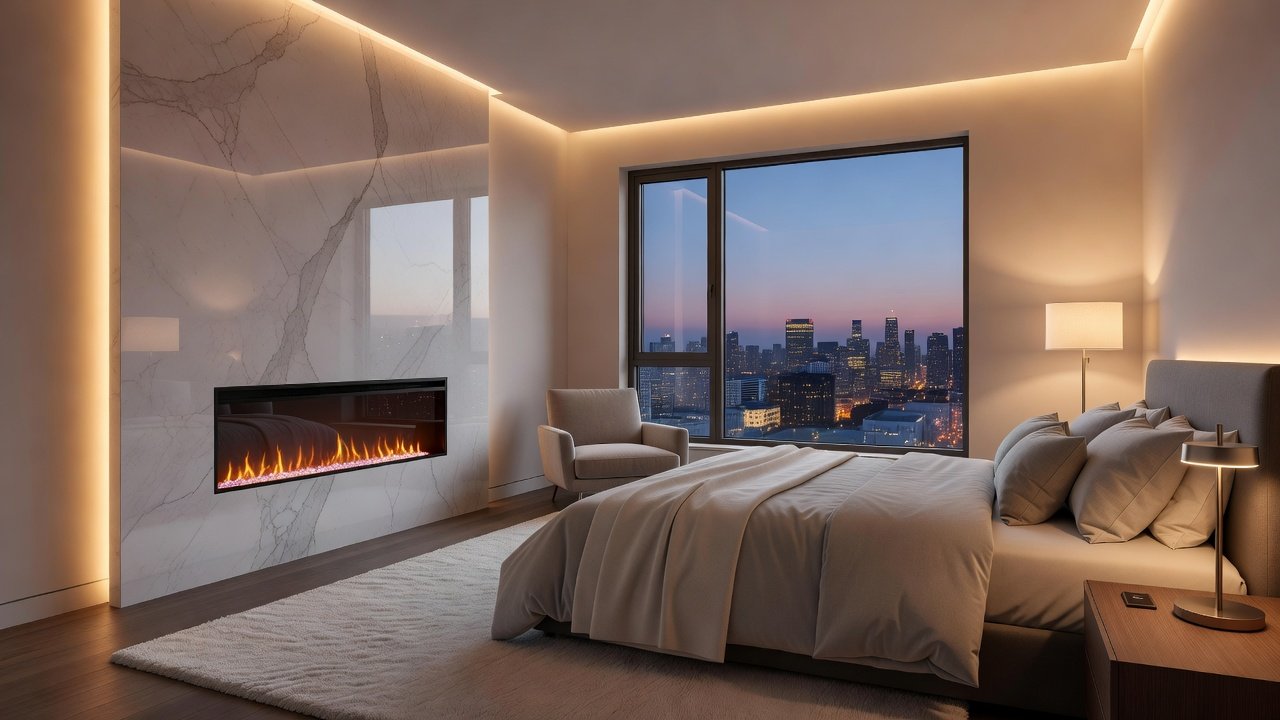
Integrating a fireplace into your bedroom creates an inviting focal point that enhances both ambiance and property value. In 2026, homeowners are prioritizing upgrades that combine contemporary design with practical warmth, transforming bedrooms into serene retreats. This comprehensive guide explores electric versus gas options, essential safety and ventilation requirements, strategic placement ideas, material selections aligned with current trends, detailed installation steps, real-world examples, and maintenance advice to ensure peaceful, energy-efficient spaces.
Electric vs Gas Fireplaces: Detailed Comparison for 2026 Homes
Electric fireplaces have gained immense popularity for bedroom applications due to their simplicity and versatility. These units plug into standard outlets, produce no emissions, and feature realistic flame effects powered by LED technology or water vapor. They suit apartments and homes without existing chimneys, offering customizable heat settings and remote controls. In contrast, gas fireplaces provide a more authentic experience with real flames and superior heat output, often using natural gas or propane lines. However, they demand professional installation for venting to expel combustion byproducts. Homeowners in 2026 often choose electric models for quick retrofits in modern minimalist designs, while gas options appeal to those seeking traditional coziness in larger master suites. Consider your home's layout, local climate, and energy sources when selecting between the two for optimal performance and aesthetics.
Safety and Ventilation Requirements You Must Follow
Safety remains paramount when adding a fireplace to a bedroom, where relaxation and sleep occur. Units should comply with established guidelines from organizations like the National Fire Protection Association. Electric models require maintaining clearances of at least three feet from flammable materials such as curtains or bedding, along with ground-fault circuit interrupter outlets. Gas installations necessitate carbon monoxide detectors, proper chimney or direct-vent systems, and annual inspections to prevent leaks. Ventilation is critical for gas units to avoid indoor air quality issues; direct-vent models draw outside air and exhaust fumes externally. Always check local building codes and hire certified technicians to ensure compliance. Neglecting these steps can lead to hazards, so prioritize professional assessments during the planning phase of your 2026 renovation.
Strategic Placement Strategies for Maximum Comfort and Style
Thoughtful placement maximizes both warmth and visual appeal. Position the fireplace opposite the bed as the primary focal point, allowing flames to be viewed from the pillows for ultimate relaxation. In compact bedrooms, corner or wall-mounted electric units save floor space while creating an illusion of depth. Avoid locations near exterior windows or doors to reduce drafts and heat loss. For example, one homeowner transformed a narrow guest room by recessing an electric fireplace into a feature wall beside the bed, paired with floating shelves for books and plants. Another scenario involved centering a gas fireplace in a spacious master bedroom, flanked by symmetrical nightstands to balance the layout. Experiment with layouts using painter's tape on the floor during planning to visualize traffic flow and sightlines before committing to installation.
Material Choices That Align with 2026 Design Trends
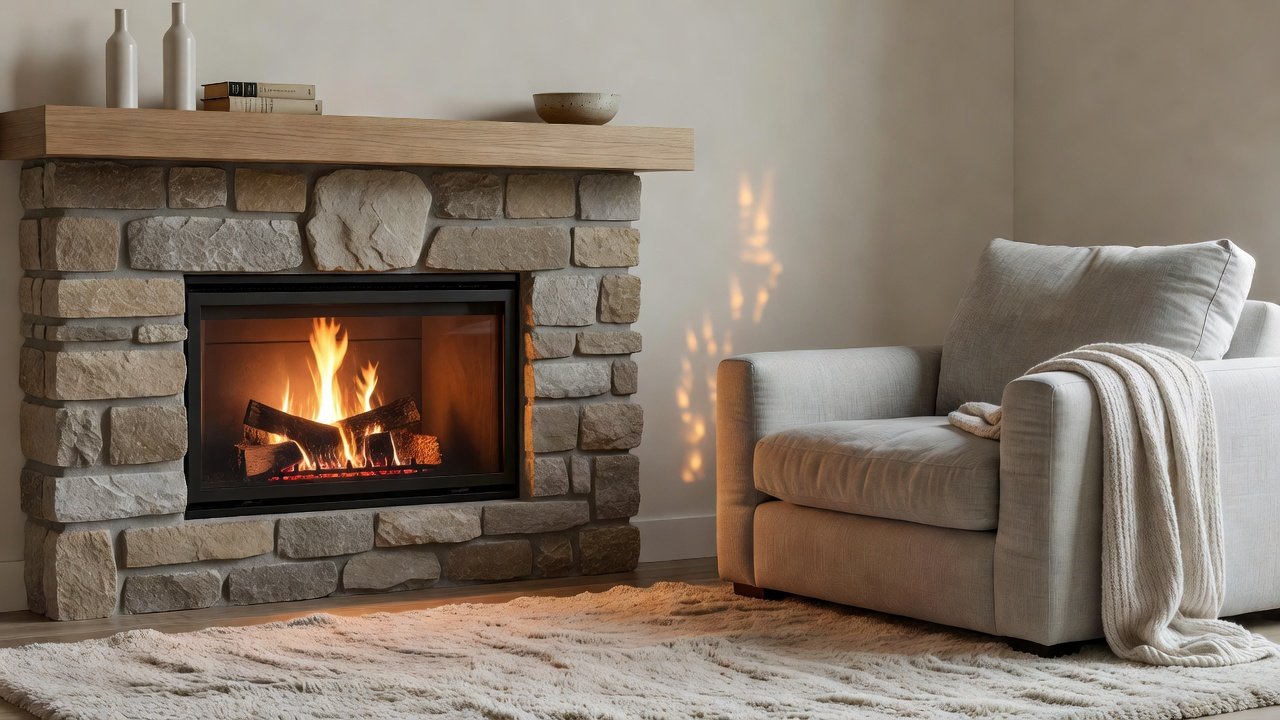
Selecting the right surround materials elevates the fireplace to a design centerpiece. Trending options include polished marble or quartz for a luxurious, reflective finish that complements neutral tones and metallic accents. Reclaimed wood mantels add organic warmth to industrial-modern hybrids, while matte black steel frames suit minimalist Scandinavian aesthetics. Stone veneers provide texture and durability for rustic-contemporary fusions. These materials pair effectively with 2026 trends like layered textiles, biophilic elements such as indoor plants, and smart lighting integration. Before-and-after projects frequently demonstrate how swapping outdated tile for sleek concrete panels modernizes the space, enhancing perceived value without major structural changes.
Step-by-Step Installation Overview with Practical Tips
Successful installation follows a structured process to avoid costly revisions. Begin by evaluating room dimensions, electrical capacity, and gas line accessibility if applicable. Next, secure permits and select models certified for bedroom use. Prepare the area by installing fire-resistant drywall or backing boards. For electric units, mount the insert, connect wiring, and test controls. Gas installations involve running lines, attaching vents, and sealing joints professionally. Finish with decorative elements like custom mantels or integrated storage. Practical tips include budgeting extra time for inspections and choosing units with built-in thermostats for efficiency. Homeowners report smoother projects when collaborating with designers familiar with current codes.
Real-World Before-and-After Scenarios and Examples
Consider a suburban couple's outdated bedroom featuring a bulky wood-burning stove. After renovation, they installed a ventless gas fireplace with a limestone surround, resulting in a streamlined look that increased evening usability and improved resale interest. In an urban loft, a DIY electric fireplace addition behind the headboard turned a stark white room into a warm sanctuary, complete with dimmable lights and a plush seating area. These transformations highlight how fireplaces address cold spots and elevate mood, with measurable improvements in daily comfort reported by residents.
Cost Comparisons and Long-Term Value Considerations
Electric fireplaces generally involve simpler retrofits with lower labor demands compared to gas systems requiring venting infrastructure. Long-term operating expenses depend on usage patterns and regional energy rates, making electric options attractive for occasional heating. Both types contribute to home value by boosting buyer appeal in competitive markets. Qualitative assessments show that well-executed fireplace additions often recoup investments through enhanced livability and aesthetic upgrades rather than immediate financial returns.
Maintenance and Energy Efficiency for Peaceful Spaces
Routine care ensures reliable performance and safety. Clean electric units monthly by dusting vents and checking bulbs, while gas models benefit from professional tune-ups twice yearly. Energy efficiency improves with programmable features and insulated surrounds. The U.S. Department of Energy recommends models with high AFUE ratings for reduced consumption. Incorporate smart home controls for automated shutoff during unoccupied hours. These practices support restful environments by minimizing noise and maintaining steady temperatures.
Common Mistakes to Avoid During Your Upgrade
- Overlooking clearance requirements leading to safety violations.
- Choosing oversized units that overwhelm small bedrooms.
- Skipping professional venting for gas models, risking air quality problems.
- Ignoring style consistency with existing decor, resulting in mismatched aesthetics.
Conclusion
Adding a fireplace to your bedroom in 2026 offers a rewarding way to create cozy, modern retreats. By carefully weighing options, prioritizing safety, and selecting complementary materials, you achieve both functional warmth and stylish upgrades that endure.
FAQ
Are bedroom fireplaces safe for daily use?
Yes, with proper installation and features like automatic shutoffs, modern units support safe daily operation when guidelines are followed.
How do I maintain energy efficiency?
Select high-efficiency models, use smart thermostats, and schedule regular maintenance to optimize performance and minimize waste.
What about maintenance needs?
Electric units need simple cleaning, while gas fireplaces require annual professional checks for vents and connections to ensure longevity.
Can I install one without major renovations?
Electric models often allow surface-mounted or insert options with minimal disruption, unlike gas which may need structural work.


No comments yet. Be the first!