 Fixated on Home
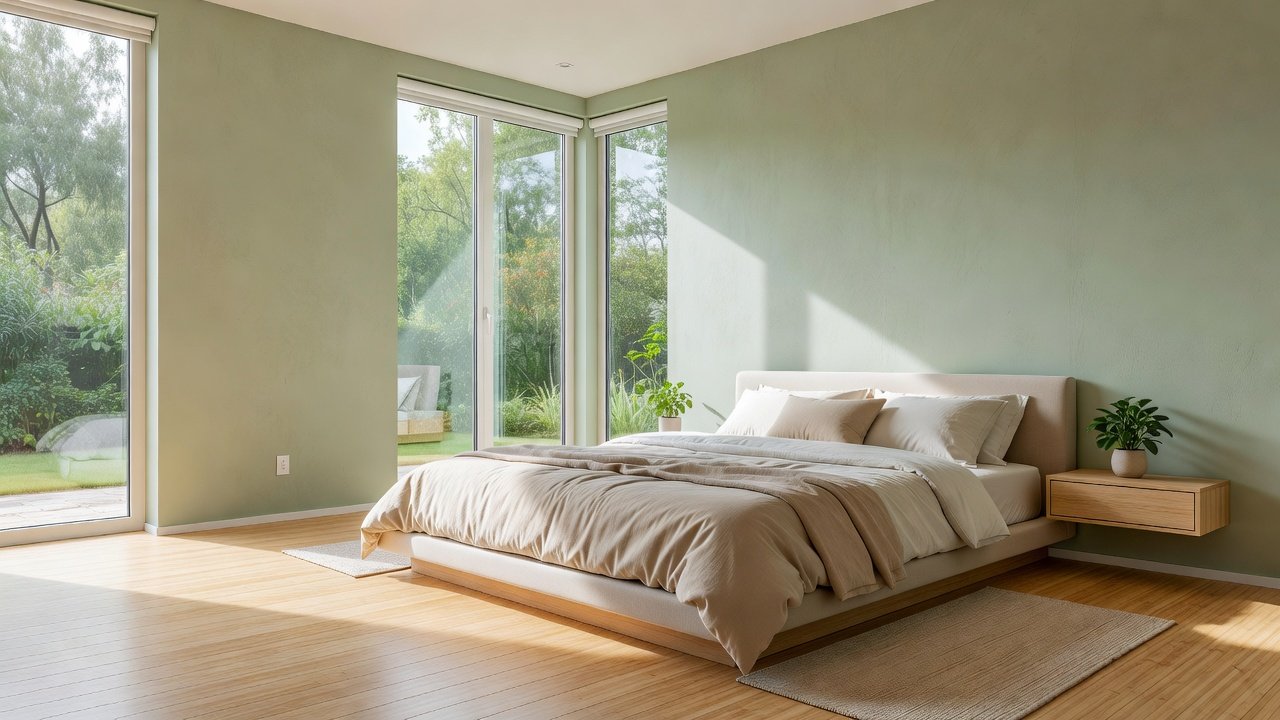
Introduction to Sustainable Bedroom Renovations in 2026
Homeowners increasingly prioritize eco-conscious choices when updating bedrooms. Sustainable materials help reduce environmental impact while delivering modern aesthetics and long-term durability. This guide compares options such as bamboo flooring, recycled textiles, and low-VOC paints, offering practical sourcing tips, installation guidance, and real-world project examples. Balancing style, performance, and planetary health starts with informed material selection. Recent trends show growing demand for certified products that meet both design and green standards, reflecting broader shifts toward responsible home upgrades that support healthier living spaces and lower carbon footprints over time.
Key Sustainable Materials Compared
Bamboo Flooring
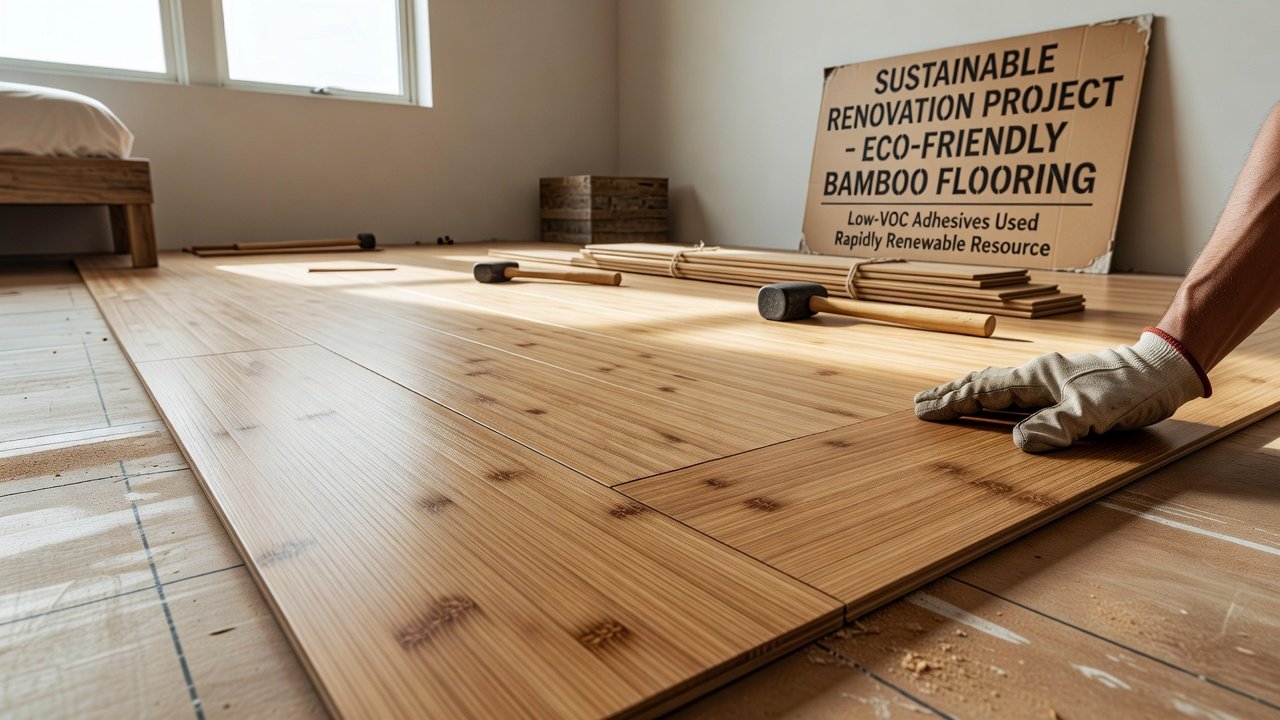
Bamboo offers a fast-growing, renewable alternative to hardwood. It provides hardness comparable to oak while using fewer resources. Homeowners appreciate its natural grain and compatibility with underfloor heating systems. Bamboo grows to maturity in just three to five years, making it far more sustainable than traditional timber that can take decades. Its dense structure resists warping in humid conditions common in bedrooms with varying climate control.
Recycled Textiles
Recycled polyester and organic cotton fabrics appear in bedding, curtains, and upholstery. These materials divert waste from landfills and often match traditional textiles in softness and longevity. Many options come from post-consumer plastic bottles or industrial fabric scraps, transformed through advanced processing into comfortable, breathable surfaces ideal for restful environments.
Low-VOC Paints
Low- and zero-VOC paints minimize indoor air pollution. They support healthier sleep environments and comply with stricter environmental regulations. These paints use plant-based or waterborne formulas that release fewer harmful chemicals during application and curing, creating safer spaces especially important for bedrooms where occupants spend extended hours.
| Material | Pros | Cons |
|---|---|---|
| Bamboo Flooring | Renewable, durable, moisture-resistant, quick growth cycle | Requires proper sealing; limited color options; sensitive to extreme dryness |
| Recycled Textiles | Soft, affordable long-term, reduces waste, versatile patterns | May need frequent washing; variable quality depending on source |
| Low-VOC Paints | Low odor, easy application, healthy indoor air, wide color range | Higher upfront cost than standard paints; may require extra coats |
Material Sourcing Tips
Look for FSC-certified bamboo and GRS-certified recycled textiles. Check manufacturer transparency reports for supply chain details. Local suppliers often reduce transportation emissions compared to overseas sourcing. When selecting bamboo, verify the harvesting region to ensure ethical forestry practices. For textiles, request documentation showing the percentage of recycled content and any chemical treatments used. Visiting showrooms allows examination of samples under natural light, while requesting third-party test results for VOC levels and durability ratings ensures informed decisions before purchase. Consider regional availability to minimize shipping distances and support local economies.
Cost Comparisons Versus Traditional Options
Sustainable choices frequently deliver better lifecycle value despite sometimes higher initial investment. Bamboo flooring lasts 20–30 years with proper care, often matching or exceeding conventional hardwood performance. Recycled textiles provide similar comfort at competitive prices when sourced in bulk for larger projects. Traditional options may seem cheaper upfront but often require more frequent replacement due to wear or off-gassing issues, leading to higher overall expenses and waste.
Installation Steps for Beginners
- Prepare the subfloor by cleaning and leveling it thoroughly to prevent future issues.
- Acclimate bamboo planks for 48–72 hours in the room to adjust to humidity levels.
- Apply low-VOC adhesive or use click-lock systems for secure, gap-free installation.
- Install textiles using low-VOC staples or hooks, ensuring even tension across surfaces.
- Paint walls last, allowing full ventilation between coats and proper drying time.
- Seal bamboo floors with eco-friendly finishes after installation for added protection.
Real-World Project Examples
A 2025 renovation in Portland converted a standard bedroom using bamboo floors and organic linen curtains. The owners reported improved air quality within weeks and noted the flooring's warmth underfoot during cooler months. Another project in Austin featured low-VOC paint paired with recycled denim insulation, achieving LEED certification points while creating a serene, modern aesthetic. A third example from Seattle incorporated recycled ocean-plastic rugs alongside bamboo accents, demonstrating how mixed sustainable materials can enhance both visual appeal and environmental responsibility in compact urban bedrooms.
Environmental Impact and Certifications
Choosing these materials reduces deforestation, plastic pollution, and chemical emissions. Certifications provide assurance of authenticity. Always cross-reference claims with independent bodies to avoid greenwashing. Detailed lifecycle assessments show bamboo sequesters carbon during growth, while recycled textiles cut virgin plastic production significantly.
Durability and Performance in Daily Use
Bamboo withstands heavy foot traffic better than many expect when properly maintained. Recycled textiles resist fading and pilling with quality construction. Low-VOC paints maintain color vibrancy without peeling when applied correctly. Homeowners should test samples in actual room conditions to predict long-term behavior accurately.
Mistakes to Avoid During Renovation
- Skipping acclimation of wood products leading to buckling.
- Using non-certified materials that undermine sustainability goals.
- Ignoring ventilation during painting, causing lingering odors.
- Overlooking subfloor preparation resulting in uneven finishes.
Beginner-Friendly Checklist
- Verify material certifications before ordering.
- Measure room dimensions twice for accurate quantities.
- Test paint samples on small wall sections over several days.
- Schedule installation during mild weather for optimal ventilation.
- Plan for 10% extra material for cuts and future repairs.
- Research local disposal options for any packaging waste.
Maintenance and Longevity
Bamboo floors need regular sweeping and occasional resealing every 5–7 years. Recycled textiles benefit from gentle machine washing on cool cycles. Low-VOC walls wipe clean with mild soap solutions. Proper care extends material life and preserves eco-benefits, ensuring the renovation remains a worthwhile investment for years.
FAQ
How do I confirm low-VOC certification?
Request GREENGUARD or similar labels from suppliers and cross-check with EPA resources.
Are sustainable materials more expensive?
Initial costs vary, yet many homeowners find reduced replacement needs create savings over time.
Can I mix sustainable and conventional materials?
Yes, but prioritize low-VOC options for painted surfaces to maintain air quality benefits.
What certifications should I prioritize?
Seek FSC for wood products, GRS for textiles, and USGBC guidelines for overall project alignment.
How does sourcing location affect sustainability?
Local or regional suppliers lower transport emissions; check FSC resources for verified global options.
Conclusion
Choosing sustainable materials for 2026 bedroom renovations supports both personal well-being and environmental goals. By focusing on bamboo, recycled textiles, and low-VOC paints, homeowners achieve stylish, durable results. Follow the outlined steps, checklists, and maintenance advice to ensure a successful, eco-conscious upgrade that stands the test of time.
No comments yet. Be the first!