 Fixated on Home
Introduction to Textured Walls in Modern Bedroom Design
Textured walls have become a cornerstone of sophisticated bedroom interiors in 2026, offering depth and visual interest without requiring extensive renovations. Homeowners increasingly turn to these techniques to transform flat, uninspired surfaces into focal points that enhance ambiance and perceived space. This guide covers plaster, fabric, and geometric applications, providing actionable steps for each while addressing real-world transformations and long-term care.
Why Choose Textured Walls for 2026 Bedrooms
In contemporary design trends, texture adds layers of sophistication that complement minimalist furniture and neutral palettes. Textured surfaces interact dynamically with lighting, creating subtle shadows that evolve throughout the day. They also improve acoustics by diffusing sound, making bedrooms more restful. Beyond aesthetics, these upgrades support better sleep environments by reducing echo and adding tactile warmth that invites relaxation after long days.
Plaster Texture Techniques
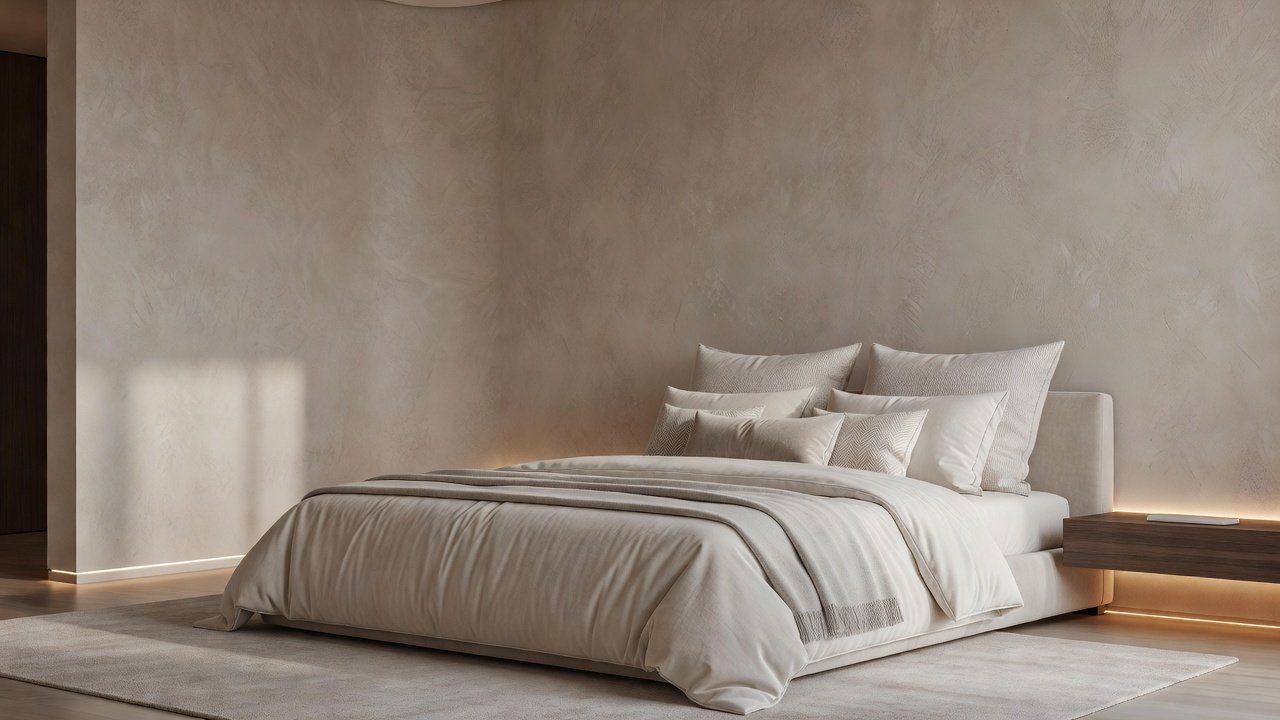
Plaster offers a timeless, organic finish ideal for elegant bedrooms. Venetian plaster creates a marble-like sheen, while knockdown textures provide a rustic yet refined look. Homeowners appreciate plaster for its versatility across various architectural styles, from modern minimalism to transitional designs. Variations such as tadelakt, a waterproof Moroccan plaster, suit en-suite bedrooms where humidity levels fluctuate.
Step-by-Step Installation for Venetian Plaster
Begin by gathering essential tools including a stainless steel trowel, hawk, sandpaper, and sealer. Prepare the wall by cleaning thoroughly and applying a high-adhesion primer. Apply the first thin layer of plaster using smooth, overlapping strokes at a 30-degree angle. Allow each coat to dry completely before burnishing with the trowel edge to build depth and movement. Finish with two to three layers total, then apply a protective wax sealant. This process typically spans three days for optimal curing.
Real-world example: A dated bedroom with plain drywall transformed into a serene retreat featuring soft gray Venetian plaster, elevating the space with subtle sheen under bedside lamps and creating an inviting focal wall behind the headboard.
Fabric Wall Techniques
Fabric applications introduce softness and warmth, perfect for cozy bedroom aesthetics. Options include upholstered panels or stretched fabric systems that can incorporate acoustic batting for noise reduction. These methods work especially well in urban apartments where soundproofing enhances sleep quality.
Step-by-Step for Fabric Panel Installation
Measure the wall area precisely and cut plywood or foam-core panels accordingly. Layer batting for cushioning, then wrap with durable fabric such as linen or velvet, securing edges with staples on the reverse side. Mount using French cleats or Z-clips for a floating effect that allows easy seasonal updates. Consider pre-treating fabric with stain-resistant sprays for longevity.
Before-and-after: A stark bedroom gained intimacy after installing linen fabric panels behind the bed, softening acoustics and adding tactile appeal while hiding minor wall imperfections from previous paint layers.
Geometric Texture Methods
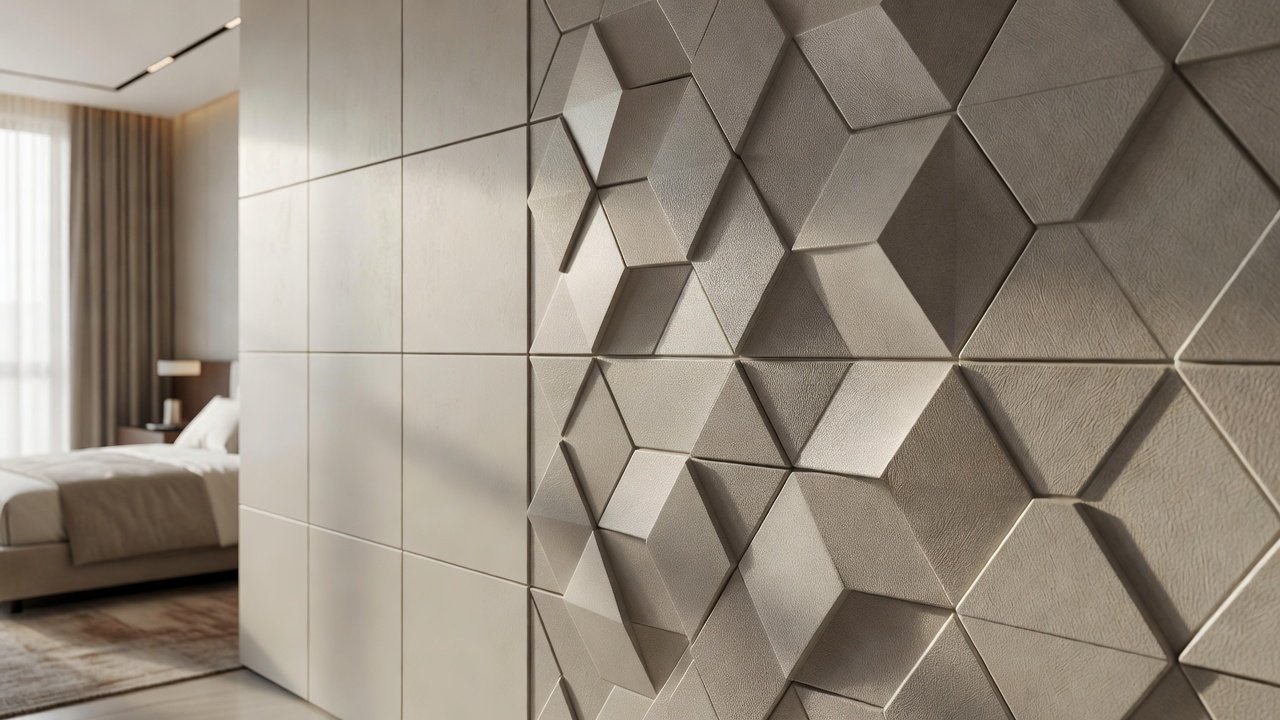
Geometric textures involve 3D panels or patterned applications for modern, architectural interest. These can range from simple wood slat arrangements to intricate modular composites that mimic origami folds or hexagonal patterns.
Installation Steps for Geometric Panels
Design or select modular panels with repeating shapes that align with your room's scale. Ensure the wall is perfectly level before adhering panels with construction adhesive and finishing nails. Paint or stain edges for seamless integration. This approach allows creative customization, such as mixing matte and glossy finishes within the same geometric motif.
Comparison of materials: Plaster excels in durability for high-traffic areas and offers superior longevity, while fabric provides quicker installation and acoustic benefits but may require more frequent cleaning. Geometric options balance both with modular flexibility and easy replacement of individual sections if damage occurs.
Material Comparisons for Durability and Longevity
When selecting textures, evaluate factors like moisture resistance, ease of repair, and visual impact over time. Plaster withstands moisture better in humid climates when sealed properly and develops a beautiful patina. Fabric offers acoustic benefits but needs spot treatment for stains and periodic reupholstering. Geometric panels, often made from lightweight composites, resist warping and allow easy updates without full wall resurfacing.
Tools and Materials Checklist
- High-quality primer and sealants for plaster projects
- Staple gun, batting, and French cleats for fabric work
- Adhesive, level, and trim pieces for geometric installations
- Protective drop cloths and ventilation equipment for all methods
Common Mistakes to Avoid
Many DIYers skip proper surface preparation, leading to poor adhesion. Always test textures in small areas first. Overlooking lighting direction can flatten the intended depth, so experiment with temporary fixtures before final installation. Ignoring material compatibility with existing paint may cause peeling within months.
Maintenance Tips for Textured Walls
- Dust plaster surfaces weekly with a soft brush to preserve finish and prevent buildup in crevices.
- Vacuum fabric panels gently using an upholstery attachment every two weeks.
- Inspect geometric joints annually for adhesive wear and reapply as needed to maintain structural integrity.
- Avoid harsh chemicals that could erode textures or affect paint adhesion over time.
Lighting Effects on Textured Surfaces
Strategic lighting amplifies texture impact dramatically. Use wall sconces at varied angles to highlight relief patterns and create dramatic shadows at night. Dimmer switches allow customization for mood lighting that emphasizes depth without glare. Natural window light also plays a role, so position textures to catch morning or evening rays effectively.
Before-and-After Transformations
Consider a suburban master bedroom where a single accent wall received geometric panels, instantly modernizing the space and increasing perceived height. Another urban loft used layered plaster to mask uneven drywall, resulting in a gallery-like atmosphere that pairs beautifully with contemporary art.
Conclusion
Textured wall techniques empower homeowners to achieve stunning 2026 bedroom transformations affordably and creatively. By selecting the right method and following precise installation, results deliver lasting sophistication and improved daily living quality.
FAQ
How do I ensure paint adhesion on textured plaster?
Always prime with a high-quality bonding primer designed for porous surfaces, testing a small area first before full application.
Can textured walls affect room lighting negatively?
Proper placement of fixtures prevents harsh shadows; consult design resources from Architectural Digest for professional lighting strategies.
What maintenance differs between fabric and plaster textures?
Fabric requires more frequent vacuuming, while plaster benefits from periodic sealing—see guidance at This Old House.
Are geometric textures suitable for renters?
Many modular systems use removable adhesives, making them ideal temporary upgrades that preserve original walls.
How do textures perform in varying climates?
Check manufacturer recommendations for humidity resistance, with additional insights available from Bob Vila.
No comments yet. Be the first!