 Fixated on Home
Introduction to Art Deco Bedroom Designs in 2026
Art Deco bedroom designs continue to captivate homeowners in 2026 by merging the bold glamour of the 1920s and 1930s with sleek modern upgrades. This style emphasizes geometric patterns, luxurious metallic accents, and rich textures that create a sophisticated yet functional retreat. Whether updating a compact apartment or expanding a spacious master suite, Art Deco offers timeless appeal that enhances both aesthetics and value in contemporary homes. Homeowners seeking stylish renovations will find this guide practical for integrating vintage inspiration without overwhelming the space. Focus on balanced elements that prioritize comfort alongside visual drama, ensuring the final result feels both historic and fresh for everyday living.
The appeal lies in its versatility. Art Deco can transform ordinary bedrooms into statement spaces that reflect personal taste while incorporating 2026 trends like smart integration and sustainable sourcing. This beginner-friendly approach breaks down the process into manageable steps, drawing from real renovation experiences to help avoid common oversights.
Core Features of Art Deco Style
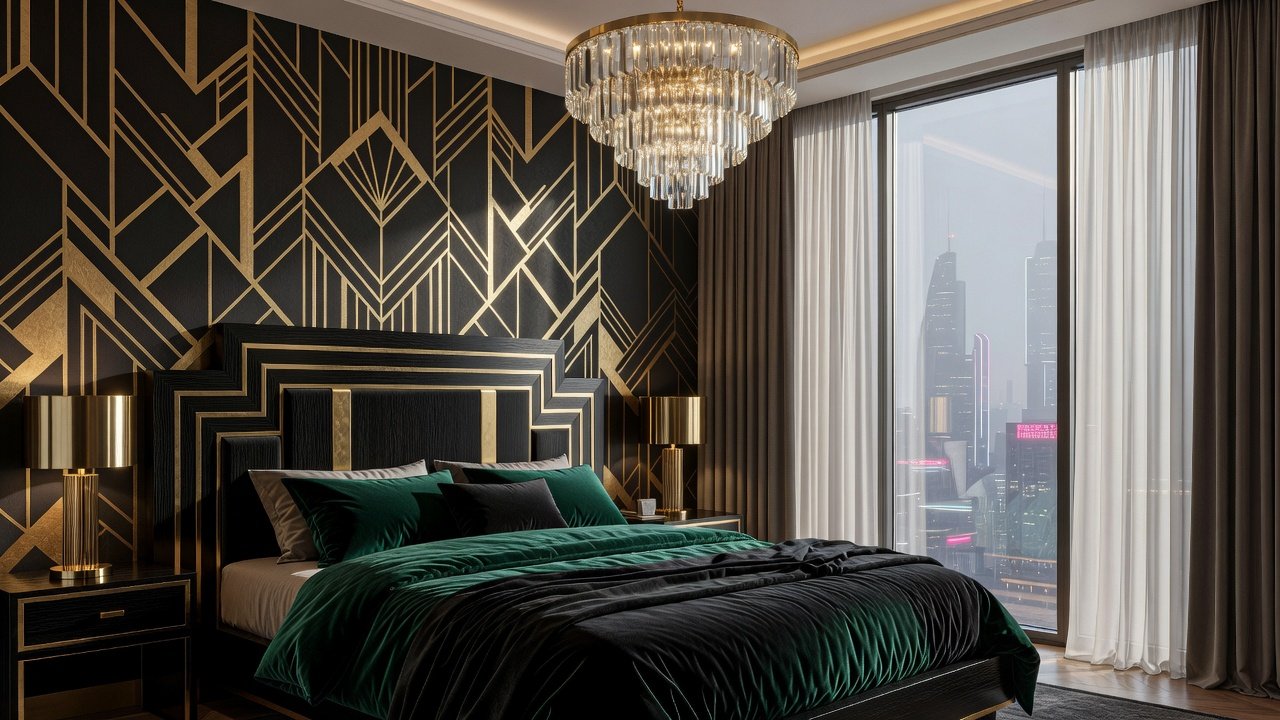
At its heart, Art Deco draws from geometric motifs such as chevrons, sunbursts, and stepped forms. These appear in wallpaper, rugs, and furniture silhouettes. Metallic finishes in gold, brass, and chrome add reflective glamour, while textures like velvet, lacquer, and marble provide depth. In 2026 updates, these features pair with sustainable materials for eco-conscious appeal. Real-world examples include bedrooms where a geometric headboard anchors the room, complemented by mirrored nightstands that amplify light. This approach works across budgets by mixing high-impact statement pieces with affordable accents, allowing homeowners to scale the look based on room proportions and existing architecture.
Additional core elements include bold symmetry and stylized motifs inspired by ancient cultures reinterpreted through a modern lens. These details create visual interest without clutter when applied thoughtfully, such as using a single sunburst mirror above the bed rather than covering every surface.
Selecting the Right Color Palettes
Effective Art Deco palettes balance bold contrasts with harmonious tones. Classic combinations feature deep blacks, emerald greens, and warm golds, while modern twists incorporate soft neutrals like blush pink or taupe for calmer vibes. Layer these with metallic sheens to evoke luxury. Test samples under different lighting to ensure cohesion in your specific room. Consider how natural light interacts with your chosen hues throughout the day, adjusting for seasonal changes common in many climates.
Material Selection for Durability and Style
Choose materials that withstand daily use while delivering visual richness. Opt for lacquered woods, polished metals, and plush fabrics such as silk or velvet. For flooring, consider herringbone patterns in hardwood or geometric tiles. Incorporate sustainable options like reclaimed wood or low-VOC paints to align with 2026 trends. Compare options by durability: metals offer longevity with minimal maintenance, whereas textiles require occasional professional cleaning. This selection process ensures your upgrade remains functional for years while supporting environmental goals through responsible sourcing.
Lighting Integration for Dramatic Effect
Lighting elevates Art Deco bedrooms by highlighting key features. Install geometric chandeliers or wall sconces with frosted glass and metal frames. Layer ambient, task, and accent lighting using dimmable LEDs for versatility. Position fixtures to cast interesting shadows on textured walls. Practical integration involves placing bedside lamps with stepped bases and overhead fixtures that mimic sunburst motifs. This creates a layered glow perfect for reading or relaxing, enhancing both functionality and the style's signature drama.

Furniture and Layout Strategies
Furniture selection plays a pivotal role in achieving an authentic yet updated Art Deco bedroom. Seek pieces with clean lines, angular shapes, and metallic inlays that echo the era's iconic silhouettes. For larger spaces, position a substantial bed frame as the focal point, flanked by symmetrical nightstands and a vanity with curved edges. In smaller rooms, opt for streamlined dressers and floating shelves to maintain openness while incorporating geometric detailing. Always measure twice before purchasing to ensure proper scale and traffic flow.
Step-by-Step Implementation for Small to Large Spaces
Begin with a mood board to visualize your vision. Measure the room accurately, then prioritize focal points like the bed wall. For small spaces, use mirrors and light colors to expand the feel. In larger rooms, introduce multiple metallic elements without clutter. Follow these detailed steps for success: assess existing layout and remove outdated fixtures; apply base paint or wallpaper featuring subtle geometrics; install key furniture with Art Deco lines; add textiles and accessories for texture; finalize with lighting and personal touches. Examples range from studio apartments using multifunctional pieces to expansive homes featuring custom built-ins. Always verify proportions to maintain balance throughout the process.
Real-World Examples and Comparisons
One urban loft renovation transformed a plain bedroom with black and gold accents, resulting in a hotel-like ambiance that increased daily enjoyment. Suburban homes often blend Art Deco with mid-century elements for a transitional look that suits family living. These cases demonstrate how the style adapts across sizes and lifestyles while boosting resale appeal through distinctive character.
Mistakes to Avoid in Your Renovation
Common pitfalls include overusing patterns without sufficient negative space, which can make rooms feel cramped. Another frequent error is neglecting scale, such as choosing oversized chandeliers for low ceilings. Homeowners sometimes overlook ventilation when adding heavy textiles, leading to stuffy environments. To sidestep these issues, consult professional designers early and review multiple layout sketches before committing to purchases. Testing material samples in your actual space prevents color mismatches that only appear after installation.
FAQ: Avoiding Common Pitfalls
- How do I prevent an overly busy look? Limit patterns to two or three and balance with solids for visual breathing room.
- What if my budget is limited? Start with accessories like lamps and pillows before investing in furniture to build the look gradually.
- Can Art Deco work in minimalist homes? Yes, by focusing on clean lines and fewer metallic highlights that complement rather than compete with simplicity.
- Are there maintenance concerns? Metals may need polishing; choose sealed finishes for ease of care over time.
- How does this style integrate with smart home features? Incorporate hidden outlets and voice-controlled lighting behind decorative panels to preserve the aesthetic.
- Is Art Deco suitable for all climates? Adapt textures seasonally, using lighter fabrics in warmer regions and richer velvets where insulation matters.
Conclusion
Art Deco bedroom designs provide an elegant path to 2026 modern home upgrades. By thoughtfully combining geometry, metallics, and textures with practical steps, homeowners achieve spaces that feel both historic and fresh. Explore resources from the Metropolitan Museum of Art for deeper historical context, Design Museum for contemporary applications, Museum of Modern Art for related design influences, and Victoria and Albert Museum for textile inspiration. Start your renovation today for a bedroom that inspires daily.
No comments yet. Be the first!