 Fixated on Home
Introduction to Smart Glass for Modern Bedrooms
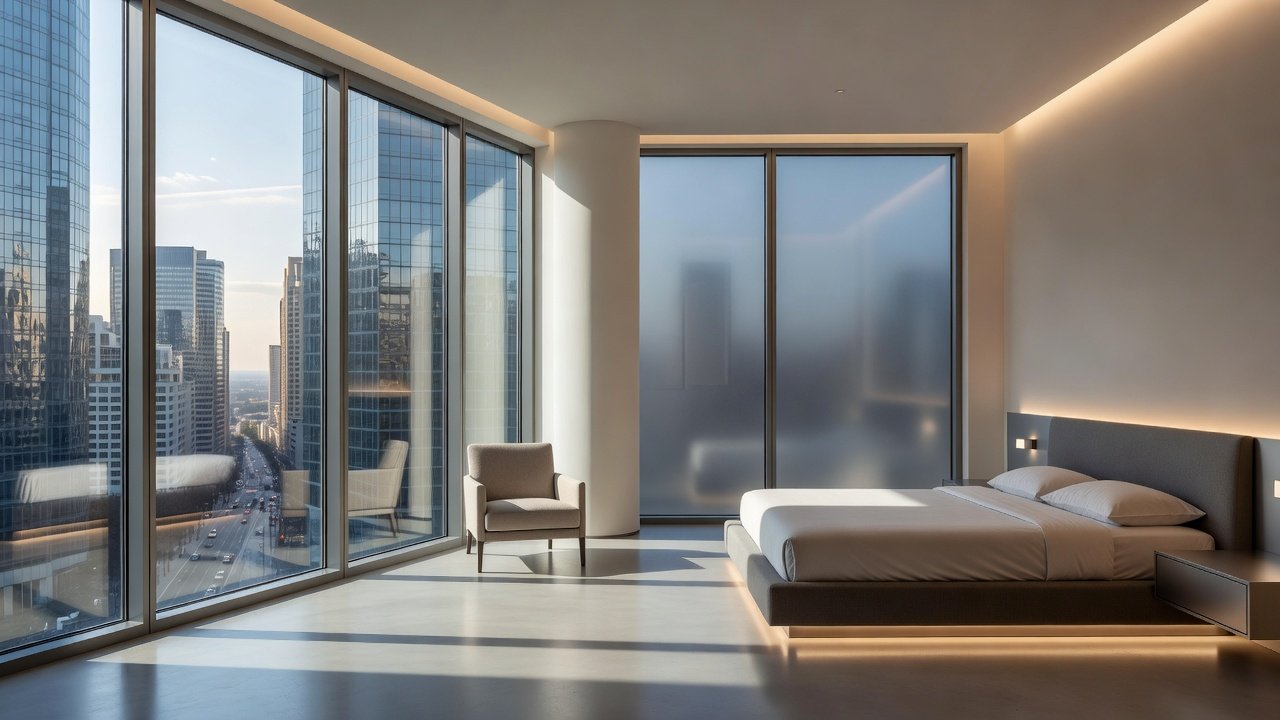
In 2026, homeowners seeking advanced privacy solutions in their personal spaces are embracing smart glass windows as a transformative technology. These innovative panes allow instant control over transparency, blending cutting-edge functionality with elegant design. Whether you live in a bustling urban high-rise or a suburban home undergoing renovation, smart glass addresses common challenges like unwanted views from neighbors, excessive glare during morning hours, and the desire for natural light without sacrificing seclusion. This comprehensive guide delves into the nuances of integrating switchable glass during bedroom upgrades, covering technical specifications, real-world applications, and long-term benefits. By understanding the full scope of options available, you can make informed decisions that elevate both comfort and property value.
Types of Switchable Smart Glass
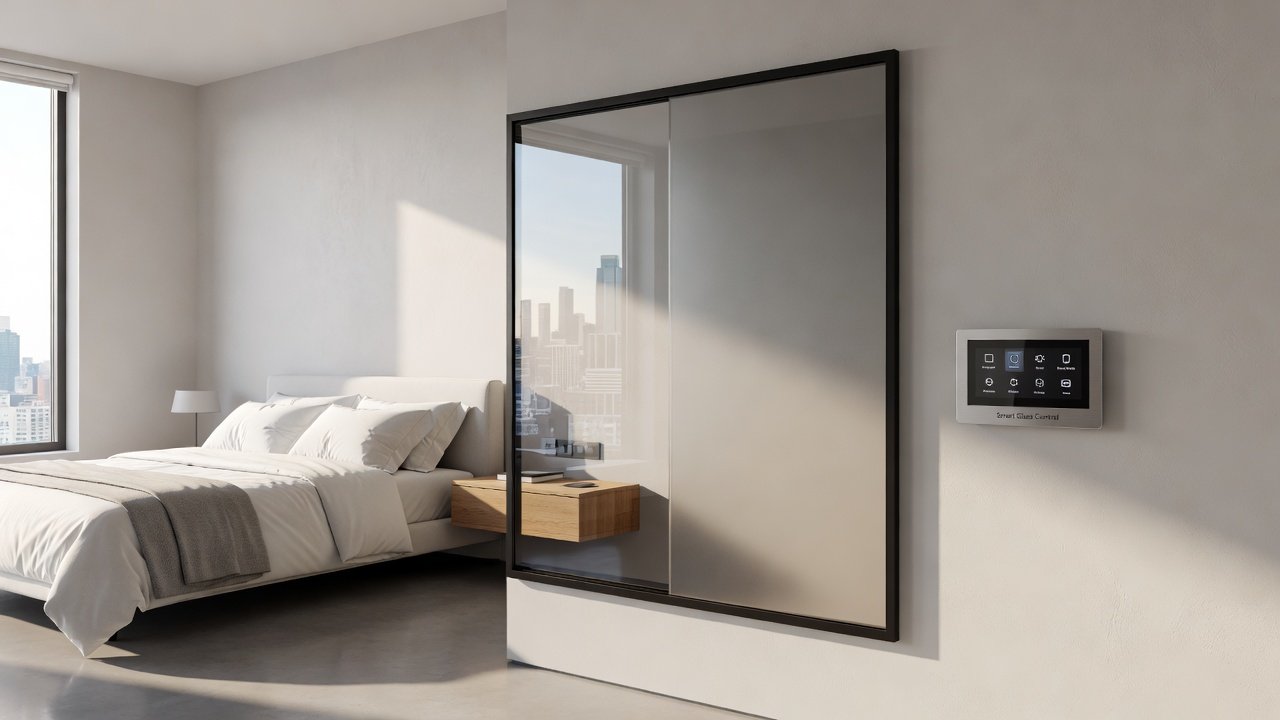
Selecting the right type of smart glass is foundational to a successful project. PDLC glass, which uses polymer dispersed liquid crystals, switches from opaque to clear in milliseconds, making it perfect for instant privacy needs in bedrooms. Electrochromic glass, on the other hand, slowly tints through voltage application, providing gradual light reduction ideal for managing intense afternoon sun. Thermochromic variants react passively to heat, automatically adjusting without electricity in some cases. SPD technology suspends particles in a liquid layer to scatter light precisely, offering fine-tuned control suited to variable urban environments. Each type carries distinct advantages: PDLC excels in on-demand privacy, while electrochromic prioritizes energy-efficient tinting over time. Homeowners should evaluate factors such as response speed, power requirements, and durability when choosing between these technologies for their specific renovation scope.
Step-by-Step Installation During Renovations
Proper installation ensures optimal performance and longevity. Begin by conducting a thorough site assessment with a licensed contractor to measure window openings and verify electrical access points. Remove old glazing carefully to avoid damaging surrounding frames, then prepare the cavity for new smart panels by installing necessary wiring conduits. Connect the low-voltage transformer and control module, integrating it with your home's existing smart ecosystem if applicable. Secure the glass units using manufacturer-approved seals and test all opacity settings before finalizing trim work. Throughout the process, coordinate with electricians to route power discreetly behind walls. Post-installation, calibrate sensors for automated responses based on time of day or occupancy. This methodical approach minimizes disruptions during active renovations and guarantees seamless operation from day one.
Energy Savings and Efficiency Comparisons
Beyond privacy, smart glass delivers measurable efficiency gains by dynamically regulating solar heat gain and daylight. Unlike static curtains that block light entirely, these windows optimize interior temperatures, potentially reducing HVAC runtime in both heating and cooling seasons. Comparisons with traditional window treatments show superior performance in maintaining consistent indoor climates without additional mechanical interventions. For authoritative data on building performance metrics, consult the U.S. Department of Energy and the U.S. Environmental Protection Agency. When combined with insulation upgrades, smart glass contributes to overall home sustainability goals, aligning with 2026 trends toward net-zero ready residences.
Integration with Existing Bedroom Design Elements
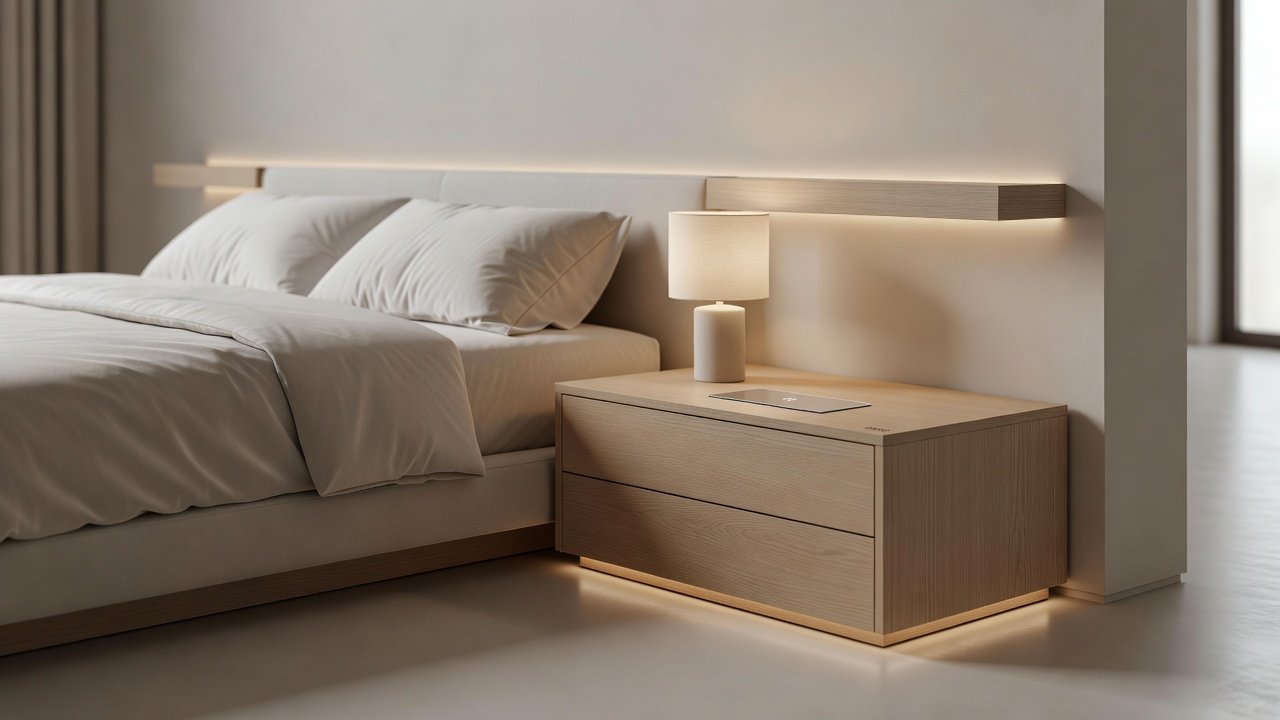
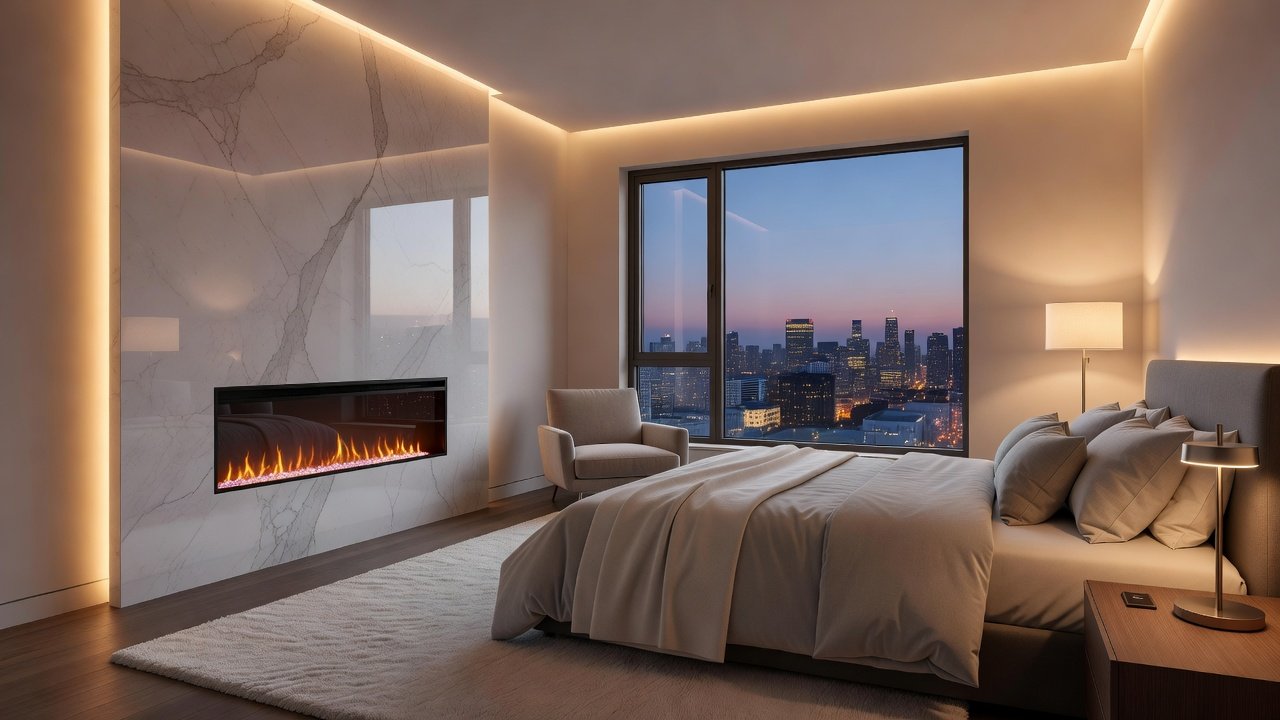
Smart glass enhances rather than disrupts bedroom aesthetics by eliminating the need for bulky blinds or heavy draperies. It pairs beautifully with contemporary elements like floating platform beds, recessed LED cove lighting, and textured accent walls in soft grays or warm beiges. In smaller urban bedrooms, the unobstructed views during clear mode create an illusion of expanded space. Consider layering with sheer motorized curtains for added versatility during extreme weather. Designers often recommend framing smart windows with slim wood or metal casings that match other architectural details, ensuring a cohesive visual flow from the entryway through to the sleeping area.
Before-and-After Case Studies from Urban Apartments
Real-world transformations illustrate the impact. In a compact city studio, replacing conventional windows with PDLC smart glass eliminated the need for blackout shades, resulting in brighter mornings and complete nighttime privacy. Residents noted improved sleep quality due to better light management. Another high-rise example involved retrofitting electrochromic panels into a master suite; the before condition featured obstructed sightlines from nearby buildings, while the after featured dynamic tinting that preserved panoramic city views selectively. A third case in a converted loft demonstrated hybrid integration with voice assistants, allowing seamless transitions between modes during evening routines. These examples highlight adaptability across diverse layouts and budgets.
Practical Tips and Mistakes to Avoid
- Always verify compatibility with local electrical codes prior to ordering materials.
- Incorporate UV-blocking coatings to protect bedding and artwork from fading.
- Simulate daily usage patterns with temporary controls during the planning phase.
- Engage certified technicians for wiring to prevent future malfunctions.
- Plan for backup power options in case of outages affecting automated features.
- Review warranty terms carefully, focusing on cycle life and replacement policies.
FAQ Section
What maintenance does smart glass require?
Routine cleaning with microfiber cloths and mild solutions, combined with annual electrical inspections, maintains peak functionality over many years.
Are there compatibility concerns with other home upgrades?
Most systems support protocols like Zigbee or Z-Wave, facilitating integration with lighting, security, and climate controls; test connections early in the project.
How does it perform in various climates?
Electrochromic models handle hot, sunny regions effectively, while PDLC remains reliable across temperate zones for privacy emphasis.
Can smart glass be retrofitted into older homes?
Yes, with proper frame modifications and electrical additions, though new construction offers easier implementation.
Conclusion
Embracing smart glass windows in 2026 bedroom renovations provides a sophisticated balance of privacy, light mastery, and energy consciousness. Through careful selection, precise installation, and thoughtful design integration, these upgrades create inviting, adaptable sanctuaries. The practical insights and case examples shared here equip homeowners to pursue projects confidently, resulting in spaces that feel both contemporary and timeless.
No comments yet. Be the first!