 Fixated on Home
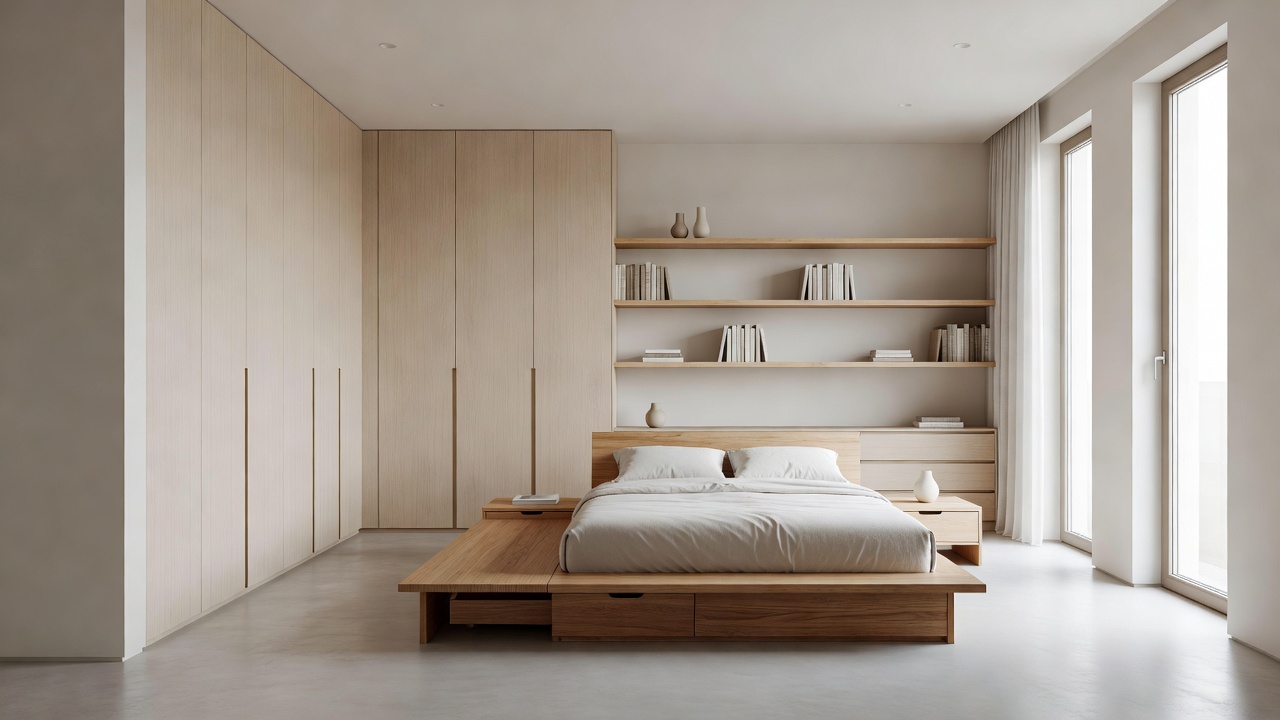
Introduction to 2026 Bedroom Storage Trends
Modern homeowners in 2026 are prioritizing storage that seamlessly integrates with minimalist aesthetics while maximizing every inch of space. As renovation projects focus on clutter-free living, the demand for smart bedroom storage solutions continues to grow. This article explores practical comparisons between built-in and freestanding options, along with strategies for vertical utilization, versatile furniture, and eco-friendly materials. Effective storage not only improves daily functionality but also contributes to a serene environment that supports rest and relaxation in contemporary homes undergoing upgrades.
Built-In vs Freestanding Storage Options
Built-in storage offers a tailored fit that enhances room flow and often increases property value through custom craftsmanship. Freestanding pieces provide flexibility for renters or those who prefer rearrangeable designs. When comparing the two, consider your home's layout and long-term needs. Built-ins excel in utilizing awkward alcoves, while freestanding units allow easy updates as trends evolve. Homeowners frequently weigh factors such as installation time, permanence, and cost-effectiveness. For instance, built-ins require professional measurement and construction but deliver seamless integration, whereas freestanding furniture can be purchased and assembled quickly without altering walls. A detailed evaluation often reveals that a hybrid approach works best, combining the stability of built-ins in primary areas with movable pieces for adaptability.
Maximizing Vertical Space Utilization
Vertical storage remains a cornerstone of efficient bedroom design. Floor-to-ceiling shelving, tall wardrobes, and overhead cabinets free up valuable floor area for movement and relaxation. Installing floating shelves above nightstands or desks creates display opportunities without crowding surfaces. In many renovations, homeowners add lofted platforms with integrated drawers underneath beds to store seasonal items discreetly. Additional techniques include using wall-mounted hooks for accessories, incorporating tall bookcases that double as room dividers, and installing pull-down rods in closets for better access to high spaces. These methods prove especially valuable in smaller urban apartments where square footage is limited, allowing residents to maintain an open, uncluttered appearance while accommodating growing collections of clothing and personal items.
Multi-Purpose Furniture Examples
Versatile pieces deliver storage and functionality in one. Ottoman beds with hydraulic lifts, nightstands featuring hidden compartments, and modular headboards with shelving units are popular choices. A storage bench at the foot of the bed can hold linens while doubling as seating. These examples reduce the need for additional furniture, keeping rooms open and serene. Further options encompass lift-top coffee tables adapted for bedroom use, expandable dressers that adjust height, and beds with side panels that include charging stations alongside drawers. Practical implementation often starts with assessing daily routines to select pieces that address specific pain points, such as limited closet space or the need for a dedicated workspace within the bedroom itself.
- Bed frames with built-in drawers for clothing or accessories
- Desks that fold into wall units when not in use
- Closet systems with adjustable rods and pull-out organizers
- Wall-mounted mirrors that conceal shallow storage cabinets
Sustainable Material Choices
Eco-conscious selections support both style and environmental goals. Reclaimed wood, bamboo, and recycled composites offer durability with lower environmental impact. For more details on sustainable building practices, refer to resources from the EPA. Opt for finishes with low VOC emissions to maintain healthy indoor air quality. These materials pair well with neutral palettes common in modern bedroom design. Additional considerations include sourcing from certified suppliers to ensure responsible harvesting and exploring options like cork or hemp-based panels that provide natural insulation properties. Homeowners increasingly value materials that age gracefully, reducing the frequency of replacements and supporting long-term sustainability in renovation projects.
Step-by-Step Renovation Planning Tips
Successful projects begin with careful assessment. First, measure the room and identify underused areas. Second, prioritize needs such as clothing storage versus decorative display. Third, consult professionals for built-in installations to ensure structural integrity. Fourth, select finishes that complement existing decor. Finally, budget for both materials and labor while allowing flexibility for unexpected adjustments. Expanding on these steps, it is advisable to create mood boards early in the process to visualize how new storage elements will interact with lighting and color schemes. Scheduling phased implementations can minimize disruption, particularly when integrating smart features like automated lighting within storage units.
Before-and-After Case Studies from Real Homes
One urban apartment transformed a cramped bedroom by adding floor-to-ceiling built-ins along one wall, instantly doubling storage capacity while preserving an airy feel. Another suburban home swapped bulky dressers for a custom platform bed with integrated side storage, resulting in a more spacious layout suitable for family living. A third example involved a coastal residence where vertical shelving combined with sustainable bamboo cabinetry created a calm retreat that harmonized with ocean views. 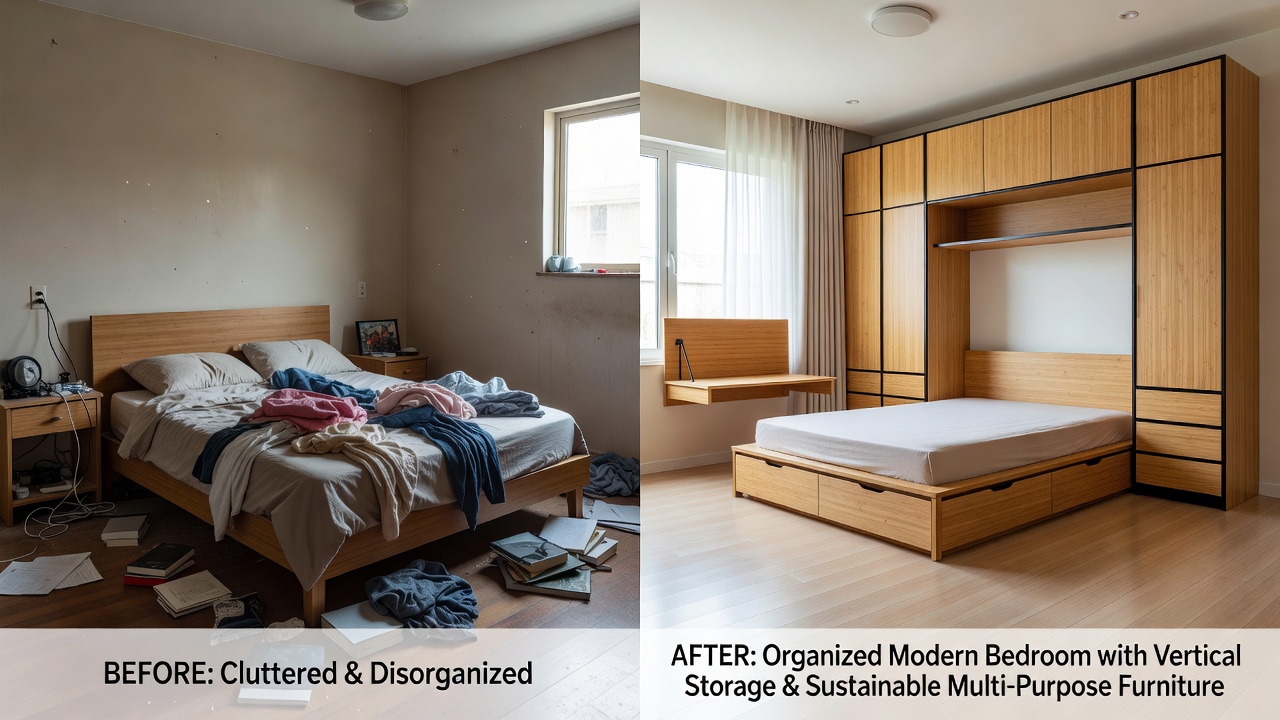
Common Mistakes to Avoid During Implementation
Many renovation attempts fall short due to overlooking scale and proportion. Avoid selecting oversized units that overwhelm the room or undersized solutions that fail to address actual storage needs. Another frequent error is neglecting ventilation in enclosed storage areas, which can lead to moisture issues over time. Proper planning also requires considering future lifestyle changes, such as growing families or evolving work-from-home requirements, to ensure the chosen solutions remain relevant.
Frequently Asked Questions
How can I integrate new storage with an existing layout?
Start by matching colors and hardware finishes to current elements. Modular systems allow incremental additions without full overhauls. Testing temporary arrangements with cardboard mockups often reveals the best placement before permanent installation.
What if I have budget constraints?
Focus on high-impact changes like vertical shelving or multi-functional pieces first. Repurposing existing furniture with new hardware can achieve significant results affordably while maintaining design cohesion.
How do sustainable materials affect long-term maintenance?
These options typically require similar care to traditional materials but often resist wear better due to their inherent properties, leading to fewer repairs over the years.
Conclusion
Thoughtful storage planning elevates bedroom functionality and style in 2026 renovations. By blending vertical strategies, versatile furniture, and sustainable materials, homeowners create spaces that feel both modern and organized for years to come. Implementing these ideas thoughtfully ensures lasting satisfaction and enhanced living quality.
No comments yet. Be the first!