 Fixated on Home
Introduction to Soundproofing Your Bedroom in 2026
Urban living often brings unwanted noise from traffic, neighbors, and appliances, disrupting sleep and relaxation. Homeowners renovating bedrooms in 2026 seek effective soundproofing to create peaceful sanctuaries. This guide covers proven techniques tailored to contemporary designs, focusing on practical upgrades that integrate seamlessly with aesthetics and sustainability goals. Whether you live in a bustling city apartment or a suburban home near busy roads, targeted soundproofing transforms restless nights into restorative rest. Keywords such as bedroom soundproofing techniques and peaceful home renovations help guide readers toward lasting solutions.
Effective soundproofing addresses both airborne noise like voices and impact noise like footsteps through a combination of absorption, blocking, and decoupling. Modern renovations emphasize multi-layered approaches that also improve energy efficiency and indoor air quality.
Understanding Noise Sources in Modern Bedrooms
Before starting any project, identify specific noise sources. Common culprits include street traffic, HVAC systems, shared walls with neighbors, and even plumbing. Conduct a simple audit by noting peak noise times and measuring decibel levels with free apps. This data informs material choices and placement priorities. In 2026 renovations, homeowners increasingly combine soundproofing with smart sensors that monitor ambient noise for optimal comfort.
Comparing Key Materials: Acoustic Panels vs Insulation and Beyond
Material selection determines project success. Acoustic panels made from fiberglass or recycled polyester absorb mid-to-high frequencies effectively on visible surfaces. They come in various thicknesses and can be mounted directly or with spacers for better performance. Their main advantage lies in quick aesthetic upgrades without major demolition.
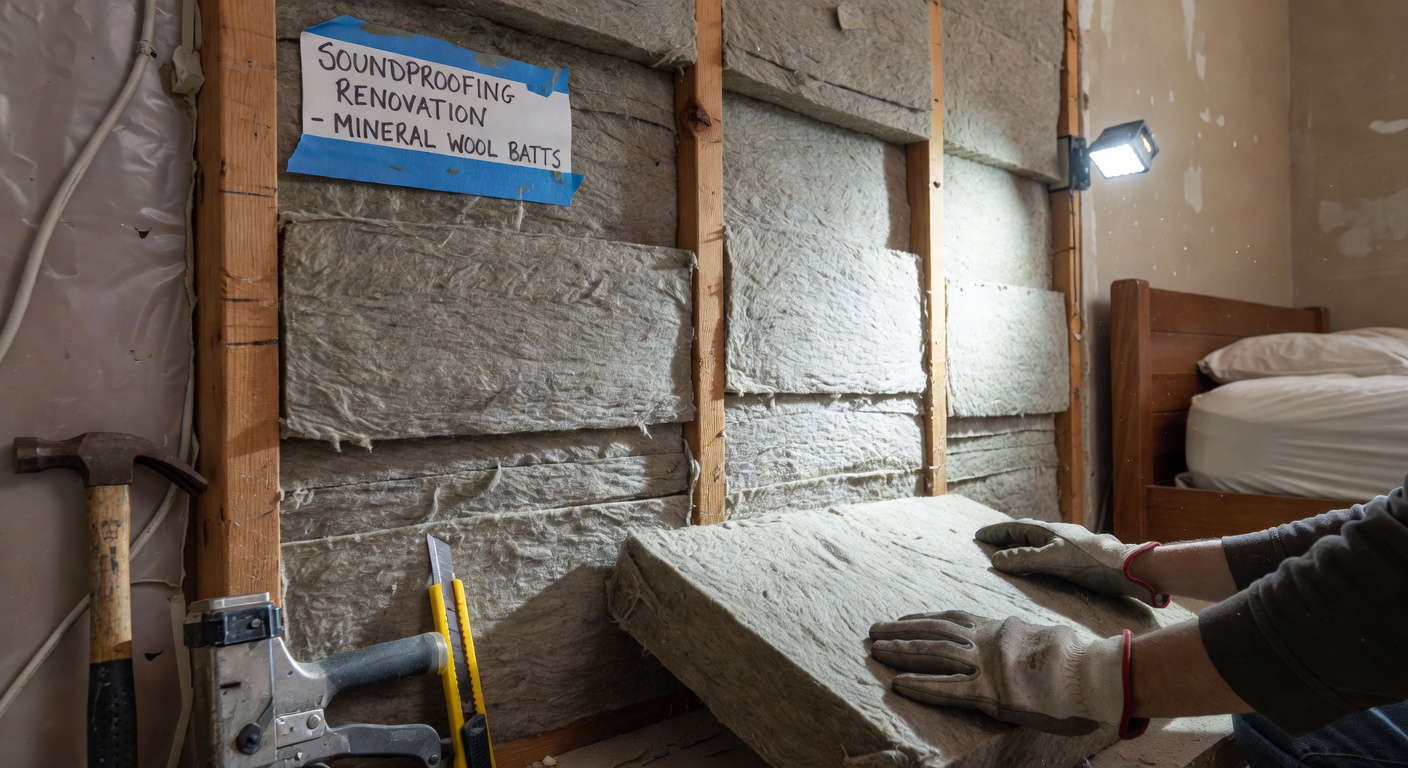
Insulation such as mineral wool or cellulose fills cavities to block lower frequencies and reduce transmission through walls. Mineral wool stands out for fire resistance and mold prevention. Additional options include mass loaded vinyl for adding density without bulk and damping compounds like green glue that dissipate vibrations between drywall layers.
Compare options by frequency range handled, installation complexity, and environmental impact. Acoustic panels offer visual flexibility but limited low-frequency control alone. Insulation provides comprehensive blocking yet requires access to wall interiors. Hybrid systems using panels over insulated walls deliver superior results. Sustainable 2026 choices favor recycled content and low-VOC certifications that support healthier indoor environments.
Step-by-Step Installation Processes for Walls, Ceilings, and Floors
Preparation starts with clearing the space and protecting floors. Seal all gaps using acoustic caulk around outlets, switches, windows, and baseboards. This foundational step prevents sound leaks.
Wall installation involves removing existing drywall if needed, attaching resilient channels to studs for decoupling, inserting mineral wool batts, applying mass loaded vinyl, and finishing with new drywall layers. Work methodically from one wall to the next to maintain consistency.
For ceilings, install hat channels or clips before adding insulation and a second drywall layer. Floor treatments begin with underlayment materials like cork or rubber composites beneath new flooring to reduce impact noise from above.
Window upgrades include adding secondary glazing or heavy acoustic curtains. Each step benefits from precise measurements and proper ventilation planning to avoid moisture issues.
Essential Tools and Preparation Tips
Gather tools including a stud finder, utility knife, caulk gun, level, and dust mask. Prepare by ordering materials in advance and reviewing manufacturer guidelines. Test fit components before permanent installation to minimize errors during renovation.
Budget Considerations and Phased Implementation
Projects range from basic sealing to full-room overhauls. Prioritize high-impact areas first, such as shared walls, then expand. Focus on durable materials that add long-term value through comfort and potential property appreciation. Sustainable selections may align with available home improvement incentives in many regions.
Real-Home Case Studies and Before-and-After Results
In one urban loft renovation, a couple addressed thin shared walls by combining mineral wool insulation with acoustic panels. Before the project, conversations from adjacent units disrupted sleep; afterward, the bedroom achieved a quiet atmosphere suitable for uninterrupted rest and focused remote work.
Another example involved a family home near a highway. They decoupled ceilings and added floor underlayment alongside window treatments. The transformation reduced external rumble significantly, creating a serene space that improved overall family wellbeing and sleep quality scores in follow-up assessments.
A third case featured an apartment with noisy upstairs neighbors. Professional installation of a floating ceiling system with damping layers produced dramatic reductions in impact sounds, allowing peaceful evenings without disturbance.
DIY Versus Professional Approaches: Detailed Pros and Cons
DIY suits those with carpentry experience and time for careful execution. Benefits include cost savings and customization freedom. Challenges arise from potential gaps in technique that compromise performance, especially in complex decoupling work.
Professional teams excel in integrated renovations, ensuring code compliance and optimal material layering. They manage timelines efficiently and provide warranties. Consider project scale, personal expertise, and desired finish quality when choosing between approaches. Many homeowners blend both by handling simple sealing themselves while contracting specialists for structural elements.
Common Mistakes to Avoid During Renovation
Avoid skipping gap sealing, using incorrect material densities, or neglecting ventilation after adding insulation layers. Overlooking floor and ceiling paths often leaves projects incomplete. Always verify material compatibility with existing structures to prevent future issues like warping or reduced effectiveness.
Sustainable Options for 2026 Modern Upgrades
Eco-friendly soundproofing incorporates recycled denim, sheep's wool, or plant-based foams. These alternatives match performance of synthetic options while lowering environmental footprints. Pair them with energy-efficient designs for holistic home improvements. Resources from organizations like environmental protection agencies offer guidance on noise reduction and sustainable building practices. Additional insights appear on global health sites regarding the benefits of quieter living spaces.
Integrating Soundproofing with Contemporary Bedroom Design
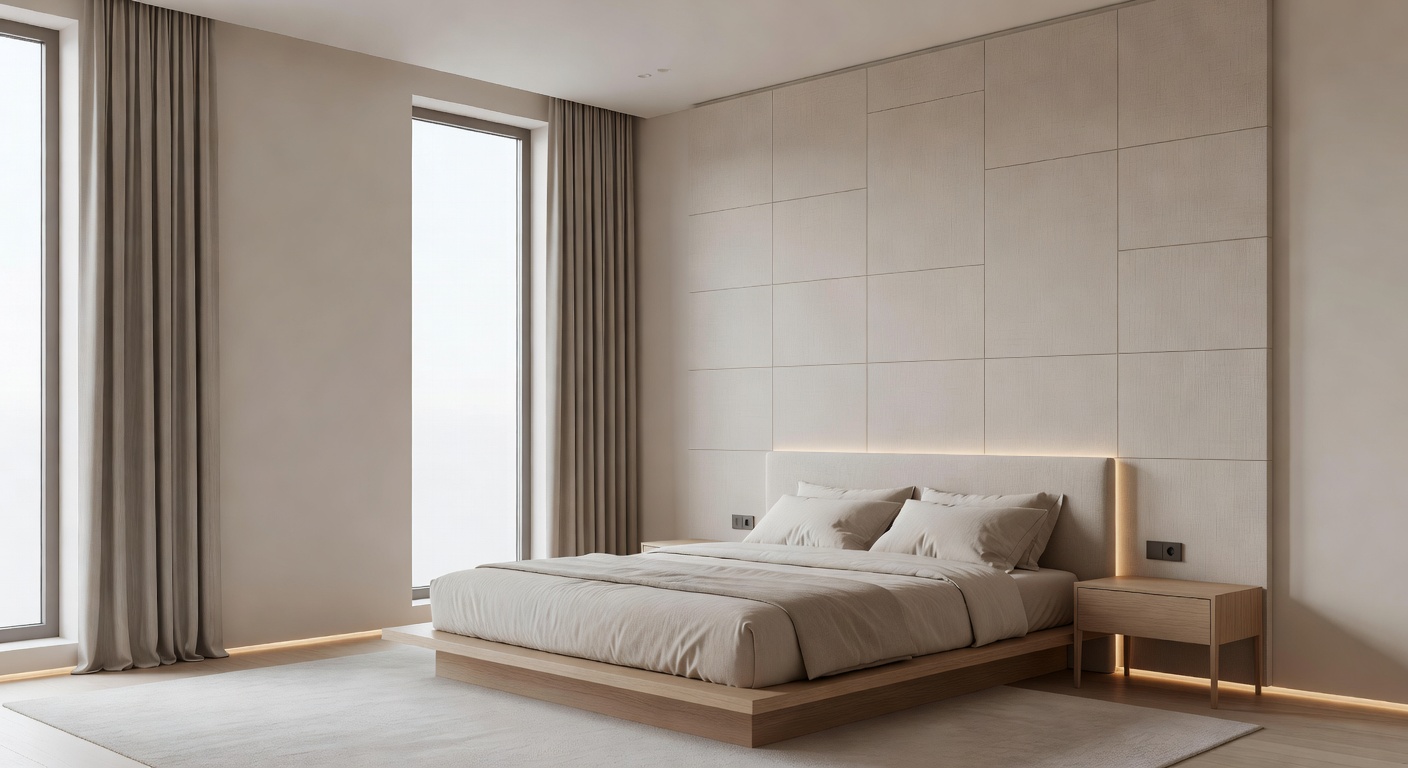
Modern aesthetics benefit from hidden solutions like built-in panels behind artwork or integrated into headboards. Choose neutral fabrics and finishes that complement minimalist or biophilic trends popular in 2026. Lighting and color choices further enhance the calm atmosphere created by reduced noise levels.
Frequently Asked Questions
- How long does a typical bedroom soundproofing project take? Basic sealing requires a weekend while full wall and ceiling treatments often span one to three weeks.
- Can soundproofing also improve energy efficiency? Yes, added insulation layers frequently reduce heating and cooling demands year-round.
- What are the best non-invasive starting options? Thick area rugs, door sweeps, and bookshelves against walls provide noticeable early improvements.
- Is professional installation always necessary? No, but it ensures optimal results for complex decoupling and multi-layer systems.
- How does sustainability factor into material choices? Recycled and low-VOC products support both performance and environmental responsibility in modern renovations.
- Will soundproofing affect room ventilation? Proper planning maintains airflow through strategic material placement and vent covers.
Conclusion
Soundproofing bedrooms during 2026 renovations creates enduring quiet amid modern urban challenges. Through careful material comparisons, detailed installation steps, real-world examples, and sustainable practices, homeowners build retreats that enhance sleep, focus, and overall quality of life. Begin with assessment and sealing, then progress to comprehensive treatments for the most satisfying outcomes.

No comments yet. Be the first!