 Fixated on Home
Introduction to Multi-Generational Bedroom Design
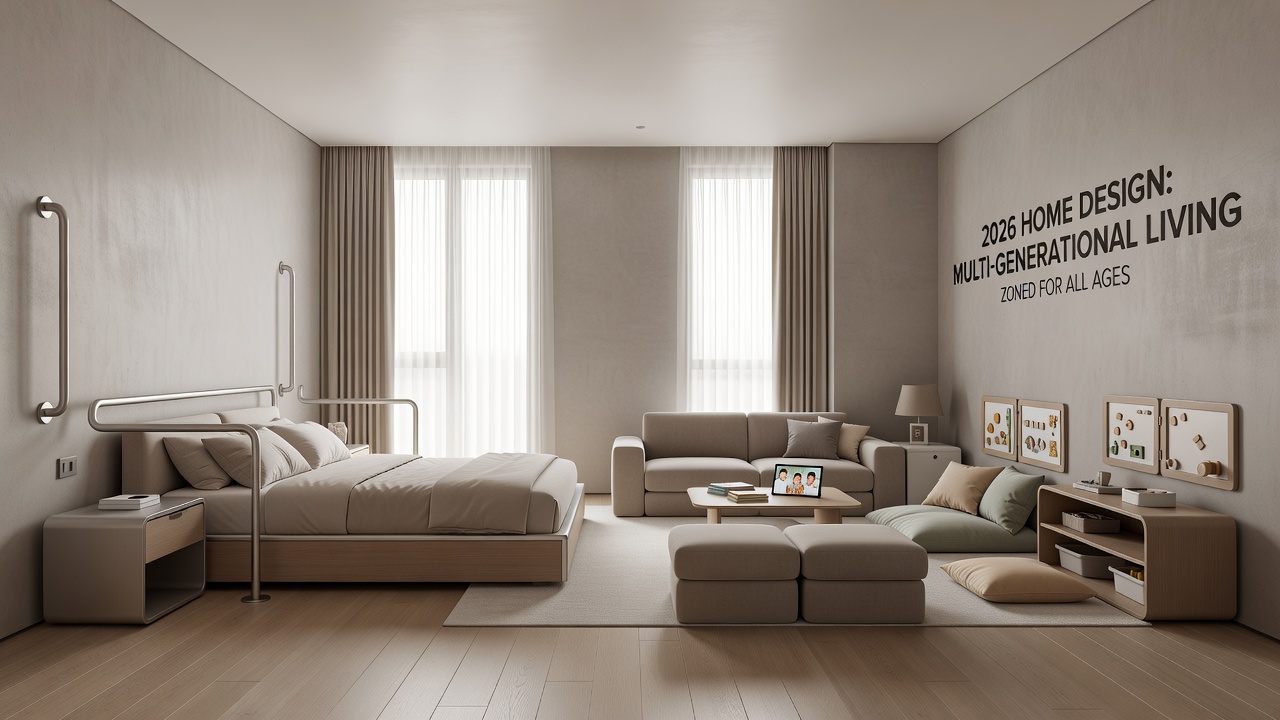
Multi-generational living continues to rise as families seek cost-effective ways to support aging parents, adult children, and young kids under one roof. In 2026, bedroom upgrades focus on creating adaptable spaces that prioritize privacy, accessibility, and durability without sacrificing style. This guide covers practical strategies for homeowners planning renovations, from zoning techniques to safety modifications. Families today often include three or more generations sharing a home, which creates unique demands on bedroom spaces that must serve as both private retreats and flexible family hubs.
Effective designs balance individual needs while fostering family connection. Whether updating a small apartment or a spacious house, the principles remain consistent: flexible layouts, thoughtful material choices, and integrated technology for modern comfort. Homeowners who invest in these upgrades report improved daily routines and stronger intergenerational bonds. This article explores every aspect in depth, providing concrete examples and decision-making frameworks to guide your project from concept to completion.
Understanding the Unique Needs of Multi-Generational Households
Before selecting furniture or layouts, assess the specific requirements of each age group. Older adults may need wider doorways and stable surfaces, while teenagers require dedicated study zones and sound isolation. Young children benefit from low storage and playful yet safe elements. Conducting family meetings to map daily schedules helps identify peak usage times and potential conflicts over shared resources like closets or windows.
Consider mobility ranges, sensory preferences, and future-proofing for changing health needs. For instance, a grandparent recovering from surgery might temporarily need a hospital-style bed, while a college student returns home needing desk space. Documenting these variables early prevents costly revisions later.
Zoning Techniques for Shared Bedrooms
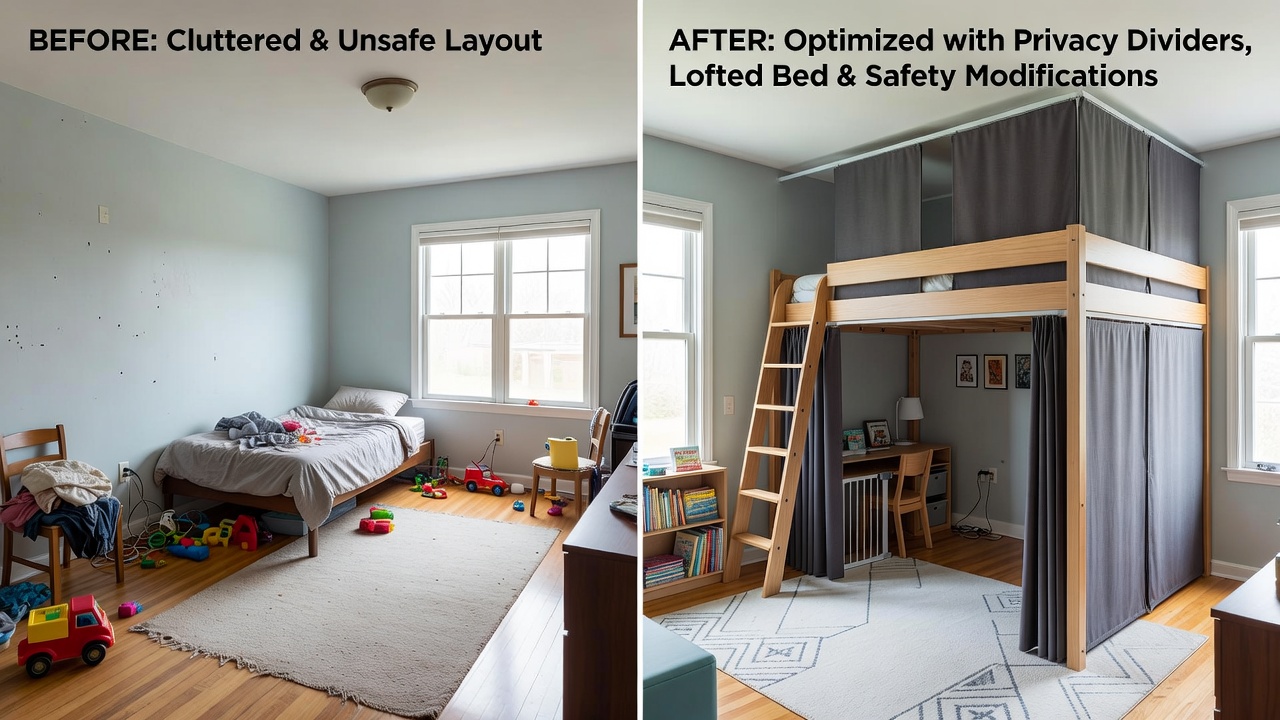
Zoning divides large rooms into distinct areas for sleeping, working, and relaxing. Use room dividers like sliding panels, bookshelves, or curtains to create visual separation. In smaller homes, vertical zoning with lofted beds frees floor space below for seating or storage. Acoustic panels or heavy drapes can further reduce noise transfer between zones, which is critical when one generation wakes early and another stays up late.
For larger bedrooms, consider built-in nooks with desks and lighting zones. This approach supports different generations by allowing quiet study areas alongside restful sleep zones. Incorporate color-coded elements, such as warm tones for older adults and vibrant accents for children, to personalize each section. Real-world examples show that families using partial walls achieve better privacy without losing the open feel that encourages interaction.
Adaptable Furniture Choices
Select modular furniture that evolves with family needs. Murphy beds and sofa beds maximize space during the day, while adjustable-height nightstands accommodate wheelchairs or varying mobility levels. Look for pieces with built-in storage to reduce clutter in shared environments. Extendable tables that convert from nightstands to desks offer versatility for homework sessions or hobby work.
Multi-functional items like expandable dressers or nesting tables prove invaluable. Prioritize ergonomic designs with rounded edges to enhance safety across all ages. When shopping, test mechanisms for ease of use by all household members, including those with limited dexterity. Many families find success combining vintage pieces with modern modular systems for a balanced aesthetic and budget-friendly outcome.
Safety Modifications and Accessibility Features
Accessibility upgrades are essential for aging family members. Install grab bars near beds and in adjacent bathrooms, lever-style door handles, and non-slip flooring. Motion-sensor lighting prevents trips at night. Additional options include bedside commodes with stable frames, raised electrical outlets to reduce bending, and contrasting floor textures that signal transitions between zones.
Consult guidelines from the U.S. Access Board for best practices on residential accessibility. Ramps or zero-step entries into bedrooms further improve usability for those with mobility challenges. The Centers for Disease Control and Prevention also offers resources on fall prevention that translate directly to bedroom planning. Families who implement these features early often avoid emergency renovations when health changes occur suddenly.
Material Selections for Durability and Comfort
Choose resilient materials that withstand daily wear from multiple users. Hardwood floors with protective finishes, stain-resistant upholstery, and easy-clean wall coverings stand up to spills and heavy traffic. Opt for antimicrobial fabrics in bedding to support health and hygiene. Layered textiles such as washable rugs over hard surfaces provide warmth underfoot while allowing quick cleaning.
Low-VOC paints and sustainable woods contribute to better indoor air quality, benefiting children and seniors alike. Consider performance fabrics certified for heavy use and quick-drying foams in mattresses to handle varying sleep schedules. These choices reduce long-term maintenance and keep the space inviting for everyone.
Lighting, Color, and Smart Technology Integration
Layered lighting systems with dimmable overhead fixtures, task lamps, and night lights accommodate different activities and circadian rhythms. Warm white bulbs in relaxation zones and cooler tones near desks support focus and rest. Color psychology plays a role: soft blues promote calm for older adults, while energetic yellows energize younger users.
In 2026, smart home integrations such as voice-controlled blinds and automated temperature zones add convenience. Link these systems to individual apps so each generation manages their area independently. Pilot programs from major manufacturers show these features improve satisfaction and reduce energy use when properly configured.
Storage Solutions and Organizational Systems
Ample, accessible storage prevents clutter that can lead to frustration. Use under-bed drawers, wall-mounted shelves at varying heights, and labeled bins for seasonal items. Create personal zones within shared closets using dividers and hanging organizers sized for different clothing types.
Vertical storage maximizes small rooms, while built-in cabinetry in larger spaces hides bulky medical equipment or hobby supplies. Rotate items seasonally to maintain order and involve all family members in maintaining the system for lasting results.
Step-by-Step Layout Planning Examples
Start by measuring the room and noting existing windows, doors, and electrical outlets. Sketch multiple configurations on paper or with digital tools. Place beds away from high-traffic paths and ensure clear pathways of at least 36 inches for accessibility.
- Assess family members' specific needs through discussions and written lists.
- Divide the space into zones using furniture placement and temporary dividers.
- Incorporate storage solutions early in the plan to avoid later crowding.
- Test layouts with masking tape on the floor for a full week of simulated use.
- Finalize with professional input from a designer or contractor experienced in accessibility.
- Install features in phases, beginning with safety elements before cosmetic upgrades.
Before-and-After Comparisons of Small vs. Large Homes
In small homes, a cramped 10x12 bedroom can transform into a zoned sanctuary with a divider wall and loft bed, increasing usable space by 30 percent. Families report better sleep quality and reduced morning conflicts after such changes. Large homes benefit from en-suite additions and smart storage walls that maintain openness while adding privacy nooks for reading or video calls.
These upgrades often improve resale value by demonstrating thoughtful family-centric design. Comparing photos of the same room before and after renovation highlights how strategic zoning turns limitations into strengths regardless of square footage.
FAQ: Common Challenges in Multi-Generational Bedroom Design
How do I ensure privacy in shared spaces?
Use soundproofing panels, individual lighting controls, and personal storage lockers to give each generation a sense of ownership while maintaining family unity.
What are the best safety additions for seniors?
Grab bars, raised toilets if adjacent, emergency call buttons integrated into headboards, and non-slip mats provide peace of mind and reduce fall risks.
Can these designs work on a budget?
Yes, focus on paint refreshes, affordable dividers, secondhand modular furniture, and DIY zoning to achieve functional results without major expenses.
How should I handle conflicting sleep schedules?
Install blackout curtains per zone, white-noise machines, and separate bedside lamps with individual switches so one person's routine does not disturb others.
What about pets or allergies in shared bedrooms?
Choose hypoallergenic mattresses, washable covers, and designated pet beds in low-traffic corners to maintain cleanliness and comfort for sensitive family members.
Conclusion
Thoughtful bedroom design for multi-generational families in 2026 blends practicality with comfort. By applying zoning, adaptable furnishings, safety features, and durable materials, homeowners create inclusive spaces that support evolving family dynamics. Begin planning with your household's unique requirements to enjoy lasting benefits and a home that grows with everyone in it.
No comments yet. Be the first!