 Fixated on Home

Why Bedroom Ventilation Matters in 2026
Modern homes are built tighter for energy efficiency, but this can trap pollutants, moisture, and stale air in bedrooms where we spend nearly a third of our lives. Upgrading ventilation improves sleep quality, reduces allergy symptoms, and supports overall respiratory health. Homeowners renovating bedrooms increasingly prioritize indoor air quality alongside aesthetics and comfort. Poor ventilation contributes to higher levels of carbon dioxide overnight, leading to restless sleep and morning fatigue. In 2026, with rising awareness of indoor environmental quality, many are turning to targeted upgrades that address both health and sustainability goals without compromising home design.
Health Benefits of Improved Ventilation
Effective bedroom ventilation reduces exposure to volatile organic compounds from furniture and paints, controls humidity to prevent mold growth, and dilutes airborne allergens like dust mites and pet dander. Studies link consistent fresh air exchange to fewer respiratory issues and improved cognitive function upon waking. For families with children or elderly members, these upgrades offer particular value by creating a consistently healthy micro-environment. Practical outcomes include fewer allergy flare-ups and better overall wellness metrics tracked through wearable devices.
Natural vs Mechanical Ventilation Systems
Natural ventilation relies on windows, vents, and stack effects to move air. It is simple and low-cost but inconsistent in urban settings or during extreme weather. Mechanical systems use fans and ducts for controlled airflow, often with heat recovery to maintain efficiency. For 2026 upgrades, many homeowners combine both approaches: operable windows paired with energy recovery ventilators (ERVs) or exhaust fans. This hybrid method balances fresh air intake with minimal energy loss. Natural systems excel in mild climates with good outdoor air quality, while mechanical options provide reliability year-round, especially in polluted or densely populated areas. Homeowners should evaluate local wind patterns, seasonal temperature swings, and noise from external sources before deciding. A hybrid setup often delivers the best results for modern renovations focused on comfort and health.
Selecting Energy-Efficient Fans and Equipment
Focus on models certified by recognized efficiency programs. Look for quiet operation under 1 sone for bedrooms and high cubic feet per minute (CFM) ratings matched to room volume. Features like variable speed motors and humidity sensors prevent over-ventilation while maintaining air quality. When choosing equipment, consider compatibility with existing ductwork and future smart-home integration. Inline fans offer flexibility for concealed installations, while ceiling-mounted units provide even distribution. Window fans serve as an entry-level option for quick retrofits. Always verify energy ratings and noise levels in manufacturer specifications to ensure suitability for overnight use.
Integrating Smart Sensors for Automated Control
Smart sensors monitor CO2, VOCs, temperature, and humidity in real time. They automatically adjust fan speeds or open motorized vents when thresholds are exceeded. Popular platforms connect via Wi-Fi or Zigbee, allowing scheduling through smartphone apps. This automation reduces energy waste and ensures consistent air quality without constant manual adjustments. Pair sensors with voice assistants for hands-free bedroom management. Advanced setups can integrate with whole-home systems to coordinate ventilation across multiple rooms, using data logs to optimize performance over time. Homeowners appreciate the peace of mind from alerts sent directly to their phones when air quality dips unexpectedly.
Step-by-Step Installation for Different Room Sizes
Small bedrooms (under 150 sq ft): Start by sealing gaps around windows and doors. Install a wall-mounted exhaust fan near the ceiling opposite the main window. Run wiring to a switch or smart controller. Add trickle vents in the window frame for balanced intake. Gather basic tools including a drill, level, wire strippers, and caulk gun. Test airflow after installation using a simple smoke pencil to confirm direction.
Medium bedrooms (150-250 sq ft): Combine a ceiling exhaust fan with an inline supply fan drawing filtered outdoor air. Use flexible insulated ducts to minimize noise. Incorporate a smart sensor near the bed for optimal placement. Plan duct routes to avoid structural obstacles and ensure proper insulation to prevent condensation. Professional consultation helps with electrical load calculations.
Large master suites (over 250 sq ft): Consider a dedicated ERV unit with dedicated supply and exhaust ducts. Professional installation ensures proper balancing and condensate drainage. Test airflow with an anemometer after setup. Account for multiple zones if the suite includes an en-suite bathroom or seating area. Always follow local building codes and turn off power before electrical work. 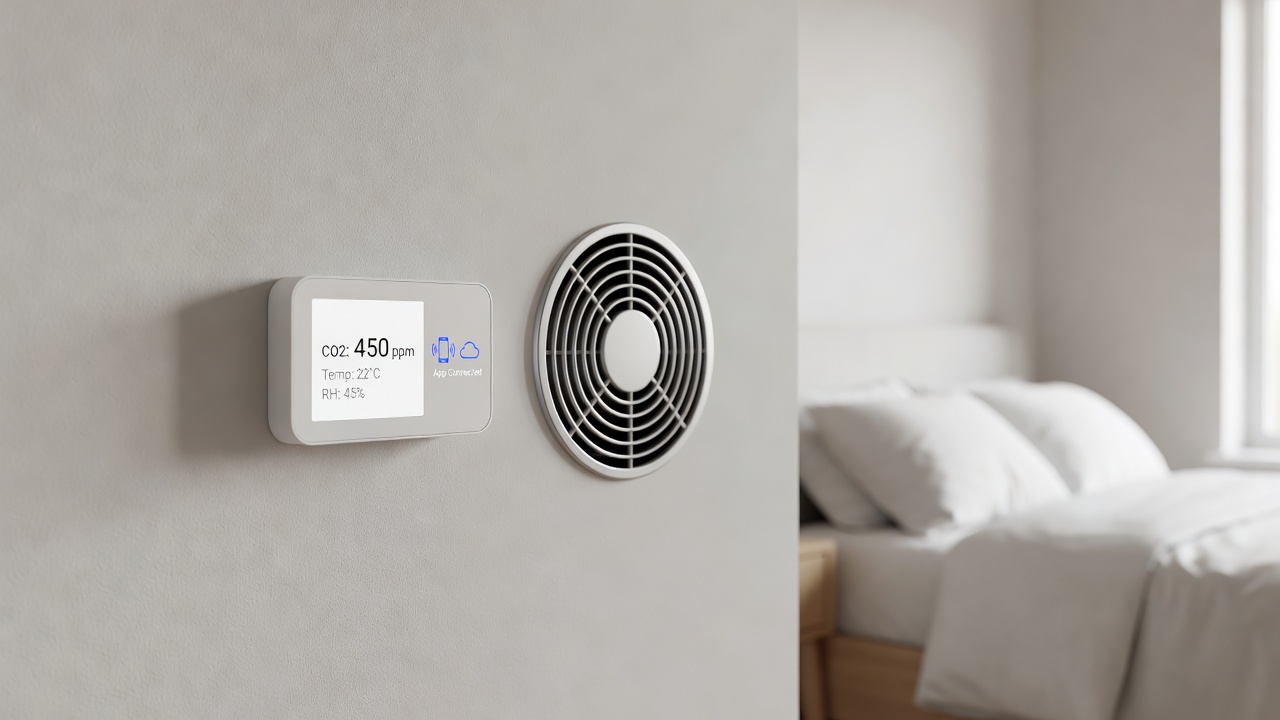
Real-Home Examples and Lessons Learned
In a 2025 renovation of a 1920s bungalow, owners replaced single-pane windows with double-glazed units featuring integrated vents. They added a quiet inline fan controlled by a CO2 sensor. Post-installation, residents reported fewer morning headaches and better sleep scores on wearable trackers. Another suburban home integrated bedroom ventilation into a whole-house smart system, cutting peak humidity levels significantly during summer months. A third example involved a city apartment where a couple installed a compact ERV unit; they noted reduced condensation on windows and improved air freshness, especially beneficial during allergy season. These cases highlight the importance of matching system scale to room specifics and testing thoroughly before finalizing finishes.
Maintenance Tips for Long-Term Performance
- Clean or replace filters every 3-6 months depending on local air quality.
- Inspect fan blades and ducts annually for dust buildup.
- Calibrate smart sensors yearly and update firmware for security.
- Check seals on windows and vents each season to prevent drafts.
- Troubleshoot unusual noises by checking mounting hardware and cleaning impellers promptly.
Regular upkeep prevents efficiency loss and extends equipment life. Create a seasonal checklist to stay on track and avoid costly repairs.
Common Mistakes to Avoid
Many DIYers overlook proper sizing, leading to inadequate airflow or excessive energy use. Skipping insulation on ducts can cause condensation and moisture problems. Ignoring local codes risks safety issues or failed inspections. Always measure room volume accurately and consult manufacturer guidelines before purchasing equipment.
FAQ: Common Concerns About Bedroom Ventilation Upgrades
Will new fans make the room noisy?
Modern low-sone models operate quietly enough for bedrooms. Choose units rated below 0.5 sone and mount them on vibration-dampening brackets.
How do upgrades affect energy bills?
Energy-efficient fans and ERVs with heat recovery minimize impact. Many systems use less power than a standard light bulb when running continuously at low speed.
Can I install ventilation myself?
Basic exhaust fans are DIY-friendly for experienced homeowners. Complex ERV systems or electrical work typically require licensed professionals to ensure safety and code compliance.
Are there health certifications to look for?
Seek equipment tested to standards from organizations like EPA guidelines on indoor air quality and WHO recommendations for residential ventilation. Additional guidance is available through ASHRAE resources on ventilation best practices.
Conclusion
Bedroom ventilation upgrades deliver measurable health and comfort benefits in modern homes. By thoughtfully comparing natural and mechanical options, selecting efficient equipment, and incorporating smart controls, homeowners create healthier sleeping environments that align with 2026 wellness-focused design trends. Plan your project around room size, budget priorities, and long-term maintenance to achieve lasting results. With careful execution, these improvements enhance daily living while supporting sustainable home performance for years ahead.


No comments yet. Be the first!