 Fixated on Home

Introduction to AI in Bedroom Renovations
Homeowners in 2026 are turning to AI-driven platforms to transform bedroom spaces with precision and creativity. These tools analyze user preferences, room dimensions, and lifestyle needs to generate tailored designs that blend aesthetics with functionality. By leveraging machine learning algorithms, AI streamlines the renovation process, reducing trial-and-error and enabling efficient upgrades that feel both modern and personal. The search for tech-savvy solutions often stems from desires to save time while achieving professional-level results. AI excels here by offering rapid iterations based on simple inputs like photos, mood boards, or questionnaires about color preferences and furniture styles. In an era where customization is key, these platforms empower individuals to visualize outcomes before committing resources, making bedroom renovations more accessible than ever.
Trends indicate growing adoption among urban dwellers and suburban families alike, driven by the need for multifunctional spaces that support work, rest, and relaxation. AI not only accelerates ideation but also incorporates real-time data on trends, ensuring designs remain relevant for years to come.
Top AI Tools for Custom Bedroom Designs
Several leading platforms stand out for their capabilities in generating bedroom layouts. Tools like Midjourney integrated with design software, Adobe Firefly, and specialized apps such as Planner 5D's AI features provide comprehensive options. Each excels in different areas: some focus on photorealistic renders, while others prioritize functional space planning. Comparisons reveal that AI tools vary in user-friendliness and output quality. For instance, platforms emphasizing generative design allow for quick adjustments to layouts, making them ideal for small urban bedrooms versus larger master suites. Users often compare options based on integration capabilities with existing CAD software and the depth of customization available through prompt engineering.
Another notable contender includes RoomGPT and similar generative AI solutions that specialize in interior transformations. These differ from general image generators by focusing on spatial accuracy and furniture recommendations derived from vast datasets of successful renovations.
Step-by-Step Guide to Using AI Design Tools
Begin by uploading room measurements and photos to the platform. Next, input details such as desired style, number of occupants, and must-have features like storage solutions. The AI then generates initial concepts within minutes. Refine outputs by adjusting parameters for lighting, furniture placement, and color schemes. Export finalized designs for professional contractors or 3D printing mockups. This process typically takes under an hour for beginners, compared to weeks of traditional planning. To maximize results, start with high-resolution images and clear textual descriptions that specify constraints such as budget ranges or accessibility needs. Iterate multiple times, using the AI's feedback loops to explore variations like minimalist versus bohemian aesthetics. Advanced users can layer additional data, including local building codes or seasonal weather patterns, for more context-aware suggestions.
Practical tips include testing free tiers first to understand interface nuances before upgrading. Many platforms now offer mobile apps, allowing on-site adjustments during the renovation itself.
Integrating Smart Features with AI Designs
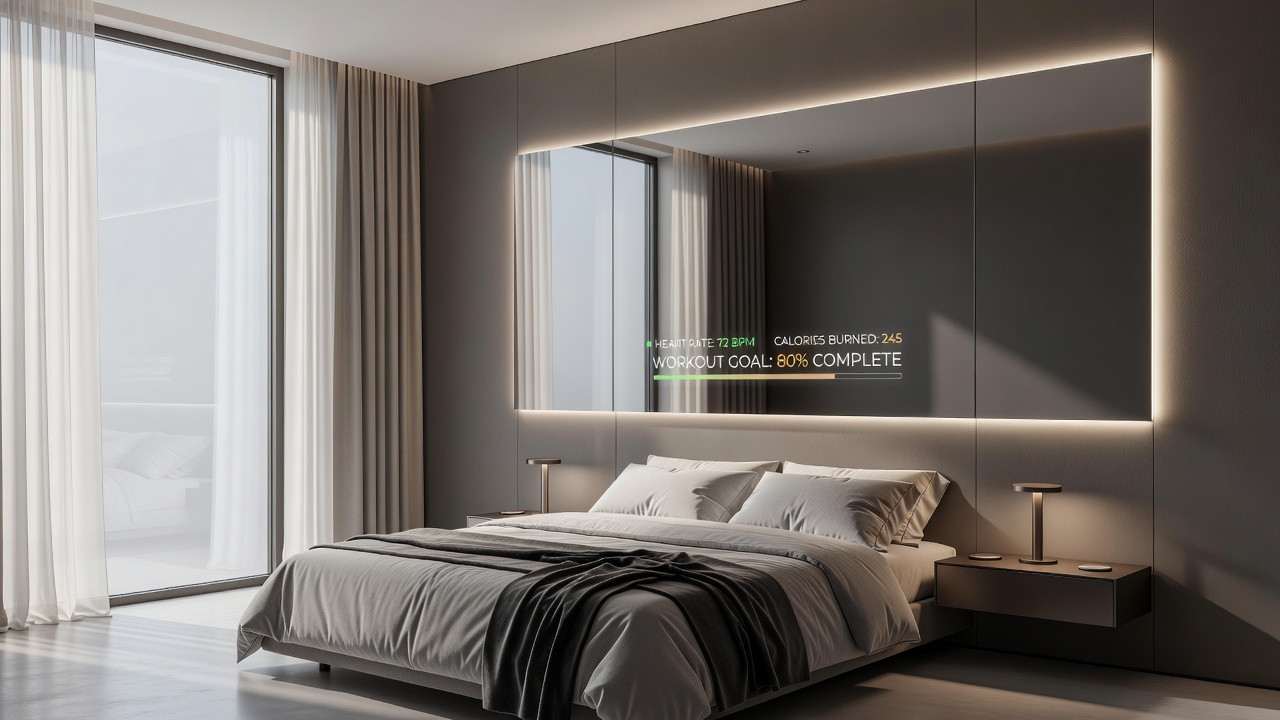
Modern renovations benefit from seamless blending of AI visuals with smart home technology. AI tools can recommend integrations like automated lighting systems, voice-controlled blinds, and climate sensors that align with the generated layouts. This creates bedrooms that adapt to daily routines, enhancing comfort and energy efficiency. Examples include pairing AI layouts with IoT devices for sleep-optimized environments, where lighting dims automatically based on circadian rhythms. Homeowners report improved sleep quality and reduced energy consumption after implementing these recommendations. The synergy between AI design and smart features extends to security elements, such as integrated cameras disguised within custom headboards or automated window treatments that respond to sunlight intensity.
For deeper insights into smart home ecosystems, refer to resources from Wired.
Material and Color Predictions Powered by AI
AI analyzes trends and durability data to suggest materials suited to specific climates and usage patterns. Predictions often favor sustainable options like recycled woods or low-VOC paints for healthier indoor air quality. Color forecasts draw from vast datasets, proposing palettes that evoke calm or energy as requested. Users receive visualizations showing how these elements interact under different lighting conditions throughout the day. Lists of recommended materials frequently include comparisons of longevity, maintenance requirements, and environmental impact scores. For example, AI might suggest bamboo flooring over traditional hardwood for its rapid renewability and natural resistance to moisture in humid regions. Color predictions incorporate psychological research, helping select hues that promote relaxation in master bedrooms or focus in home offices integrated into the space.
These predictions are continuously updated based on global design movements and material science advancements, ensuring recommendations stay current.
Optimizing Costs During Bedroom Upgrades
AI platforms help identify budget-friendly alternatives by simulating material swaps and calculating potential savings on labor through precise planning. This data-driven approach minimizes waste and avoids costly revisions mid-project. Practical comparisons show how AI can highlight multifunctional furniture that reduces the need for multiple purchases, leading to streamlined renovations overall. Homeowners can input specific constraints to receive phased implementation plans that prioritize high-impact changes first. This prevents overspending on non-essential elements while maximizing the perceived value of the final design.
Before-and-After Examples and Real-World Applications
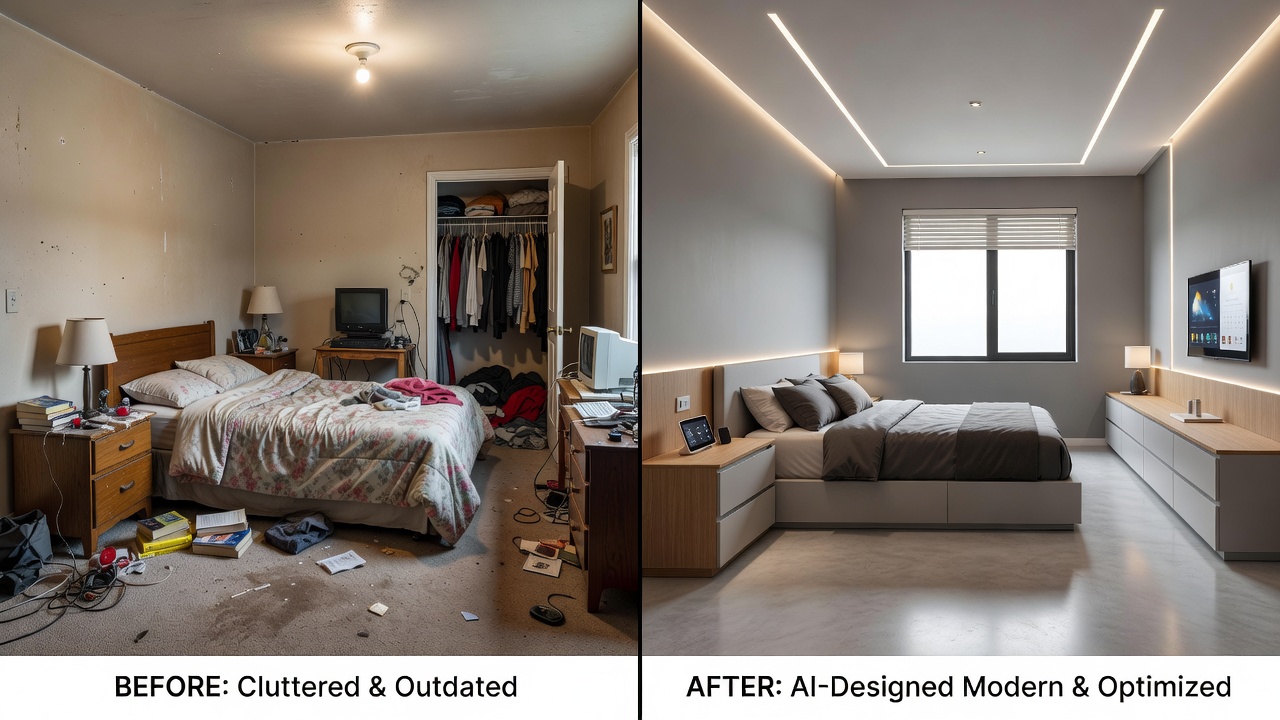
Consider a cluttered small bedroom transformed into a serene retreat using AI suggestions for vertical storage and neutral tones. Another case involved expanding a master suite with predicted modular elements that maximized natural light. These examples demonstrate measurable improvements in usability and visual appeal, often completed faster than conventional methods. Additional scenarios include family bedrooms adapted for multi-generational living, where AI accounts for varying height requirements and privacy needs through clever zoning. Real-world applications highlight how AI reduces decision fatigue by presenting curated options rather than overwhelming choices.
Mistakes to Avoid When Using AI for Bedroom Design
Common pitfalls include relying solely on AI outputs without verifying measurements on-site or ignoring local regulations. Always cross-reference generated plans with professionals to ensure structural integrity. Another mistake is overlooking material availability in your region, which can delay projects. Beginners should avoid overly complex prompts initially, starting simple to build familiarity with the tool's capabilities.
Conclusion
AI tools are reshaping bedroom renovations in 2026 by making custom designs accessible and efficient. Homeowners who embrace these technologies gain creative freedom alongside practical benefits like cost control and smart integrations. For more on innovative design practices, explore resources from ArchDaily and Dezeen.
FAQ
- How beginner-friendly are these AI tools? Most platforms offer intuitive interfaces with tutorials, allowing novices to start generating designs immediately.
- Can AI account for existing furniture in renovations? Yes, by uploading inventory photos, the software incorporates current pieces into new layouts seamlessly.
- What challenges might arise with AI predictions? Occasional mismatches in scale require manual tweaks, but updates based on user feedback continue to improve accuracy.
- How does AI handle sustainability considerations? Advanced tools factor in carbon footprints and eco-certifications when suggesting materials and finishes.

No comments yet. Be the first!