 Fixated on Home
Introduction to Smart Mirror Integration
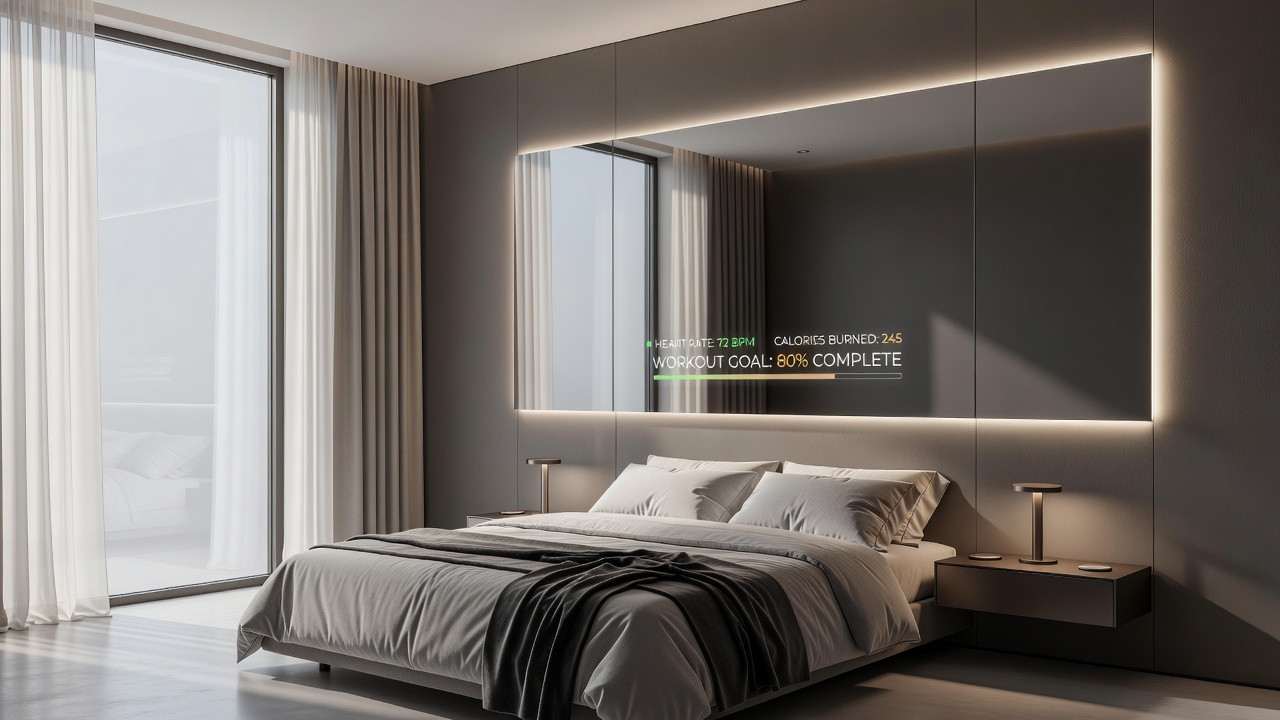
Smart mirrors are transforming bedroom design in 2026 by combining traditional reflection with advanced technology. Homeowners seeking modern upgrades can enjoy features such as integrated lighting, fitness tracking, and voice control. This guide explores the full potential of these devices, helping you blend innovation with personal style for a functional and futuristic space. As technology advances, smart mirrors offer more than a simple reflection; they serve as interactive hubs that enhance daily routines, promote wellness, and support seamless smart home connectivity. Whether you are renovating a primary suite or refreshing a guest room, understanding the integration process ensures your investment delivers lasting value and convenience.
Key Benefits of Smart Mirrors in Bedrooms
Integrating a smart mirror offers multiple advantages that extend beyond basic functionality. Integrated LED lighting provides customizable ambiance for morning routines or evening wind-downs, allowing users to adjust brightness and color temperature to match circadian rhythms. Fitness tracking capabilities sync with wearables to display health metrics directly on the mirror surface, encouraging consistent exercise habits without needing separate devices. Voice control through assistants like Alexa or Google Assistant enables hands-free operation for music, weather updates, or smart home commands, freeing users to multitask during grooming or dressing.
Privacy features, including one-way glass and secure data encryption, address common concerns by preventing unauthorized access to personal information. Energy-efficient designs also contribute to lower utility usage over time, aligning with sustainable living practices. Additional benefits include built-in weather displays, calendar reminders, and even virtual try-on features for clothing or makeup, making the mirror a versatile tool for busy households. In bedrooms specifically, these mirrors can double as ambient night lights or meditation guides, creating a calming environment that supports better sleep hygiene.
Enhanced Wellness and Daily Efficiency
By overlaying real-time data such as heart rate or step counts, smart mirrors motivate users to maintain active lifestyles. This integration turns routine moments into opportunities for self-improvement, fostering a holistic approach to health within the comfort of your own home.
Comparing Top Smart Mirror Models for 2026
When selecting a model, consider screen size, integration options, and build quality. Popular choices include those with Android-based systems for app flexibility and modular designs for custom installations. Compare aspects like resolution, touch responsiveness, and compatibility with existing smart home ecosystems before purchasing. High-resolution displays ensure crisp visuals for video calls or streaming content, while anti-fog coatings maintain clarity in humid conditions. Models with modular frames allow homeowners to match existing decor, blending technology seamlessly into traditional or contemporary bedroom aesthetics.
Key differentiators include the depth of third-party app support, the robustness of voice recognition, and the availability of expandable storage for personal media. Some units emphasize minimalism with hidden cameras and microphones, while others prioritize expansive touch interfaces for interactive workouts. Reviewing user feedback on reliability and software updates helps identify models that will remain functional and secure throughout 2026 and beyond.
Step-by-Step Installation Process
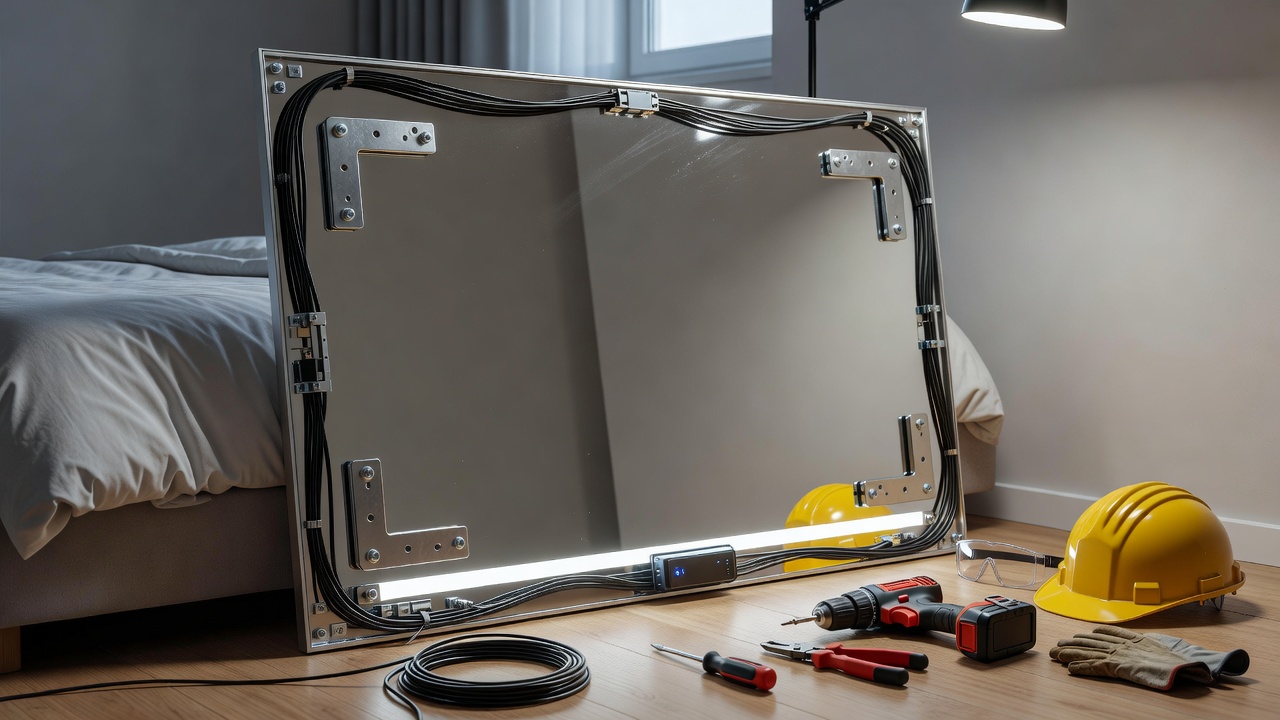
Begin by assessing wall space and electrical access in your bedroom. Measure the intended area carefully to ensure the mirror fits proportionally without overwhelming the room. Mount the frame securely using appropriate hardware, ensuring level alignment with a spirit level tool. Connect wiring for power and data, following manufacturer guidelines to integrate with lighting and sensors. Route cables through wall channels to maintain a clean appearance and reduce tripping hazards.
Test all functions, including voice commands and display features, before finalizing the setup. Professional electrician assistance is recommended for complex wiring to comply with safety standards. After installation, calibrate the display settings for optimal visibility from typical viewing distances and pair the device with your existing smart home network. Regular firmware updates should be scheduled to maintain performance and security patches.
Tools and Safety Precautions
- Spirit level, drill, wall anchors, and wire strippers for precise mounting.
- Always turn off power at the breaker before handling electrical components.
- Wear protective eyewear and gloves during drilling to prevent injury.
- Verify local building codes regarding wall modifications and electrical work.
Real-World Examples Across Different Spaces
In compact urban bedrooms, slim-profile smart mirrors maximize limited wall area while adding multifunctional utility. These units often feature fold-out extensions for full-body views or integrated storage shelves that keep the space organized. Larger master suites benefit from oversized units that serve as statement pieces, incorporating full-body views with overlaid workout data and customizable lighting zones for different activities. In family homes, shared bedrooms may use dual-sided or pivoting designs that accommodate multiple users simultaneously.
Case studies from modern renovations show how smart mirrors enhance small apartments by reflecting natural light to create an illusion of spaciousness. In expansive homes, they anchor seating areas within the bedroom, functioning as both decor and information centers. These examples demonstrate adaptability across room sizes and layouts, proving that thoughtful placement can elevate both aesthetics and practicality regardless of square footage.
Budget Considerations for Your Upgrade
Evaluate costs based on features and installation complexity. Opt for DIY options where possible to manage expenses, or allocate funds for professional help with electrical components. Factor in long-term savings from energy-efficient models when planning your renovation. Consider the value of added convenience features versus basic models to determine the best fit for your lifestyle and priorities. Exploring financing options or phased installations can make the upgrade more accessible without compromising quality.
Addressing Common Concerns: FAQs
- How do I handle wiring safely? Always consult local building codes and hire certified professionals for electrical work to prevent hazards.
- What about privacy with always-on features? Choose models with physical privacy shutters and review data policies from manufacturers.
- Are these suitable for renters? Portable or adhesive-mounted versions allow temporary integration without permanent modifications.
- How often should maintenance be performed? Clean the surface weekly with approved solutions and check software updates monthly to ensure optimal operation.
- Can smart mirrors integrate with existing lighting systems? Most models support compatibility with popular smart bulbs and switches through standard protocols.
Choosing the Right Smart Mirror for Your Needs
Assess your primary usage patterns before committing to a purchase. If fitness is a priority, prioritize models with robust health app integrations. For those focused on ambiance, select units offering extensive lighting customization. Compatibility with your current voice assistant ecosystem simplifies daily use and reduces the learning curve.
Maintenance and Troubleshooting
Routine care involves gentle cleaning to avoid damaging sensitive surfaces and periodic checks on connectivity. Common issues such as display lag or voice recognition errors can often be resolved through software resets or network troubleshooting. Keeping the device firmware current prevents many potential problems and extends overall lifespan.
Future Trends for 2026 and Beyond
Emerging developments point toward greater AI personalization, where mirrors learn user preferences over time to suggest routines or adjust environments automatically. Enhanced augmented reality capabilities may soon allow virtual furniture placement or outfit simulations directly in the bedroom setting. Staying informed about these advancements helps homeowners future-proof their upgrades.
Conclusion
Smart mirror integration represents a forward-thinking approach to bedroom upgrades in 2026. By following the outlined steps and considering your specific needs, you can create a space that is both stylish and technologically advanced. Explore authoritative resources such as energy efficiency guidelines, consumer privacy protections, and product safety standards to make informed decisions.


No comments yet. Be the first!