 Fixated on Home
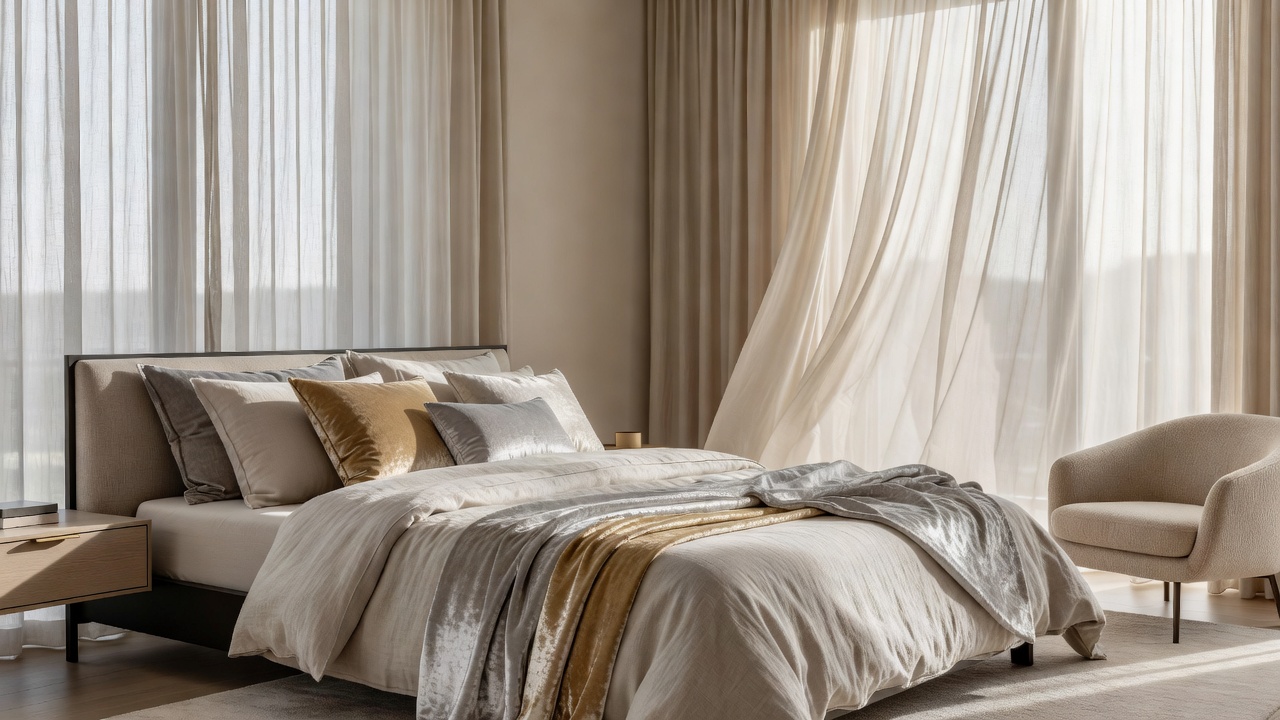
Introduction to 2026 Textile Trends in Bedroom Design
Homeowners looking to refresh their bedrooms in 2026 are turning to advanced textiles that blend comfort, durability, and sophisticated aesthetics. These choices support broader home renovation goals by enhancing visual appeal while prioritizing longevity and ease of care. This guide examines key fabric innovations, practical application strategies, and real-world transformations to help you achieve a high-end bedroom retreat. Textiles play a central role in defining the mood of a bedroom, from the softness of sheets against skin to the way curtains filter morning light. With increasing focus on wellness and sustainability, 2026 trends emphasize materials that perform well over time while reducing environmental impact. Whether updating a master suite or refreshing a guest space, thoughtful textile selections create layered comfort that feels both modern and timeless.
Natural Versus Performance Fabrics
Natural fibers such as organic cotton, linen, and Tencel offer breathability and a soft hand-feel ideal for bedding and curtains. They excel in temperature regulation, making them suitable for year-round use. In contrast, performance fabrics incorporate treatments for stain resistance, moisture wicking, and UV protection without sacrificing style. Many modern performance options now mimic the drape and texture of natural materials, allowing seamless integration into elegant schemes. When selecting between the two, consider room usage: natural textiles suit primary suites focused on relaxation, while performance versions benefit guest rooms or homes with pets and children. Natural fabrics like European flax linen provide a relaxed, lived-in elegance that improves with age, developing a unique patina. Performance alternatives often feature recycled polyester bases treated with eco-friendly finishes, offering resilience against spills and fading from sunlight exposure. Homeowners frequently combine both categories, using natural sheets paired with performance upholstery on accent chairs. This hybrid approach maximizes benefits while addressing practical needs in busy households.
- Organic cotton: Superior moisture absorption and hypoallergenic properties
- Linen: Naturally antimicrobial and quick-drying for humid climates
- Performance microfiber blends: Stain-repellent and easy to clean weekly
- Tencel: Derived from sustainable wood pulp with excellent drape
Layering Techniques for Visual Depth
Effective layering creates dimension and tactile interest in bedroom spaces. Start with a foundational sheet set in a neutral tone, then add a lightweight quilt or coverlet for subtle pattern. Top with a duvet featuring a textured weave, followed by decorative pillows in varying scales and materials. Incorporate throws at the foot of the bed using contrasting fibers like velvet against linen. This approach builds richness while allowing seasonal adjustments through simple swaps. Layering also improves functionality by enabling temperature control throughout the night. For instance, a base of crisp percale sheets can be topped with a breathable cotton sateen duvet insert during warmer months, then augmented with a cashmere-blend throw when temperatures drop. Visual depth emerges from mixing matte and sheen finishes, such as pairing a matte linen bed skirt with glossy silk pillowcases. 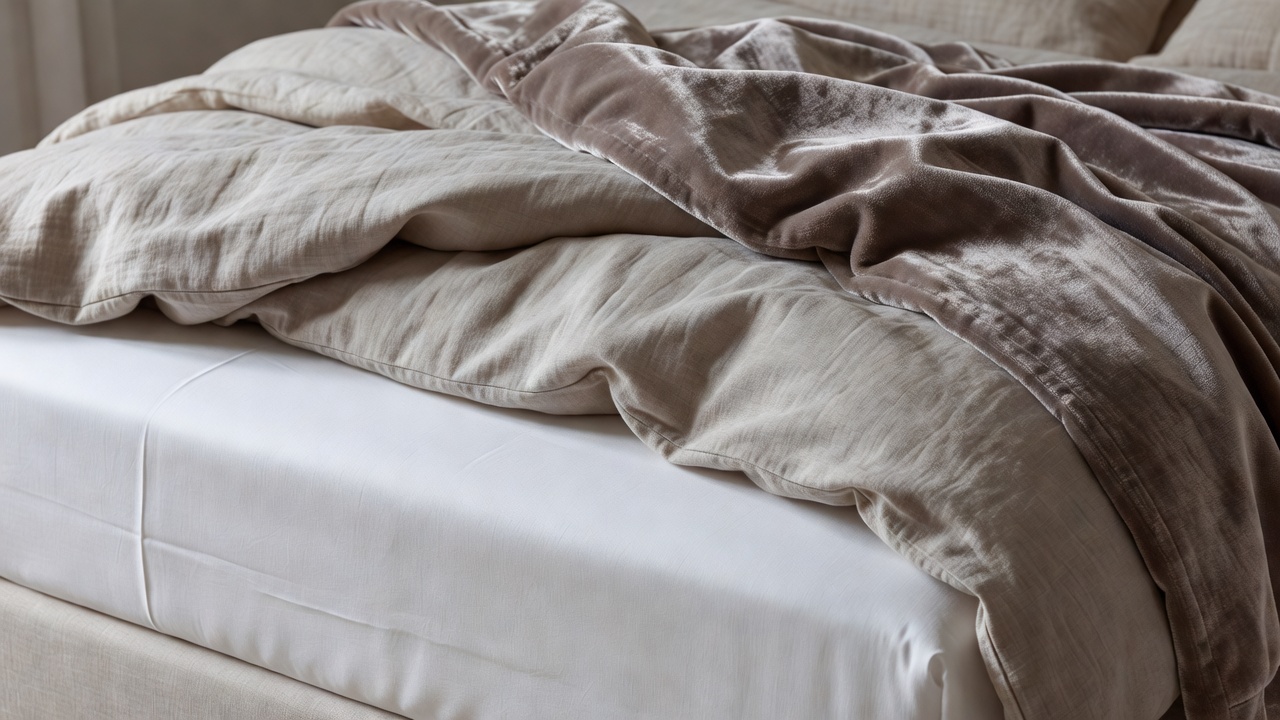
Integrating Textiles with Existing Furniture
Successful upgrades harmonize new fabrics with current pieces. For wooden bed frames, select upholstery in complementary earth tones or subtle metallics to highlight grain details. Pair upholstered headboards with crisp percale sheets for contrast. Window treatments should echo accent chair fabrics to unify the room. Test swatches against furniture finishes under different lighting to ensure cohesion before committing to larger purchases. Consider scale and proportion when matching textiles to furniture. A bulky leather headboard benefits from lightweight gauze curtains that soften the overall silhouette, while delicate wrought-iron bed frames pair beautifully with heavier jacquard weaves. Existing nightstands or dressers can be refreshed through textile accents like fabric-covered lampshades or upholstered drawer liners that tie the color story together.
Practical Steps for Sourcing Sustainable Textiles
Begin by researching certifications such as GOTS or OEKO-TEX to verify eco-friendly production. Visit specialty showrooms or online platforms that partner with ethical mills. Measure your space precisely and request physical samples to assess hand-feel and color accuracy. Consult supplier sustainability reports and prioritize brands transparent about water usage and chemical processes. Finally, calculate total yardage needs including extras for pattern matching to minimize waste. Authoritative resources like the EPA provide guidance on responsible textile manufacturing practices. Create a sourcing checklist that includes verifying fair-trade credentials and reviewing end-of-life recyclability. Attend virtual textile expos or request virtual mill tours when in-person visits are impractical. Compare lead times and minimum order quantities across suppliers to avoid delays during renovation timelines. Partnering with local upholsterers can also yield custom pieces using sustainable yardage sourced directly from certified producers.
Before-and-After Bedroom Makeover Examples
One transformation replaced synthetic bedding with a mix of European flax linen and performance velvet accents, resulting in a serene, spa-like atmosphere that improved sleep quality reports from homeowners. Another project layered organic cotton base layers under a silk-blend throw, elevating a dated guest room into a boutique-hotel experience while maintaining easy maintenance. A third example involved updating a family bedroom by introducing performance drapery panels alongside natural-fiber quilts, creating a cohesive space that withstands daily wear while appearing polished. These examples demonstrate how targeted textile updates deliver dramatic visual shifts without full furniture replacement. Documenting progress with photos at each stage helps homeowners visualize incremental improvements and adjust selections before final installation.
Comparison of Cost-Effective Textile Options
Budget-conscious selections include high-quality cotton blends that deliver softness at lower price points than pure silk. Performance microfiber alternatives provide durability comparable to premium wools but with simpler care routines. Mid-range linen-cotton mixes offer breathability and casual elegance suitable for most designs. Evaluate each option by balancing initial investment against expected lifespan and upkeep requirements to identify the best long-term value. Cotton blends often outlast lower-grade synthetics by several seasons when properly cared for, while performance options reduce replacement frequency due to superior resistance to abrasion. Homeowners should examine thread counts, weave density, and finish treatments side-by-side using sample boards to make informed decisions aligned with their specific lifestyle demands.
Common Mistakes to Avoid
Overlooking fabric weight when selecting curtains can result in poor light control or excessive bulk. Ignoring care instructions leads to premature wear, particularly with natural fibers that require specific washing methods. Choosing patterns without considering room scale can overwhelm smaller bedrooms. Always verify dye lot consistency across multiple rolls or bolts to prevent visible mismatches in finished projects.
Conclusion
Thoughtful textile choices in 2026 allow homeowners to create luxurious bedrooms that balance aesthetics, comfort, and practicality. By understanding material differences, mastering layering, and following sustainable sourcing practices, any space can be elevated into a restful sanctuary that withstands daily use and seasonal changes.
FAQ
How do I maintain luxurious textiles without special equipment?
Many performance fabrics are machine washable on gentle cycles with mild detergent. Natural fibers often benefit from air drying or low-heat settings to preserve integrity. Always check care labels and spot-clean promptly to extend usability.
Are these trends adaptable across seasons?
Yes, versatile base layers in breathable natural fibers pair with heavier throws or quilts for colder months. Lightweight performance curtains can be swapped seasonally to control light and insulation effectively.
What should I consider for allergen-sensitive households?
Choose hypoallergenic options with tight weaves and antimicrobial treatments. Regular washing at appropriate temperatures helps reduce dust mites and other irritants common in bedroom environments.
Further information on textile standards is available from organizations such as Textile Exchange and ISO.

No comments yet. Be the first!