 Fixated on Home
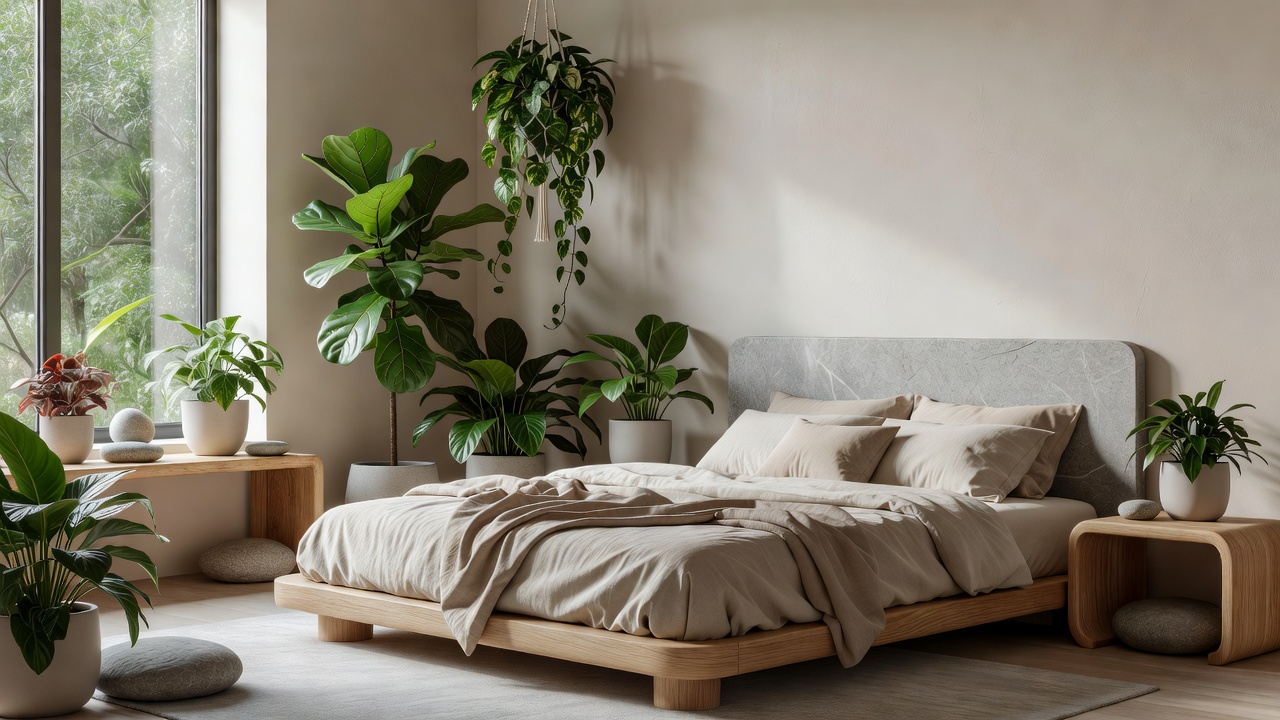
Introduction to Biophilic Bedroom Design
Biophilic bedroom design connects occupants with nature to promote better sleep, reduced stress, and overall wellness in modern homes. This comprehensive 2026 renovation guide explains how to incorporate natural materials, indoor plants, organic shapes, and sensory layers into bedrooms of any size. The approach supports sustainable upgrades while aligning with wellness trends that prioritize restorative environments over purely aesthetic ones.
Research from the National Institutes of Health highlights how exposure to natural elements indoors can lower cortisol levels and improve cognitive function. In bedrooms specifically, these principles create calm spaces that support recovery and long-term health. Homeowners undertaking 2026 renovations can use biophilic strategies to differentiate their projects from standard updates.
Core Principles of Biophilic Design for Bedrooms
Effective biophilic bedrooms rely on several interconnected principles. Natural materials such as wood, stone, and organic textiles form the foundation. Abundant indoor plants improve air quality and introduce living elements. Organic shapes replace sharp angles with curves and irregular forms that feel more natural. Sensory variety through texture, scent, and sound completes the experience.
Maximizing natural light remains essential because it regulates circadian rhythms. Incorporating patterns inspired by nature, such as leaf motifs or water-like ripples, adds subtle visual interest without overwhelming the space. These elements work together to mimic outdoor environments while fitting within typical residential constraints.
Understanding Natural Light and Air Quality
Windows positioned to capture morning light help regulate sleep cycles. Cross-ventilation through operable windows or strategic plant placement further enhances freshness. The Environmental Protection Agency notes that certain plants can reduce indoor pollutants, making them valuable additions in enclosed sleeping areas.
Assessing Your Existing Space
Before beginning any renovation, conduct a thorough evaluation of the current bedroom. Measure window sizes and orientations to understand daily light patterns. Identify wall space suitable for vertical gardens or large artwork featuring natural motifs. Note floor area constraints that might limit freestanding plant displays or furniture arrangements. Assess existing materials for compatibility with new biophilic additions, such as whether carpet can be replaced with hardwood or whether walls need preparation for stone cladding.
Consider ceiling height for hanging planters or pendant lights with organic forms. Evaluate storage needs to ensure new natural elements do not create clutter. This assessment phase prevents costly revisions later and ensures every change contributes meaningfully to the overall design.
Practical Steps for Integration
- Enhance natural lighting first by installing sheer linen curtains, adding skylights where structurally feasible, or using mirrors to reflect daylight deeper into the room.
- Choose sustainable materials including FSC-certified wood for bed frames and nightstands, natural stone for accent walls, and organic cotton or linen bedding free from synthetic dyes.
- Introduce plants gradually, starting with three to five low-maintenance species positioned near windows or on shelves where they receive adequate indirect light.
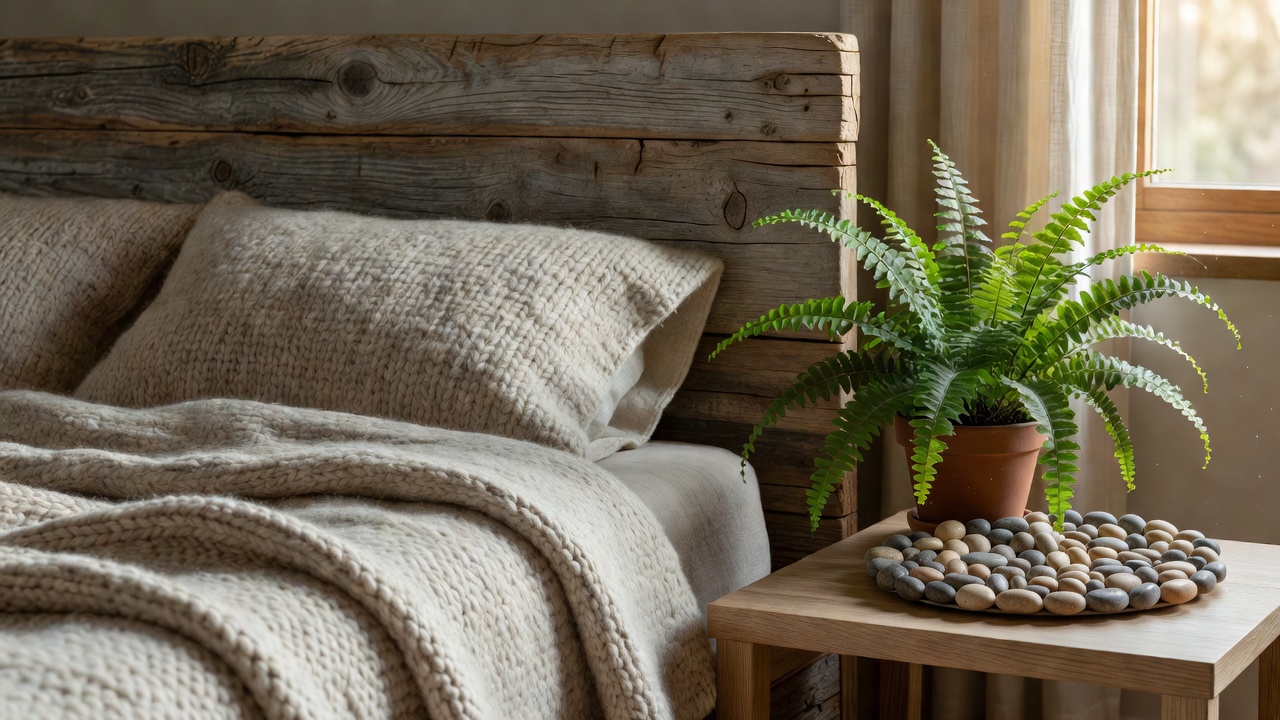
- Layer textures deliberately by combining rough wood surfaces with soft wool rugs, smooth river stones, and nubby linen throws to create tactile contrast.
- Incorporate organic shapes through curved headboards, asymmetrical mirrors, or pebble-shaped decorative objects that soften the overall geometry.
- Integrate subtle sound elements such as a small indoor water feature or wind chimes near an open window for gentle auditory connection to nature.
Real-World Examples of Transformations
One compact city apartment bedroom achieved a complete biophilic overhaul by installing a living green wall opposite the bed and replacing vinyl flooring with bamboo. The owner added reclaimed wood floating shelves for trailing pothos plants, resulting in a space that felt significantly larger and more serene despite its limited square footage.
In a larger suburban home, a master bedroom renovation featured floor-to-ceiling windows overlooking a garden, paired with a custom stone bedside table and a canopy bed draped in natural linen. The transformation included a reading nook with a curved bench upholstered in wool and surrounded by tall fiddle-leaf figs, creating distinct zones within the room.
Small Room vs. Large Room Comparisons
Small bedrooms benefit most from vertical solutions such as wall-mounted planters and tall, narrow trees that draw the eye upward. Low-cost implementations might use secondhand wooden crates as plant stands and thrifted linen sheets, while premium versions incorporate custom millwork and automated grow lights. Large bedrooms allow for statement pieces including full accent walls of reclaimed timber or dedicated meditation corners with stone benches and moss gardens. The contrast between budget and high-end approaches lies primarily in material sourcing and customization rather than the underlying biophilic principles.
Sourcing Sustainable Options in 2026
Seek suppliers that provide traceable materials with third-party certifications. Local nurseries often carry regionally adapted plants that require less maintenance and water. Online marketplaces specializing in reclaimed wood and natural stone offer convenient access while supporting circular economies. Always verify that finishes are low-VOC to maintain healthy indoor air quality throughout the bedroom.
Layering Textures for Visual Interest
Effective texture layering creates depth without visual noise. Begin with a base of smooth hardwood or stone flooring, then add a large wool area rug for softness underfoot. Place linen or cotton bedding against a wooden headboard, and introduce stone or ceramic accessories on nightstands. Mix matte and slightly reflective surfaces to mimic the varied finishes found in natural landscapes. This approach keeps the room engaging while reinforcing the connection to the outdoors.
Maintenance and Budget Considerations for 2026 Projects
Successful long-term results depend on realistic maintenance routines. Most bedroom plants require weekly watering and occasional leaf cleaning. Wood and stone surfaces benefit from gentle, non-toxic cleaners applied monthly. Budget allocation should prioritize durable, high-impact items such as quality bedding and lighting over numerous small accessories. Phased implementation allows homeowners to spread costs across multiple seasons while continuously improving the space.
Common Mistakes to Avoid
Overcrowding the room with too many plants can reduce airflow and create maintenance burdens. Ignoring humidity requirements leads to plant decline and potential mold issues. Selecting materials without proper certifications may introduce hidden toxins. Always test light levels before finalizing plant choices and verify that new furniture fits comfortably within the room dimensions.
FAQ
How much maintenance do indoor plants require in a bedroom?
Most suitable species need watering once per week and benefit from monthly dusting of leaves. Choose varieties tolerant of lower light if windows are limited.
Is biophilic design suitable for all budgets?
Yes. Affordable starts include adding several potted plants and switching to natural textiles. Higher investments can include custom millwork or living walls added later.
What common mistakes should be avoided?
Avoid overcrowding plants, neglecting humidity control, or purchasing non-certified materials that may off-gas. Always assess light conditions first.
How does biophilic design affect sleep quality?
By improving air quality and reducing visual stress through natural forms, the design supports deeper, more restorative rest according to wellness research.
Conclusion
Biophilic bedroom design provides a practical framework for creating restorative spaces during 2026 renovations. By following detailed assessments, sourcing sustainably, and layering natural elements thoughtfully, homeowners achieve bedrooms that genuinely enhance daily well-being and connect with the surrounding environment.


No comments yet. Be the first!