 Fixated on Home
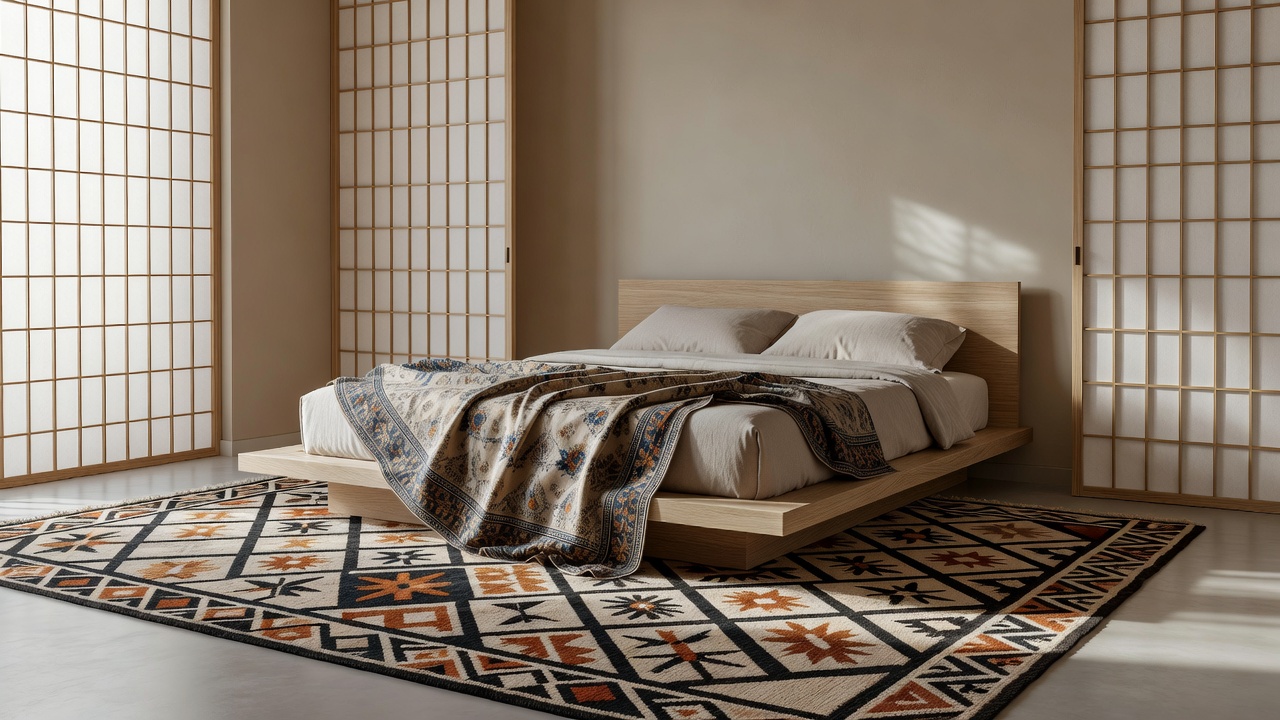
Introduction to Cultural Bedroom Design in 2026
Homeowners today seek more than generic trends in their personal spaces. Blending global cultural motifs with contemporary bedroom design creates unique upgrades that reflect personality and heritage. This approach draws from diverse traditions while maintaining clean, livable aesthetics suitable for modern living. In 2026, the emphasis is on personalization, where bedrooms become reflections of travel experiences, family histories, or admired global aesthetics rather than mass-produced looks.
By integrating authentic elements thoughtfully, you can transform a standard bedroom into a sanctuary that tells a story. This guide explores practical methods for selecting textiles, adapting furniture, and balancing cultural influences with minimalism. It provides homeowners with actionable strategies to achieve distinctive renovations that stand out from standard trends while remaining functional and harmonious.
Selecting Authentic Textiles and Patterns
Textiles serve as the foundation for cultural infusion. Focus on handwoven fabrics from regions like India, Morocco, or Japan to add depth without overwhelming the room. Look for block-printed cottons or embroidered silks that feature traditional motifs such as paisleys or geometric ikats. Indian block prints often incorporate floral or animal motifs rooted in centuries-old techniques, while Moroccan textiles might feature bold geometric patterns inspired by Islamic art.
When sourcing, prioritize fair-trade options to ensure authenticity. Layer these textiles through bedding, curtains, and rugs. For example, a Japanese-inspired shibori-dyed throw paired with a neutral linen duvet creates subtle contrast while honoring craftsmanship traditions. Consider how patterns interact with light; sheer curtains in batik prints from Indonesia allow natural light to filter through, casting intricate shadows that enhance the room's atmosphere throughout the day. Research cultural symbolism before purchase to avoid unintended meanings, and mix scales of patterns—one large motif on a rug balanced by smaller repeats on pillows—for visual interest without chaos.
Explore resources from institutions like the Metropolitan Museum of Art for inspiration on historical textile patterns that can guide modern selections.
Adapting Furniture from Various Heritages
Furniture adaptation involves selecting pieces that echo cultural forms yet function in contemporary settings. Consider low platform beds inspired by Japanese tatami styles or intricately carved wooden headboards from West African traditions. These elements introduce organic textures and historical narratives. Scandinavian mid-century pieces can be paired with Chinese-inspired lacquer accents for an East-meets-West fusion that feels fresh in 2026 designs.
Repurpose vintage items by updating finishes. A mid-century Scandinavian chair reupholstered in African wax print fabric bridges eras effectively. Measure your space carefully to maintain proportions and avoid clutter. For instance, a Moroccan brass tray table can serve as a nightstand when paired with slim modern lamps, adding exotic flair without dominating the layout. Consider modular adaptations such as attaching traditional Indian carved legs to a simple floating platform base, creating hybrid furniture that supports both cultural expression and ergonomic needs like under-bed storage.
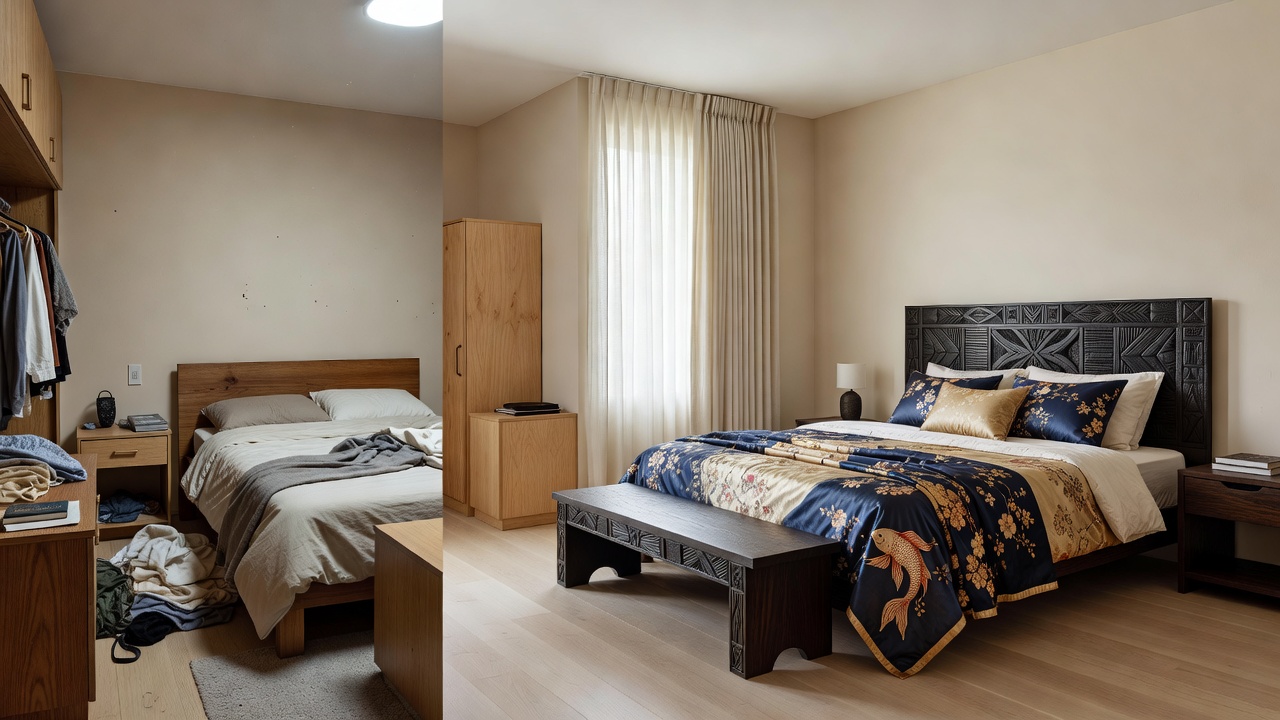
Balancing Cultural Motifs with Contemporary Minimalism
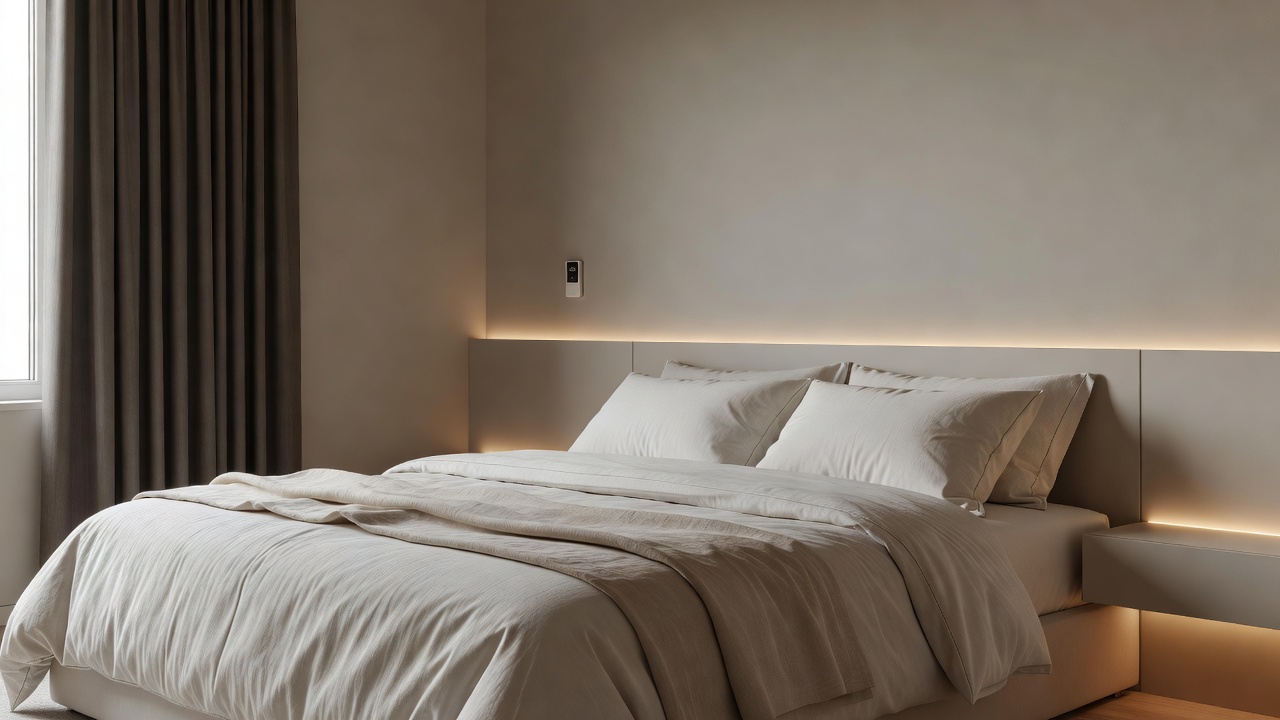
Success lies in restraint. Limit cultural accents to three or four focal points per room to preserve a sense of calm. Pair bold patterns with solid, neutral backdrops in soft grays or warm beiges. Minimalist principles emphasize negative space, allowing cultural pieces to shine. Use built-in storage to hide everyday items, highlighting only the heritage elements. This creates visual harmony that feels both timeless and current.
In practice, start by establishing a neutral base with matte walls and streamlined lighting, then introduce one standout cultural item like a Peruvian woven wall hanging. Layer secondary elements gradually, ensuring each addition enhances rather than competes. This method prevents visual overload while celebrating diversity, resulting in spaces that feel curated and serene rather than themed or cluttered.
Practical Installation Steps with Before-and-After Examples
Follow these steps for seamless integration:
- Assess your existing layout and identify cultural themes that resonate personally. Sketch the room and note traffic flow to ensure new elements enhance usability.
- Source materials from reputable artisans or ethical suppliers, verifying origins through documentation where possible.
- Start with paint or wall treatments as a base layer, choosing colors that complement chosen cultural palettes without clashing.
- Install textiles and furniture gradually, testing placements over several days to observe how they interact with daily light changes.
- Finalize with lighting that enhances textures, such as paper lanterns or brass sconces, and add finishing touches like potted plants native to the featured cultures.
Before-and-after scenarios often show dramatic yet cohesive transformations. A plain white bedroom might evolve into one featuring subtle Navajo-inspired rugs and a sleek teak console, elevating the space without major structural changes. Another example could involve transforming a dated carpeted room by layering Japanese tatami mats under a low bed frame, then adding Turkish kilim pillows, resulting in a grounded, meditative environment that feels both ancient and modern.
Comparing Cost Versus Impact
Investing in cultural elements delivers high visual and emotional returns compared to standard renovations. Focus on quality over quantity for lasting value. DIY adaptations of smaller items like cushions yield strong impact at lower effort levels than full furniture overhauls. Textiles often provide the greatest transformation per effort, while furniture pieces offer enduring focal points that appreciate in sentimental value over time.
Common Mistakes to Avoid
- Overloading the room with competing patterns from unrelated cultures, which can create a disjointed appearance.
- Ignoring scale, which can make pieces feel mismatched or disproportionate to the room size.
- Skipping proper research into symbolic meanings behind motifs, potentially leading to culturally insensitive choices.
- Neglecting durability; select materials suited to your climate and lifestyle to ensure longevity.
FAQ: Addressing Integration Challenges
How do I combine multiple cultures without clashing?
Choose a dominant theme and use secondary influences sparingly through accents. Test combinations digitally before committing to purchases.
What if my space is small?
Opt for lightweight textiles and multifunctional furniture to avoid crowding while still incorporating cultural depth. Vertical elements like wall hangings maximize impact in limited floor space.
Are there maintenance concerns with authentic materials?
Many natural textiles require gentle care; consult care labels and use protective treatments suitable for daily use. Regular dusting and avoiding direct sunlight help preserve colors and fibers.
Can cultural design work in rental properties?
Yes, focus on removable elements such as textiles, portable furniture, and temporary wall decals that can be taken down without damage.
Exploring cultural bedroom design opens doors to personalized environments that evolve with your tastes. Start small, research thoroughly, and enjoy the creative process of crafting a truly distinctive retreat. Institutions such as the Victoria and Albert Museum offer further insights into global design heritage for ongoing inspiration.

No comments yet. Be the first!