 Fixated on Home
Introduction to Science-Backed Bedroom Design for Sleep
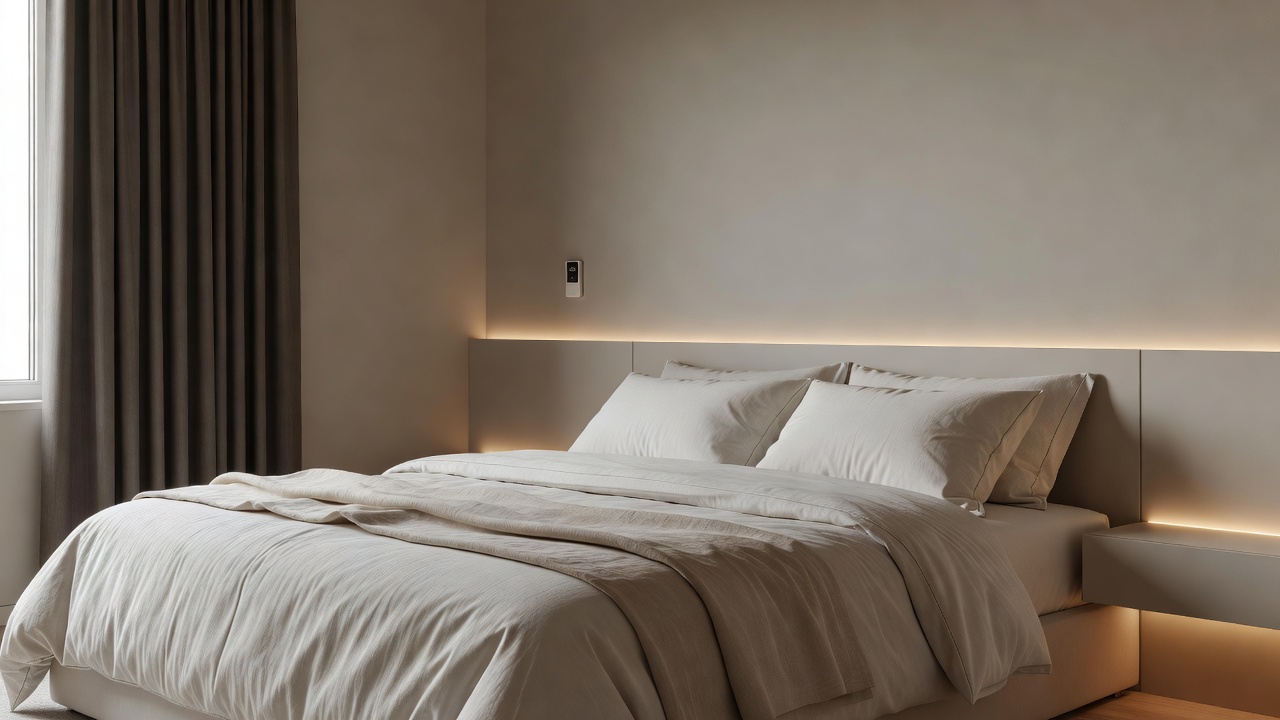
Creating a bedroom optimized for sleep involves more than aesthetics; it requires integrating evidence-based strategies that support the body's natural rhythms. In 2026, homeowners are turning to targeted renovations that combine smart technology with wellness principles to improve rest quality. This guide covers temperature regulation, lighting setups aligned with circadian biology, material choices for better air quality, layout optimizations, sound control, and bedding selections, complete with practical implementation steps, detailed examples, and comparisons.
The science of sleep hygiene shows that environmental factors like temperature, light exposure, and air quality directly influence sleep latency, depth, and duration. By focusing on renovations that address these elements, homeowners can achieve measurable improvements without relying solely on behavioral changes. This approach blends functionality with modern design trends for long-term wellness benefits.
Temperature Regulation Systems for Deeper Rest
Maintaining an ideal sleep environment starts with precise temperature control. Research shows that cooler rooms promote faster sleep onset and fewer awakenings by supporting the body's natural drop in core temperature. Modern upgrades include smart thermostats integrated with zoned HVAC systems or under-bed cooling pads. Homeowners can begin by assessing current insulation and sealing drafts, then installing programmable devices that adjust temperatures automatically based on sleep cycles.
Step-by-step implementation includes: 1) Measure room temperature at bedtime over several nights using a simple digital thermometer. 2) Install a smart thermostat compatible with your existing HVAC for automated adjustments. 3) Set a nighttime range that supports thermoregulation and program it to rise slightly before wake time. 4) Add blackout shades or thermal curtains for additional stability against external temperature swings. Successful makeovers often feature before-and-after comparisons where outdated systems are replaced with energy-efficient models, resulting in quieter operation and consistent comfort throughout the night.
Circadian-Friendly Lighting Setups
Lighting profoundly influences melatonin production and sleep-wake cycles. In 2026 designs, layered lighting includes warm, dimmable LEDs for evenings and cooler tones for mornings to mimic natural daylight patterns. Avoid blue-rich lights after sunset by using apps or smart bulbs that shift color temperature automatically throughout the day.
Practical steps include mapping all light sources in the room, replacing overhead fixtures with tunable options, and incorporating bedside lamps with red-spectrum bulbs for minimal disruption. Comparisons of product lines highlight differences in automation features, energy efficiency, and compatibility with voice assistants, helping users select setups that blend seamlessly with modern interiors. Consider professional installation for hardwired systems to ensure safety and optimal performance. 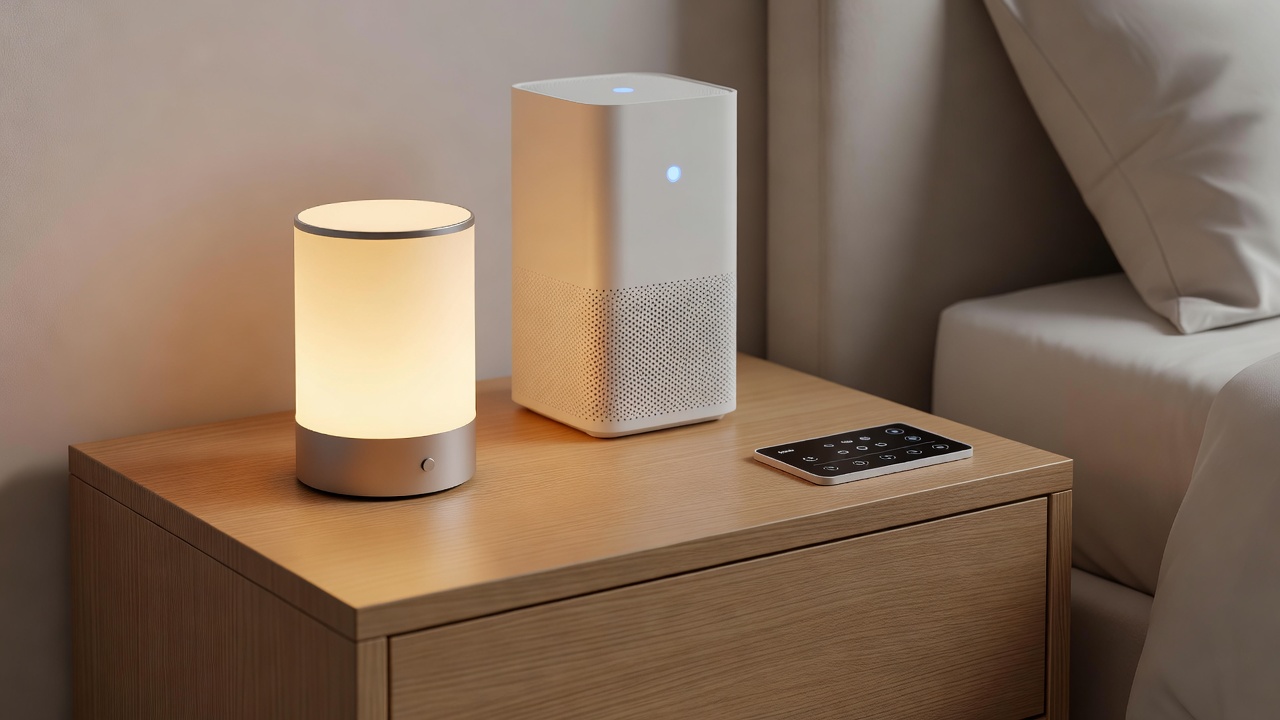
Material Selections for Superior Air Quality
Indoor air quality directly affects respiratory health and sleep continuity. Opt for low-VOC paints, natural fiber bedding, and HEPA-filter air purifiers to reduce allergens and pollutants. Renovations may involve upgrading windows for better ventilation or adding plants known for air-purifying properties such as snake plants or peace lilies.
Implementation guide: Test current air quality with an affordable monitor, select certified materials from reputable suppliers, and establish a maintenance routine including regular filter replacements. Before-and-after examples demonstrate how swapping synthetic carpets for hardwood or bamboo flooring reduces allergens and improves overall freshness, leading to fewer nighttime disturbances.
Layout Optimizations for Restful Environments
Strategic furniture placement minimizes disruptions from light, noise, and movement. Position the bed away from windows and doors, ensure clear pathways, and incorporate storage solutions that reduce visual clutter. Consider acoustic panels or area rugs to dampen noise from adjacent rooms or streets.
- Assess traffic flow and noise sources first with a simple walkthrough.
- Align the bed with wall orientations that support privacy and reduce drafts.
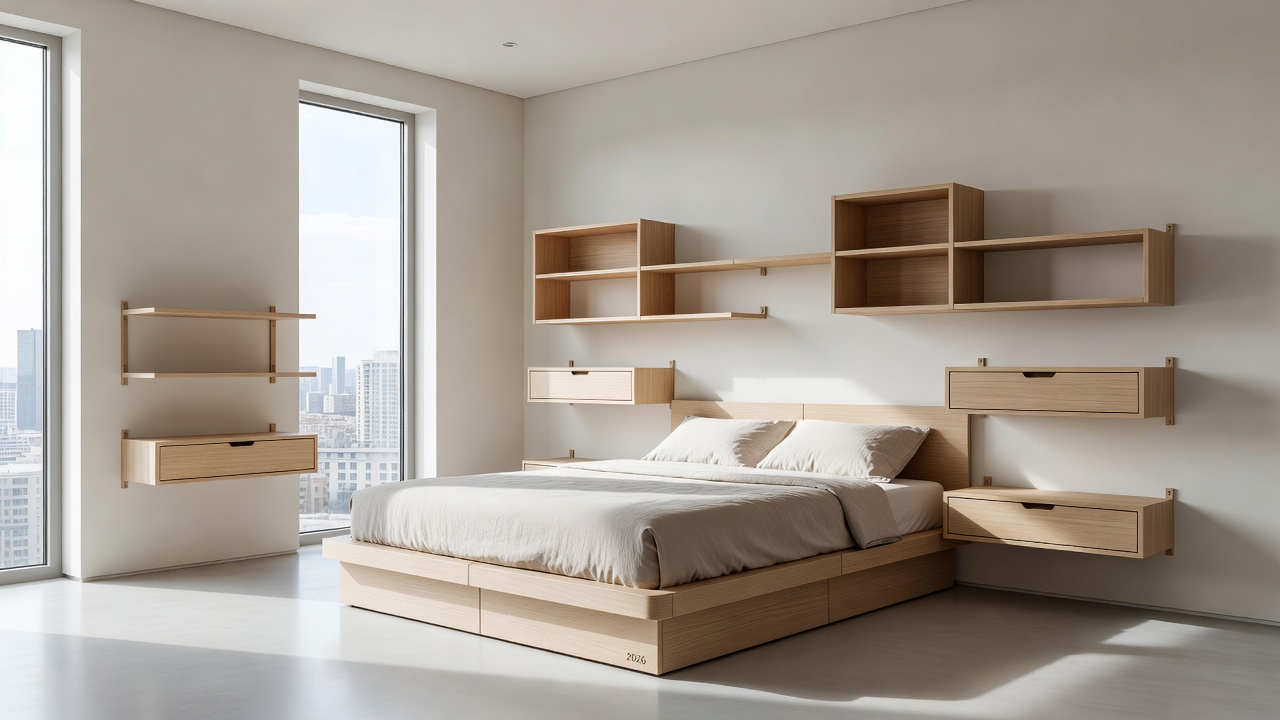
- Incorporate multi-functional pieces like storage headboards for small spaces.
- Test the layout by spending a night in the rearranged room before finalizing.
These adjustments create a sanctuary-like atmosphere supported by Sleep Foundation guidelines.
Sound Control and Acoustic Enhancements
Noise pollution is a common sleep disruptor that many renovations overlook. Adding soundproofing elements such as heavy curtains, door seals, or white noise machines can create a quieter space. For more advanced updates, consider installing acoustic wall panels or double-pane windows during a renovation project.
Real-world examples show homeowners who added these features reporting significantly fewer awakenings from external sounds like traffic or neighbors. Combine with smart speakers that play soothing sounds on a schedule for comprehensive noise management.
Bedding and Textiles for Comfort and Health
Choosing the right bedding materials enhances temperature regulation and reduces irritants. Natural options like organic cotton, linen, or bamboo sheets offer breathability and moisture-wicking properties. Compare these against synthetic alternatives, noting that natural fibers often provide better long-term durability and skin comfort.
Step-by-step: Evaluate your current bedding for wear, select certified organic products, and layer with a breathable duvet. Maintenance involves washing on gentle cycles and rotating items seasonally to maintain freshness and performance.
Before-and-After Makeover Examples
One case involved transforming a cluttered master bedroom into a minimalist haven with smart temperature controls and layered lighting, yielding noticeable improvements in sleep duration and morning energy. Another project focused on air quality upgrades by replacing flooring and adding ventilation, resulting in reduced allergy symptoms. A third example compared traditional setups to fully optimized layouts with acoustic treatments, showing enhanced relaxation and fewer interruptions.
Product Option Comparisons
When evaluating options, focus on integration capabilities, durability, energy consumption, and user reviews. Smart systems from established brands often outperform basic models in automation and long-term reliability. Create a pros-and-cons list for each category, such as cooling devices versus traditional fans, to make informed decisions aligned with your renovation budget and goals.
Mistakes to Avoid During Renovation
Common pitfalls include over-relying on technology without testing manual backups, ignoring ventilation when sealing rooms tightly, or choosing trendy designs that sacrifice comfort. Always prioritize functionality by consulting professionals for electrical or HVAC work and piloting small changes before full commitment.
FAQ on Costs and Maintenance for 2026 Trends
How much do these upgrades typically cost? Expenses vary widely based on scope; focus on phased implementations for budget control and prioritize high-impact areas first.
What maintenance is required? Regular filter changes for purifiers, software updates for smart devices, and seasonal checks of insulation and lighting ensure longevity and consistent performance.
Are these trends suitable for renters? Many portable solutions like lighting kits, purifiers, and cooling pads require no permanent changes and can be easily removed.
How long until improvements are noticeable? Many users report better sleep quality within one to two weeks of completing key changes like lighting and temperature adjustments.
Conclusion
By applying these science-informed strategies, homeowners can create bedrooms that actively support restorative sleep. Start with one area, such as lighting or temperature, and expand progressively for transformative results in 2026 and beyond. Consistent evaluation and small refinements will keep the space aligned with evolving wellness needs.
No comments yet. Be the first!