 Fixated on Home
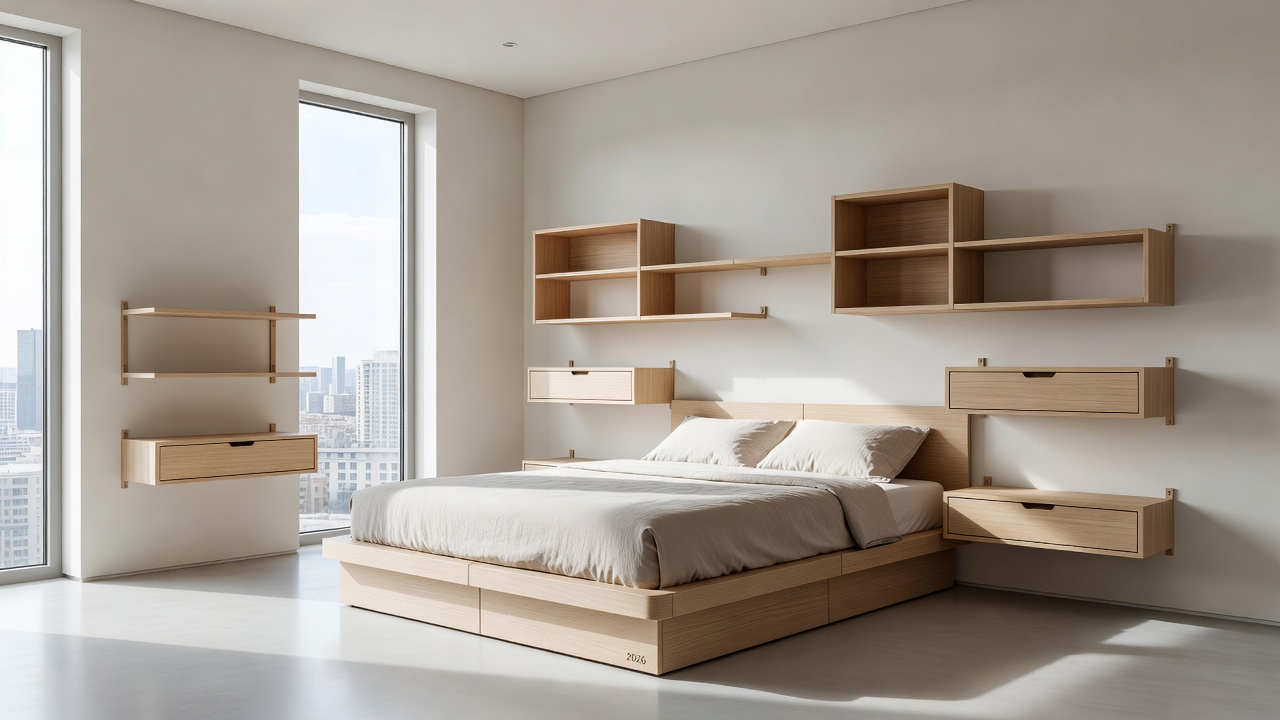
Introduction to Modular Bedroom Systems
Modular bedroom systems offer homeowners a practical way to create adaptable spaces that evolve with changing needs. In 2026, these flexible setups are gaining popularity for renovations that avoid full overhauls while supporting long-term usability. Unlike fixed furniture, modular designs allow easy reconfiguration, making them ideal for growing families, remote workers, or those seeking sustainable upgrades. Bedroom design and renovation ideas often emphasize scalability, and modular systems deliver this through interchangeable components such as beds, storage units, and desks that connect seamlessly. This comprehensive guide covers key aspects including materials, assembly, technology integration, decision-making tools, maintenance, and sustainability to help you plan effectively and achieve spaces that grow with you over decades.
The core advantage lies in future-proofing your home. Whether you need to accommodate a new baby, create a home office, or simply refresh the aesthetic, modular pieces can be rearranged without demolition or waste. Homeowners report higher satisfaction when their bedrooms support multiple life stages without repeated full renovations.
Understanding Modular vs. Fixed Bedroom Setups
Fixed bedroom furniture locks you into one layout, often requiring demolition for changes. Modular systems use standardized connectors and panels that snap or bolt together, enabling quick rearrangements. Benefits include reduced waste, easier moving, and customization over time. Real-world applications show how small apartments transform from single-occupant layouts to family-friendly zones without major construction. In contrast, fixed setups often lead to higher long-term costs due to replacement needs when lifestyles shift. Modular options also improve resale value because buyers appreciate rooms that can adapt to their own requirements.
Material Durability Comparisons
Choosing materials affects longevity and maintenance. Engineered wood offers affordability and stability in humid climates, while solid oak provides superior strength for high-use areas. Metal frames excel in modern aesthetics and resist warping. Compare options based on your environment: for example, bamboo composites resist moisture well in coastal homes. Always verify certifications for sustainability from sources like the EPA. Additional considerations include finish options such as UV-resistant laminates for sunlit rooms or antimicrobial coatings for allergy sufferers. Solid woods like walnut offer premium warmth but require periodic oiling, whereas powder-coated steel provides low-maintenance durability in high-traffic households. Layering materials, such as combining wood veneers with metal accents, creates visual interest while balancing weight and strength for easier module movement.
Step-by-Step Assembly Process
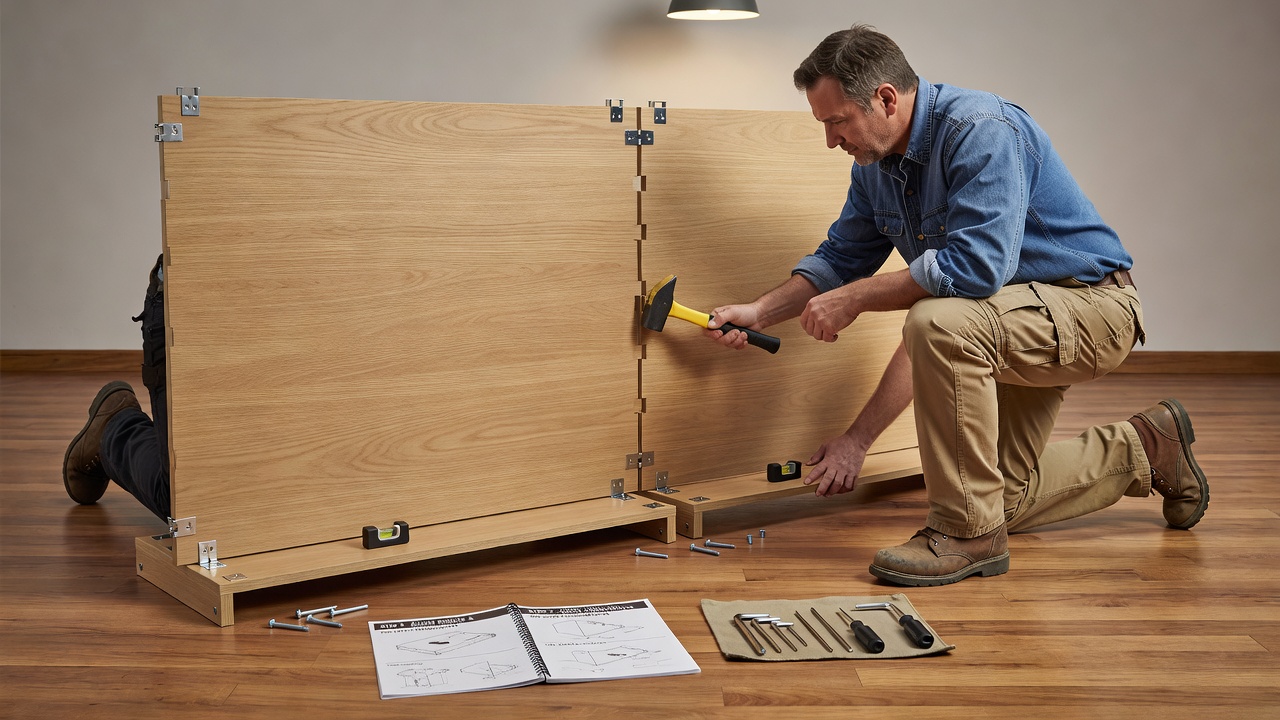
Assembly begins with measuring your space and planning the initial configuration. Gather tools like a level, screwdriver, and mallet. Start by anchoring base frames to the wall for safety, then attach vertical panels followed by horizontal surfaces. Test connections before adding finishes. Professional installers recommend labeling parts during unpacking to avoid errors. The process typically takes a weekend for a basic setup, but allow extra time for electrical routing if adding smart features. Detailed steps include clearing the area completely, sorting hardware by module type, and following manufacturer torque specifications to prevent stripping. Always work with a partner when lifting larger panels to maintain alignment and safety.
Integrating Smart Home Technology
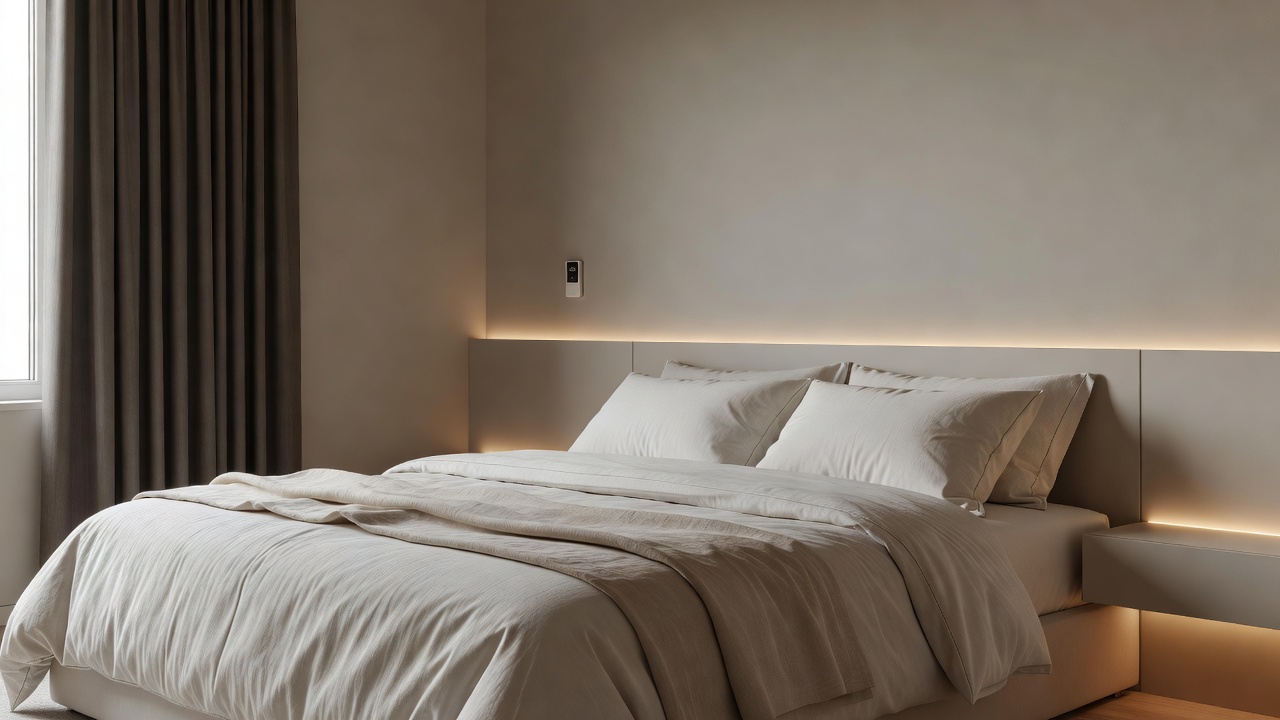
Modern modular bedrooms pair naturally with smart devices. Embed wireless charging stations into nightstands or use app-controlled lighting strips along module edges. Voice assistants can manage motorized lifts for storage compartments. Check compatibility with platforms like those from energy.gov for energy-efficient options. This integration supports routines like automated wake-up lighting that adjusts seasonally. Further enhancements include built-in sensors for occupancy detection that dim lights automatically, or climate-control modules that sync with whole-home thermostats. Homeowners can route cables through hidden channels within the modules to maintain clean aesthetics while supporting multiple devices per zone.
Cost-Benefit Analysis for Long-Term Value
Modular systems often yield better returns through adaptability. Initial investments cover quality components that last longer than disposable furniture. Savings arise from avoiding repeated purchases during life changes. Qualitative advantages include resale appeal for homes with flexible rooms. Focus on durable cores rather than trendy add-ons to maximize benefits over fixed alternatives. Over a ten-year horizon, the ability to reconfigure rather than replace entire sets reduces material consumption and disposal fees, aligning with eco-conscious living trends.
Real-World Examples of Small-Space Transformations
In a compact urban studio, a modular wall system converted a sleeping area into a workspace by sliding panels into position within minutes. Another example involved a family adding a loft module for a child without expanding square footage, creating an elevated play and sleep zone above the main bed. A third case featured a couple in a suburban home who reconfigured their bedroom into a dual-purpose guest and hobby room by swapping storage modules seasonally. These cases demonstrate how initial planning leads to versatile outcomes that support multiple phases of use, from young professionals to empty-nesters downsizing their daily footprint.
Checklist for Selecting Modules
- Measure room dimensions twice and account for door swings and window placements.
- Prioritize core pieces like the bed frame before accessories to establish the foundation.
- Verify material warranties exceed five years and include coverage for connectors.
- Test connector strength on sample units if possible at a showroom.
- Ensure compatibility with existing flooring, electrical outlets, and HVAC vents.
- Review return policies for custom orders and confirm color consistency across batches.
- Consider weight limits for wall-mounted units to protect structural integrity.
- Evaluate expansion potential by reviewing the manufacturer's full product ecosystem.
Maintenance and Sustainability Considerations
Regular maintenance keeps modular systems looking new. Wipe surfaces with mild cleaners suited to each material and inspect connectors annually for wear. Sustainability improves when modules use recycled content or can be disassembled for recycling at end of life. Look for certifications that confirm responsible sourcing, and choose neutral finishes that age gracefully rather than requiring frequent updates. Many systems now incorporate low-VOC materials that support healthier indoor air quality over time.
FAQ: Common Installation Challenges
How do I handle uneven floors?
Use adjustable leveling feet on base modules and check with a spirit level throughout assembly. Shim minor gaps with manufacturer-approved wedges if needed.
Can modules be disassembled for moving?
Yes, most systems use reversible fasteners designed for multiple reconfigurations without damage when instructions are followed precisely.
What if I need to expand later?
Select brands with expansion kits that match your original series for seamless additions years down the line.
Are professional installers necessary?
DIY works for simple setups, but complex smart integrations or heavy wall anchoring benefit from certified technicians to ensure safety and warranty compliance.
How do I clean fabric-covered modules?
Vacuum regularly and spot-clean with approved fabric solutions; avoid saturating surfaces that could affect internal mechanisms.
Conclusion
Modular bedroom systems provide a forward-thinking approach to bedroom design and renovation ideas in 2026. By focusing on durable materials, straightforward assembly, smart integrations, and thoughtful maintenance, homeowners achieve flexible spaces that adapt without full replacements. Use the checklist, examples, and expanded guidance here to start planning your upgrade today and enjoy a bedroom that evolves alongside your life.

No comments yet. Be the first!