 Fixated on Home
Introduction to Vintage-Modern Bedroom Fusion in 2026
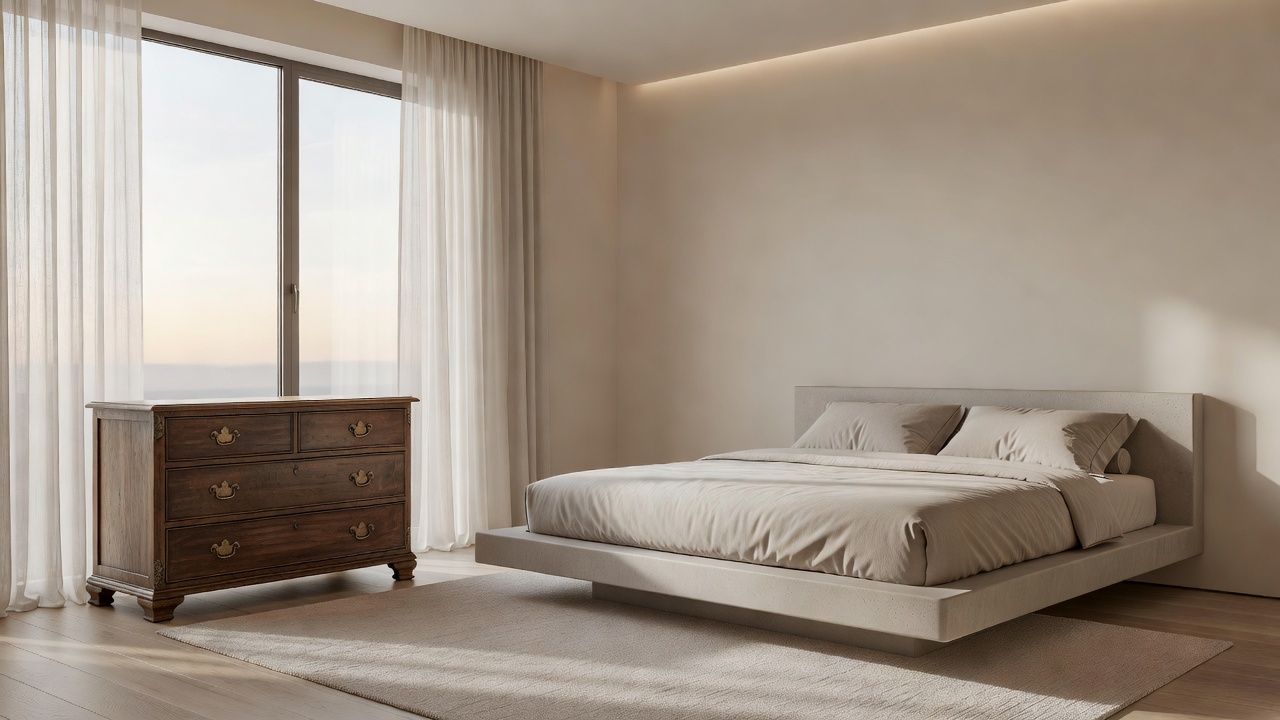
Blending vintage and modern elements creates bedrooms that feel both timeless and fresh. In 2026, homeowners are moving beyond purely minimalist trends toward layered designs that tell a story. This approach combines the warmth of antique finds with the clean lines of contemporary furniture, resulting in spaces that are deeply personal and visually striking. The key lies in thoughtful curation rather than random mixing. Successful renovations respect the character of older pieces while integrating modern functionality, such as smart lighting or ergonomic bedding solutions. Many people seek this hybrid style because it allows for creativity and individuality that standard modern trends often lack. By understanding scale, proportion, and material compatibility, anyone can achieve a cohesive look that evolves with their lifestyle.
Sourcing Authentic Vintage Pieces
Authentic vintage items add soul to any bedroom. Focus on mid-century dressers, Art Deco mirrors, or Victorian nightstands sourced from estate sales, specialized dealers, and online marketplaces. Always inspect for structural integrity and original hardware to maintain value. Consider visiting local architectural salvage yards or partnering with restoration experts who can verify provenance. This ensures pieces not only look the part but also withstand daily use alongside newer elements. When sourcing, research the era of each item to understand its historical context and how it might complement current trends. For example, a 1960s Danish modern chair can anchor a room when paired with sleek 2026 smart furniture. Check for signs of previous repairs and consider professional refinishing if needed to preserve authenticity while enhancing durability.
Balancing Old and New Aesthetics
Achieving harmony requires a 70/30 ratio rule: let one style dominate while the other provides accents. For instance, anchor the room with a sleek modern bed frame and layer vintage textiles like embroidered quilts or faded Persian rugs. Scale matters—pair oversized contemporary art with delicate vintage lamps to create visual tension that feels intentional. Test arrangements by photographing the space from multiple angles before committing. Another effective method involves using symmetry to tie eras together, such as flanking a modern bed with one vintage and one contemporary nightstand. This creates balance without forcing every element to match. Homeowners should also consider the room's architecture; older homes with crown molding benefit from modern low-profile furniture that highlights original details rather than competing with them.
Material Pairings That Work
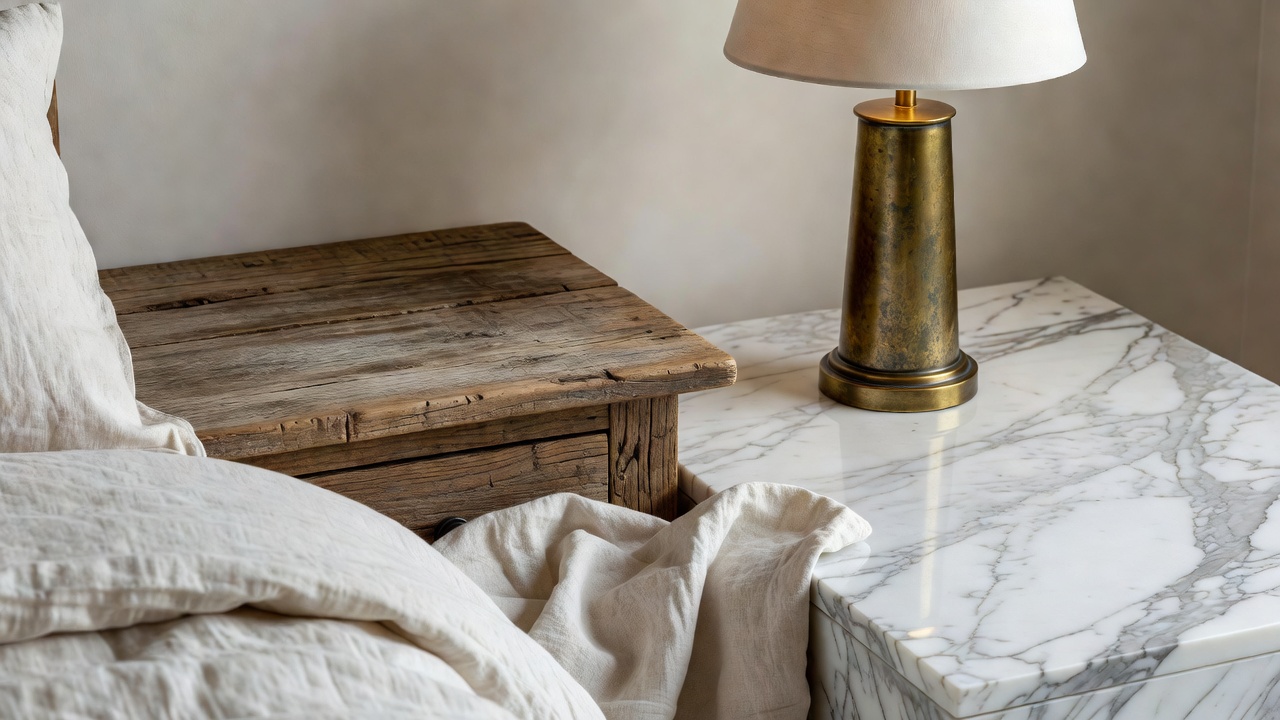
Successful pairings emphasize contrast and complement. Think warm walnut vintage nightstands against cool marble modern tabletops, or brass antique pulls on matte black contemporary cabinetry. Natural materials like linen, leather, and reclaimed wood age gracefully alongside high-tech fabrics such as performance velvets. Avoid over-polishing vintage surfaces; their patina enhances the modern contrast. Additional pairings include pairing wrought iron vintage headboards with crisp white linen bedding on modern bases or combining distressed leather vintage trunks as storage with floating acrylic modern shelves. These combinations work because they create tactile interest that engages the senses. When selecting, always consider maintenance—vintage wood may require occasional oiling while modern synthetics offer easier cleaning for busy households.
Color Integration Strategies
Neutral foundations—think warm greiges and soft taupes—allow both eras to shine. Introduce vintage-inspired jewel tones through accent pillows or modern geometric rugs in muted palettes. 2026 trends favor earthy greens paired with aged brass, creating depth without overwhelming the senses. Always test paint samples in different lighting conditions throughout the day. Layering colors through textiles offers flexibility; start with a neutral wall color and build with vintage quilts in faded reds or modern curtains in soft blues. This strategy prevents the space from feeling dated or overly trendy. For those with bold tastes, a single accent wall in a deep vintage-inspired hue can frame modern artwork effectively.
Step-by-Step Selection Guide
- Define your dominant style and color story by gathering inspiration images and noting what draws you to both vintage and modern pieces.
- Measure the room and note architectural features such as windows, doors, and built-ins to ensure new and old items fit proportionally.
- Source three vintage hero pieces first, focusing on items with strong character that can serve as focal points.
- Select modern basics that support daily living, including a comfortable mattress, functional lighting, and ample storage solutions.
- Layer accessories and test the overall balance by moving items around and living in the space temporarily before finalizing placement.
- Refine with lighting and textiles, incorporating dimmable modern fixtures alongside vintage lampshades for versatile ambiance.
Real-Home Examples
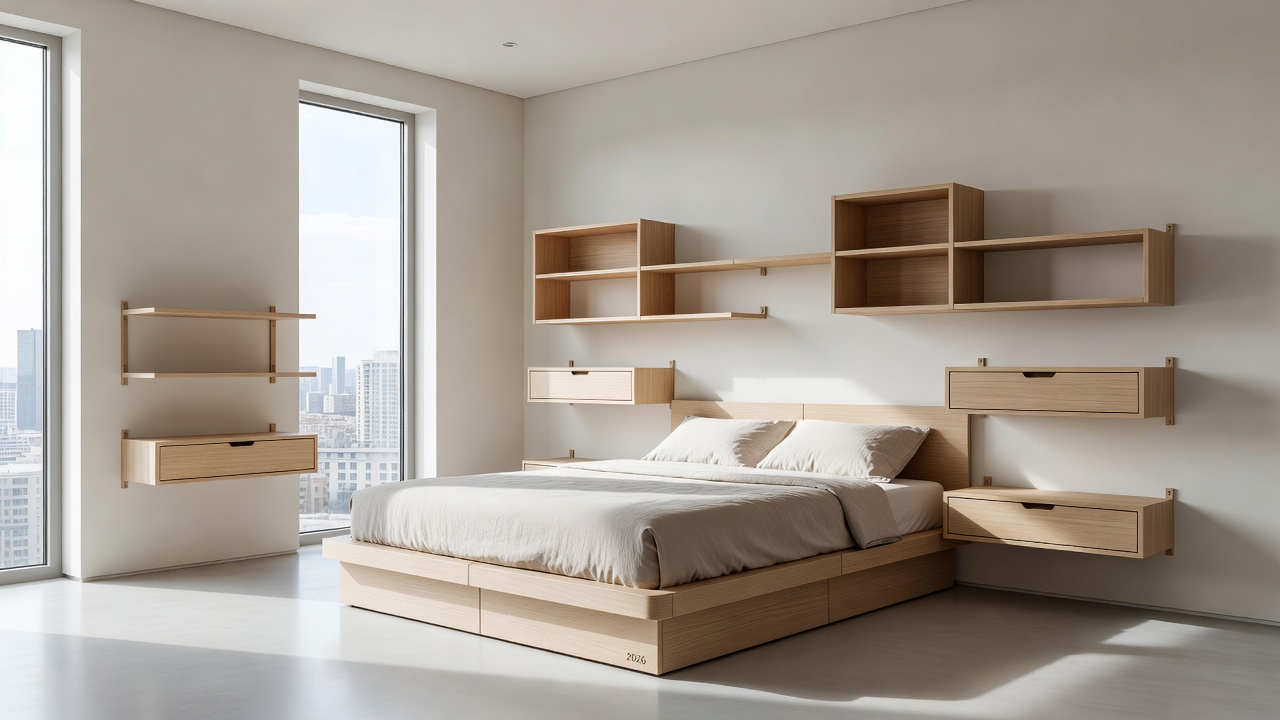
One Brooklyn loft renovation featured a 1950s teak headboard paired with floating modern shelves, creating a serene retreat that feels collected over time. In a suburban California home, a vintage armoire was repurposed as a media center beside a minimalist platform bed. Another example comes from a London townhouse where a Victorian dressing table was integrated with contemporary built-in wardrobes, blending ornate details with clean lines for a sophisticated result. These projects demonstrate how context influences choices—urban spaces often favor bolder contrasts while suburban rooms lean toward softer integrations.
Budget Comparisons and Planning
Vintage-modern blends often prove more cost-effective long-term because quality older pieces retain value. Prioritize investments in foundational items like mattresses and lighting while sourcing statement pieces secondhand. Planning involves creating a phased approach: tackle structural updates first, then furnishings, and finally decorative layers. This method spreads expenses and allows adjustments based on what works in the actual space.
Common Mistakes to Avoid
One frequent error is overcrowding the room with too many statement pieces from different eras, leading to visual chaos. Another is ignoring scale, such as placing a massive vintage armoire in a small bedroom without accounting for walkways. Homeowners also sometimes overlook lighting balance, resulting in areas that feel dark or uninviting. To avoid these pitfalls, create a mood board early and consult with a designer if the project feels overwhelming.
FAQ: Avoiding Common Pitfalls
- How do I prevent a cluttered look? Edit ruthlessly—each piece should earn its place through function or emotional connection.
- What if my vintage find clashes? Introduce transitional elements like neutral upholstery to bridge eras.
- Are there safety concerns with old furniture? Check for lead paint and reinforce joints; consult EPA guidelines on older materials.
- Can this style work in small bedrooms? Yes—scale down vintage pieces and use mirrors to expand the sense of space.
- How do I maintain vintage items long-term? Follow manufacturer recommendations for cleaning and store delicate textiles properly during off-seasons.
Explore further inspiration through resources like ArchDaily for global case studies and The Met for historical design references. With careful planning, your 2026 bedroom renovation will feel uniquely yours for years to come.

No comments yet. Be the first!