 Fixated on Home
Introduction to Gamer Bedroom Designs in 2026
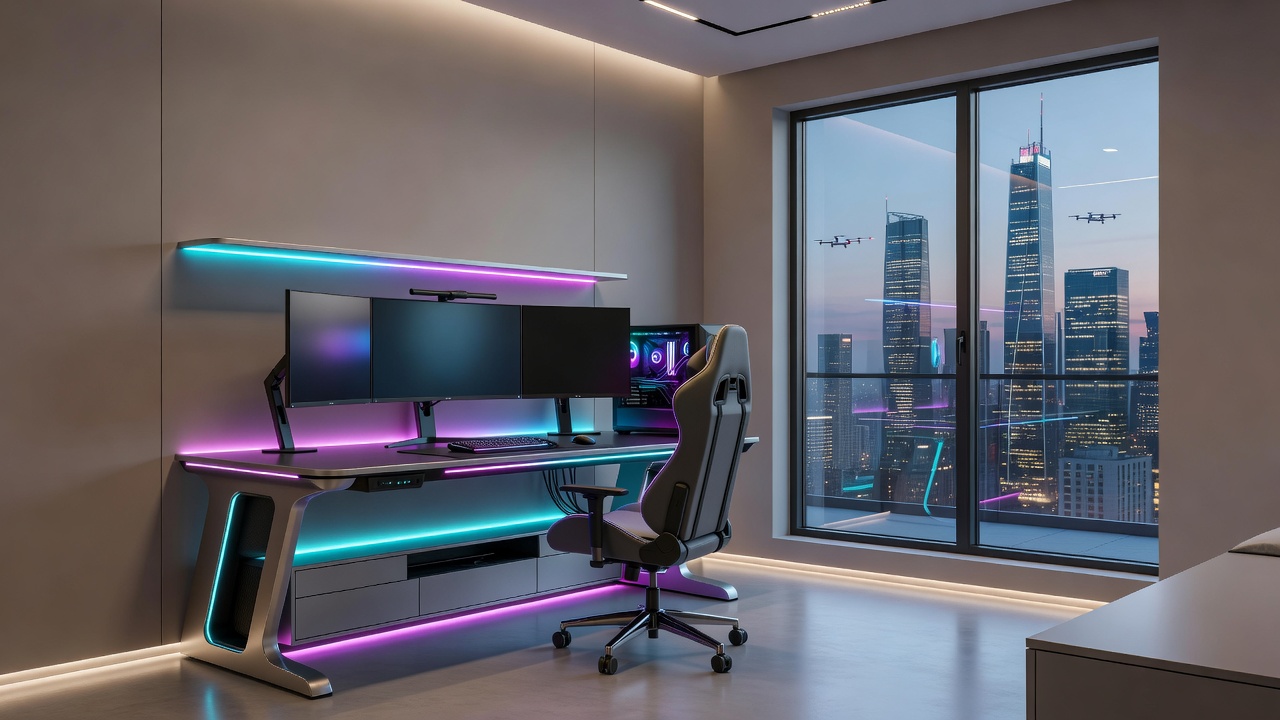
Creating a gamer bedroom that balances high-performance technology with restful comfort is a top priority for enthusiasts in 2026. Modern upgrades focus on seamless integration of gaming setups into bedroom environments while maintaining core design principles like airflow, lighting control, and personalization. Whether renovating a compact urban apartment or expanding a larger space, strategic planning ensures functionality meets aesthetic appeal. This approach draws from established home design practices that prioritize both productivity during intense sessions and recovery during rest periods.
Key elements include ergonomic seating and desks, advanced cable management, and dynamic lighting systems. These features support extended gaming sessions without compromising sleep quality or room harmony. Homeowners seeking renovation ideas can draw from real-world examples that prioritize space optimization and noise reduction. Integrating these upgrades thoughtfully transforms ordinary bedrooms into versatile hubs that evolve with emerging technologies such as advanced VR and multi-display configurations.
Selecting Ergonomic Furniture for Long Gaming Sessions
Ergonomic furniture forms the foundation of any effective gamer bedroom. Adjustable gaming chairs with lumbar support reduce strain during marathon sessions, while height-adjustable desks accommodate various monitor setups. In 2026 designs, modular pieces allow customization for different room sizes, from studio apartments to spacious master bedrooms. Selecting chairs certified for extended use helps maintain proper posture, reducing risks associated with prolonged sitting according to guidelines from the Centers for Disease Control and Prevention.
Consider multi-functional beds with built-in storage to maximize floor space. Pair these with wall-mounted monitor arms to free up desk real estate. Practical tips include measuring your room dimensions before purchase and testing chair recline angles for both gaming and relaxation modes. Additional considerations involve choosing materials that resist wear from daily use and incorporate breathable fabrics to regulate temperature. Real examples show how investing in quality pieces prevents frequent replacements and supports long-term comfort.
Practical Steps for Furniture Selection
- Measure available space and account for clearance around each piece.
- Test adjustability features in person or via detailed specifications.
- Evaluate compatibility with existing tech like monitor arms and keyboard trays.
- Prioritize items that double as storage solutions to reduce clutter.
Mastering Cable Management Systems
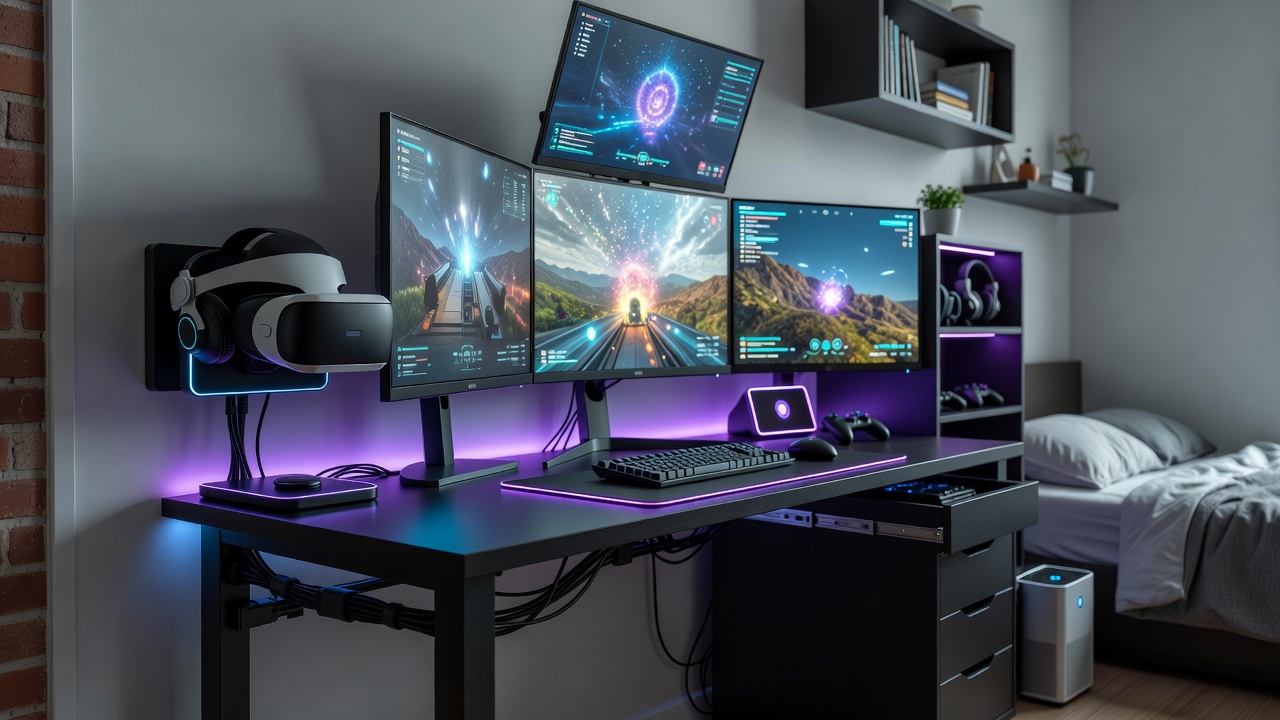
Untidy cables disrupt both aesthetics and safety in tech-heavy bedrooms. Modern solutions involve under-desk cable trays, wireless charging stations, and concealed conduit runs along baseboards. For 2026 upgrades, smart cable management integrates with home automation hubs to monitor power usage. Effective systems prevent overheating issues and simplify troubleshooting when adding new devices.
Start by mapping all device connections during the planning phase. Use Velcro ties and grommeted desk holes for a clean look. This approach not only enhances visual appeal but also prevents tripping hazards and simplifies future upgrades. In compact urban settings, routing cables through walls or behind furniture creates a polished finish that aligns with minimalist bedroom aesthetics.
Immersive Lighting Setups That Enhance Gameplay
Lighting transforms a standard bedroom into an immersive gaming environment. RGB LED strips behind monitors and under furniture create dynamic effects synced with gameplay. Bias lighting reduces eye strain, while smart bulbs allow scene presets for different activities like streaming or winding down. Layered systems combine task lighting for precision work with ambient options for relaxation.
Align lighting with bedroom design principles by incorporating dimmable options and warm tones for evening use. Examples from compact urban homes show how layered lighting zones separate the gaming area from the sleeping zone without needing major renovations. Health organizations such as the World Health Organization emphasize controlled lighting to support better sleep patterns in tech-equipped spaces.
Step-by-Step Renovation Planning
Successful gamer bedroom renovations begin with a clear timeline and budget allocation. Assess current layout, identify pain points like poor ventilation or limited outlets, and prioritize upgrades. Phase one often involves furniture and lighting, followed by tech integrations. Detailed planning includes consulting building codes for any structural changes and scheduling professional help for electrical work.
Consult professional electricians for any wiring changes. Incorporate feedback loops by testing setups mid-renovation. Real-world projects demonstrate that allocating time for cable routing and acoustic treatments yields the most satisfying results. Break the project into manageable phases to avoid overwhelming daily routines, and document progress with photos for future reference.
Comparing VR Stations and Multi-Monitor Arrays
Tech integration choices often center on VR stations versus multi-monitor arrays. VR setups deliver unparalleled immersion but require dedicated floor space and motion tracking clearance. Multi-monitor arrays excel for productivity and strategy games, offering expansive visual fields without headgear. Each option presents trade-offs in heat output, power consumption, and physical movement needs.
Urban apartment examples favor multi-monitor configurations due to space constraints, while larger rooms accommodate VR play areas. Weigh factors like heat generation, power draw, and long-term comfort when deciding. Hybrid approaches combining one primary monitor with occasional VR use provide flexibility. Testing both in temporary setups helps determine the best fit before committing to permanent installations.
Real-World Examples from Compact Urban Homes
Compact urban gamer bedrooms showcase clever solutions like vertical storage and fold-away desks. One New York studio integrated a wall-mounted PC with hidden cabling behind acoustic panels. Another London flat used modular lighting to create separate gaming and sleep zones within 200 square feet. These projects illustrate how creative problem-solving turns spatial limitations into advantages.
These cases highlight the value of multifunctional furniture and smart storage. They prove that thoughtful design turns limitations into opportunities for creative, high-impact upgrades aligned with 2026 trends. Additional inspiration comes from Scandinavian-style minimalism adapted for gaming, where clean lines meet high-tech functionality.
Avoiding Common Design Mistakes
Many enthusiasts overlook ventilation when adding powerful PCs, leading to overheating and discomfort. Another frequent error is ignoring acoustic treatments, which allows noise to disturb neighbors or sleep. Always plan for future expansions by installing extra outlets and cable pathways early. Skipping ergonomic assessments can result in posture issues over time, so prioritize adjustable components from the start.
Addressing Noise Control and Space Optimization
Noise control remains a common challenge. Sound-absorbing panels, white noise machines, and sealed windows minimize external disturbances. For gaming equipment, choose quieter cooling fans and place subwoofers strategically. Space optimization techniques include under-bed drawers, wall shelves, and multi-use ottomans. These strategies maintain open floor plans essential for movement during VR experiences while preserving a serene bedroom atmosphere.
FAQ: Common Challenges in Gamer Bedroom Designs
- How do I control noise from gaming PCs? Use acoustic enclosures and vibration-dampening mats, combined with scheduled fan curves for quieter operation during off-hours.
- What is the best way to optimize small spaces? Prioritize vertical storage, wall-mounted displays, and furniture with hidden compartments to keep the room uncluttered.
- Can immersive lighting affect sleep quality? Yes, but smart systems with automatic warm-light transitions after 10 PM help maintain healthy circadian rhythms.
- Are VR stations suitable for bedrooms? They work well in rooms over 150 square feet; ensure at least 6 feet of clear play space and good ventilation.
- How can I future-proof my setup for new tech? Install modular furniture and extra power sources now to accommodate emerging devices without full renovations later.
Conclusion
Gamer bedroom designs in 2026 emphasize thoughtful tech integration that respects both performance needs and restful living. By focusing on ergonomics, cable solutions, lighting, and careful planning, enthusiasts achieve spaces that inspire and rejuvenate. Apply these renovation ideas to create a personalized haven that evolves with future gaming advancements.
No comments yet. Be the first!