 Fixated on Home
Introduction to Pet-Friendly Bedroom Renovations in 2026
Homeowners increasingly seek to blend pet accommodations with contemporary bedroom aesthetics. Modern renovations focus on durable materials that withstand scratches and fur while preserving visual appeal. This approach ensures bedrooms remain inviting for both humans and pets, addressing common challenges like odor management and space constraints. In 2026, trends emphasize sustainable sourcing and seamless integration, allowing pet owners to create harmonious environments without compromising on style or functionality. Whether renovating a master suite or a compact guest room, the goal is to balance comfort, cleanliness, and design cohesion.
Key considerations include selecting pet-safe flooring and furniture that align with 2026 design trends emphasizing sustainability and minimalism. Integrating dedicated zones and smart storage helps maintain organization without sacrificing style. Thoughtful planning also accounts for pet behaviors such as shedding, chewing, and nesting, ensuring long-term satisfaction with the finished space.
Choosing Durable, Pet-Safe Flooring Materials
Flooring forms the foundation of any pet-friendly bedroom. Options like engineered hardwood with protective coatings resist claws and are easy to clean. Luxury vinyl plank offers waterproof properties ideal for accidents, while maintaining a wood-like appearance. Avoid carpets in high-traffic pet areas as they trap hair and odors. Natural stone or polished concrete provides another resilient alternative, though it may require area rugs for warmth and traction during colder months.
Before selecting materials, evaluate traffic patterns. For example, place rugs only in low-activity zones. Always opt for low-VOC finishes to support indoor air quality. Homeowners should also consider underlayment options that provide cushioning and sound absorption, particularly useful in multi-story homes where pets move frequently at night. These choices contribute to both durability and a peaceful atmosphere.
Selecting Pet-Resistant Furniture and Fabrics
Furniture choices should prioritize performance fabrics such as Crypton or Sunbrella, which repel liquids and resist stains. Leather or faux leather sofas clean easily compared to traditional upholstery. When renovating, consider modular pieces that allow reconfiguration around pet beds. Frame materials like metal or solid hardwood outperform particleboard, which can swell or chip from moisture and rough play.
Avoid delicate woods or ornate details prone to chewing. Instead, integrate built-in benches with washable cushions for multi-use functionality. Examples include window seats that double as pet lounges or headboards with integrated niches for toys. Testing fabric swatches with your pet beforehand helps identify any potential issues early in the design process.
Creating Dedicated Pet Zones in Modern Bedrooms
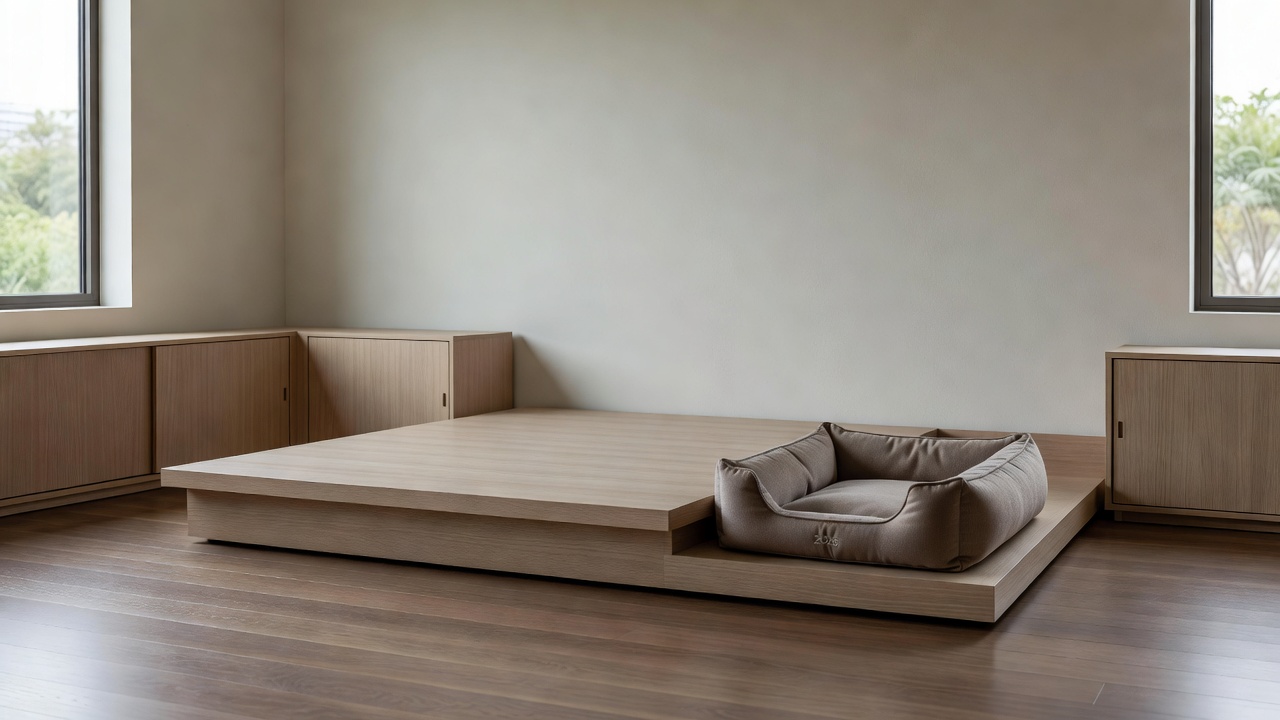
Dedicated zones enhance comfort for pets without cluttering the room. Designate a corner with a raised platform bed that matches the room's color palette. Incorporate elevated feeders or hidden litter areas behind decorative screens for cats. These zones can incorporate calming elements such as soft lighting or orthopedic bedding to support older pets with joint concerns.
Step-by-step example: First, measure the space; second, select zone-appropriate furniture; third, add non-slip mats. This method transforms underutilized areas into functional pet havens. For dogs, include a ramp for easy access to elevated surfaces, while cat zones might feature wall-mounted shelves for climbing. Real-world applications show that such zones reduce stress for both pets and owners by clearly defining boundaries within the shared space.
Integrating Smart Storage Solutions for Pet Supplies
Storage integration keeps supplies accessible yet hidden. Built-in cabinetry with pull-out drawers for toys and food works well in modern designs. Wall-mounted organizers free floor space, especially beneficial in smaller bedrooms. Consider incorporating charging stations for automatic feeders or GPS trackers within these units to streamline daily care routines.
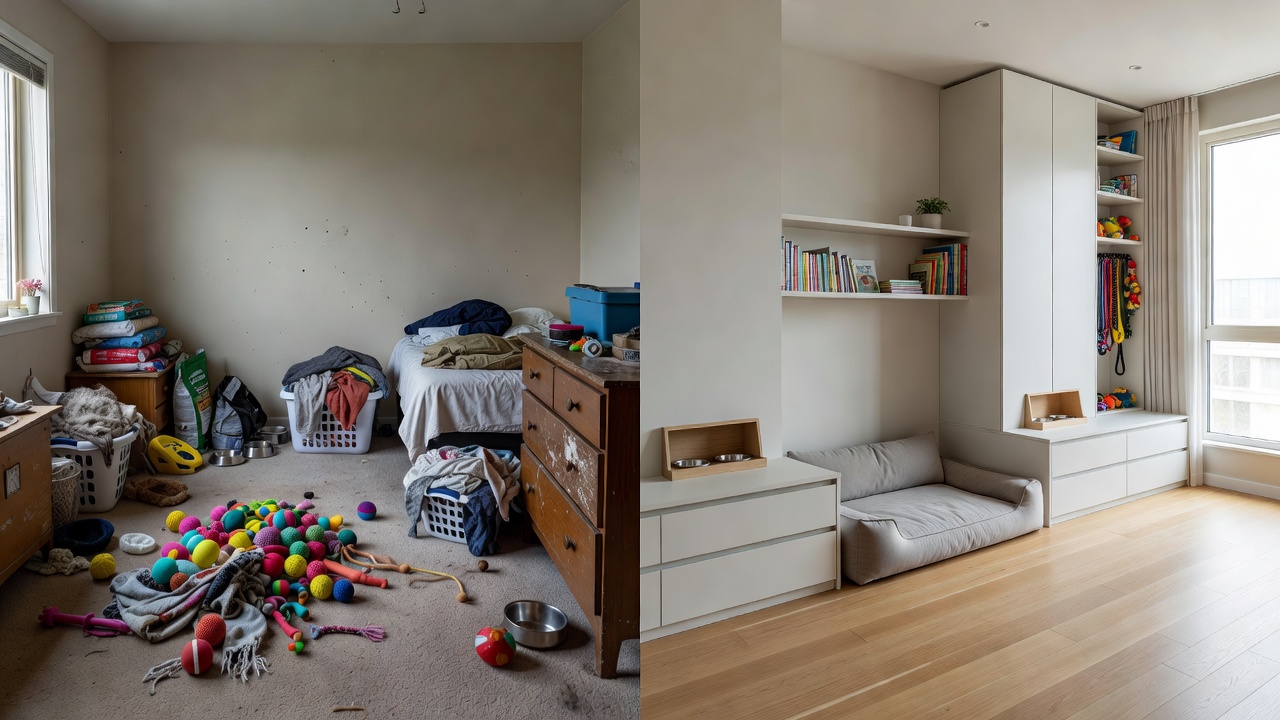
Compare before-and-after: A cluttered pre-renovation bedroom with scattered items becomes streamlined post-renovation with concealed compartments, improving both aesthetics and daily routines. Additional ideas include under-bed storage bins labeled for seasonal items and over-door organizers for leashes and grooming tools. These solutions maintain a tidy appearance while ensuring everything remains within easy reach during busy mornings.
Ventilation Strategies to Manage Pet Odors
Effective ventilation prevents odor buildup. Install ceiling fans with HEPA filters or under-window vents connected to whole-home systems. Natural airflow through strategic window placement complements mechanical solutions. Regular maintenance of HVAC systems, including duct cleaning, further minimizes allergen circulation from pet dander.
Practical tip: Position air purifiers near pet zones. Regular filter changes maintain effectiveness. These methods align with guidelines from the Environmental Protection Agency for indoor air quality. Homeowners may also explore smart ventilation monitors that alert users to rising humidity levels, which can exacerbate odors. Combining these approaches creates a fresher environment year-round.
Step-by-Step Renovation Examples and Comparisons
Consider a typical small bedroom renovation: Begin with flooring removal, followed by installing pet-safe underlayment. Add custom cabinetry next, then paint with durable, low-VOC options. Final touches include zone setup and ventilation upgrades. Throughout the process, protect existing walls and fixtures with drop cloths to minimize dust exposure for sensitive pets.
Before-and-after comparisons highlight transformations: Pre-renovation spaces often feature worn carpets and visible clutter; post-renovation results show seamless integration where pet elements blend with modern decor. Another example involves converting a standard bedroom into a multi-pet sanctuary by adding modular walls that create separate resting areas while preserving an open feel. These detailed comparisons illustrate measurable improvements in usability and visual appeal.
Mistakes to Avoid in Pet-Friendly Designs
- Overlooking material durability leading to frequent replacements.
- Ignoring scale, where oversized pet furniture overwhelms small rooms.
- Neglecting odor sources during planning stages.
- Choosing trendy but impractical fabrics that stain easily.
- Failing to account for pet growth or changing mobility needs over time.
- Skipping professional consultations on electrical placements near water bowls.
Space Optimization Tips for Small Bedrooms
Small bedrooms benefit from vertical storage and multi-functional furniture. Use under-bed drawers for supplies and foldable pet ramps. Light color palettes create an illusion of space while accommodating pet accessories. Mirrors strategically placed opposite windows amplify natural light, making the room feel larger even with added pet furnishings.
Additional strategies include nesting pet beds inside existing furniture pieces and using slim-profile gates to section off areas temporarily. These tactics prove especially valuable in urban apartments where square footage is limited, allowing full functionality without visual crowding.
Frequently Asked Questions
How often should I clean pet zones in a bedroom?
Daily spot cleaning combined with weekly deep cleans using pet-safe products keeps areas fresh. Vacuum with HEPA filters and wash bedding regularly to prevent buildup of hair and bacteria.
What are the best ways to optimize storage in compact spaces?
Utilize wall-mounted solutions and hidden compartments. Prioritize vertical space to maintain floor area for pets and movement while keeping essentials organized and out of sight.
Are there specific materials recommended for allergy sufferers with pets?
Hypoallergenic fabrics and hard flooring reduce allergens. Consult resources from the ASPCA for additional pet health insights and the American Veterinary Medical Association for expert veterinary guidance on creating healthier shared environments.
How can renovations support pets with special needs?
Incorporate non-slip surfaces, adjustable-height feeders, and quiet zones away from high-traffic paths. These adaptations improve accessibility and comfort for senior or mobility-challenged pets.
Conclusion
Pet-friendly bedroom renovations in 2026 combine practicality with modern style. By focusing on durable materials, thoughtful zoning, and effective ventilation, homeowners create spaces that serve both pets and people beautifully. Implementing these ideas results in lasting, functional upgrades that enhance daily living for the entire household.


No comments yet. Be the first!